How to Reduce Nervousness before Sports Practice: Top Proven Tips
Feeling nervous before sports practice can hold you back from playing your best. You might worry about making mistakes or not meeting expectations.
But what if you could turn that nervous energy into confidence? You’ll discover simple, effective ways to calm your mind and boost your focus before every practice. Keep reading to learn how to take control of your nerves and step onto the field ready to perform at your peak.
Causes Of Nervousness In Sports
Nervousness before sports practice is common for many athletes. Understanding its causes helps manage these feelings better. Nervousness can come from different sources, both inside and outside the mind. It affects how players prepare and perform during practice.
Common Triggers
Fear of failure often sparks nervousness. Worry about making mistakes or disappointing coaches adds pressure. The desire to perform well in front of teammates can also cause stress. Sometimes, past bad experiences create anxiety before practice. Uncertainty about skills or readiness increases nervous feelings. Even competition with others can raise tension.
Physical And Mental Effects
Nervousness causes a fast heartbeat and sweaty hands. Muscles may tighten, making movements stiff or shaky. Breathing can become quick and shallow. Mentally, nervousness leads to negative thoughts and doubt. Focus often weakens, making concentration difficult. This tension can lower confidence and reduce enjoyment.

Credit: www.youtube.com
Pre-practice Preparation
Feeling nervous before sports practice is common. Preparing well can help calm your mind and body. Pre-practice preparation sets the tone for a focused session. It builds confidence and reduces anxiety.
Simple steps before practice can make a big difference. These steps help you feel ready and in control. Two key parts are warming up and setting goals.
Effective Warm-up Techniques
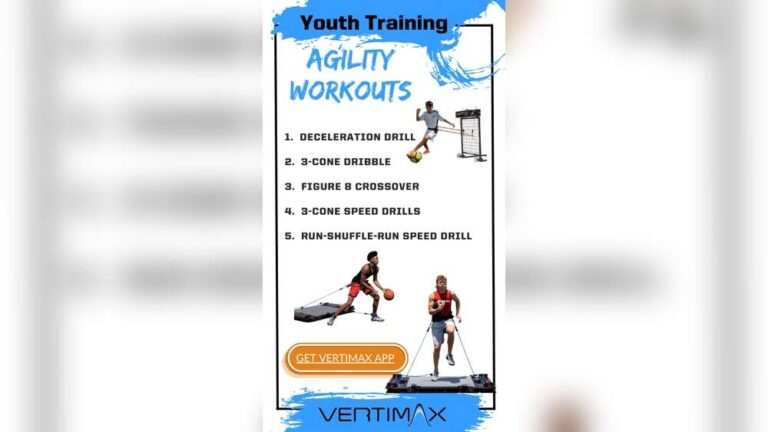
Start with light exercises to wake up your muscles. Stretch slowly to avoid injury and loosen tight spots. Try jogging or jumping jacks for a few minutes. This increases blood flow and prepares your body to move.
Include sport-specific movements in your warm-up. Mimic actions you will do during practice. This helps your brain and muscles work together. A good warm-up reduces tension and calms nerves.
Setting Realistic Goals
Think about what you want to achieve today. Choose small, clear goals instead of big, vague ones. For example, focus on improving one skill or technique. Achieving small goals boosts your confidence.
Realistic goals keep you motivated and reduce pressure. They help you measure progress without stress. Write your goals down or say them out loud. This keeps your mind focused and calm.
Mental Strategies To Stay Calm
Feeling nervous before sports practice is common. Mental strategies help calm your mind. These techniques focus on slowing your thoughts and relaxing your body. Practicing mental calmness can improve your performance. It also makes practice more enjoyable.
Breathing Exercises
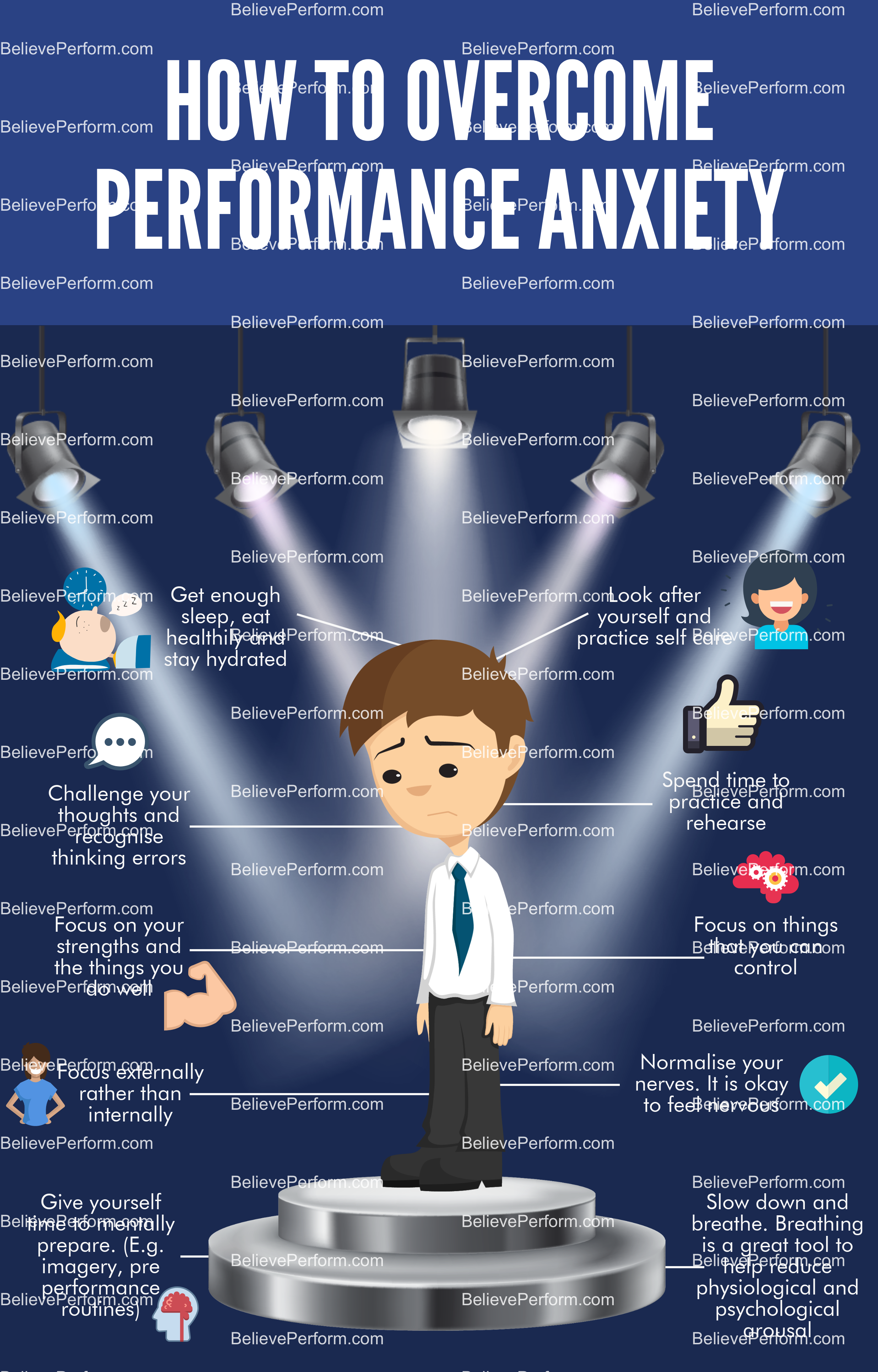
Breathing exercises are simple and effective. Slow, deep breaths help lower your heart rate. Breathe in slowly through your nose. Hold for a few seconds. Then breathe out gently through your mouth. Repeat this process several times. This method reduces tension and clears your mind. Try to focus only on your breath. Let go of all other thoughts.
Visualization Techniques
Visualization means imagining positive outcomes. Close your eyes and picture yourself playing well. See each movement clearly in your mind. Imagine feeling strong and confident. Visualize the sounds and sights around you. This mental image prepares your brain for success. It builds confidence and reduces fear. Practice visualization regularly for best results.
Credit: members.believeperform.com
Building Confidence Over Time
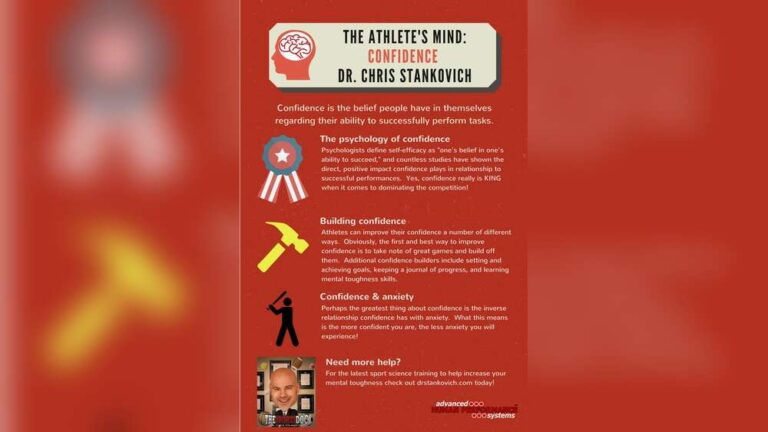
Building confidence over time is key to reducing nervousness before sports practice. Confidence grows with small, steady steps. It helps you feel ready and calm. This section shows simple ways to build your confidence.
Positive Self-talk
Positive self-talk means saying kind things to yourself. Replace negative thoughts with encouraging words. For example, say “I am prepared” instead of “I might fail.” This shifts your mind to a calm, strong place. Practice this daily. It helps you face practice with less fear.
Tracking Progress
Keep a simple record of your practice efforts. Write down what you do well and what to improve. Seeing your growth motivates you. It shows that effort leads to progress. Tracking progress makes your confidence build naturally. It reminds you that you are getting better every day.
Lifestyle Changes For Reduced Anxiety
Changing daily habits can help reduce nervousness before sports practice. Small lifestyle changes improve overall calmness and focus. These changes support the body and mind to handle stress better. Simple steps in nutrition, hydration, sleep, and rest make a big difference. Try to build healthy routines that keep anxiety low.
Nutrition And Hydration
Eating balanced meals fuels your body for activity. Choose foods rich in vitamins and minerals. Fruits, vegetables, whole grains, and lean proteins help reduce stress. Avoid heavy or greasy foods that cause discomfort.
Drink plenty of water throughout the day. Dehydration can increase feelings of nervousness. Sip water before and during practice to stay steady. Limit caffeine and sugary drinks as they can raise anxiety.
Sleep And Rest
Getting enough sleep calms your mind and body. Aim for 7 to 9 hours each night. Poor sleep makes it harder to manage nerves and focus. Create a bedtime routine to relax before sleeping.
Rest during the day if you feel tired. Short breaks help refresh your energy. Avoid overworking yourself right before practice. A rested body performs better and feels less anxious.
Support Systems And Professional Help
Feeling nervous before sports practice is normal. Support systems and professional help can make a big difference. Having people around who understand your feelings helps reduce stress. They provide encouragement and advice. This support builds confidence and makes practice more enjoyable.
Coaches And Teammates
Coaches know how to guide and calm nerves. They can give you tips to stay focused. Teammates share similar feelings. Talking with them creates a sense of belonging. Their support helps you feel less alone. Practice becomes easier with a strong team bond.
When To Seek Counseling
Nervousness that does not go away needs attention. If anxiety affects daily life or sleep, seek help. A counselor or sports psychologist can teach useful tools. They help control stress and improve performance. Asking for help shows strength, not weakness.

Credit: www.amazon.com
Frequently Asked Questions
How Can I Calm Nerves Before Sports Practice?
Practice deep breathing exercises to calm your mind and body. Visualize success and positive outcomes. Focus on your skills, not the pressure. This prepares you mentally and reduces anxiety effectively.
What Pre-practice Routine Reduces Nervousness?
A consistent warm-up helps ease tension. Stretch, jog lightly, and perform sport-specific drills. Listening to calming music can also boost confidence. A routine builds familiarity, reducing pre-practice jitters.
How Does Positive Self-talk Help Nervousness?
Positive self-talk boosts confidence and shifts focus away from fear. Repeating affirmations like “I am prepared” calms the mind. It improves concentration and motivates better performance during practice.
Can Visualization Reduce Sports Anxiety?
Yes, visualization trains your brain for success. Imagine executing skills perfectly and staying calm. This mental rehearsal prepares you emotionally, lowering nervousness before practice.
Conclusion
Nervousness before sports practice can feel tough to handle. Small steps help calm your mind and body. Breathing deeply and thinking positive thoughts make a big difference. Practice these tips often to feel more confident. Remember, feeling nervous is normal and can pass.
Focus on enjoying the practice and doing your best. Stay patient and kind to yourself during the process. Soon, nervousness will not control your game or fun. Keep trying, and you will see progress.

Brandon Knoxley is a sport & fitness writer and training guide contributor at MySportFitHub. He focuses on practical workouts, performance-based training, and honest fitness gear insights designed for real people and real results. Brandon is passionate about helping beginners and active individuals train smarter, avoid common mistakes, and build sustainable fitness habits.