How to Avoid Equipment Related Sports Injuries: Essential Safety Tips
Injuries can quickly turn your love for sports into frustration and pain. But what if most of these injuries could be prevented?
The key often lies in the equipment you use. If you want to stay safe and keep playing at your best, you need to understand how to avoid equipment-related sports injuries. This article will show you simple, effective steps you can take right now to protect yourself.
Keep reading, and discover how small changes can make a big difference in your game and your health.
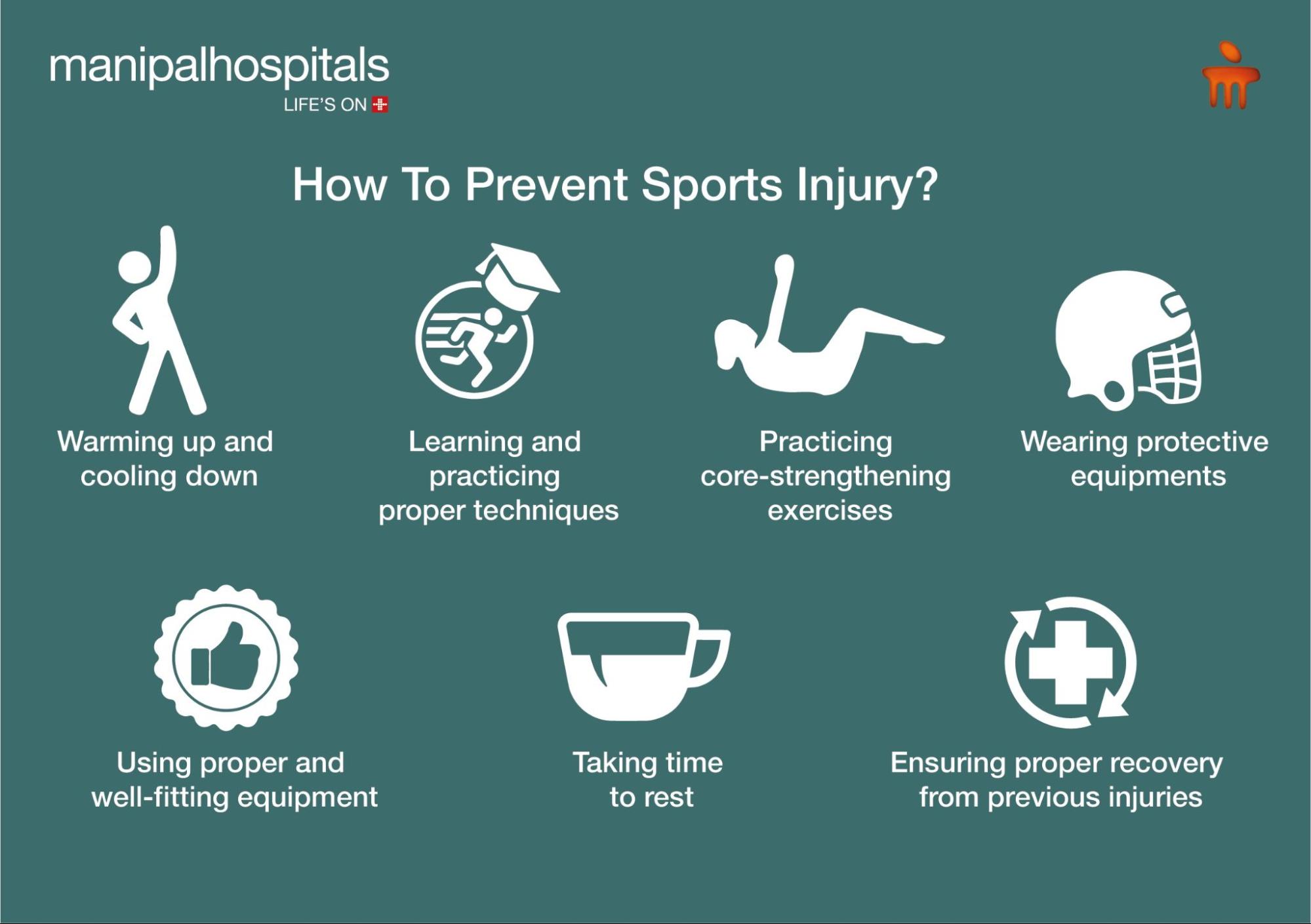
Credit: www.manipalhospitals.com
Choose The Right Equipment
Choosing the right equipment is key to preventing sports injuries. The right gear protects your body and helps you perform better. Poor choices increase the risk of harm. Picking equipment that fits well and suits your sport is essential.
Fit And Size Matter
Equipment must match your body size and shape. Shoes that are too tight cause blisters. Loose gear may slip and cause accidents. Always try gear on before buying. Proper fit gives comfort and safety during play.
Quality Over Cost
Cheap equipment might save money but risks your health. Good quality gear lasts longer and protects better. Investing in durable gear reduces injuries and saves money over time. Choose trusted brands with good reviews for safety.
Sport-specific Gear
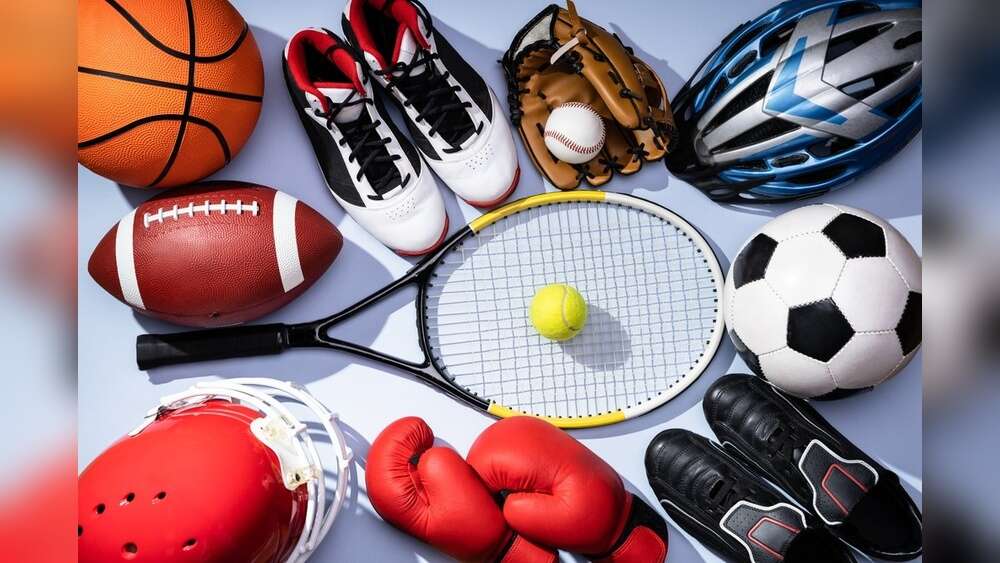
Each sport has unique needs for protection and support. Use helmets in cycling or football to protect your head. Wear padding in hockey or skateboarding to shield your body. Using the right gear for your sport lowers injury chances.
Credit: www.orthobethesda.com
Maintain Your Gear
Maintaining your sports gear is key to staying safe during play. Proper care keeps equipment in good shape. It also helps prevent injuries caused by faulty gear. Small issues can lead to bigger problems. Taking time to maintain your equipment can save you pain and money.
Regular Inspections
Check your equipment often for wear and damage. Look for cracks, loose parts, or worn-out padding. Inspect straps and buckles for strength. Find problems early to avoid injuries. Make inspections part of your routine before each use.
Cleaning And Storage
Keep your gear clean to extend its life. Dirt and sweat break down materials over time. Use mild soap and water for cleaning. Dry items completely before storing them. Store gear in a cool, dry place away from sunlight. Proper storage stops damage from moisture and heat.
Timely Repairs And Replacements
Fix small problems as soon as they appear. Use the right tools or ask a professional. Do not use damaged gear during sports. Replace worn-out equipment promptly. Using good gear ensures better protection and performance.
Use Protective Accessories
Using protective accessories is one of the best ways to avoid sports injuries. These items help shield your body from impact and strain. Wearing the right gear can reduce pain and prevent long-term damage. Protective accessories support your movements and keep you safe during activity.
Helmets And Pads
Helmets protect your head from serious injuries. Choose a helmet that fits snugly and meets safety standards. Pads guard elbows, knees, and shoulders. They absorb shocks and reduce bruises. Always wear helmets and pads during contact sports or high-speed activities.
Proper Footwear
Good shoes provide support and balance. They reduce pressure on your feet and ankles. Pick shoes designed for your sport. Proper footwear lowers the risk of sprains and fractures. Replace worn-out shoes to keep your feet safe.
Supportive Braces
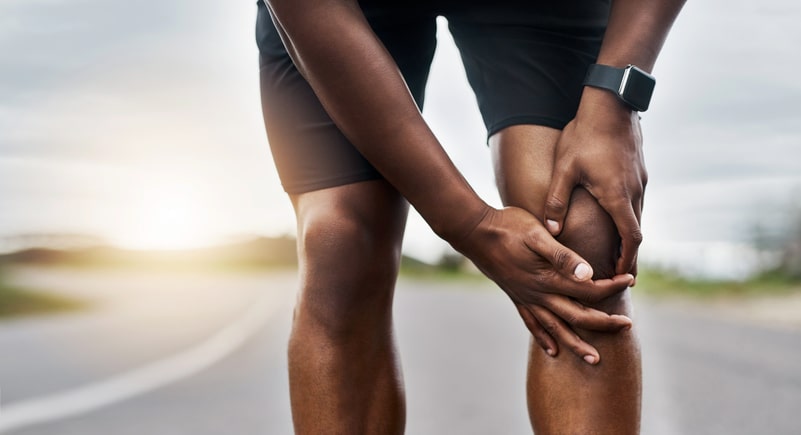
Braces stabilize joints and muscles. They help prevent overuse injuries and strains. Use braces on knees, wrists, or ankles if needed. Choose braces that fit well and allow movement. Supportive braces add extra protection during intense play.
Follow Proper Usage Guidelines
Following proper usage guidelines is key to avoiding equipment-related sports injuries. Using sports gear correctly reduces risks and keeps you safe. Understanding how to handle and maintain your equipment matters a lot.
Ignoring instructions can lead to accidents and damage. Always use equipment as intended. This habit protects you from harm and extends the life of your gear.
Read Instructions Carefully
Every piece of sports equipment comes with instructions. These guide you on how to use it safely. Take time to read them before use. Pay attention to warnings and limitations. Knowing the right way prevents misuse and injury.
Avoid Improvised Use
Do not change or misuse equipment. Using it for other purposes can cause failure. Improvised use may lead to falls or strains. Stick to the designed use only. This keeps you safe and your gear working well.
Supervised Training
Training with a coach or expert helps a lot. They teach proper handling and correct techniques. Supervised practice reduces mistakes that cause injuries. Experts spot errors and fix them early. This ensures safe and effective equipment use.
Warm Up And Stretch
Warming up and stretching before sports is important to avoid injuries. It prepares your body for physical activity. These steps help your muscles and joints work better. You feel ready and less likely to get hurt.
Pre-activity Routines
Start with light exercises like walking or jogging. This raises your heart rate slowly. Then, add dynamic stretches like leg swings or arm circles. These moves help blood flow to your muscles. Do these for 5 to 10 minutes before playing.
Muscle Preparation
Stretching increases muscle flexibility and joint range of motion. It reduces stiffness and tightness. Focus on the muscles you will use most during the sport. Stretch slowly and hold each stretch for 15 to 30 seconds. Avoid bouncing or forcing the stretch.
Reducing Injury Risk
Warming up and stretching lowers the chance of strains and sprains. It helps muscles absorb impact better. Your body reacts faster to sudden movements. Consistent warm-up routines build safer habits. This keeps you active and injury-free longer.
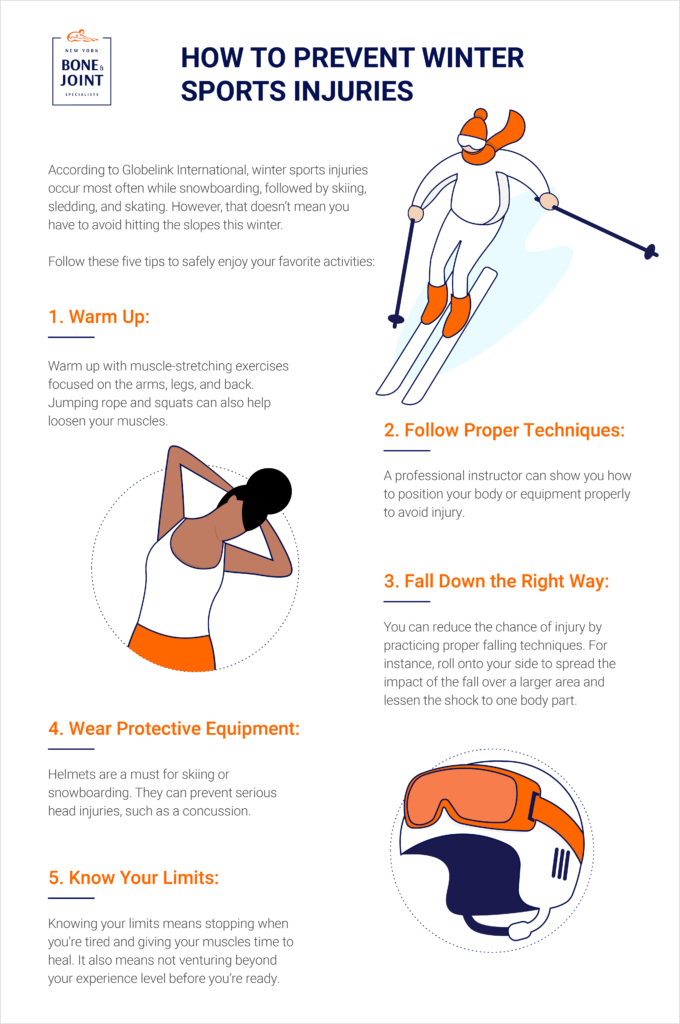
Credit: nyboneandjoint.com
Stay Informed On Safety Updates
Staying informed on safety updates helps prevent injuries from sports equipment. Safety rules and product designs change often. Knowing the latest information keeps you and others safe during sports activities.
Latest Equipment Standards
Sports equipment must meet certain safety standards. These standards change as new research emerges. Check for updates from official safety organizations regularly. Use equipment that meets the current standards. This lowers the risk of injury during play.
Recalls And Warnings
Manufacturers sometimes recall sports gear due to safety issues. Recalls warn users about defects or risks. Sign up for recall alerts on websites and apps. Stop using recalled equipment immediately. Replace it with approved, safe products to avoid harm.
Continuing Education
Learn about sports safety through courses and workshops. Coaches and players benefit from regular training. Staying educated helps recognize risks early. Apply new safety tips to your routine. This keeps you protected and confident while playing.
Frequently Asked Questions
What Are Common Equipment-related Sports Injuries?
Common injuries include sprains, fractures, bruises, and cuts. Poorly fitting or faulty gear often causes these injuries. Using worn-out equipment increases risk. Proper maintenance and correct sizing help prevent such injuries during sports activities.
How Can Proper Equipment Fit Prevent Injuries?
Proper equipment fit ensures better support and comfort. It reduces strain on muscles and joints. Ill-fitting gear can cause blisters, fractures, or sprains. Always measure and try equipment before use for maximum safety and injury prevention.
Why Is Equipment Maintenance Important For Safety?
Regular maintenance keeps equipment in safe, working condition. Damaged or worn gear can fail during use. Clean and inspect equipment frequently to spot issues early. Proper upkeep extends gear life and minimizes injury risks.
How Often Should Sports Equipment Be Replaced?
Replace equipment when it shows signs of wear or damage. Helmets, shoes, and padding have recommended lifespans. Using outdated gear compromises protection and increases injury chances. Check manufacturer guidelines for replacement intervals.
Conclusion
Protecting yourself from equipment-related sports injuries starts with smart choices. Use gear that fits well and suits your sport. Always check your equipment before playing. Replace worn or damaged items quickly. Learn the right way to wear and use your gear.
Stay aware of your surroundings during activities. These small steps help keep you safe and enjoy sports longer. Play smart, stay safe, and keep having fun.

Brandon Knoxley is a sport & fitness writer and training guide contributor at MySportFitHub. He focuses on practical workouts, performance-based training, and honest fitness gear insights designed for real people and real results. Brandon is passionate about helping beginners and active individuals train smarter, avoid common mistakes, and build sustainable fitness habits.