How To Add Weight To A Dumbbell: Safe Loading Guide
To add weight to a dumbbell, use compatible plates, secure collars, and small weight increases that keep the handle balanced.
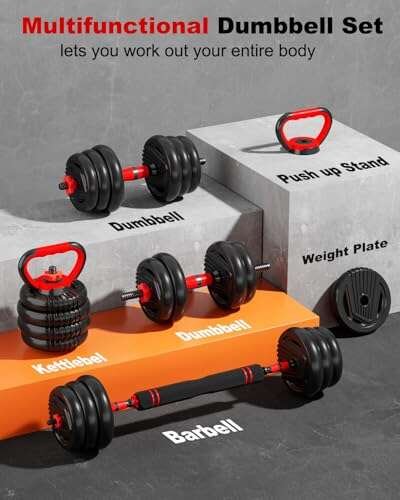
Learning how to add weight to a dumbbell is simple when you use the right equipment and follow basic safety rules. The best method depends on whether you own adjustable dumbbells, fixed dumbbells, or a loadable dumbbell handle. This guide explains safe options, common mistakes, weight calculations, and practical ways to build strength without damaging your equipment or risking injury.

Can you add weight to any dumbbell?
No. You can safely add weight only to dumbbells designed for extra plates or approved add-on systems. Most adjustable dumbbells have threaded ends, sleeves, or locking systems that let you increase the load.
Fixed dumbbells are different. They are cast as one solid piece, so adding plates with tape, straps, or loose clamps can make the weight shift during a lift. That change may affect your balance and raise the risk of dropping the dumbbell.
Before learning how to add weight to a dumbbell, identify the type you have:
• Adjustable dumbbells use removable plates and collars.
• Loadable dumbbell handles accept standard or Olympic plates.
• Fixed dumbbells have a permanent weight and usually cannot be modified safely.
• Selectable dumbbells use a dial or pin to change weight inside a storage tray.
The safest choice is always to follow the manufacturer’s instructions. Check the handle diameter, plate size, maximum load, and collar type before adding any weight.

Best ways to add weight to a dumbbell
1. Use adjustable dumbbell plates
Adjustable dumbbells are the easiest option. You remove the collar, add matching plates to both sides, and tighten the collar again.
Follow these steps:
-
Place the dumbbell handle on a flat surface.
-
Remove the locking collar from one side.
-
Add the same plate weight to each side.
-
Check that the plates sit flat against the inner stop.
-
Replace and tighten the collar.
-
Repeat the process on the other end.
-
Shake the dumbbell gently before lifting. The plates should not slide or rattle.
Always add equal weight to both sides. For example, if you want to add 10 pounds, place 5 pounds on each side. This keeps the center of mass near your hand and makes the dumbbell easier to control.
2. Use loadable dumbbell handles
A loadable handle works much like a short barbell. It has a grip, sleeves, plates, and collars. This design gives you more control over the total load.
Loadable handles are useful for:
• Dumbbell presses
• Rows
• Curls
• Lunges
• Goblet squats
• Farmer carries
When learning how to add weight to a dumbbell handle, measure the plate opening first. Standard plates often have a 1-inch hole. Olympic plates usually have a 2-inch hole. The handle sleeve must match the plate opening.
Do not force a plate onto a handle. A poor fit can damage the sleeve or leave the plate loose. Use collars made for that handle, not random clamps from another piece of equipment.
3. Use approved magnetic or add-on weights
Some companies make magnetic weights or sleeves that attach to compatible dumbbells. These products can help you increase the load in small steps.
They work best when:
• The add-on fits your exact dumbbell model.
• The magnets or locks sit fully against the dumbbell.
• You stay within the stated weight limit.
• You test the attachment with slow movements first.
These systems are often useful for small increases, such as 2.5 or 5 pounds. Small jumps can help when a larger plate makes the next weight too difficult.
Never assume that a strong magnet alone makes an attachment safe. The device must be designed for exercise and rated for movement.
4. Buy a heavier fixed dumbbell
Sometimes the best answer to how to add weight to a dumbbell is not to modify it at all. If you use fixed dumbbells, buying the next heavier pair is often safer and faster.
This option costs more at first, but it removes many problems:
• No loose plates
• No uneven loading
• No damaged handle
• No improvised straps
• Less setup time between sets
For home gyms, a pair of fixed dumbbells may work well for simple workouts. Adjustable dumbbells are usually more space-efficient when you need many weight levels.

How to add weight to a dumbbell safely
Safety starts before the first rep. Inspect every part of the dumbbell, including the handle, plates, threads, pins, welds, and collars.
Use this quick check:
• Confirm that each plate matches the handle.
• Make sure the collar threads are clean.
• Tighten both sides with firm hand pressure.
• Keep the weight equal on the left and right sides.
• Test the dumbbell with a slow curl or raise.
• Stop if you hear unusual clicking or feel movement.
Do not use duct tape, rope, zip ties, or loose ankle weights to hold plates in place. These materials may look secure while the dumbbell is still. Exercise creates force in many directions, and a homemade attachment can fail without warning.
A dumbbell also needs enough clearance for your hands. If plates sit too close to the grip, they may rub your wrist or limit your range of motion. If plates sit too far out, the dumbbell may feel unstable.
When learning how to add weight to a dumbbell, think of the setup as a small machine. Every part must work together. A strong plate is not enough if the collar, sleeve, or handle is weak.

How much weight should you add?
Most people do best with small increases. Adding too much weight can change your form and shift the exercise away from the target muscles.
A useful starting point is:
• Add 2.5 to 5 pounds for upper-body exercises.
• Add 5 to 10 pounds for lower-body exercises.
• Add less weight when the movement is technical or overhead.
• Add more only when you can control every rep.
The right increase depends on the exercise. A 5-pound jump may feel small during a dumbbell deadlift but very large during a lateral raise.
Use a simple progression test:
-
Choose a weight you can lift with good form.
-
Complete your planned sets and reps.
-
Leave about one to three good reps in reserve.
-
Repeat that weight for at least two workouts.
-
Add a small amount when your form stays strong.
For example, imagine you perform three sets of 10 dumbbell rows with 30 pounds. If all 30 reps are controlled and you could complete two more reps per set, try 35 pounds next time. If your back twists or your shoulder pulls forward, return to 30 pounds and build more control.
Research on resistance training supports gradual increases in training load. The exact amount varies by person, but steady progression is more useful than making large jumps.

How to add weight to a dumbbell without losing balance
Balance depends on more than total weight. It also depends on where that weight sits.
Keep the plates close to the handle when possible. A long stack of plates creates more leverage, which can make the dumbbell feel harder to control. This effect is similar to holding a heavy suitcase far from your body instead of close to your hip.
Use matching plates on both sides. An uneven dumbbell may twist in your hand and place extra stress on your wrist or elbow.
Your grip matters too. Hold the handle near the center unless the exercise requires another position. Keep your wrist straight and avoid letting it bend toward the thumb or little finger.
If the dumbbell feels awkward, reduce the load. A lighter, balanced dumbbell usually builds more strength than a heavier one that pulls your body out of position.
I have seen this mistake often in home workouts: someone adds a plate, tightens the collar, and starts lifting at full speed. A better habit is to perform two slow test reps first. That brief check can reveal a loose collar or uneven load before the set begins.

How to progress with adjustable dumbbells
Adding weight is only one way to make an exercise harder. You can also increase reps, sets, control, or range of motion.
Try this progression model:
• First, improve your technique.
• Next, add repetitions within your target range.
• Then, add one set if recovery is good.
• After that, increase the dumbbell weight.
• Finally, return to the lower end of your rep range.
For example, use 25-pound dumbbells for three sets of 8 to 12 reps. When you can perform 12 strong reps in every set, increase the load. You may return to 8 reps with the heavier weight and slowly build again.
This approach is called double progression. It works well because it avoids unnecessary weight jumps.
You can also make the same weight more challenging by:
• Lowering the dumbbell for three seconds.
• Pausing at the hardest point.
• Using a larger range of motion.
• Reducing rest slightly.
• Performing one arm at a time.
These methods are useful when your dumbbell set has limited weight options.

Common mistakes when adding dumbbell weight
Adding weight to fixed dumbbells
Fixed dumbbells are not made for extra plates. Wrapping weight around the handle can cause the load to shift or fall.
Use a heavier dumbbell, an adjustable set, or a compatible add-on approved by the manufacturer instead.
Adding weight to only one side
One-sided loading changes the center of mass. It can twist your wrist and make the dumbbell harder to control.
Always load both sides equally unless the equipment was specifically designed for offset loading.
Ignoring the equipment limit
Every handle, sleeve, collar, and plate has a limit. Exceeding one part can cause the entire setup to fail.
Write down the maximum load if needed. This small step is useful in a busy home gym where several people share equipment.
Using mismatched collars
A collar may fit the sleeve but still fail to lock correctly. Use the collar made for your handle or a verified compatible replacement.
Chasing weight at the cost of form
If your shoulder shrugs, your back arches, or your knees shift, the load may be too heavy. Strength training should challenge you without forcing poor movement.
Forgetting the floor
Dropped weights can damage floors and plates. Use rubber flooring or a lifting mat, especially when training with heavy loadable dumbbells.

A practical example for a home workout
Suppose you have two loadable dumbbell handles and four 10-pound plates. You want to perform a chest press.
First, place one 10-pound plate on each side of each handle. If the handles weigh 5 pounds each, each dumbbell now weighs 25 pounds. Confirm the total weight by adding the handle, plates, and collars.
Next, tighten both collars and perform a slow test movement. If the plates move, stop and correct the setup.
Complete your set with controlled reps. If you can reach the top of your rep range with stable shoulders and a steady path, add a small plate during your next workout. If your elbows flare or the dumbbell path changes, keep the same weight and improve your control.
This example shows how to add weight to a dumbbell without guessing. You use equal loading, check the equipment, and progress only when your movement is ready.

Dumbbell weight calculations
To calculate the total weight of one adjustable dumbbell, add every part:
Total dumbbell weight = handle weight + plate weight + collar weight
If a handle weighs 5 pounds, each side has a 10-pound plate, and the collars weigh 1 pound together, the total is:
5 + 10 + 10 + 1 = 26 pounds
If you use several plates on each side, add them before completing the formula. For example, two 5-pound plates and one 2.5-pound plate on each side equal 12.5 pounds per side.
That gives:
Handle: 5 pounds
Plates: 25 pounds
Collars: 1 pound
Total: 31 pounds
Many people forget to count the handle and collars. This may not matter for small loads, but accurate numbers help you track progress and compare exercises.
A luggage scale can help you check the final weight. However, the manufacturer’s listed weight is usually the best reference when the dumbbell has an internal mechanism.
Benefits and limits of adding dumbbell weight
Adding weight can support progressive overload, which is a key part of strength and muscle development. It gives your muscles a stronger training signal over time.
Other benefits include:
• More strength
• Better exercise variety
• Improved training efficiency
• Easier home workouts
• More accurate progress tracking
Still, heavier is not always better. Extra load can increase joint stress when technique, recovery, or mobility is poor. It can also reduce your range of motion and make an exercise less effective.
Adding weight cannot replace sleep, food, and regular training. Your body needs time to recover between hard sessions. If you feel sharp pain, numbness, or unusual weakness, stop and seek advice from a qualified health professional.
Frequently asked questions about how to add weight to a dumbbell
Can I put extra plates on a fixed dumbbell?
Usually, no. Fixed dumbbells are not designed to hold extra plates, so use a heavier dumbbell or a compatible adjustable system instead.
How do I add weight to an adjustable dumbbell?
Remove the collar, place equal plates on both sides, and tighten the collar securely. Test the dumbbell with slow movement before starting your set.
Can I use ankle weights on dumbbells?
Only use them if the manufacturer approves the attachment for dumbbell training. Loose ankle weights can slide, change the balance, and create a safety risk.
How often should I add weight to a dumbbell?
Add weight when you can complete your target reps with clean form and still have about one to three good reps left. Many people increase weight every few workouts, but progress speed varies.
Is it better to add weight or more repetitions?
Both options can help. Add repetitions first when you are still below your target range, then add a small amount of weight when you reach the top of that range.
How can I make sure both dumbbells weigh the same?
Use the same handle, plate pattern, and collar setup on both sides. A small digital scale can help confirm the total weight when accuracy matters.
Conclusion
Learning how to add weight to a dumbbell starts with choosing the right equipment. Use adjustable plates, loadable handles, or approved add-on weights, and avoid modifying fixed dumbbells with homemade attachments.
Add weight in small steps, keep both sides balanced, check every collar, and protect your form. A controlled 5-pound increase is far more useful than a risky jump that changes your movement.
Review your dumbbell setup before your next workout, choose a manageable progression, and track your results. For more practical strength-training tips, explore related fitness guides or share your experience with adding weight to dumbbells.

Brandon Knoxley is a sport & fitness writer and training guide contributor at MySportFitHub. He focuses on practical workouts, performance-based training, and honest fitness gear insights designed for real people and real results. Brandon is passionate about helping beginners and active individuals train smarter, avoid common mistakes, and build sustainable fitness habits.