Where Is The Golf Course: Find Nearby Courses
The golf course is usually found through a map app, golf club website, local directory, or nearby course signs.
Finding where is the golf course can be simple, but the best answer depends on your city, the course name, and whether you need directions, tee times, or public access. This guide explains how to locate the right golf course, check key details, avoid common mistakes, and plan a smooth visit.
What Does “Where Is the Golf Course” Mean?
The question “where is the golf course” can have several meanings. You may want the nearest course, the location of a course you heard about, or directions to a course hosting an event.
A golf course may be part of a public golf facility, private club, resort, school, or residential community. Its name may also be shared by other courses in different states, so location details matter.
When someone asks where is the golf course, they often need more than a street address. They may also need to know:
- Whether the course is open to the public
- How far it is from their current location
- Whether it offers golf cart rental
- If tee times are required
- Where to park
- Whether the course has a driving range or practice green
A clear search should include the course name, city, state, and country when possible. This small detail can prevent confusion and lead you to the correct facility.

How to Find Where Is the Golf Course
The fastest way to find where is the golf course is to use a trusted map app. Google Maps, Apple Maps, and Waze can show the location, route, traffic, reviews, photos, and business hours.
Enter the full name of the course in the search bar. If you do not know the name, search for “golf courses near me” or “public golf course near me.”
For more accurate results, add extra details such as:
- Your city or ZIP code
- The course’s neighborhood
- A nearby landmark
- The golf club’s phone number
- The name of a tournament or resort
The official golf course website is another reliable option. Many course websites include a contact page with the full address, GPS coordinates, parking instructions, and a link to driving directions.
Social media pages can help, but they should not be your only source. Business hours and course conditions may change quickly, while an old social post may show information that is no longer correct.
Step-by-Step Guide to Locating a Golf Course
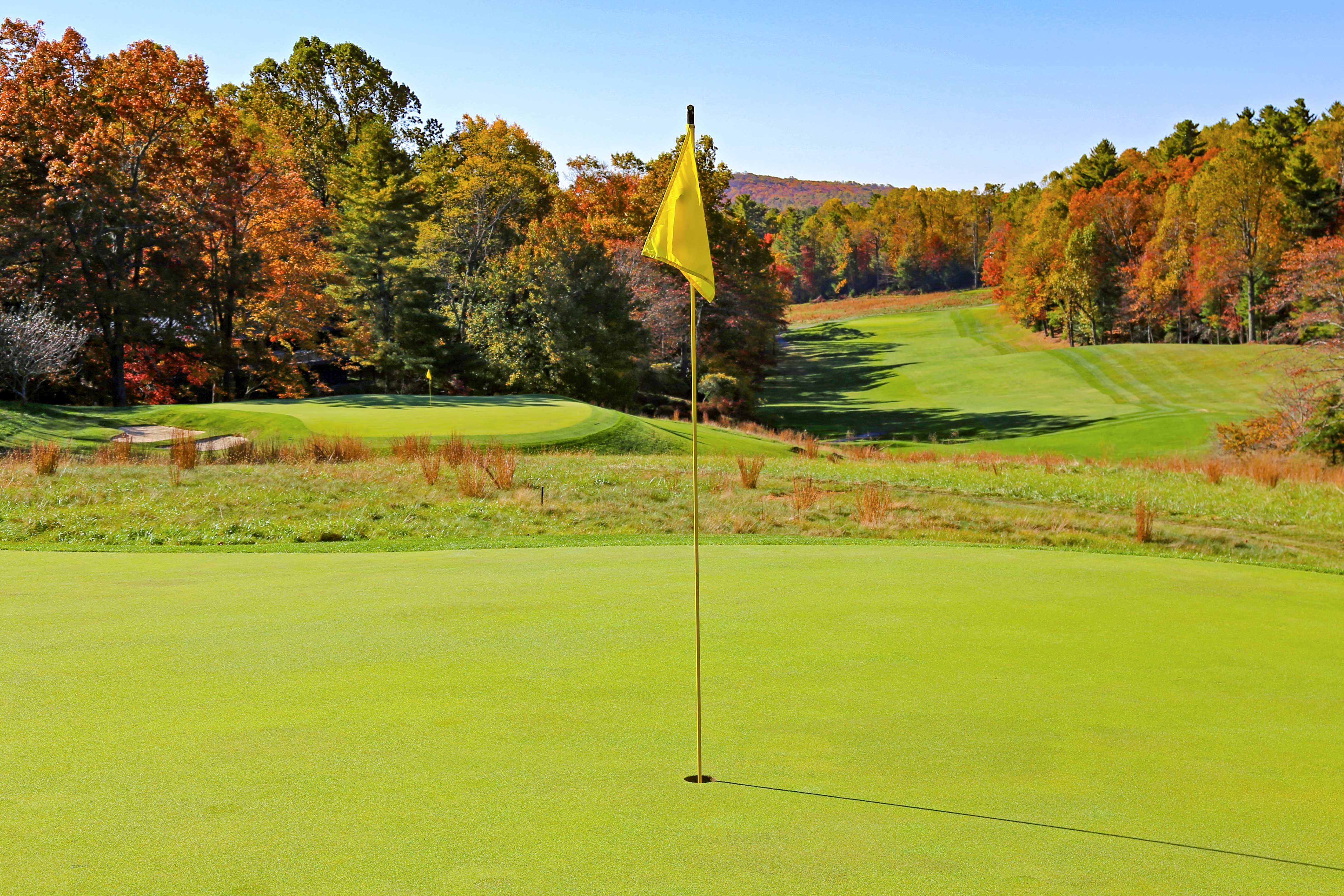
Use these steps when you need to know where is the golf course and want dependable directions.
- Search the course name in a map app.
- Confirm the city and state shown in the result.
- Compare the address with the official course website.
- Check the phone number and business hours.
- Review the route for tolls, road closures, or construction.
- Confirm whether the course is public or private.
- Call the pro shop if you need help with parking or arrival instructions.
A map pin is useful, but it is not always perfect. Some courses have more than one entrance. The main road may lead to a clubhouse, while a different entrance serves the driving range or maintenance area.
I recommend checking the route the night before a golf round. This simple habit helps you avoid arriving late, especially when the course is outside town or near a busy highway.

Why Golf Course Locations Can Be Confusing
Knowing where is the golf course can be harder than expected for several reasons. A course may use a mailing address that differs from its entrance address, or its property may cover a large area.
Some golf clubs also have similar names. For example, “Lakeside Golf Club” may appear in several cities. Searching only the club name can send you to the wrong location.
Other common causes of confusion include:
- A course listed under a former name
- A resort with several golf courses
- A private club with limited online information
- A course located inside a gated community
- A map pin placed near the clubhouse instead of the entrance
- Temporary closures caused by weather or maintenance
Course names can also change after a sale, redesign, or management change. If the map listing and the official website disagree, call the facility before you leave.

Public, Private, Resort, and Municipal Golf Courses
The type of facility affects how you find and access where is the golf course.
Public golf courses
Public courses welcome most golfers. They may be operated by a city, county, nonprofit group, or private company. Many allow online tee-time bookings.
Private golf clubs
Private clubs usually require membership or an invitation. Some allow limited guest play, charity events, or hotel partnerships. Always check access rules before driving there.
Resort golf courses
Resort courses may be open to hotel guests and outside visitors. They often have higher fees and may require advance reservations.
Municipal golf courses
Municipal courses are owned or managed by local governments. They are often convenient, affordable, and designed for a wide range of skill levels.
Practice facilities
A driving range, short-game area, or indoor simulator may appear in search results as a golf course. Check the listing carefully if you want to play a full round.
Understanding the facility type saves time. It also helps you avoid the awkward experience of arriving at a private club without a confirmed tee time.

What to Check Before You Visit
After finding where is the golf course, confirm the details that affect your visit. A course may be nearby but still unsuitable for your needs.
Check these items before leaving:
- Opening and closing times
- Tee-time availability
- Green fees and cart fees
- Dress code
- Club rental options
- Walking rules
- Weather and course conditions
- Parking location
- Practice area access
- Junior or beginner policies
You should also ask about pace-of-play rules. Many courses expect a round of 18 holes to take about four hours, although the actual time varies with course traffic and player skill.
If you are new to golf, tell the pro shop when you book. Staff can suggest a beginner-friendly tee box, a quieter time, or a shorter nine-hole course.
The United States Golf Association promotes ready golf and responsible course behavior. Simple actions, such as repairing ball marks and keeping up with the group ahead, make the experience better for everyone.

How to Get Better Directions
A good route to where is the golf course should include more than the shortest driving time. Golf facilities can sit on rural roads, mountain routes, or large private properties.
Use these practical tips:
- Start with the official street address.
- Save the destination for offline use if service may be weak.
- Add extra travel time for early morning traffic.
- Look for the clubhouse entrance, not only the course boundary.
- Follow signs once you enter the property.
- Avoid driving onto maintenance roads or cart paths.
- Confirm the parking area before carrying your clubs.
If you use a rideshare service, enter the clubhouse address and tell the driver that you need the main golf entrance. A course may have several buildings, and the nearest map pin may not be the correct drop-off point.
For tournament days, ask about shuttle buses and temporary parking. Large events often change normal traffic patterns.

Common Mistakes to Avoid
Many golfers find where is the golf course but still arrive late because they overlook one important detail: the course may have multiple entrances.
Another mistake is trusting the first online result. Search engines may show a similarly named course in another city, especially when the original course has limited reviews.
Avoid these errors:
- Booking a tee time at the wrong location
- Assuming every course is open to the public
- Ignoring seasonal hours
- Using an old address from a printed guide
- Forgetting that time zones may change during travel
- Failing to check weather-related closures
- Arriving without required identification or payment
A quick phone call can solve most of these problems. The pro shop can confirm the address, tee time, parking, and access rules in a few minutes.

A Simple Example
Imagine you are visiting a new city and search, “where is the golf course?” The results show three courses within 20 miles.
The first is a private country club. The second is a public nine-hole course near downtown. The third is a resort course 15 miles away.
Your best choice depends on your goal:
- Choose the municipal course for a low-cost public round.
- Choose the resort course for a full-service golf experience.
- Choose the private club only if you have membership access or an invitation.
This example shows why location alone is not enough. You should compare access, price, distance, facilities, and tee-time availability.
Local Knowledge and Practical Planning
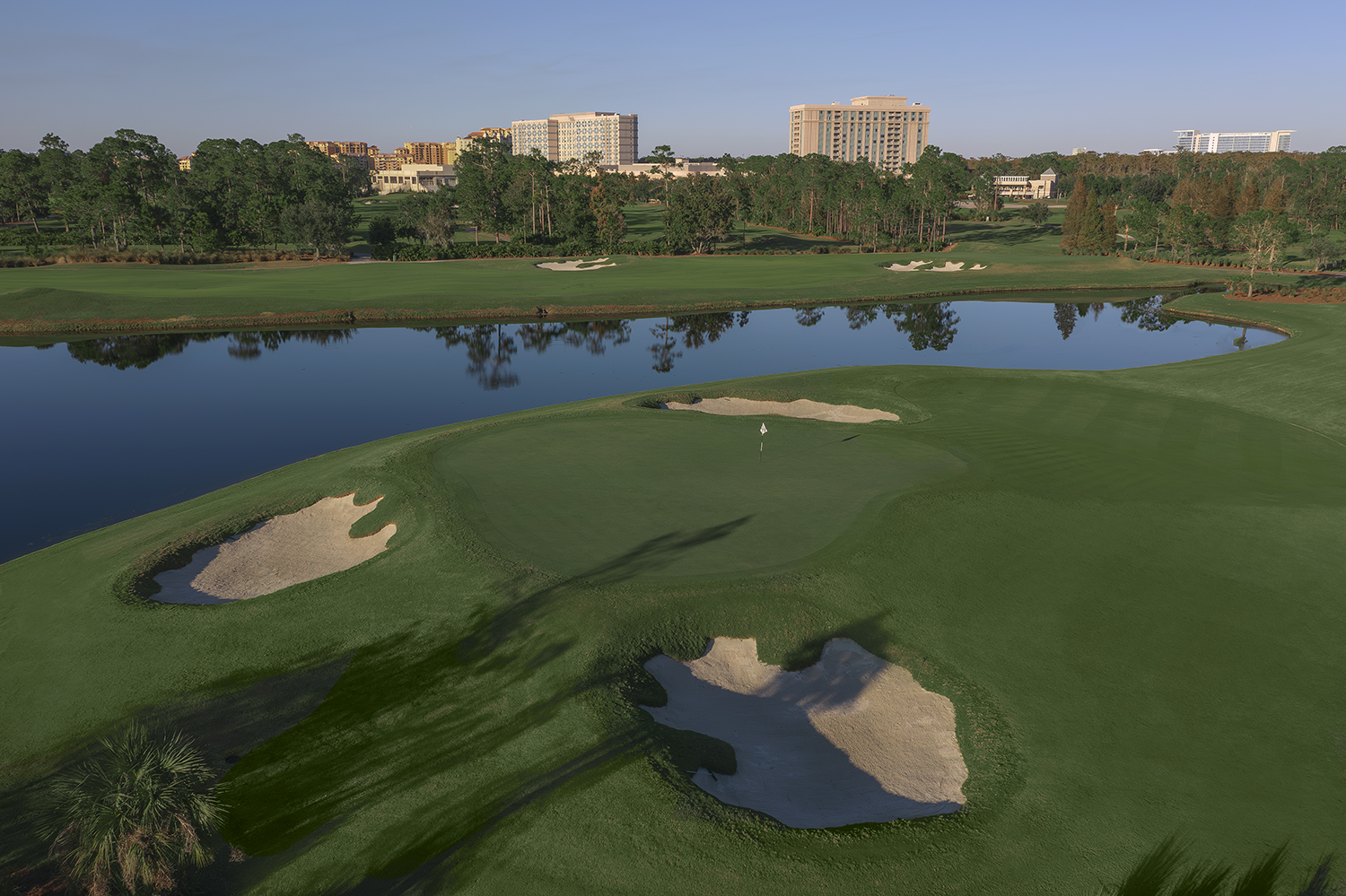
Maps provide excellent directions, but local knowledge can add useful detail. A nearby golf shop, hotel desk, or tourism office may know which courses are open, busy, beginner-friendly, or easy to reach.
When I help people plan golf outings, the most useful lesson is simple: verify the final details directly with the course. Online listings are helpful, but the pro shop knows about temporary closures, frost delays, tournaments, and unusual parking rules.
Weather is especially important. Heavy rain, lightning, frost, and extreme heat may affect play. Course staff may delay tee times even when the facility still appears open online.
Good planning is like reading a green before a putt. You look beyond the obvious line and account for conditions that may change the result.
Frequently Asked Questions About Where Is the Golf Course
How can I find the nearest golf course?
Search “golf courses near me” in a map app and check the distance, ratings, and public access details. Call the course to confirm hours and tee-time availability before you visit.
How do I find a golf course by name?
Enter the full course name along with the city and state. If several results appear, compare the official website, phone number, address, and photos.
Can I visit any golf course I find online?
No. Public courses usually accept outside golfers, but private clubs may require membership or a guest invitation. Always review the course access policy before booking.
How early should I arrive at the golf course?
Arrive 30 to 45 minutes before your tee time. This allows time to park, check in, pay fees, warm up, and reach the first tee without rushing.
What should I do if the map sends me to the wrong entrance?
Call the pro shop and ask for the clubhouse or main entrance address. Follow course signs and avoid entering restricted maintenance roads or residential areas.
How can I check whether a golf course is open?
Review the official website, current map listing, and recent social updates. For the most accurate answer, call the course directly because weather and maintenance can change operating hours.
Conclusion
Finding where is the golf course starts with a clear search, but a successful visit requires a little more planning. Confirm the city, address, public access, tee time, parking area, and current course conditions before you leave.
Use map apps for directions, official websites for details, and the pro shop for final confirmation. With these steps, you can avoid wrong turns, arrive on time, and enjoy your round with less stress. If this guide helped, share your favorite local course or explore more golf planning tips before your next tee time.

Brandon Knoxley is a sport & fitness writer and training guide contributor at MySportFitHub. He focuses on practical workouts, performance-based training, and honest fitness gear insights designed for real people and real results. Brandon is passionate about helping beginners and active individuals train smarter, avoid common mistakes, and build sustainable fitness habits.