How to Fix Bad Exercise Form As a Beginner: Ultimate Guide to Perfect Technique
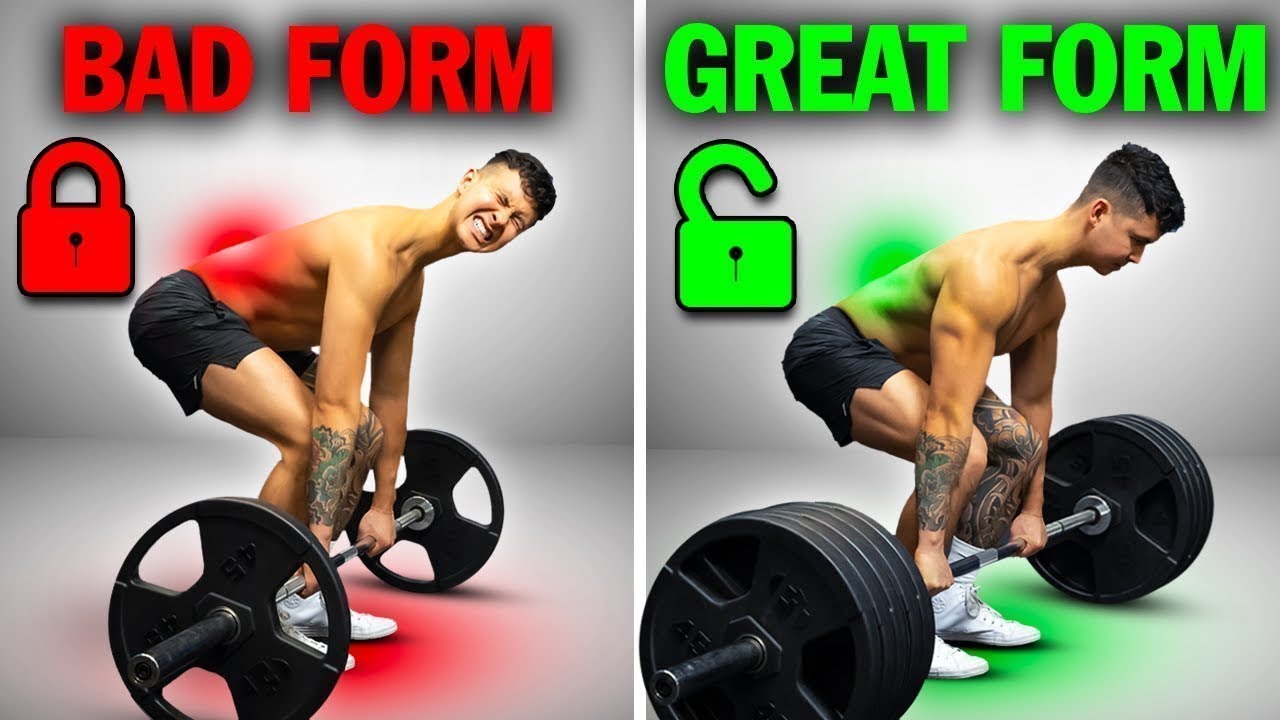
Are you struggling with bad exercise form and worried it might hold you back or cause injury? You’re not alone.
Getting your form right from the start is key to making progress and staying safe. The good news? Fixing your exercise form doesn’t have to be confusing or overwhelming. You’ll discover simple, effective tips that anyone can use to improve their technique quickly.
Keep reading, and you’ll gain the confidence to exercise smarter and see better results—without the risk of pain or setbacks.
Credit: www.youtube.com
Common Exercise Mistakes
Starting a workout routine can be exciting but also tricky. Many beginners make common mistakes that can slow progress or cause injury. Understanding these errors helps improve form and results.
Bad exercise form often comes from habits that seem small but have a big impact. Fixing these helps protect the body and makes workouts more effective.
Poor Posture
Poor posture means the body is not aligned properly during exercise. It can cause back, neck, and joint pain. Standing or sitting straight helps keep the spine safe. Focus on keeping shoulders back and chest open.
Incorrect Range Of Motion
Using the wrong range of motion means moving too little or too much. This reduces the exercise benefits. Full, controlled movements work muscles better. Avoid cutting movements short or forcing beyond comfort.
Overextending Joints
Overextending happens when joints bend too far. It puts stress on ligaments and may cause injury. Keep joints slightly bent and steady during exercises. Avoid locking elbows or knees at the end of a move.
Uneven Weight Distribution
Uneven weight distribution means putting more weight on one side of the body. It leads to muscle imbalances and pain. Spread weight evenly on both feet or hands. Check balance regularly to stay stable and safe.
Signs Of Bad Form
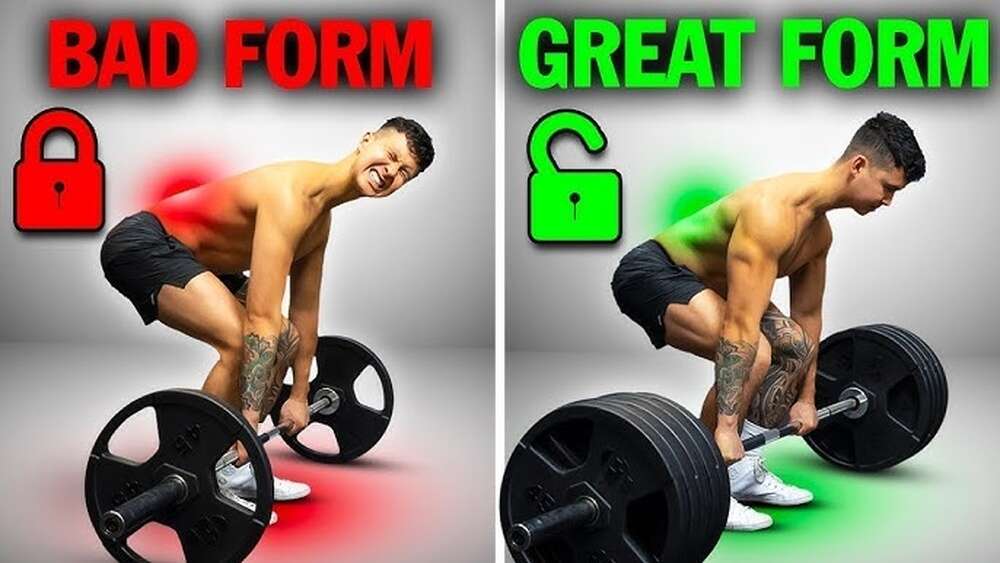
Recognizing the signs of bad exercise form helps you avoid injuries. It also improves workout results. Beginners often struggle with form without knowing it. Spotting these signs early lets you correct your movements and train safely.
Persistent Pain Or Discomfort
Pain during or after exercise is a red flag. It shows your body is under strain in the wrong way. Discomfort in joints or muscles often means poor form. Healthy workouts should not cause sharp or lasting pain.
Lack Of Muscle Engagement
You should feel the right muscles working during exercises. If certain muscles stay relaxed, your form might be off. For example, not feeling your core in a plank means poor technique. Proper muscle engagement ensures you target the correct areas.
Imbalance During Movement
Uneven movements or shifting weight to one side indicates bad form. You might lean, twist, or favor one limb. These imbalances increase injury risk and reduce workout effectiveness. Balanced form keeps your body aligned and strong.
Difficulty Maintaining Stability
Struggling to hold a position or control a movement signals weak form. Wobbling or losing balance shows your muscles are not coordinated. Good form helps maintain stability and control throughout each exercise. Stability supports better performance and safety.
Essential Warm-up Techniques
Warming up is a key step before any workout. It helps prepare your body and mind for exercise. Proper warm-up reduces injury risk and improves your form. Using the right warm-up techniques sets a strong foundation for better movement.
Dynamic Stretching
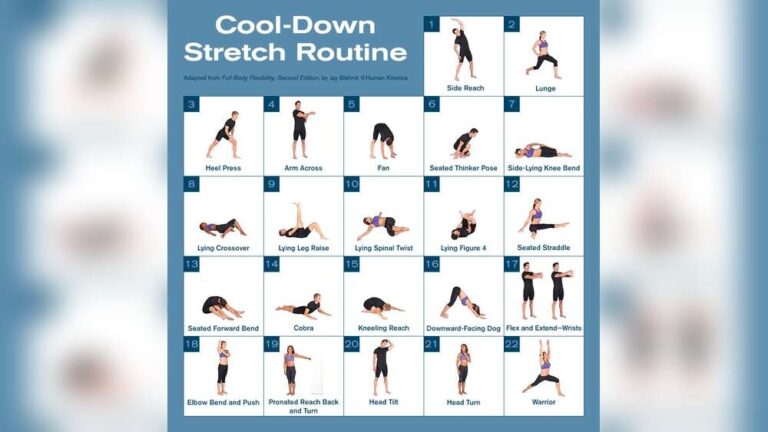
Dynamic stretching involves moving your muscles through full ranges of motion. It warms up your muscles and increases blood flow. Simple moves like leg swings, arm circles, and torso twists work well. These stretches prepare your body for more intense exercise. Avoid holding still stretches before your workout.
Joint Mobility Exercises
Joint mobility exercises help loosen stiff joints. These exercises focus on controlled, gentle movements of your ankles, hips, shoulders, and wrists. Try ankle circles, hip openers, or wrist rolls. Good joint mobility improves your exercise form and reduces pain. It also helps your body move smoothly and safely.
Activating Key Muscle Groups
Activating muscles means waking them up before exercise. Target muscles you will use during your workout. For example, do glute bridges to activate your butt muscles. Perform scapular squeezes for upper back activation. This step ensures your muscles work properly and support good form. It prepares your body for safe and effective exercise.
Step-by-step Form Correction
Fixing bad exercise form takes patience and focus. Step-by-step form correction helps beginners build good habits. This method breaks down movements into easy parts. It allows you to practice safely and gain confidence.
Start With Bodyweight Movements
Begin with exercises that use only your body weight. Squats, lunges, and push-ups are great choices. These moves teach control and balance. You can focus on your posture without extra weight.
Slow Down Your Reps
Perform each repetition slowly and with control. Slowing down helps you feel each movement. It highlights mistakes and stops bad habits from forming. Slow reps improve muscle control and stability.
Use Mirrors Or Video Feedback
Watch yourself in a mirror while exercising. Mirrors give immediate feedback on your form. Recording video lets you review your movement later. Both tools help spot errors and track progress.
Focus On Core Engagement
Your core supports almost every exercise. Tighten your abs and lower back muscles during moves. A strong core keeps your body stable and balanced. This focus reduces injury risk and improves form.
Tools To Improve Technique
Improving your exercise form is key to safe and effective workouts. Using the right tools can help you learn and practice proper technique. These tools guide your movements, build strength, and increase body awareness. They make correcting your form easier and more fun.
Resistance Bands
Resistance bands add controlled tension to your exercises. They help you practice correct muscle engagement. Bands also improve your range of motion and joint stability. Beginners can use them to slow down movements and focus on form. They are lightweight and easy to carry anywhere.
Foam Rollers
Foam rollers release muscle tightness and improve flexibility. They prepare your muscles for better movement patterns. Using a foam roller before workouts can reduce soreness and stiffness. This leads to smoother, safer exercise form. Rollers are simple tools that support recovery and mobility.
Balance Trainers
Balance trainers challenge your stability and core strength. They teach body control and coordination during exercises. Using balance tools helps fix posture and alignment problems. They train small muscles that keep your body steady. This improves your overall exercise technique and reduces injury risk.
Mobile Apps And Wearables
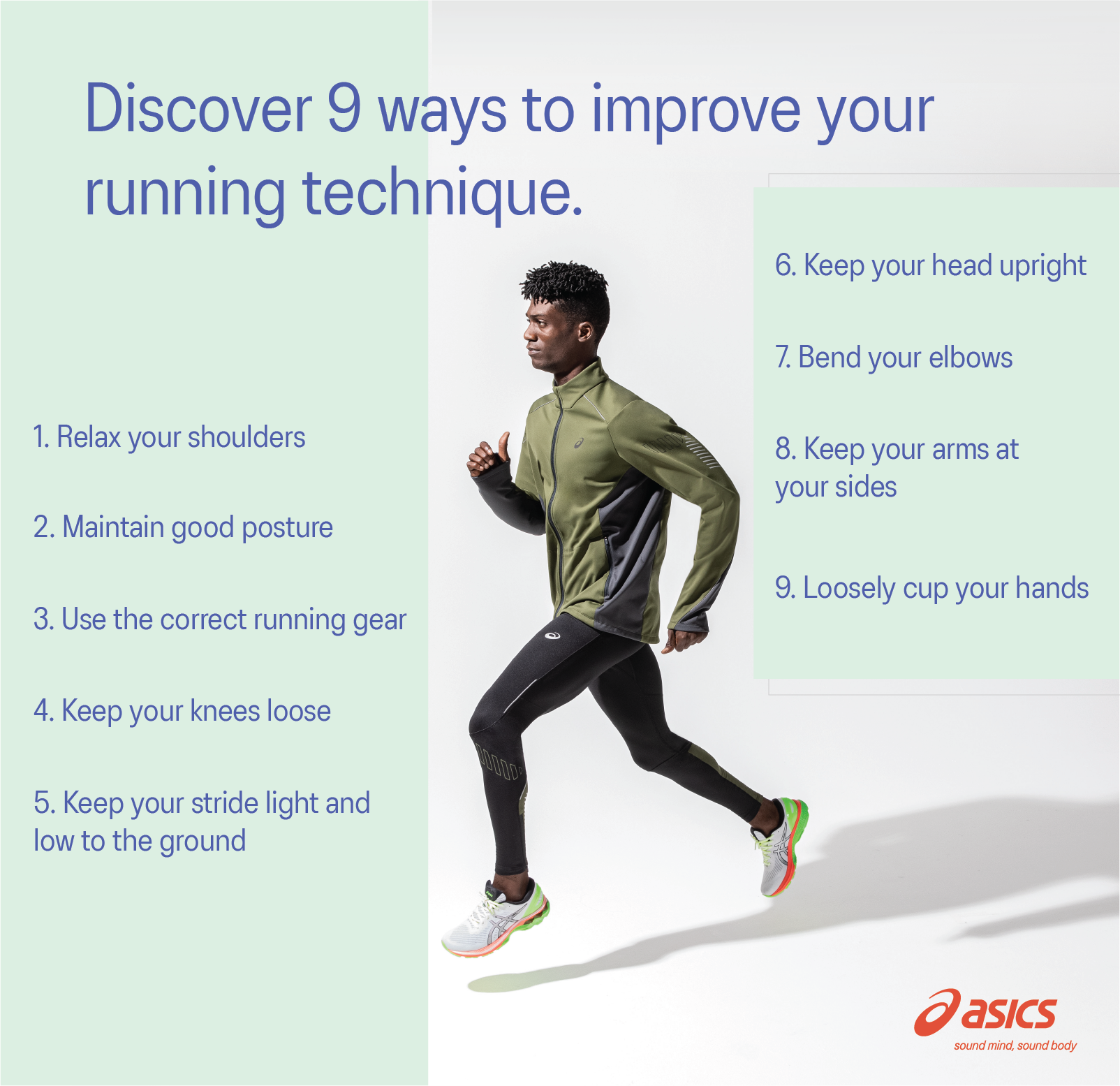
Mobile apps offer video guides and form feedback in real time. They help you track progress and spot mistakes quickly. Wearable devices monitor your movement patterns and provide alerts. These digital tools make practicing good form easier at home or gym. They motivate consistent improvement and better exercise habits.
Credit: www.asics.com
Role Of Professional Guidance
Bad exercise form can cause injuries and slow progress. Professional guidance helps beginners learn the right way to move. Experts see your mistakes and correct them early. This support builds good habits that last a lifetime.
Professionals offer clear advice and safe techniques. They teach you how to protect your body while exercising. With their help, you gain confidence and avoid common errors.
Working With Personal Trainers
Personal trainers watch your form closely during workouts. They give instant feedback to fix mistakes. Trainers design exercises that fit your body type and goals. They show you how to breathe and move properly. This one-on-one help speeds up your learning process.
Attending Group Classes
Group classes offer a chance to learn in a social setting. Instructors guide the whole group and correct form. Seeing others helps you understand proper techniques. Group energy keeps you motivated and consistent. Classes cover various exercises to improve your skills broadly.
Seeking Physical Therapy Advice
Physical therapists help if pain or injury affects your form. They assess your body and find weak areas. Therapists teach exercises to improve strength and flexibility. Their advice prevents further injury and aids recovery. Follow their guidance to exercise safely and effectively.
Progress Tracking And Adjustments
Tracking your progress and making adjustments are key to fixing bad exercise form. Progress tracking helps you see how far you have come. It also shows what needs change to improve your form and avoid injuries.
Adjustments based on progress keep your workouts safe and effective. This process requires clear records, realistic goals, and honest self-assessment. Each part helps you move forward steadily.
Recording Workouts
Write down your exercises, weights, and reps every session. Note any discomfort or form issues you notice. This record helps identify patterns and areas needing focus.
Use a notebook or app to keep track. Review your notes regularly to spot progress or problems. Consistent recording builds awareness and guides improvements.
Setting Realistic Goals
Create small, clear goals for your form and strength. Avoid aiming too high too fast. Goals like improving posture or increasing reps slowly work best.
Realistic goals keep motivation steady and reduce frustration. They help you focus on correct form rather than rushing progress. Adjust goals as you improve or face challenges.
Regular Self-assessment
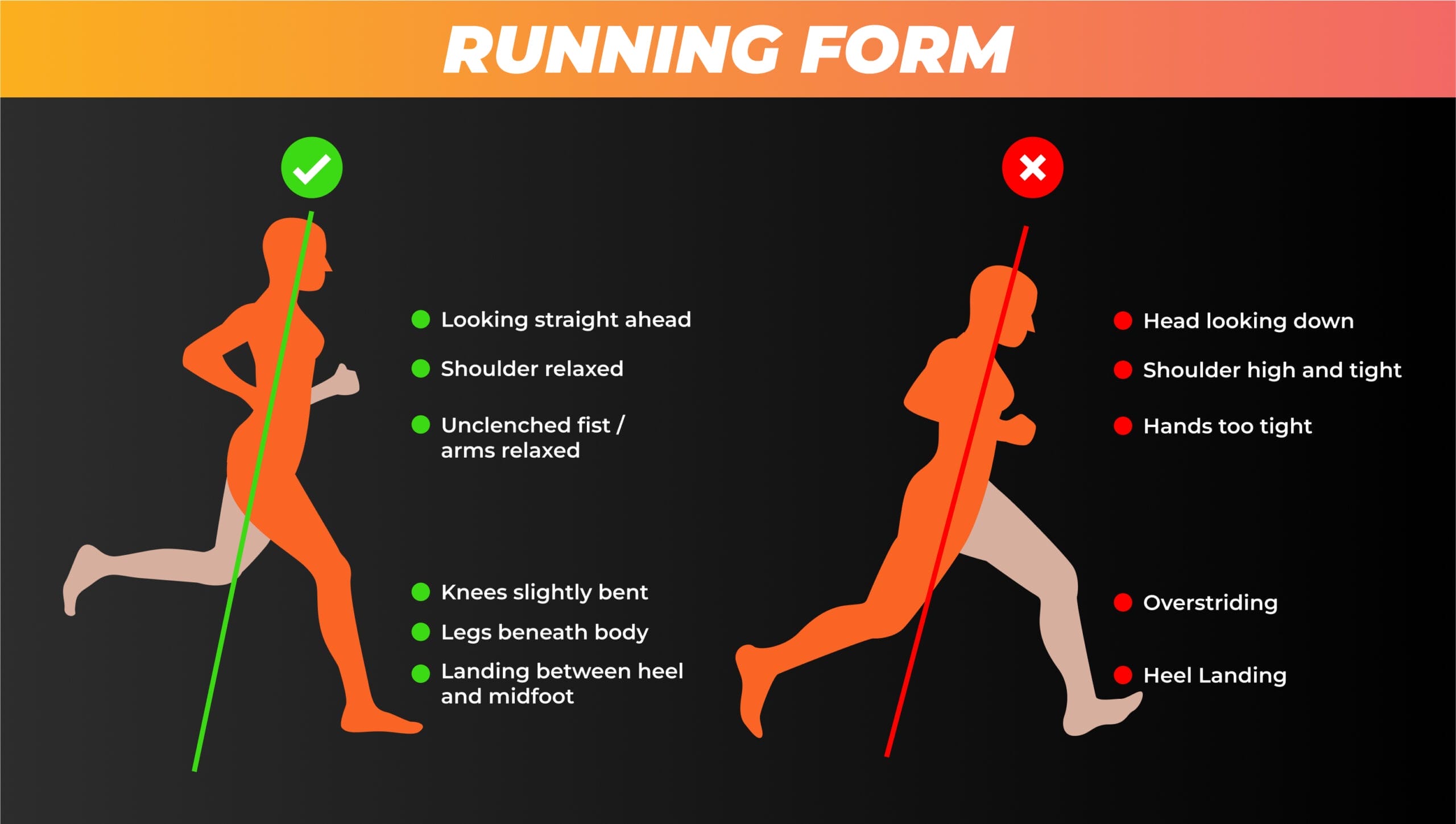
Check your form often during workouts. Use mirrors, videos, or a trainer for feedback. Honest self-assessment helps catch errors early.
Ask yourself if movements feel natural and controlled. Fix mistakes before they become habits. Regular checks build good habits and protect your body.
Credit: rundna.com
Avoiding Common Pitfalls
Starting exercise with the right form is important. Many beginners face common mistakes that slow progress or cause injury. Avoiding these pitfalls helps you build good habits early. Focus on safe, steady steps to improve your technique and enjoy your workouts more.
Rushing Progress
Moving too fast leads to poor form. Trying heavy weights or complex moves too soon causes mistakes. Take time to learn each step. Practice slowly and focus on correct posture. Gradual progress builds strength and confidence safely.
Ignoring Pain Signals
Pain is the body’s way to warn you. Ignoring it can worsen injuries and damage muscles. Stop if something hurts sharply or feels wrong. Rest and check your form. Seek advice if pain continues. Listening to your body prevents serious problems.
Neglecting Recovery
Rest days are important for muscle repair. Skipping recovery can cause fatigue and poor form. Sleep well and eat healthy foods. Give your muscles time to heal. Recovery helps you perform better and avoid injury.
Overtraining
Exercising too much leads to burnout and injury. Balance workouts with rest and variety. Focus on quality, not quantity. Overtraining weakens muscles and slows progress. Keep a steady routine and pay attention to how you feel.
Frequently Asked Questions
How Can Beginners Identify Bad Exercise Form?
Beginners can spot bad form by watching themselves in a mirror or recording their workout. They should focus on alignment, posture, and controlled movements. Consulting a trainer for feedback helps correct mistakes early and prevents injury.
What Are Simple Tips To Fix Bad Exercise Form?
Start with lighter weights and slower movements to master the technique. Use mirrors or videos to self-correct. Focus on core engagement and breathing. Gradually increase intensity as your form improves for safer workouts.
Why Is Fixing Bad Exercise Form Important For Beginners?
Proper form prevents injuries and ensures muscles work effectively. It boosts workout results and builds a strong foundation for advanced exercises. Fixing form early saves time and promotes long-term fitness success.
How Often Should Beginners Check Their Exercise Form?
Beginners should check their form every workout session. Frequent monitoring helps catch mistakes before they become habits. Use mirrors, videos, or trainer feedback regularly to maintain proper technique.
Conclusion
Fixing bad exercise form takes time and focus. Practice each move slowly and watch your body closely. Ask for help when unsure. Small changes lead to big improvements. Stay patient and keep working on your technique. Good form helps prevent injuries and makes workouts better.
Remember, progress is more important than perfection. Keep moving, stay consistent, and enjoy the process. Your body will thank you.

Brandon Knoxley is a sport & fitness writer and training guide contributor at MySportFitHub. He focuses on practical workouts, performance-based training, and honest fitness gear insights designed for real people and real results. Brandon is passionate about helping beginners and active individuals train smarter, avoid common mistakes, and build sustainable fitness habits.