How to Lift Weights Safely for Beginners: Essential Tips Guide
Are you ready to start lifting weights but worried about doing it wrong? Lifting weights can be a powerful way to build strength, boost your confidence, and improve your health.
But if you don’t know how to lift safely, you risk injury and frustration. This guide will show you simple, clear steps to lift weights the right way from day one. By the end, you’ll feel confident and ready to make steady progress without hurting yourself.
Keep reading to learn how to protect your body and get the most from every workout.
Benefits Of Weight Lifting
Weight lifting offers many benefits beyond just building muscle. It helps improve overall health and body strength. Beginners who start with safe techniques will enjoy these advantages steadily.
Regular weight lifting can boost energy levels and mood. It supports better bone health and helps prevent injuries. The body becomes stronger and more resilient over time.
Builds Muscle And Strength
Weight lifting helps muscles grow and become stronger. Strong muscles make daily tasks easier. This can improve balance and reduce the risk of falls.
Improves Bone Health
Lifting weights increases bone density. Strong bones lower the chance of fractures. This is especially important as people age.
Supports Weight Management
Muscle burns more calories than fat. Weight lifting helps increase metabolism. This assists in controlling body weight effectively.
Enhances Mental Health
Exercise releases feel-good chemicals in the brain. Weight lifting reduces stress and anxiety. It can boost confidence and self-esteem.
Increases Functional Fitness
Stronger muscles help with everyday activities. Lifting weights improves posture and coordination. This leads to better movement and less pain.
Choosing The Right Equipment
Choosing the right equipment is the first step in safe weight lifting for beginners. The right tools help you build strength without injury. It also makes workouts easier and more effective. Understanding different equipment options helps you decide what suits your needs and goals.
Free Weights Vs Machines
Free weights include dumbbells, barbells, and kettlebells. They require balance and control. This helps improve muscle coordination and stability. Machines guide your movement, making exercises easier to perform. They reduce the risk of wrong form. Beginners may find machines less intimidating. Free weights give more freedom but need proper technique.
Selecting Suitable Weight
Start with light weights to learn correct form. Choose a weight that feels challenging but not too hard. You should complete 10-15 repetitions without strain. Increase weight slowly as you get stronger. Avoid lifting weights that cause pain or discomfort. Proper weight selection helps prevent injuries and improves progress.
Proper Warm-up Techniques
Proper warm-up techniques prepare your body for lifting weights. They reduce injury risk and improve performance. Warming up increases blood flow to muscles and raises your heart rate. It helps your muscles move more easily and prevents strains.
Dynamic Stretching
Dynamic stretching means moving your body through gentle, controlled motions. It warms up muscles and joints without holding a stretch. Try leg swings, arm circles, or walking lunges. These movements loosen tight muscles and improve flexibility. Dynamic stretching helps your body get ready for lifting weights safely.
Light Cardio
Light cardio raises your heart rate slowly before lifting. Good options include walking, jogging, or cycling for 5 to 10 minutes. This boosts blood flow and warms muscles. Light cardio prepares your heart and lungs for exercise. It makes weight lifting feel easier and reduces fatigue.
Mastering Basic Lifts
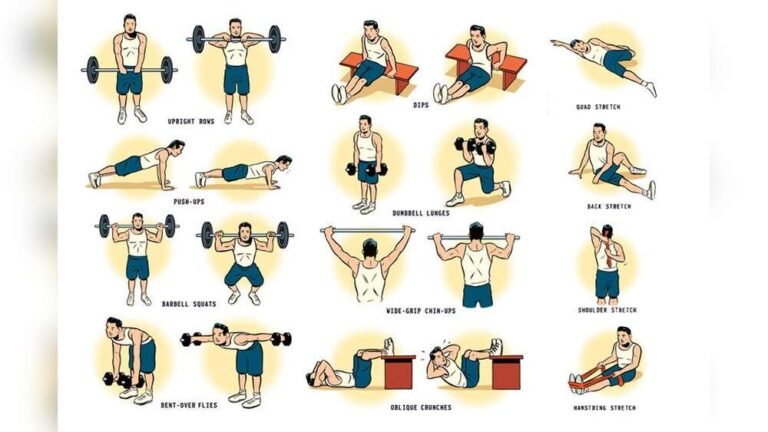
Learning how to lift weights safely starts with knowing the basic lifts. These lifts build strength and improve your form. They also help prevent injury. Focus on proper technique and steady progress. Practice each move slowly. Feel your muscles work. This builds confidence and control.
Squats
Squats strengthen your legs and core. Stand with feet shoulder-width apart. Keep your back straight. Lower your hips as if sitting on a chair. Stop when your thighs are parallel to the floor. Push through your heels to stand up. Avoid letting your knees go past your toes. Start with body weight before adding weights.
Deadlifts
Deadlifts target your back, legs, and hips. Stand with feet hip-width apart. Hold the barbell with hands just outside your legs. Keep your back flat and chest up. Lift by straightening your hips and knees. Do not round your back. Lower the bar slowly. Use light weights to learn the form.
Bench Press
The bench press works your chest and arms. Lie on the bench with feet flat on the floor. Grip the bar slightly wider than shoulder-width. Lower the bar to your chest slowly. Push the bar back up until your arms are straight. Keep your wrists straight. Use a spotter if lifting heavy.
Overhead Press
This lift strengthens your shoulders and arms. Stand with feet shoulder-width apart. Hold the bar at shoulder height with palms facing forward. Press the bar straight overhead. Do not arch your back. Lower the bar slowly to your shoulders. Start with light weights to keep control.
Maintaining Correct Form
Maintaining correct form is essential for safe weight lifting. Proper form helps prevent injuries and improves workout results. Beginners should focus on form before increasing weight. This builds a strong foundation and good habits.
Posture Tips
Keep your back straight and avoid rounding your shoulders. Stand with feet shoulder-width apart for better balance. Tighten your core muscles to support your spine. Look straight ahead, not down or up. This keeps your neck aligned with your spine.
Breathing Patterns
Breathe out as you lift the weight. Breathe in as you lower it back down. Controlled breathing helps maintain strength and focus. Avoid holding your breath during any part of the lift. This keeps your blood pressure stable and muscles oxygenated.

Credit: www.georgiamtc.com
Creating A Beginner Workout Plan
Creating a beginner workout plan is key to lifting weights safely. A clear plan helps build strength and avoid injury. Start with simple routines and steady progress. Focus on good form and consistency. A solid plan sets a strong foundation for future gains.
Frequency And Rest
Train two to three times each week. This gives muscles time to recover. Rest days are just as important as workouts. Muscles grow during rest, not exercise. Avoid training the same muscle group two days in a row. Balance workout days with rest days.
Progressive Overload
Gradually increase the weight you lift. Add small amounts of weight every week or two. This challenges muscles and helps them grow. Avoid jumping to heavy weights too fast. Listen to your body and progress slowly. Consistent, small steps lead to steady strength gains.
Avoiding Common Mistakes
Lifting weights can improve strength and health. Beginners often make mistakes that slow progress or cause injury. Avoiding these errors helps keep you safe and confident. Focus on smart habits and listen to your body.
Overtraining
Training too much can tire your muscles and joints. Rest days are important to let your body recover. Overtraining increases the risk of injury and reduces strength gains. Follow a balanced schedule with enough breaks.
Ignoring Pain
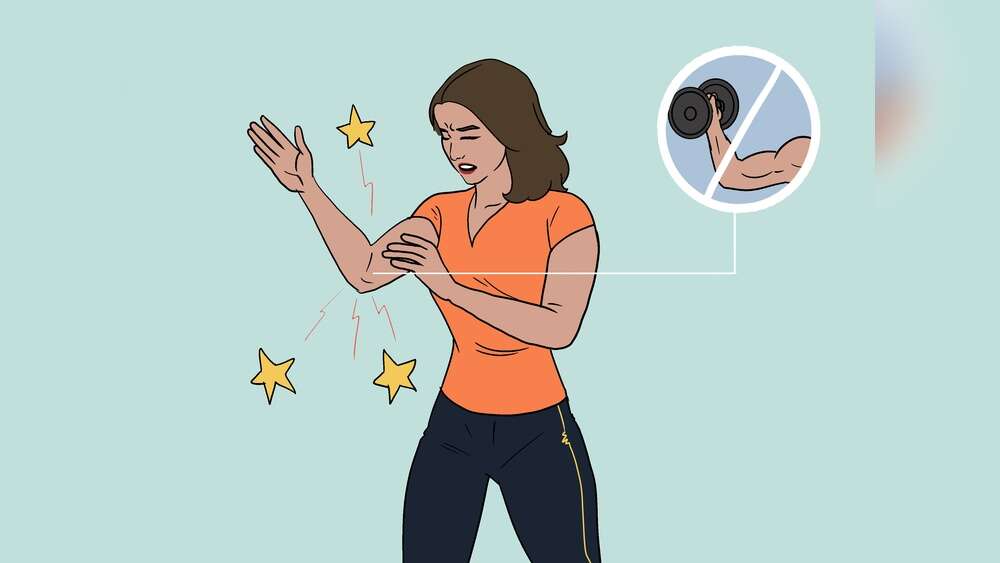
Pain is your body’s warning sign. Do not push through sharp or persistent pain. Stop the exercise and check the cause. Ignoring pain can lead to serious injuries. Use pain as a guide to adjust your workout.
Using Excessive Weight
Choosing weights that are too heavy causes poor form. Bad form increases injury risk and lowers exercise benefits. Start with light weights and increase gradually. Focus on controlled movements and correct posture for best results.
Safety Measures And Spotting
Lifting weights can build strength and improve health. Safety is key to avoid injuries. Beginners must learn proper safety measures and spotting techniques.
Understanding how to protect yourself helps you lift with confidence. Spotting provides support during heavy lifts. Using safety equipment adds extra protection.
Using A Spotter
A spotter stands close to help if you struggle. They watch your form and catch the weight if needed. Always ask a spotter to stay focused and ready. Communication is important. Tell your spotter when you start and finish each set. Spotters reduce risk and boost your safety.
Safety Equipment
Use safety gear to protect your body. Weightlifting belts support your lower back during heavy lifts. Wrist wraps stabilize your wrists and prevent strain. Use collars or clips to secure weights on bars. Proper shoes provide good grip and balance. Inspect equipment before each workout. Safe gear lowers injury chances and improves performance.
Recovery And Nutrition Tips
Recovery and nutrition are key parts of lifting weights safely. They help your muscles heal and grow stronger. Without good recovery and food, your body stays tired and weak. Beginners must pay attention to what they eat and how they rest after workouts.
Post-workout Nutrition
Eating right after lifting weights fuels your muscles. Protein helps repair muscle fibers that break during exercise. Aim for 20 to 30 grams of protein within 30 to 60 minutes after your workout.
Carbohydrates refill energy stores in your muscles. Choose simple carbs like fruit or a small sandwich for quick energy. Avoid heavy or greasy foods that slow digestion.
Water is important to replace fluids lost by sweating. Drink plenty of water after your session to stay hydrated.
Rest And Sleep
Rest days are just as important as workout days. Your muscles grow and get stronger when you rest. Avoid working the same muscle groups two days in a row.
Sleep helps your body recover deeply. Aim for 7 to 9 hours each night. Good sleep reduces soreness and improves your energy for the next workout.
Create a quiet, dark, and cool sleep space. Avoid screens at least one hour before bed to improve sleep quality.

Credit: www.wikihow.com

Credit: shopvitality.com
Frequently Asked Questions
How Do Beginners Start Weight Lifting Safely?
Beginners should start with light weights to learn proper form. Focus on controlled movements and avoid rushing. Warm up before lifting and cool down afterward. Gradually increase weight to prevent injury and build strength steadily.
What Are The Best Safety Tips For Lifting Weights?
Always use proper form and posture to avoid injury. Use a spotter for heavy lifts and don’t lift beyond your capacity. Warm up muscles before starting and stretch after workouts. Rest between sessions to allow recovery.
How Often Should Beginners Lift Weights Weekly?
Beginners should lift weights 2 to 3 times per week. This allows muscles to recover and grow stronger. Avoid daily heavy lifting to prevent overtraining and injury. Combine with rest days and light cardio for balanced fitness.
Why Is Warming Up Important Before Weight Lifting?
Warming up increases blood flow and loosens muscles. It reduces the risk of strains and injuries during lifting. A proper warm-up prepares your body for the workout intensity. Spend 5-10 minutes on light cardio and dynamic stretches.
Conclusion
Lifting weights safely helps you build strength and avoid injury. Start with light weights and learn the right form. Take your time to rest between sets and listen to your body. Use a spotter when lifting heavy weights for extra safety.
Keep your movements slow and controlled. Practicing these steps makes weightlifting easier and safer every day. Stay consistent and patient. Enjoy your fitness journey with confidence and care.

Brandon Knoxley is a sport & fitness writer and training guide contributor at MySportFitHub. He focuses on practical workouts, performance-based training, and honest fitness gear insights designed for real people and real results. Brandon is passionate about helping beginners and active individuals train smarter, avoid common mistakes, and build sustainable fitness habits.