How to Fix Lower Back Stiffness Beginners: Easy Steps to Relief
Are you tired of waking up with a stiff lower back that makes even simple movements painful? Lower back stiffness can hold you back from enjoying daily activities and feeling your best.
The good news is, you don’t have to live with this discomfort. You’ll discover easy and effective ways to relieve your lower back stiffness, even if you’re just starting out. Keep reading to learn simple steps that can help you move more freely and feel better fast.
Your back will thank you!

Credit: www.youtube.com
Causes Of Lower Back Stiffness
Lower back stiffness can make daily tasks hard and uncomfortable. Understanding what causes this stiffness helps beginners prevent and reduce it. Many factors play a role in lower back stiffness. Some are easy to fix, while others need more care. Knowing the causes helps you take better care of your back.
Common Triggers For Beginners
Beginners often face lower back stiffness from sudden or unusual activities. Sitting for long hours without moving can tighten muscles. Lifting heavy objects without proper form strains the back. Starting new exercises too fast can also cause stiffness. These triggers make the muscles and joints less flexible.
Impact Of Poor Posture
Poor posture is a major cause of lower back stiffness. Slouching or leaning forward puts extra pressure on the spine. This pressure causes muscles to become tight and tired. Over time, poor posture weakens the back muscles. Good posture helps keep the spine aligned and muscles relaxed.
Role Of Muscle Imbalance
Muscle imbalance happens when some muscles are stronger than others. In the lower back, this can lead to stiffness and pain. Weak abdominal muscles strain the back muscles more. Tight hip flexors pull the pelvis out of position. Balancing muscle strength improves flexibility and reduces stiffness.
Simple Stretches To Start
Starting with simple stretches can ease lower back stiffness. These stretches help increase blood flow and improve flexibility. They are gentle and suitable for beginners. Doing them regularly can reduce pain and stiffness over time.
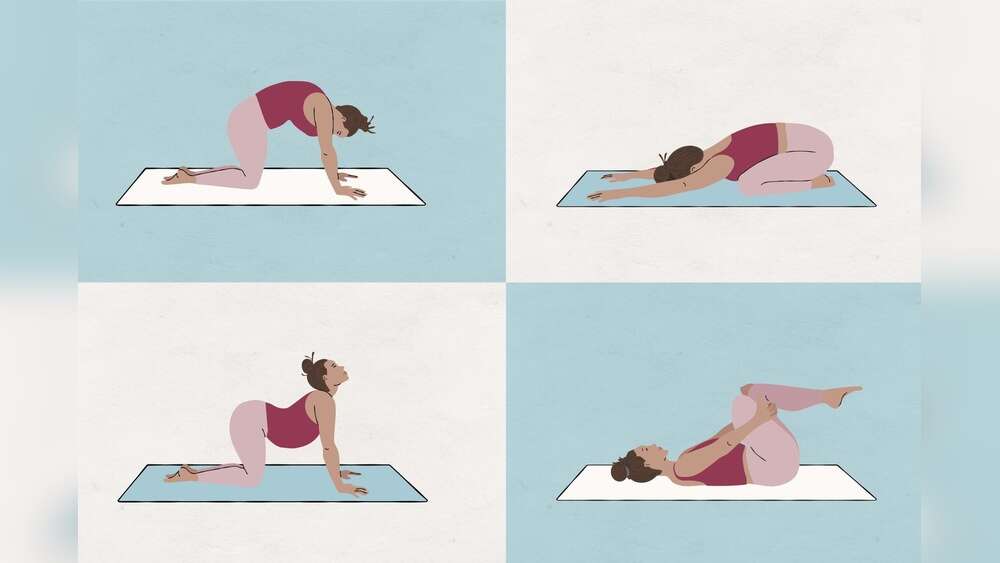
Cat-cow Stretch
Begin on your hands and knees. Arch your back slowly, lifting your head and tailbone upward. Then, round your back, tucking your chin and tailbone. Repeat this motion 8 to 10 times. It warms up the spine and relieves tension.
Child’s Pose
Start by sitting back on your heels. Stretch your arms forward on the floor. Lower your forehead to the ground. Hold this position for 20 to 30 seconds. This stretch gently lengthens the lower back and hips.
Knee-to-chest Stretch
Lie flat on your back. Pull one knee toward your chest using your hands. Keep the other leg straight on the floor. Hold for 20 seconds and switch legs. This stretch loosens tight lower back muscles.
Strengthening Exercises
Strengthening exercises help reduce lower back stiffness by building muscle support. Strong muscles keep your spine stable and reduce pain. These exercises are gentle and easy for beginners. They improve flexibility and boost your movement.
Pelvic Tilts
Lie on your back with knees bent and feet flat. Tighten your stomach muscles and press your lower back into the floor. Hold for a few seconds, then relax. Repeat 10 to 15 times. This exercise strengthens your lower back and core muscles.
Bridge Exercise
Lie on your back with knees bent and feet hip-width apart. Lift your hips toward the ceiling while squeezing your glutes. Keep your back straight. Hold for a few seconds and slowly lower down. Repeat 10 to 15 times. This move strengthens your glutes and lower back.
Bird Dog Movement
Start on hands and knees, keeping your back flat. Extend your right arm forward and left leg backward. Hold for a few seconds, then return to start. Switch sides and repeat. Do 10 to 15 repetitions each side. This exercise improves balance and strengthens your core and back.
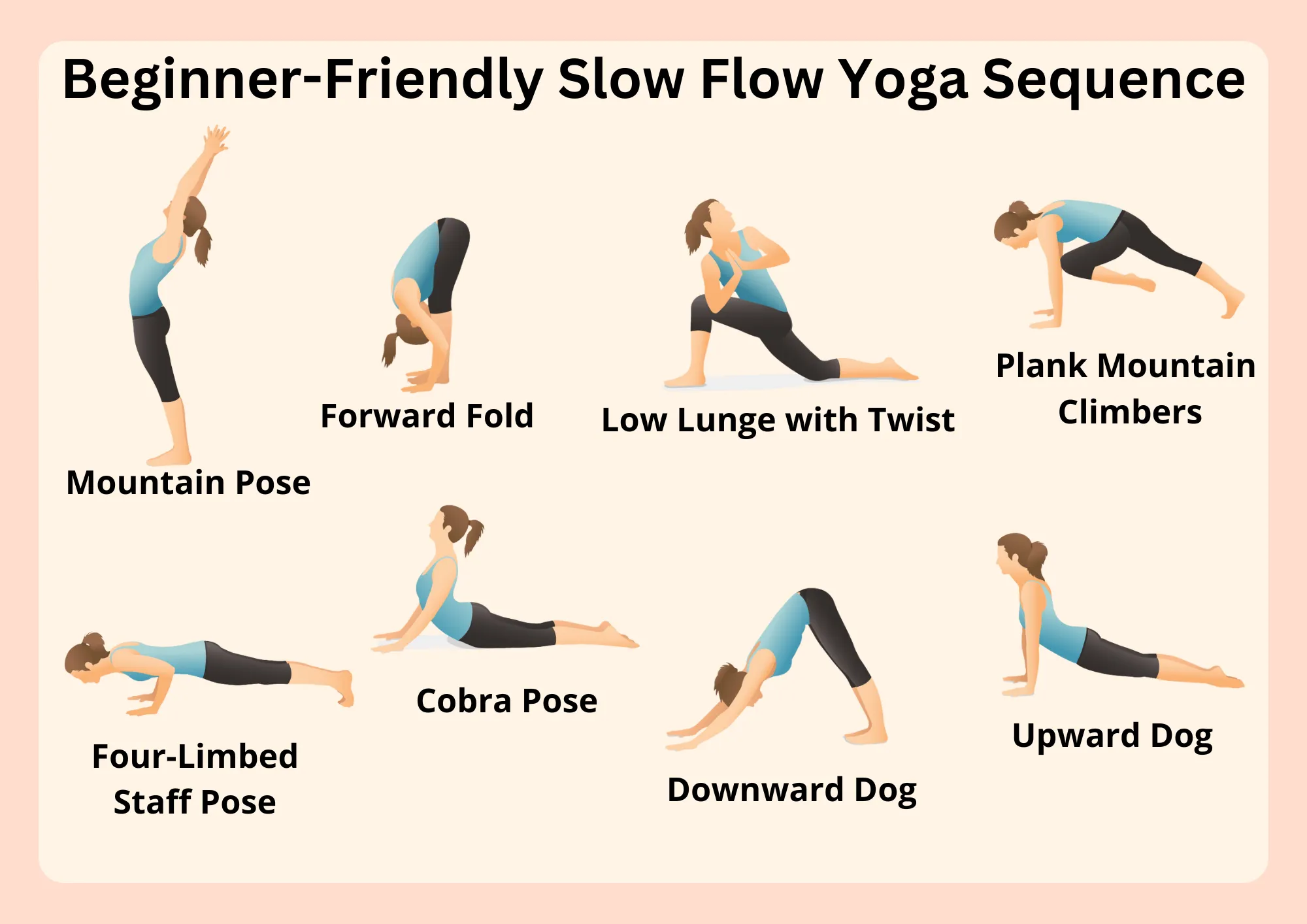
Credit: myyogateacher.com
Daily Habits For Relief
Daily habits play a big role in easing lower back stiffness. Small changes in how you sit, move, and sleep can bring relief. These habits protect your back and help it feel better every day.
Ergonomic Sitting Tips
Sit with your feet flat on the floor. Keep your knees at a 90-degree angle. Use a chair that supports your lower back. Avoid slouching or leaning forward. Keep your shoulders relaxed and back straight. Take time to adjust your chair and desk for comfort.
Importance Of Movement Breaks
Stay active by taking short breaks every hour. Stand up, stretch, or walk around for a few minutes. Movement helps keep your back muscles flexible. It also improves blood flow and reduces stiffness. Set a timer to remind yourself to move regularly.
Proper Sleeping Positions
Sleep on your side with a pillow between your knees. This position keeps your spine aligned. Avoid sleeping on your stomach as it strains the back. Use a mattress that supports your body well. Keep your neck in a neutral position with a good pillow.
When To Seek Professional Help
Lower back stiffness can sometimes improve with simple home care. Yet, there are moments when professional help is necessary. Recognizing these moments can prevent further problems. Knowing who to consult and what to expect helps you take quick action. This section guides you through signs to watch for, types of healthcare providers, and treatment expectations.
Warning Signs To Watch For
Severe pain that does not improve in a few days is a warning sign. Pain spreading to legs or causing numbness needs attention. Sudden weakness or loss of bladder control signals an emergency. Fever with back pain may indicate infection. If you have these symptoms, seek help immediately.
Types Of Healthcare Providers
Primary care doctors can assess and treat many back issues. Physical therapists guide exercises to reduce stiffness and improve strength. Chiropractors focus on spinal adjustments to ease pain. Orthopedic specialists handle serious bone and joint problems. Pain management doctors offer treatments for chronic pain. Choose a provider based on your symptoms and needs.
What To Expect In Treatment
Treatment begins with a full assessment of your back. Providers may use X-rays or scans to find the cause. Therapy often includes exercises to improve flexibility and strength. Pain relief methods may involve medication or manual therapy. Some cases need injections or surgery. Follow the plan carefully for best results.
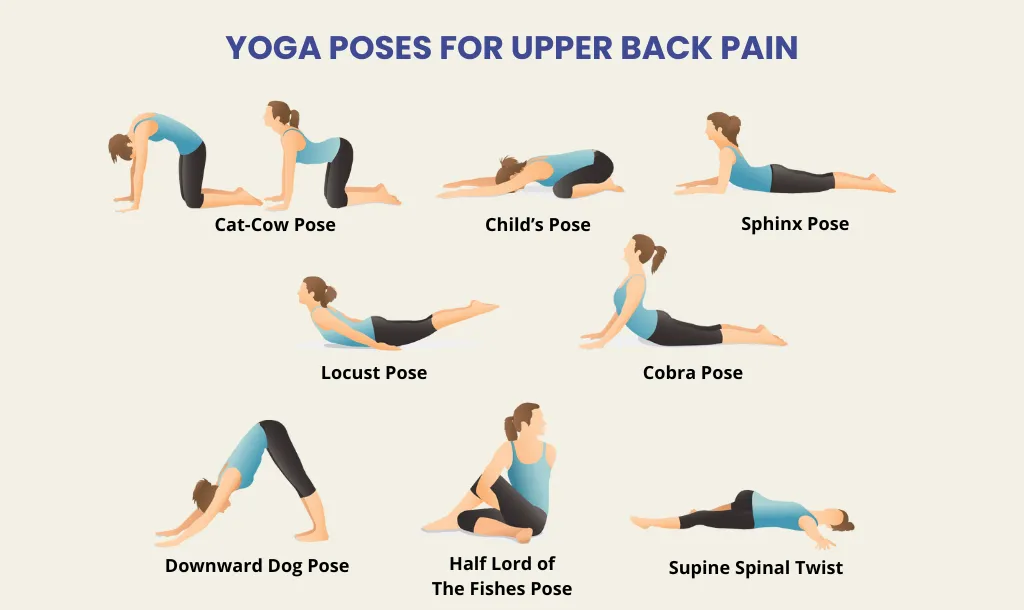
Credit: myyogateacher.com
Frequently Asked Questions
How Can Beginners Relieve Lower Back Stiffness Quickly?
Beginners can relieve lower back stiffness by gentle stretching and light exercise. Applying heat or cold packs also helps. Maintaining good posture and avoiding prolonged sitting reduces stiffness. Consistent movement improves flexibility and reduces pain over time.
What Are The Best Stretches For Lower Back Stiffness?
Effective stretches include knee-to-chest, cat-cow, and pelvic tilts. These stretches gently loosen muscles and improve mobility. Beginners should hold each stretch for 20-30 seconds and repeat 3 times. Always perform stretches slowly to avoid injury.
Should Beginners Use Heat Or Cold For Back Stiffness?
Heat relaxes muscles and improves blood flow, ideal for stiffness. Cold reduces inflammation and numbs pain, best after activity. Beginners can alternate heat and cold for balanced relief. Use each for 15-20 minutes with breaks in between.
How Often Should Beginners Exercise To Reduce Back Stiffness?
Beginners should aim for light exercise 3-4 times per week. Consistency improves muscle strength and flexibility, reducing stiffness. Start with 10-15 minutes per session and gradually increase duration. Avoid overexertion to prevent injury.
Conclusion
Lower back stiffness can improve with simple daily steps. Stretch gently and move often to ease tension. Strengthen your core to support your lower back. Stay consistent with these habits for best results. Listen to your body and avoid pain.
Small changes can make a big difference over time. Keep your spine healthy and flexible every day. Your back will thank you for the care you give it.

Brandon Knoxley is a sport & fitness writer and training guide contributor at MySportFitHub. He focuses on practical workouts, performance-based training, and honest fitness gear insights designed for real people and real results. Brandon is passionate about helping beginners and active individuals train smarter, avoid common mistakes, and build sustainable fitness habits.