How to Fix Poor Breathing During Exercise: Expert Tips Revealed
Do you ever feel short of breath or struggle to catch your breath while exercising? Poor breathing during workouts can hold you back from reaching your full potential and even make your exercise feel harder than it should.
But the good news is, you can fix this. By learning simple techniques and making small adjustments, you’ll breathe easier, perform better, and enjoy your workouts more. Keep reading to discover easy ways to improve your breathing and take your exercise to the next level.
Credit: rundna.com
Causes Of Poor Breathing
Poor breathing during exercise can make workouts harder and less enjoyable. Understanding the causes helps fix the problem fast. Breathing issues can arise from many factors. Some relate to the body’s condition, others to the mind.
Knowing what causes poor breathing lets you find the right solution. It also improves your exercise performance and comfort. Let’s explore the main causes in detail.
Common Breathing Issues
Breathing problems often start with how you breathe. Shallow or rapid breaths reduce oxygen intake. This leaves muscles tired and weak. Poor posture can block the airways. Mouth breathing instead of nose breathing can dry the throat. These common habits make breathing less effective during exercise.
Impact Of Fitness Levels
Low fitness levels can cause poor breathing. The body is not used to physical stress. The lungs and heart work harder but less efficiently. This leads to quick, heavy breaths. Over time, with training, the body adapts. Breathing becomes deeper and smoother. Lack of exercise means poor lung capacity and stamina.
Role Of Anxiety And Stress
Stress and anxiety affect breathing patterns. They cause fast, shallow breaths. This limits oxygen supply to muscles. Feeling nervous before or during exercise worsens this. Relaxation techniques help calm the mind. Controlled breathing reduces anxiety and improves airflow.
Breathing Techniques For Exercise
Good breathing techniques improve exercise performance and comfort. They help deliver oxygen efficiently to your muscles. Using proper breathing methods reduces fatigue and prevents dizziness. Focus on breathing skills to enhance your workout experience.
Diaphragmatic Breathing
Diaphragmatic breathing uses your diaphragm to pull air deep into the lungs. Breathe in slowly through your nose. Feel your belly rise as your lungs fill with air. Exhale gently through your mouth or nose. This technique increases oxygen intake and calms your body.
Rhythmic Breathing Patterns
Rhythmic breathing matches your breath to your movement. Count your steps or repetitions with each breath cycle. For example, inhale for two steps, exhale for two steps. This steady rhythm helps control your breathing rate. It also keeps your body relaxed and focused.
Nasal Vs Mouth Breathing
Nasal breathing filters and warms the air before it reaches your lungs. It promotes better oxygen absorption and reduces dryness. Mouth breathing delivers air faster but can cause throat irritation. Use nasal breathing during low to moderate exercise. Switch to mouth breathing only if you need more oxygen during intense activity.
Improving Lung Capacity
Improving lung capacity helps you breathe better during exercise. Stronger lungs bring more oxygen to your muscles. This makes your workouts easier and more effective. You can train your lungs to hold more air and work longer without tiring.
Simple exercises and smart training can increase lung power. These methods also help reduce breathlessness. Let’s explore some ways to boost your lung capacity for better exercise performance.
Breath-holding Exercises
Breath-holding exercises train your lungs to hold air longer. Start by taking a deep breath and holding it for a few seconds. Slowly increase the time as your comfort grows. This practice strengthens your diaphragm and lung muscles.
Try holding your breath after a full inhale, then exhale slowly. Repeat this several times daily. These exercises improve your lung control and efficiency. Over time, you will notice less heavy breathing during workouts.
Cardio Training Benefits
Cardio exercises help your lungs work harder and become stronger. Activities like walking, running, and cycling increase lung capacity. Regular cardio improves oxygen flow and endurance. Your breathing becomes deeper and more controlled.
Start with light cardio and gradually increase intensity. Consistent cardio sessions help your lungs adapt to higher oxygen demands. This reduces breath shortness during physical activity.
Incorporating Interval Training
Interval training alternates between high and low intensity exercise. This method challenges your lungs to recover quickly. It pushes your lungs to work at different levels. Your lung capacity improves as your body adapts.
Try short bursts of fast running followed by slow walking. Repeat these intervals several times per session. Interval training builds lung strength and boosts stamina. You will breathe easier and perform better during workouts.

Credit: www.healthline.com
Posture And Breathing
Good posture plays a big role in how well you breathe during exercise. It helps your lungs expand fully and lets your body get enough oxygen. Poor posture can make breathing harder and reduce your workout performance. Paying attention to your posture can improve your breathing and your exercise results.
Effects Of Posture On Lung Function
Slouching or hunching compresses your chest and lungs. This limits lung capacity and makes breathing shallow. Standing or sitting upright keeps your airways open. Your lungs can take in more air with good posture. This means better oxygen flow to your muscles. Better oxygen flow helps you exercise longer and feel less tired.
Correcting Common Posture Mistakes
Many people round their shoulders or lean forward while exercising. This restricts breathing and causes discomfort. To fix this, pull your shoulders back and down. Keep your chest open and your head aligned with your spine. Practice breathing deeply from your belly, not your chest. This helps your diaphragm work well and improves oxygen intake.
Lifestyle Changes To Enhance Breathing
Improving breathing during exercise often starts outside the gym. Simple lifestyle changes can boost lung function and make breathing easier. These habits support your body’s ability to take in oxygen and perform better.
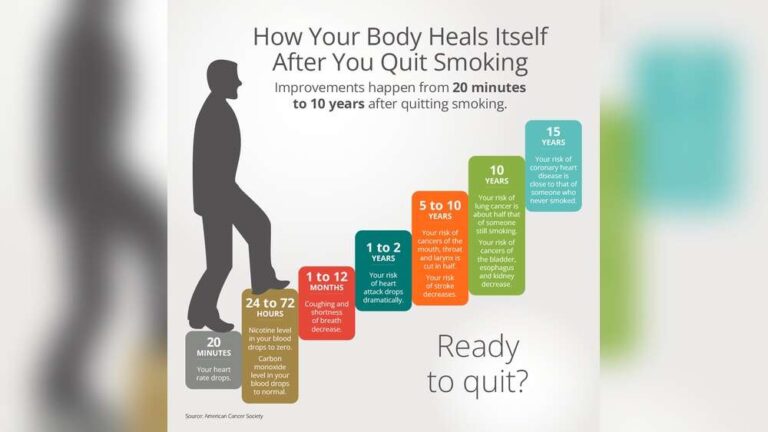
Quit Smoking And Avoid Pollutants
Smoking harms lung tissue and reduces oxygen flow. Quitting smoking helps lungs heal and work better. Avoid areas with heavy smoke, dust, or chemicals. Clean air supports healthy breathing and reduces irritation.
Hydration And Nutrition Tips
Drink plenty of water before, during, and after exercise. Hydration keeps airways moist and helps lungs function well. Eat foods rich in antioxidants, like fruits and vegetables. These foods protect lung cells and reduce inflammation.
Stress Management Practices
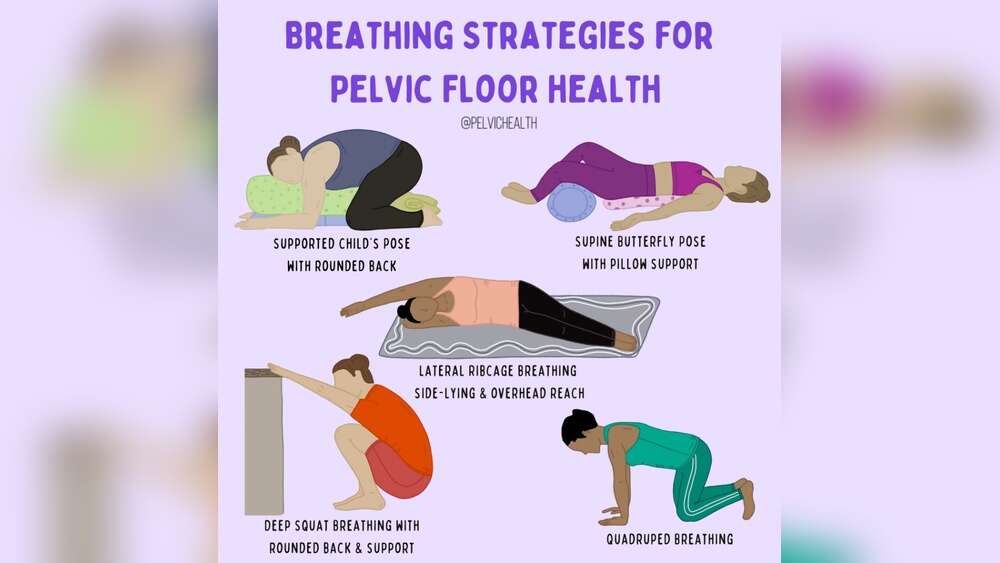
Stress can cause shallow or fast breathing. Practice deep breathing exercises to calm the mind and body. Try yoga, meditation, or gentle stretching to relax muscles. Lower stress levels improve breathing control and oxygen flow.

Credit: www.healthline.com
When To Seek Medical Advice
Poor breathing during exercise can sometimes signal a health issue. Knowing when to get medical help keeps you safe. Ignoring serious signs may lead to bigger problems. It is important to act quickly if your breathing feels unusual or hard to control. Medical advice can guide you to the right treatment and improve your exercise experience.
Signs Of Underlying Health Issues
Difficulty breathing that lasts long should not be ignored. Chest pain or tightness during exercise needs immediate attention. Frequent dizziness or fainting are warning signs. Wheezing or noisy breathing can indicate lung problems. Feeling very tired or weak while breathing may mean a heart issue. Sudden swelling in the legs or ankles can relate to circulation problems.
Tests And Assessments
Doctors use various tests to find the cause of poor breathing. A lung function test measures how well your lungs work. A heart test, like an ECG, checks your heart’s rhythm. Chest X-rays help see lung or heart conditions. Blood tests can detect infections or anemia. Exercise stress tests observe breathing and heart rate during activity. These tests guide doctors to the best treatment plan.
Frequently Asked Questions
What Causes Poor Breathing During Exercise?
Poor breathing during exercise is often due to improper technique, lack of fitness, or underlying health issues. It can also result from anxiety or incorrect posture. Identifying the cause helps improve breathing efficiency and overall workout performance.
How Can I Improve My Breathing Technique?
Focus on deep belly breathing, not shallow chest breaths. Inhale through your nose and exhale fully through your mouth. Practice rhythmic breathing to match your exercise pace for better oxygen intake and endurance.
Does Poor Posture Affect Breathing While Exercising?
Yes, poor posture restricts lung capacity and diaphragm movement. Maintaining an upright position allows better airflow and easier breathing during workouts. Correcting posture can significantly enhance breathing efficiency.
When Should I See A Doctor For Exercise Breathing Issues?
Consult a doctor if you experience persistent shortness of breath, chest pain, or wheezing during exercise. These symptoms may indicate asthma, allergies, or other medical conditions needing professional evaluation.
Conclusion
Poor breathing during exercise can affect your performance and comfort. Practice deep, slow breaths to improve oxygen flow. Focus on breathing through your nose, not your mouth. Take breaks when needed to avoid getting too tired. Regular exercise helps your lungs work better over time.
Stay calm and patient as your body adjusts. Small changes make a big difference in how you feel. Keep these tips in mind for better workouts and easier breathing. Breathe well, move well, and enjoy your exercise sessions more.

Brandon Knoxley is a sport & fitness writer and training guide contributor at MySportFitHub. He focuses on practical workouts, performance-based training, and honest fitness gear insights designed for real people and real results. Brandon is passionate about helping beginners and active individuals train smarter, avoid common mistakes, and build sustainable fitness habits.