How to Exercise When Feeling Sore Muscles: Smart Tips to Stay Active
Feeling sore after a workout can be tough. Your muscles ache, and the last thing you want to do is move.
But what if you could exercise without making the soreness worse? What if the right kind of movement could actually help you feel better faster? You’ll discover simple, effective ways to keep active even when your muscles are sore. You’ll learn how to listen to your body and choose exercises that support recovery, not pain.
Keep reading to unlock the secret to staying on track without risking injury or burnout. Your next workout could be your best yet—sore muscles and all.
Causes Of Muscle Soreness
Muscle soreness often occurs after physical activity. It signals that muscles are repairing and growing stronger. Understanding why muscles feel sore helps you manage exercise better. It also helps prevent injury and improve recovery.
Types Of Muscle Soreness
There are two main types of muscle soreness. The first is acute soreness. It happens during or just after exercise. This soreness usually fades quickly.
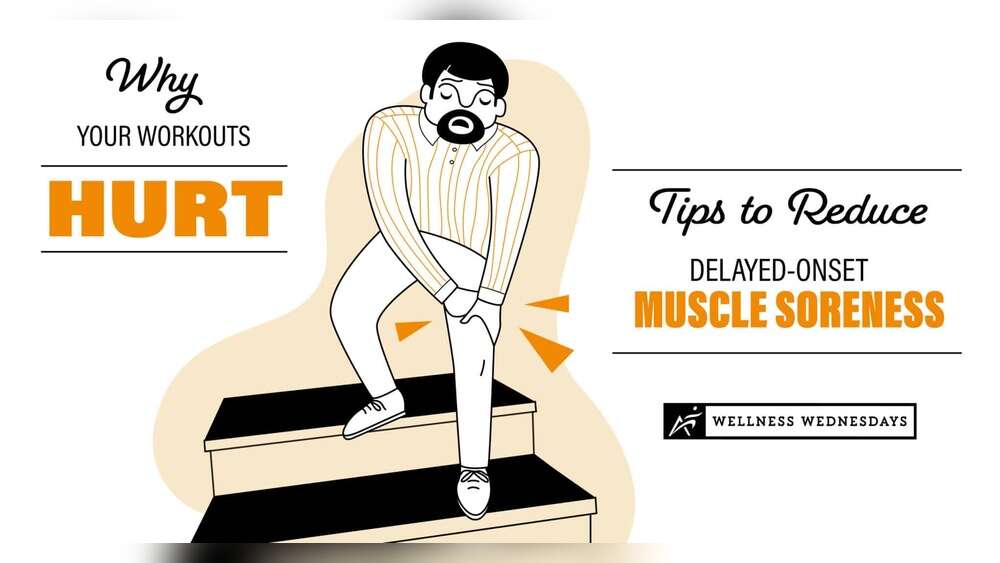
The second type is delayed onset muscle soreness, or DOMS. It appears 12 to 24 hours after exercise. DOMS can last up to 72 hours. It feels like stiffness and tenderness in muscles.
Common Triggers
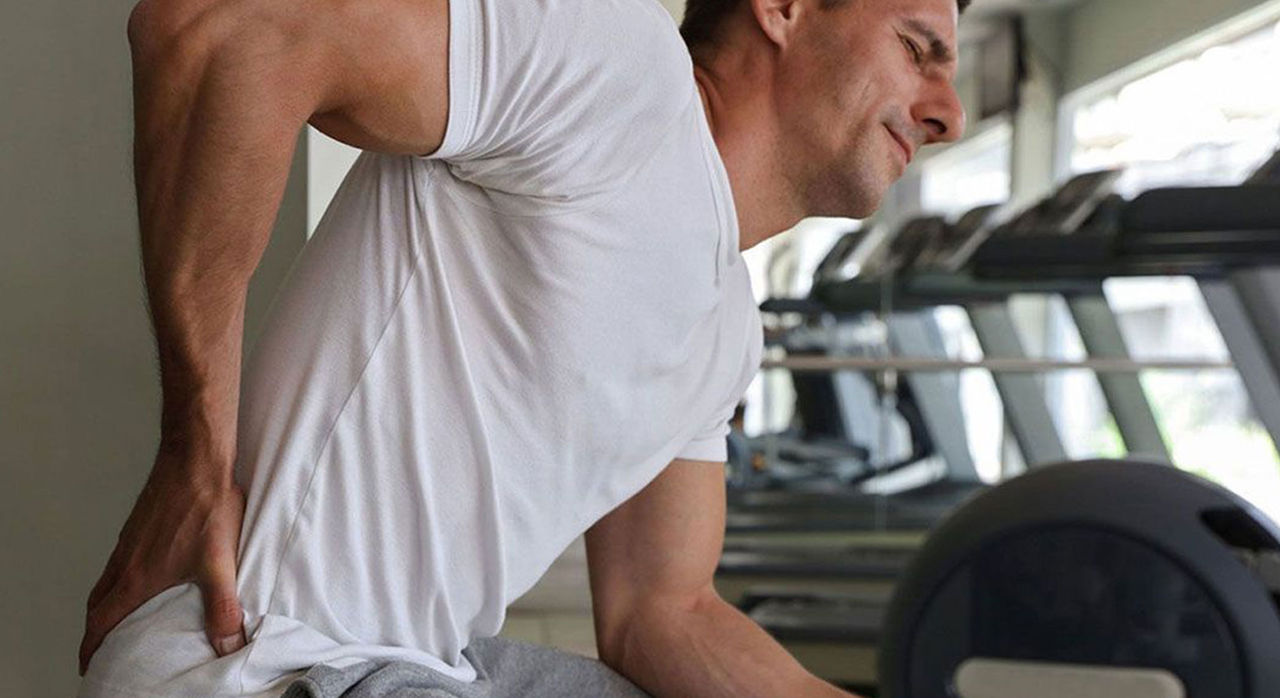
Muscle soreness can start for many reasons. One common trigger is new or intense exercise. Muscles get tiny tears that cause soreness.
Another cause is eccentric movements. These happen when muscles lengthen under tension. Examples include lowering weights or running downhill.
Not stretching or warming up properly also leads to soreness. Poor hydration and lack of rest worsen the pain. Overtraining without enough recovery time increases soreness too.
Credit: www.massgeneralbrigham.org
Benefits Of Exercising With Soreness
Exercising with sore muscles might feel uncomfortable. Yet, it offers real benefits. Moving your body helps your muscles heal faster. It can ease stiffness and improve how you feel. Let’s explore the key benefits of staying active, even with soreness.
Improved Recovery
Gentle exercise increases blood flow to sore muscles. This brings oxygen and nutrients that speed up healing. Light movement helps flush out waste products that cause soreness. It reduces muscle tightness and supports tissue repair. Recovery feels quicker, and pain often lessens. Staying active prevents muscles from getting too stiff or weak.
Enhanced Flexibility
Working out with sore muscles helps maintain flexibility. Moving muscles and joints keeps them from becoming stiff. Stretching and light exercises improve your range of motion. This reduces the risk of injury during future workouts. Flexibility helps muscles perform better and feel looser. It supports better posture and overall body balance.
Signs To Avoid Exercising
Feeling sore after exercise is normal. Muscles need time to recover. Yet, some signs warn you to skip your workout. Exercising with certain pains can lead to injury. Knowing when to rest helps your body heal well.
Listen to your body. It tells you when to push and when to pause. Understanding the difference between soreness and pain is key. Also, recognizing when rest is essential can save you from harm.
Distinguishing Pain From Soreness
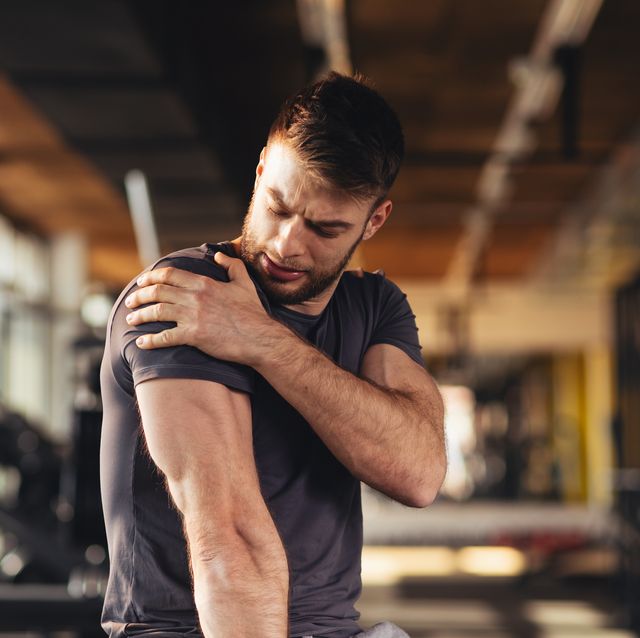
Soreness is a dull, achy feeling after a workout. It usually fades in a few days. Pain feels sharp, sudden, or constant. It can be in joints, muscles, or bones. Pain may worsen with movement. Soreness does not stop you from doing daily tasks. Pain makes activities difficult or impossible. If pain is strong or lasts long, avoid exercise. Trust your body’s warning signals.
When Rest Is Essential
Rest is vital if pain is severe or spreading. Swelling, redness, or warmth around a muscle means injury. Rest allows tissues to repair. Exercising on injured muscles worsens damage. Fatigue and dizziness are signs to stop. Lack of sleep can also slow recovery. Take breaks and hydrate well. Give your body time to rebuild stronger.
Credit: www.menshealth.com
Smart Warm-up Techniques
Smart warm-up techniques prepare your body gently, especially with sore muscles. They increase blood flow and reduce stiffness. Proper warm-ups help prevent injury and improve movement. A careful start eases your soreness and boosts workout effectiveness.
Dynamic Stretching
Dynamic stretching involves moving muscles through their full range. It warms up the body without holding positions. Gentle leg swings, arm circles, and torso twists work well. These stretches increase flexibility and reduce muscle tightness. They also prepare your joints for activity.
Low-intensity Movements
Start with low-intensity movements to wake up your muscles. Walking, slow cycling, or light jogging helps blood flow. These exercises raise your heart rate gradually. They loosen muscles and reduce soreness stiffness. Keep the pace slow and steady for best results.
Low-impact Exercises To Try
Feeling sore after exercise? Low-impact workouts help you stay active without strain. They ease muscle pain and support recovery. These gentle exercises keep your body moving and prevent stiffness. Try these options to stay fit and comfortable.
Walking And Light Jogging
Walking is the easiest way to move with sore muscles. It improves blood flow and reduces stiffness. A slow, gentle walk helps your body heal. Light jogging is another option if you feel ready. Keep your pace slow to avoid extra strain. Both activities boost your mood and energy.
Yoga And Stretching
Yoga stretches your muscles and calms your mind. It helps reduce muscle tightness and improves flexibility. Gentle poses and slow breathing relax your body. Stretching after yoga keeps muscles loose and soft. These exercises prevent injuries and support healing.
Swimming And Cycling
Swimming uses water to support your body weight. It lessens pressure on sore muscles and joints. The water’s resistance helps strengthen muscles gently. Cycling on a flat path is another good option. It moves your legs without heavy impact. Both help improve fitness while easing muscle pain.
Post-exercise Recovery Tips
Post-exercise recovery plays a big role in easing sore muscles. Taking care of your body after a workout helps reduce pain and speeds healing. Simple recovery steps can improve how you feel and prepare you for the next exercise session.
Hydration And Nutrition
Drink plenty of water after exercise to replace lost fluids. Water helps flush out waste from your muscles. Eating foods rich in protein and vitamins supports muscle repair. Include fruits, vegetables, and lean protein in your meals. Avoid heavy or processed foods that can slow recovery.
Foam Rolling And Massage
Use a foam roller to gently press sore muscles. This helps increase blood flow and reduce tightness. Roll slowly over each muscle group for about one to two minutes. Massage can also relax muscles and reduce stiffness. Both methods ease discomfort and improve flexibility.
Rest And Sleep
Rest is essential for muscle recovery. Avoid intense workouts while muscles are sore. Sleep allows your body to repair and grow stronger. Aim for seven to nine hours of good sleep each night. Quiet and dark rooms help improve sleep quality.
Adjusting Workout Intensity
Adjusting workout intensity is key when muscles feel sore. Exercising with sore muscles requires care to avoid injury. Lowering the intensity helps muscles recover while keeping you active. You can still make progress without pushing too hard. Smart adjustments keep your routine effective and safe.
Listening To Your Body
Your body sends clear signals about soreness and fatigue. Pay attention to pain levels and stiffness before starting. If soreness is mild, light exercise can help reduce tightness. Stop or slow down if pain worsens during activity. Rest is important when the body feels very weak or sharp pain appears.
Progressive Overload Strategies
Progressive overload means gradually increasing workout difficulty over time. Start with lower weights or fewer reps when sore. Slowly build back to your usual intensity over several days. Use lighter exercises or shorter sessions to avoid strain. This approach helps muscles adapt without causing damage or extra soreness.
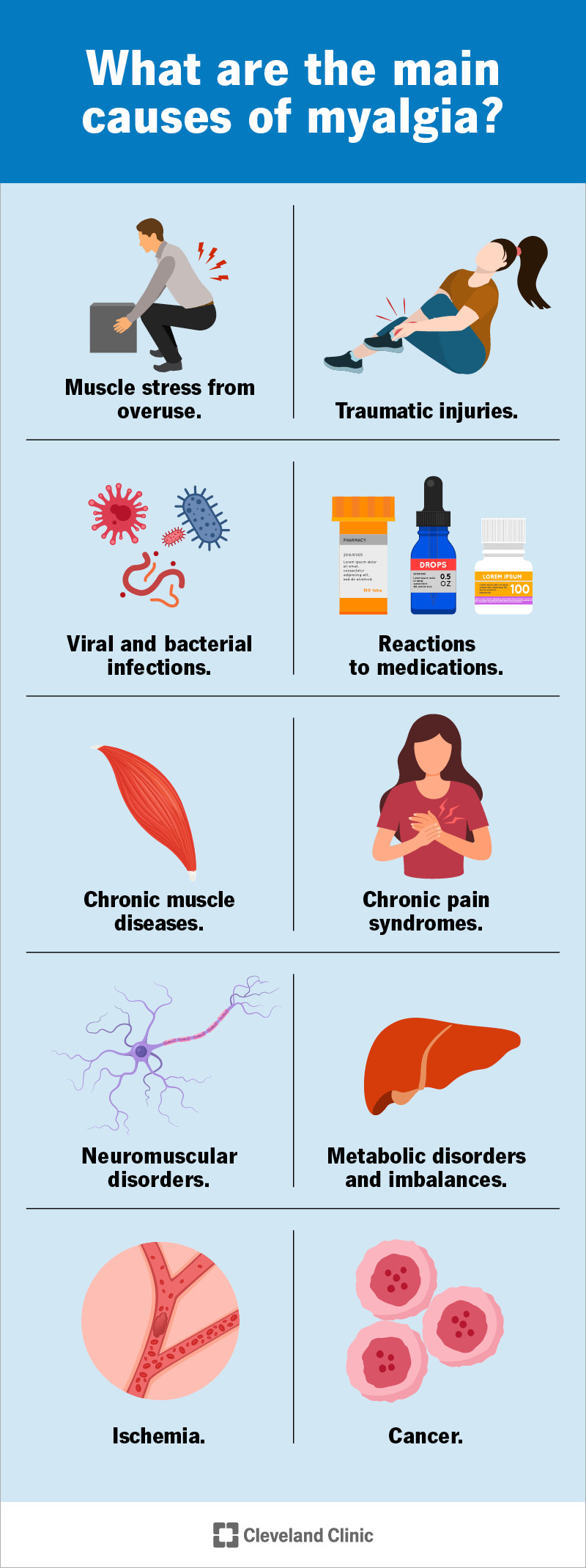
Credit: my.clevelandclinic.org
Frequently Asked Questions
How Long Should I Wait To Exercise Sore Muscles?
Wait 24 to 48 hours before exercising sore muscles. This recovery time helps reduce inflammation and muscle damage. Light activities like walking or stretching can aid healing during this period. Avoid intense workouts until soreness significantly lessens to prevent injury and promote muscle recovery.
Can Light Exercise Help With Muscle Soreness?
Yes, light exercise increases blood flow and reduces stiffness. Activities like walking, yoga, or gentle stretching ease soreness. They promote nutrient delivery to muscles, speeding recovery. Avoid high-intensity workouts, as they may worsen soreness or cause injury during recovery.
What Exercises Are Safe For Sore Muscles?
Low-impact exercises like swimming, cycling, or walking are safe. These activities minimize joint strain and prevent further muscle damage. Gentle stretching and yoga also help maintain flexibility without overstressing sore muscles. Avoid heavy lifting or high-intensity training until soreness improves.
Should I Use Ice Or Heat Before Exercising Sore Muscles?
Use ice before exercise to reduce inflammation and numb pain. Apply heat after exercising to relax muscles and improve blood flow. Both ice and heat treatments can aid recovery but should be used appropriately to avoid worsening soreness or injury.
Conclusion
Sore muscles do not mean you must stop moving. Gentle exercise helps your body heal and stay strong. Choose light activities like walking or stretching. Drink water and rest well to feel better faster. Listen to your body’s signals every day.
Keep a steady routine but avoid pushing too hard. Small steps lead to steady progress. Stay patient and kind to yourself during recovery. Exercise smartly, and soreness will fade with time. Your body will thank you for care and attention.

Brandon Knoxley is a sport & fitness writer and training guide contributor at MySportFitHub. He focuses on practical workouts, performance-based training, and honest fitness gear insights designed for real people and real results. Brandon is passionate about helping beginners and active individuals train smarter, avoid common mistakes, and build sustainable fitness habits.