How to Reduce Workout Stress Beginners: Simple Tips for Success
Feeling stressed after a workout can make you want to quit before you even start. But what if you could enjoy your exercise sessions without that overwhelming tension?
If you’re new to working out, learning how to reduce workout stress is key to staying motivated and seeing real progress. You’ll discover simple, effective ways to ease your mind and body, so every workout feels like a step forward—not a struggle.
Keep reading, because your best, stress-free fitness routine is closer than you think.
Common Workout Stressors
Starting a workout routine can bring many challenges. Stress can easily build up and make exercise feel hard. Knowing the common workout stressors helps beginners manage them better. Stress can come from the body, the mind, or daily life demands. Identifying these stressors is the first step to reducing workout stress.
Physical Fatigue
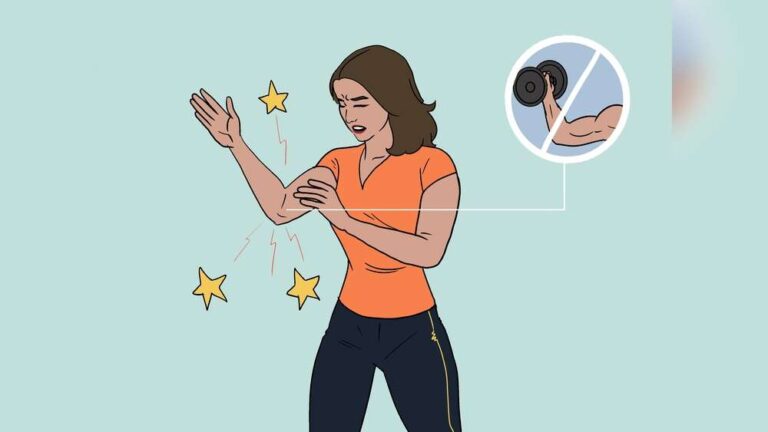
Physical fatigue happens when muscles feel tired and weak. Beginners often push too hard or skip rest days. This causes soreness and lowers energy. Fatigue can make workouts less enjoyable and harder to complete. Listening to your body and resting is important. Gradual progress helps avoid burnout and injury.
Mental Pressure
Mental pressure comes from high expectations and self-doubt. Beginners may feel worried about performance or comparing to others. This stress can reduce motivation and increase anxiety. Setting small goals and focusing on personal growth helps ease mental pressure. Positive thinking supports a healthy workout mindset.
Time Constraints
Time constraints cause stress by limiting workout options. Busy schedules make it hard to find exercise time. This can lead to skipping workouts or rushing sessions. Planning short, effective workouts fits better into tight days. Consistency is more important than long workouts for beginners.
Setting Realistic Goals
Setting realistic goals helps reduce stress during workouts. It gives clear direction and keeps motivation high. Without clear goals, beginners may feel lost or overwhelmed. Goals should be simple and achievable. This approach builds confidence and makes exercise enjoyable.
Short-term Targets
Short-term targets are small steps you can reach quickly. They keep you focused and help track progress. Examples include walking 10 minutes daily or doing 5 push-ups. These targets boost your energy and encourage regular exercise. Celebrate each small win to stay motivated and stress-free.
Long-term Vision
Long-term vision looks at what you want to achieve in months. It could be running a 5K or improving flexibility. This vision guides your short-term targets and workout plans. It helps maintain patience during tough days. Keep your long-term goals clear but flexible to avoid frustration.
Effective Warm-up Techniques
Effective warm-up techniques prepare your body for exercise and reduce stress. Warming up increases blood flow to muscles. It helps prevent injuries and improves workout performance. Beginners should spend at least 5 to 10 minutes warming up before starting their routine.
A good warm-up raises your heart rate gradually. It also loosens tight muscles and joints. This makes movements easier and more comfortable. Two simple and effective warm-up methods are dynamic stretching and light cardio.
Dynamic Stretching
Dynamic stretching involves moving parts of your body through a full range of motion. It helps increase mobility and flexibility. Examples include leg swings, arm circles, and walking lunges. These movements gently stretch your muscles and prepare them for exercise.
Dynamic stretches activate the nervous system. They improve coordination and balance. Avoid holding stretches for too long. Keep movements smooth and controlled. This type of stretching reduces muscle stiffness and workout stress.
Light Cardio
Light cardio warms up your heart and lungs. It raises your body temperature and energy levels. Simple activities like brisk walking, jogging in place, or jumping jacks work well. Do light cardio for 3 to 5 minutes before your main workout.
This helps your body adjust to increased activity. It also lowers the risk of injury and muscle soreness. Light cardio makes you feel more awake and ready to exercise. Starting slowly is key to reducing workout stress for beginners.

Credit: www.amazon.com
Choosing Enjoyable Activities
Choosing enjoyable activities helps reduce stress during workouts. Enjoyment keeps you motivated and makes exercise feel less like a chore. Picking exercises you like supports long-term fitness and good health.
Variety In Workouts
Trying different activities prevents boredom. It also reduces the risk of injury from doing the same moves repeatedly. Mix cardio, strength training, and flexibility exercises. Change your routine often to keep workouts fresh and exciting.
Listening To Your Body
Pay attention to how your body feels during exercise. Stop or slow down if you feel pain or extreme tiredness. Rest when needed. Enjoyment grows when workouts match your energy and limits. Respect your body’s signals to avoid burnout and stress.
Importance Of Rest And Recovery
Rest and recovery are key parts of any workout plan. They help your body heal and grow stronger. Without enough rest, your muscles stay tired and your energy drops. Stress from workouts can build up, making you feel sore and worn out.
Taking time to recover reduces injury risk. It keeps your motivation high. Rest lets your body fix tiny muscle tears from exercise. This process makes your muscles bigger and stronger over time.
Scheduling Rest Days
Plan rest days in your weekly workout schedule. Avoid working the same muscles two days in a row. Your body needs time to recover fully. Rest days help your muscles rebuild and reduce fatigue. Use these days for light activities like walking or stretching.
Sleep And Nutrition
Sleep is vital for workout recovery. Aim for 7 to 9 hours each night. Good sleep helps your muscles repair faster. It also boosts your energy and mood.
Nutrition fuels recovery too. Eat protein to help muscle repair. Include fruits and vegetables for vitamins and minerals. Drink plenty of water to stay hydrated. Balanced meals support your body’s healing process.

Credit: www.youtube.com
Mindfulness And Breathing Exercises
Mindfulness and breathing exercises help lower stress during workouts. These techniques calm the mind and body. They improve focus and increase workout enjoyment.
Practicing mindfulness means paying full attention to the present moment. It reduces tension and clears distracting thoughts. Breathing exercises bring oxygen to the muscles. They support relaxation and energy flow.
Deep Breathing
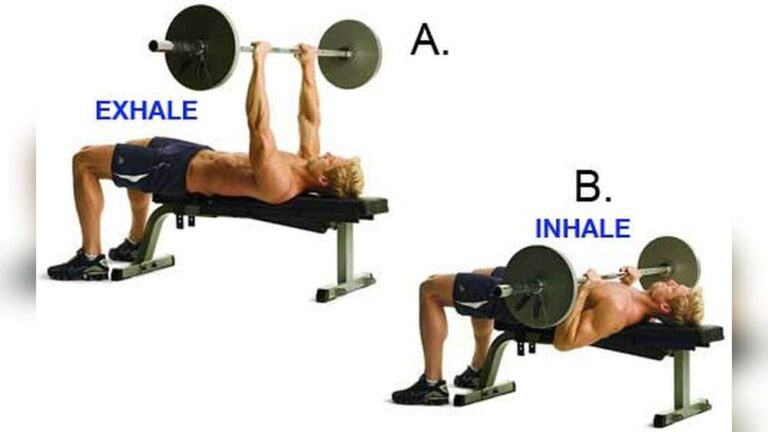
Deep breathing is a simple way to reduce workout stress. Breathe in slowly through the nose. Fill the lungs completely. Hold for a few seconds. Then breathe out gently through the mouth.
Repeat this process several times. It lowers the heart rate and eases muscle tightness. Deep breathing helps control anxiety and boosts endurance. Use this technique before and during exercise.
Meditation Techniques
Meditation calms the mind and body. Sit or lie down in a quiet place. Close your eyes and focus on your breath. Notice each inhale and exhale. Let go of all other thoughts.
Try guided meditation apps or simple silent sessions. Even five minutes can improve workout focus. Meditation reduces stress hormones and improves mood. It builds mental strength for physical challenges.
Staying Consistent Without Overdoing
Staying consistent with workouts is key to progress. Yet, pushing too hard can cause stress and injury. Balance helps keep exercise a positive habit. It protects your body and mind from burnout. Let’s explore how to stay steady without overdoing.
Balanced Routine
Create a workout plan with variety. Mix cardio, strength, and stretching exercises. This helps different muscles rest while others work. Change intensity throughout the week. Some days should be easy, others more challenging. Rest days are essential. They give your body time to heal and grow stronger. A balanced routine keeps workouts fresh and reduces stress.
Avoiding Burnout
Burnout happens when you train too much without rest. Signs include constant tiredness, soreness, and loss of motivation. Listen to your body’s signals. Take breaks if you feel pain or fatigue. Set realistic goals for progress. Small steps add up over time. Celebrate your achievements to stay motivated. Avoid comparing yourself to others. Focus on your own journey. Keeping workouts fun helps prevent burnout and keeps you coming back.
Credit: www.dangerfieldsofshakopee.com
Seeking Support And Motivation
Seeking support and motivation can make workout stress easier to handle. Starting a new exercise routine might feel tough. Having someone to share the journey helps keep stress low. Support boosts confidence and keeps you going strong. Motivation from others can push you through hard days. Here are ways to find support and stay motivated.
Workout Partners
Working out with a partner adds fun and focus. Partners can cheer you on and keep you accountable. They help make workouts less lonely and more enjoyable. A workout buddy can show new exercises and share tips. Meeting regularly with a partner builds routine and commitment. This support reduces stress and makes progress feel good.
Professional Guidance
Trainers and coaches guide you with safe, effective exercises. They tailor workouts to your skill level and goals. Experts teach proper form to avoid injury and reduce stress. Professional help answers questions and clears doubts quickly. They create plans that fit your lifestyle and abilities. Guidance keeps you motivated and confident in your progress.
Frequently Asked Questions
How Can Beginners Reduce Workout Stress Effectively?
Beginners can reduce workout stress by starting slow and setting realistic goals. Consistent warm-ups and cooldowns help prevent injury. Also, proper hydration and balanced nutrition support recovery. Incorporating rest days and mindfulness techniques like deep breathing improve mental focus and reduce anxiety related to exercise.
What Are The Best Exercises To Lower Workout Stress?
Low-impact exercises like walking, yoga, and swimming effectively lower workout stress. These activities promote relaxation and improve blood circulation. They help beginners build endurance without overwhelming their bodies. Combining cardio with stretching reduces muscle tension and enhances overall well-being, making workouts more enjoyable.
How Important Is Hydration In Reducing Workout Stress?
Hydration is crucial for reducing workout stress as it maintains energy and prevents cramps. Drinking water before, during, and after exercise supports muscle function and recovery. Proper hydration also regulates body temperature, reducing fatigue and stress levels during workouts, especially for beginners adapting to new routines.
Can Rest Days Help Manage Workout Stress For Beginners?
Yes, rest days are essential for managing workout stress. They allow muscles to recover and prevent burnout. Beginners should schedule rest days to avoid overtraining and reduce injury risk. Quality sleep on rest days further supports mental and physical recovery, enhancing overall workout effectiveness.
Conclusion
Reducing workout stress starts with small, simple steps. Focus on your breathing and take breaks when needed. Choose exercises you enjoy and go at your own pace. Rest well and drink plenty of water. Remember, feeling good during workouts helps you keep going.
Stay patient and consistent. Stress will lessen over time, making exercise more fun. Keep these tips in mind for a healthy start. Your body and mind will thank you.

Brandon Knoxley is a sport & fitness writer and training guide contributor at MySportFitHub. He focuses on practical workouts, performance-based training, and honest fitness gear insights designed for real people and real results. Brandon is passionate about helping beginners and active individuals train smarter, avoid common mistakes, and build sustainable fitness habits.