How to Choose the Right Workout Plan for Beginners: Ultimate Guide
Choosing the right workout plan as a beginner can feel overwhelming. You might wonder where to start, what exercises to do, and how to stay motivated.
The truth is, picking the perfect plan can make all the difference in reaching your fitness goals and enjoying the process. You’ll discover simple steps to find a workout routine that fits your lifestyle, needs, and energy. By the end, you’ll feel confident and ready to take action—because your fitness journey should be exciting, not confusing.
Keep reading to unlock the key to your best workout plan yet!

Credit: wellness.alibaba.com
Assessing Your Fitness Level
Choosing the right workout plan starts with knowing your fitness level. This helps set goals that suit your body and avoid injuries. Assessing your fitness level gives a clear picture of what exercises fit you best.
Fitness assessment also shows your progress over time. It keeps motivation high by showing real improvements. Start simple and be honest with yourself during this process.
Self-evaluation Techniques
Self-evaluation helps you understand your current fitness state. Begin by checking your endurance. Try walking or jogging for 10 minutes and note how you feel afterward.
Next, test your strength with basic moves like push-ups or squats. Count how many you can do without stopping. Also, check your flexibility by reaching toward your toes.
Record these results. Repeat tests every few weeks to track progress. This method is easy and requires no special equipment.
Identifying Strengths And Weaknesses
Look at your self-evaluation results to find strengths and weaknesses. Strong areas are good starting points. Weak areas need more focus and care.
For example, if your endurance is high but strength is low, choose workouts that build muscle. If flexibility is poor, add stretching routines. Balancing strengths and weaknesses leads to better overall fitness.
Knowing these details helps pick exercises that suit your body. It also prevents frustration and injury from doing too much too soon.

Credit: www.dangerfieldsofshakopee.com
Setting Realistic Goals
Setting realistic goals is key for beginners starting a workout plan. Clear goals help you stay focused and motivated. They also prevent frustration and burnout. Choose goals that fit your current fitness level and lifestyle. Small, achievable steps build confidence and create lasting habits.
Short-term Vs Long-term Goals
Short-term goals are small targets you can reach in days or weeks. Examples include exercising three times a week or doing ten push-ups. These goals boost motivation and show quick progress.
Long-term goals take months or years to achieve. They might be running a 5k or losing 20 pounds. Long-term goals give you a clear vision and direction. Break them into short-term goals for easier success.
Balancing Ambition With Feasibility
Set goals that challenge you but stay realistic. Too easy goals feel boring. Too hard goals cause disappointment.
Think about your time, energy, and resources. Can you exercise five days a week or only twice? Adjust your goals to fit your life. Gradually increase difficulty as you improve. This balance keeps you motivated and consistent.
Types Of Workout Plans
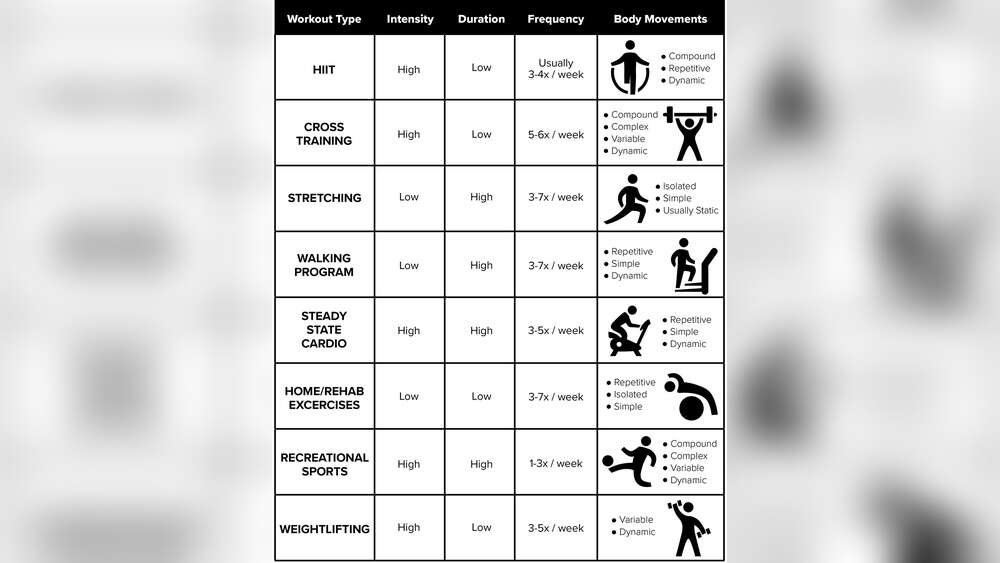
Choosing the right workout plan starts with understanding the main types of workouts. Each type targets different fitness goals and body parts. Knowing these helps beginners pick the best plan for their needs.
Some plans focus on heart health and endurance. Others build muscle and strength. Some improve how flexible and mobile the body is. Let’s explore these types to find the best fit.
Cardio-focused Routines
Cardio workouts raise the heart rate. They help burn calories and improve stamina. Examples include walking, running, cycling, and swimming. These routines are great for weight loss and heart health. Beginners can start with short sessions and increase time gradually.
Strength Training Basics
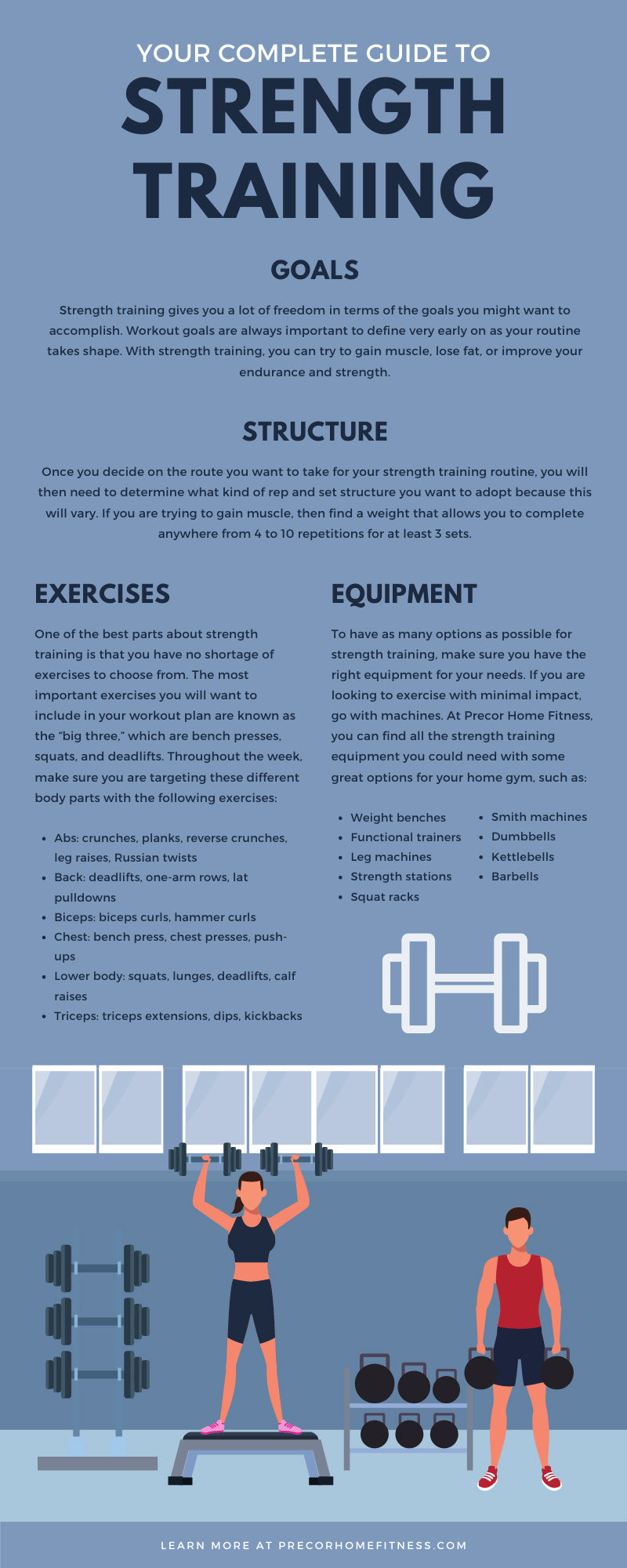
Strength training builds muscle and bone strength. It uses weights, resistance bands, or body weight. Common moves include squats, push-ups, and lunges. This type improves overall body shape and boosts metabolism. Beginners should learn correct form to avoid injury.
Flexibility And Mobility Workouts
These workouts improve joint movement and muscle stretch. Yoga and stretching exercises fit here. Flexibility helps reduce muscle tightness and improve posture. Mobility exercises prepare the body for daily activities and other workouts. Starting slow and steady is key for beginners.
Choosing Workouts Based On Preferences
Choosing workouts based on preferences helps keep exercise fun and easy to stick with. Enjoyment plays a big role in staying active. Picking activities you like makes workouts feel less like a chore. It also helps you stay motivated and consistent. Everyone has different tastes and comfort zones. Finding the right fit is key to building a healthy habit.
Indoor Vs Outdoor Exercises
Some people prefer indoor workouts like gym sessions or home exercises. Indoor exercises offer control over weather and environment. They are good for those who want privacy or need special equipment. Others enjoy outdoor exercises like walking, running, or cycling. Outdoors provides fresh air and natural scenery. It can feel more refreshing and less boring. Think about where you feel most comfortable and happy.
Group Classes Vs Solo Training
Group classes bring energy and social support. They offer guidance from instructors and a set schedule. Classes like yoga, Zumba, or spinning can boost motivation. Solo training suits those who like freedom and flexibility. You can set your pace and choose your timing. It helps build self-discipline and focus. Decide if you prefer community or independence in workouts.
Scheduling And Time Management
Scheduling and time management play a big role in choosing the right workout plan for beginners. Without a clear schedule, workouts can be skipped or rushed. Good time management helps keep the workout consistent and effective. It also reduces stress and makes fitness feel like a natural part of life.
Creating A Consistent Routine
Start by setting specific days and times for workouts. Consistency builds habit and makes exercise easier over time. Choose times when energy is highest, such as morning or early evening. Short, regular sessions work better than long, irregular ones. Use a calendar or app to track progress and stay motivated.
Balancing Workouts With Daily Life
Fit exercise around work, family, and other duties. Plan workouts that last 20 to 30 minutes for busy days. Try combining activities, like walking with friends or biking to work. Rest days are key to avoid burnout and injury. Keep workouts flexible to adapt to changing daily demands.
Equipment And Space Considerations
Choosing the right workout plan depends a lot on equipment and space. Beginners must think about what tools they have and how much room is available. This helps avoid frustration and keeps workouts consistent.
Some people have space for a home gym. Others prefer exercises needing little or no equipment. Both ways can work well. The key is matching the plan to your situation.
Home Gym Essentials
Setting up a home gym needs a few basic items. A yoga mat offers comfort and grip for floor exercises. Dumbbells or resistance bands add strength training options.
A jump rope helps with cardio and takes little space. A stability ball improves balance and core strength. These items fit in small spaces and cost little.
Clear an area that lets you move freely. Good lighting and ventilation make workouts pleasant. A mirror can help check your form.
Using Minimal Or No Equipment
Exercise plans without equipment use body weight for resistance. Push-ups, squats, and planks are effective and need no tools. These workouts suit small spaces like bedrooms.
Stairs or a sturdy chair can add variety. Walking or jogging outside also boosts fitness without gear. This style saves money and is easy to start.
Choose exercises that match your fitness level. Gradually increase intensity for steady progress. This keeps motivation high and reduces injury risk.
Tracking Progress And Staying Motivated
Tracking progress and staying motivated are key to success in any workout plan. Beginners often start with high energy but may lose interest over time. Keeping a clear record of workouts helps maintain focus. Seeing small improvements encourages consistency and effort.
Motivation grows when progress is visible. It turns workouts into a rewarding habit. Setting goals and marking achievements gives purpose to each session. This process builds confidence and makes exercise enjoyable.
Using Apps And Journals
Apps provide an easy way to track workouts and progress. They record exercises, sets, and reps automatically. Many apps offer reminders to keep users active. Beginners find apps helpful for staying organized and on schedule.
Journals work well for those who like writing. They allow notes about feelings and challenges during workouts. Writing down daily achievements boosts motivation. Reviewing past entries shows how far one has come.
Reward Systems And Milestones
Setting small goals creates clear milestones in a workout plan. Each milestone reached deserves a reward. Rewards can be simple, like a rest day or a favorite snack. These small incentives encourage continued effort and dedication.
Celebrate progress, no matter how small. Recognizing achievements builds positive habits. Rewards turn hard work into a fun experience. This approach helps beginners stay motivated over time.
Credit: www.eecusa.com
Avoiding Common Beginner Mistakes
Starting a workout plan is exciting but can be tricky. Many beginners make mistakes that slow progress or cause injury. Avoiding these errors helps you stay safe and enjoy exercise. Focus on smart habits from day one. This section highlights key mistakes to skip for a smooth start.
Overtraining Risks
Too much exercise leads to tired muscles and pain. Overtraining can cause injuries and stop progress. Your body needs time to recover after workouts. Rest days are just as important as training days. Start with light workouts and increase intensity slowly. Pay attention to how your body feels. Stop if you feel sharp pain or extreme tiredness.
Ignoring Proper Form
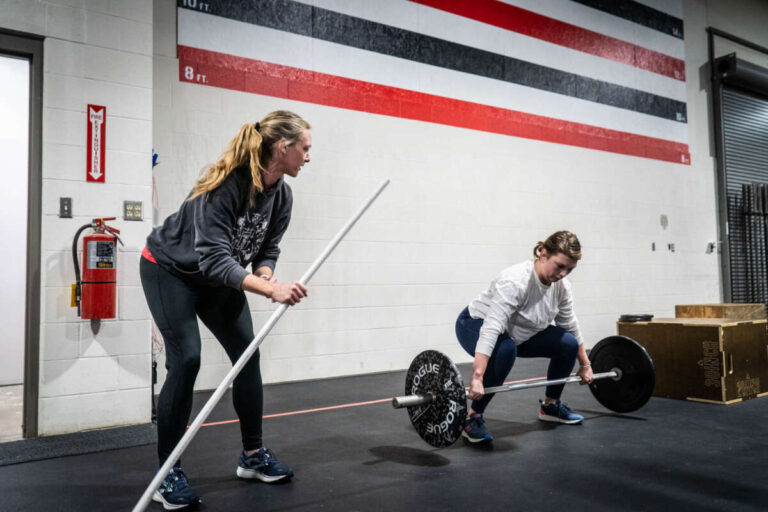
Doing exercises the wrong way hurts your body. Poor form causes injuries and lowers results. Learn the right way to do each movement. Use mirrors or record yourself to check form. Ask a trainer or experienced friend for help. Focus on quality, not speed or weight. Proper form protects your joints and muscles. Build good habits early to avoid problems later.
Seeking Professional Guidance
Choosing the right workout plan can be confusing for beginners. Seeking professional guidance helps you start safely and effectively. Experts can tailor a plan that fits your goals and fitness level. They teach correct form and prevent injuries. This support builds confidence and keeps you motivated.
When To Hire A Trainer
Consider hiring a trainer if you do not know how to begin. Trainers help create a clear, step-by-step workout plan. They explain exercises and ensure you perform them right. Trainers are useful if you have health issues or past injuries. They adjust workouts to match your needs. Personal guidance shortens the learning curve and speeds progress.
Online Resources And Communities
Online resources offer many workout plans and tutorials for free or low cost. Video lessons show how to do exercises properly. Fitness apps track your progress and remind you to stay active. Online communities provide support and share success stories. They answer questions and keep you inspired. These tools work well if you prefer learning at your own pace.
Frequently Asked Questions
What Is The Best Beginner Workout Plan?
The best beginner workout plan balances cardio, strength, and flexibility exercises. It gradually increases intensity and suits your fitness goals. Start with 3-4 days a week, focusing on proper form and consistency to build a solid foundation safely.
How Do I Choose A Workout Plan For Beginners?
Choose a beginner workout plan based on your fitness level, goals, and available time. Look for plans with clear instructions, variety, and progression. Consider your preferences to stay motivated and avoid injury by starting slowly and listening to your body.
How Often Should Beginners Work Out Weekly?
Beginners should aim for 3 to 4 workout sessions per week. This allows time for recovery and adaptation. Consistency is key to building strength and endurance while preventing burnout or injury. Gradually increase frequency as fitness improves.
What Are Common Mistakes In Beginner Workouts?
Common beginner mistakes include poor form, skipping warm-ups, and overtraining. Avoid pushing too hard too soon and neglecting rest days. Focusing on technique and gradual progression ensures safety and long-term success in your fitness journey.
Conclusion
Choosing the right workout plan sets the path for success. Start with your goals and fitness level in mind. Pick exercises you enjoy to stay motivated. Remember, progress comes with patience and consistency. Adjust your plan as you learn what works best.
Keep a positive mindset and celebrate small wins. Your fitness journey is personal—make it yours. Stay active, stay healthy, and enjoy every step forward.

Brandon Knoxley is a sport & fitness writer and training guide contributor at MySportFitHub. He focuses on practical workouts, performance-based training, and honest fitness gear insights designed for real people and real results. Brandon is passionate about helping beginners and active individuals train smarter, avoid common mistakes, and build sustainable fitness habits.