How to Exercise Safely in Your 40S: Expert Tips for Lasting Fitness
Are you ready to boost your energy and feel stronger, but worried about getting hurt while exercising in your 40s? You’re not alone.
As your body changes, the way you work out needs to change too. The good news? With the right approach, you can stay fit, avoid injury, and enjoy every step of your fitness journey. Keep reading to discover simple, practical tips that will help you exercise safely and confidently, so you can make the most of your workouts without setbacks.
Your best years of health start now!
Benefits Of Exercising In Your 40s
Exercising in your 40s brings many benefits for your body and mind. This decade is a great time to focus on health and fitness. Staying active helps prevent health problems and keeps you strong. It also improves your mood and sharpens your mind. Understanding these benefits encourages a lasting exercise habit.
Physical Health Improvements
Regular exercise strengthens muscles and bones. It helps control weight and lowers blood pressure. Exercise reduces the risk of diabetes and heart disease. It boosts your energy and improves balance. This lowers the chance of falls and injuries.
Mental Well-being Boost
Exercise lifts your mood by releasing feel-good chemicals. It lowers stress and reduces anxiety symptoms. Physical activity improves sleep quality. It also enhances memory and focus. Staying active supports better mental health overall.
Long-term Fitness Advantages
Building fitness now helps you stay healthy later. Strong muscles and good endurance make daily tasks easier. Exercise slows down aging effects on the body. It helps maintain independence as you grow older. Consistent activity creates a foundation for lifelong wellness.
Common Exercise Risks After 40
Exercising in your 40s is great for health and energy. But the body changes with age. Certain risks become more common during workouts. Knowing these risks helps you stay safe and enjoy exercise longer.
Understanding common exercise risks after 40 can prevent injuries. It also helps you adjust your routine for better results. Stay aware of your body’s signals and limits.
Injury Types To Watch For
Joint pain is common, especially in knees and hips. Tendon injuries occur more often due to wear and tear. Muscle strains happen if you push too hard or skip warm-ups. Back pain may arise from poor posture or heavy lifting. Watch your form and avoid sudden intense moves.
Impact Of Aging On Recovery
Recovery slows down with age. Muscles take longer to heal after exercise. Inflammation lasts longer, causing stiffness and soreness. Rest days become more important to avoid damage. Proper sleep and nutrition speed up recovery.
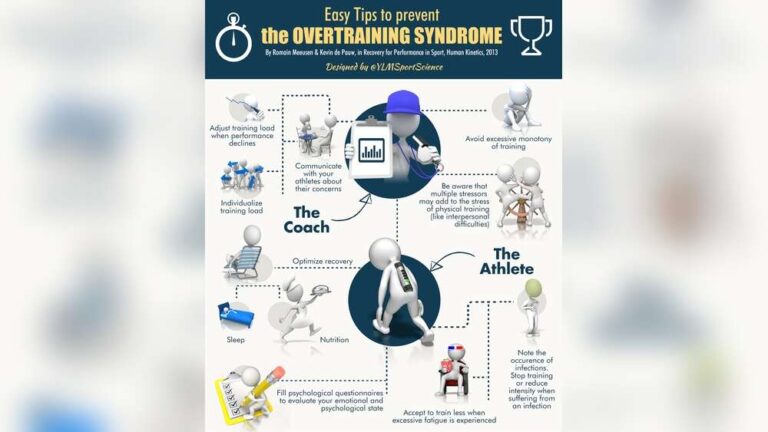
Signs Of Overtraining
Feeling tired all the time is a key sign. Muscle soreness lasting more than a few days is warning. Sleep problems and irritability may increase. Decreased performance or lack of motivation also show overtraining. Listen to your body and take breaks as needed.
Preparing Your Body Before Workouts
Preparing your body before exercise is key to staying safe and avoiding injury. Your muscles, joints, and heart need time to get ready. This helps improve your performance and reduces soreness after workouts. Spend a few minutes on warm-up and stretching. Also, understand your current fitness level to plan exercises wisely.
Warm-up Techniques
Start with light activities that raise your heart rate. Walking or gentle cycling for five to ten minutes works well. Include movements that mimic your workout, like arm circles or leg swings. Warm-ups boost blood flow and loosen muscles. They prepare your body for harder exercise ahead.
Stretching Essentials
Focus on dynamic stretches before exercising. These involve moving parts of your body gently through a full range of motion. Avoid holding stretches for long periods before workouts. Dynamic stretching increases flexibility and reduces muscle tightness. Save static stretches for after exercise to cool down.
Assessing Your Fitness Level
Know your current strength and stamina before starting new exercises. Begin with low intensity and short durations. Notice how your body feels during and after workouts. This helps avoid overdoing it. Adjust your routine based on your energy and comfort. Regular checks keep your exercise safe and effective.
Safe Exercise Types For Your 40s
Exercise in your 40s requires care and smart choices. Your body changes, so your workout should too. Safe exercise types protect joints and build strength. They also improve balance and flexibility. This helps avoid injuries and keeps you active longer.
Low-impact Cardio Options
Low-impact cardio is gentle on the joints. Walking, swimming, and cycling are great choices. These activities raise your heart rate safely. They burn calories without harsh stress on knees or hips. Try swimming laps or brisk walking for 30 minutes. These keep your heart strong and muscles moving.
Strength Training Tips
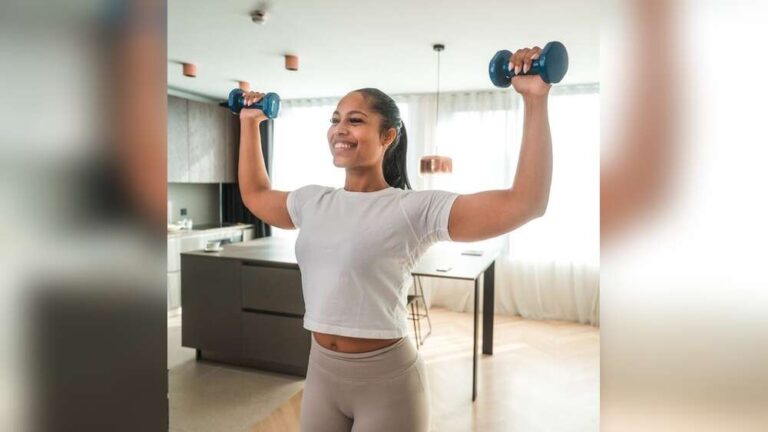
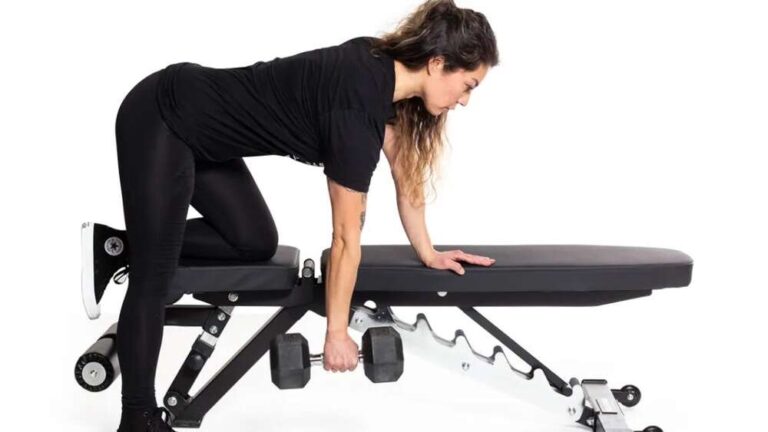
Strength training builds muscle and bone density. Use light weights or resistance bands to start. Focus on proper form to avoid injury. Aim for two to three sessions per week. Include exercises for all major muscle groups. Strong muscles support joints and improve posture. This reduces pain and boosts daily energy.
Flexibility And Balance Exercises
Stretching keeps muscles loose and flexible. Simple yoga or Pilates moves increase balance and core strength. Balance exercises reduce fall risk and improve coordination. Try standing on one foot or gentle stretches daily. These help your body move with ease and grace.
Creating A Balanced Workout Routine
Creating a balanced workout routine is key to staying healthy in your 40s. It helps your body stay strong and fit. It also lowers the risk of injury and keeps you motivated to keep moving. A good routine mixes different types of exercises and includes rest. This balance supports your body’s changing needs as you age.
Combining Cardio And Strength
Cardio exercises improve heart health and burn calories. Strength training builds muscle and supports your bones. Combining both helps your body work better. Try to include cardio like walking or cycling three times a week. Add strength workouts two or three times weekly. This mix keeps your body balanced and strong.
Scheduling Rest Days
Rest days help your muscles recover and grow. Without rest, your body can get tired and weak. Plan at least one or two rest days each week. Use these days to stretch or do light activities like yoga. Rest keeps you fresh and ready for your next workout.
Adjusting Intensity Levels
Your workout intensity should change with your energy and health. Start slow and increase effort over time. Listen to your body; slow down if you feel pain or tired. Adjusting intensity helps prevent injuries and keeps exercise enjoyable. It also helps you stick to your routine longer.

Credit: health.clevelandclinic.org
Nutrition And Hydration For Fitness
Eating right and drinking enough water play a big role in fitness after 40. Proper nutrition and hydration help your body recover and stay strong. They also keep your energy up during workouts. Choosing the right foods and fluids supports muscle repair and joint health. It reduces tiredness and helps avoid injuries. Understanding what to eat and how to stay hydrated can improve your exercise results.
Foods That Support Recovery
Protein is key for muscle repair. Include lean meats, fish, eggs, and beans in your meals. Healthy fats, like those in nuts and avocados, reduce inflammation. Whole grains give steady energy for workouts and recovery. Fruits and vegetables provide vitamins and antioxidants to protect cells. Eating balanced meals with these foods speeds up healing after exercise.
Hydration Guidelines
Drink water before, during, and after exercise. Your body loses fluids through sweat, so replace them often. Aim for at least eight cups of water daily. Increase intake on hot days or long workouts. Avoid sugary drinks and alcohol as they can cause dehydration. Staying hydrated keeps muscles working well and prevents cramps.
Supplements To Consider
Some supplements may help fitness in your 40s. Vitamin D supports bone health and muscle function. Omega-3 fatty acids reduce joint pain and stiffness. Magnesium aids muscle relaxation and energy production. Consult a doctor before starting any supplement. Use them to fill gaps, not replace healthy foods.
Listening To Your Body Signals
Listening to your body signals is key to safe exercise in your 40s. Your body sends signs to guide your activity level. Paying close attention helps avoid injuries and keeps workouts effective. Understanding these signals supports long-term fitness and health.
Recognizing Pain Vs. Discomfort
Discomfort is normal during exercise. It feels like muscle tiredness or a slight stretch. Pain signals something wrong. Sharp or sudden pain means stop immediately. Learn to tell the difference. Protect your body by acting on pain signals.
When To Modify Exercises
Adjust exercises if you feel persistent discomfort or pain. Change the movement or reduce intensity. Use easier versions of the exercise. Take breaks and rest more if needed. Modifications help maintain fitness without harm.
Seeking Professional Advice
Consult a trainer or doctor if pain continues. Professionals can find the cause and suggest safe exercises. They help create a plan suited to your body. Early advice prevents serious injuries and supports recovery.
Credit: magtheweekly.com
Tracking Progress Safely
Tracking your exercise progress is important in your 40s. It helps you stay motivated and avoid injury. Keeping safe while tracking progress means paying attention to how your body feels. It also means choosing tools and goals that fit your level and needs.
Using Fitness Apps And Tools
Fitness apps can help you record workouts and monitor changes. Choose apps with simple interfaces and clear instructions. Use tools like heart rate monitors to avoid overexertion. Track your steps, calories, and time spent exercising. Always listen to your body and adjust if you feel pain.
Setting Realistic Goals
Set goals that match your fitness level and lifestyle. Aim for small, steady improvements instead of big jumps. Realistic goals reduce the risk of injury and frustration. Write down your goals and review them regularly. Adjust goals as your strength and endurance improve.
Celebrating Milestones
Recognize your progress by celebrating small achievements. This can boost your motivation and confidence. Reward yourself with non-food treats like new workout gear. Share your milestones with friends or family for support. Celebrations help keep exercise fun and rewarding.

Credit: www.youtube.com
Frequently Asked Questions
How Often Should You Exercise In Your 40s?
Aim for at least 150 minutes of moderate exercise weekly. Spread workouts across 3-5 days for balanced fitness and recovery.
What Types Of Exercises Are Safest In Your 40s?
Focus on low-impact activities like swimming, walking, and yoga. Strength training and flexibility exercises also support joint health and muscle tone.
How Can You Prevent Injuries During Workouts In Your 40s?
Warm up properly and cool down after sessions. Use correct form, listen to your body, and avoid overexertion to minimize injury risks.
Should You Adjust Your Workout Intensity As You Age?
Yes, gradually increase intensity based on your fitness level. Avoid sudden high-impact or high-intensity workouts to protect joints and muscles.
Conclusion
Exercising safely in your 40s helps keep your body strong and healthy. Start slow and listen to your body’s signals. Choose activities that you enjoy and suit your fitness level. Rest well and stay hydrated to avoid injuries. Regular exercise improves mood, energy, and overall wellness.
Keep consistency, and your efforts will pay off. Stay mindful of your limits, and progress steadily. Your 40s can be a great time to build lasting healthy habits. Take care, stay active, and enjoy the journey.

Brandon Knoxley is a sport & fitness writer and training guide contributor at MySportFitHub. He focuses on practical workouts, performance-based training, and honest fitness gear insights designed for real people and real results. Brandon is passionate about helping beginners and active individuals train smarter, avoid common mistakes, and build sustainable fitness habits.