How to Protect Knees During Beginner Workouts: Essential Tips
Your knees play a huge role in every workout you do, especially when you’re just starting out. If you don’t protect them, you could end up with pain or injury that slows you down or stops you altogether.
But don’t worry—there are simple steps you can take right now to keep your knees strong and safe. Keep reading to discover easy tips that will help you work out confidently and avoid common knee problems. Your future self will thank you!
Credit: www.etsy.com
Common Knee Risks In Workouts
Knees face many risks during beginner workouts. These risks can cause pain and slow progress. Understanding common knee risks helps keep knees safe and healthy. Avoiding these risks allows a better workout experience.
Impact Of Poor Form
Poor form puts extra stress on knees. Incorrect bending or twisting can harm ligaments and joints. Even small mistakes cause big knee problems. Learning the right technique reduces injury risks. Focus on slow and controlled movements.
Overuse Injuries
Repeating the same exercise too much strains knees. Overuse causes swelling, pain, and stiffness. Beginners often push too hard too fast. Rest days and varying workouts help knees recover. Balance activity and rest to protect joints.
Inadequate Warm-up
Skipping warm-up increases knee injury chances. Cold muscles and joints are less flexible. Warm muscles absorb shock better during exercise. Simple stretches and light movements prepare knees. Always spend 5 to 10 minutes warming up.
Choosing Knee-friendly Exercises
Choosing knee-friendly exercises helps protect your joints during beginner workouts. This choice reduces pain and lowers injury risk. It also builds a strong foundation for future fitness goals.
Focusing on exercises that do not strain the knees keeps you active without discomfort. Understanding which movements support knee health improves your workout quality.
Low-impact Cardio Options
Low-impact cardio exercises are gentle on the knees. Walking, swimming, and cycling are excellent choices. These activities increase heart rate without harsh knee pressure. They improve endurance and help with weight control, which also eases knee stress.
Strengthening Supporting Muscles
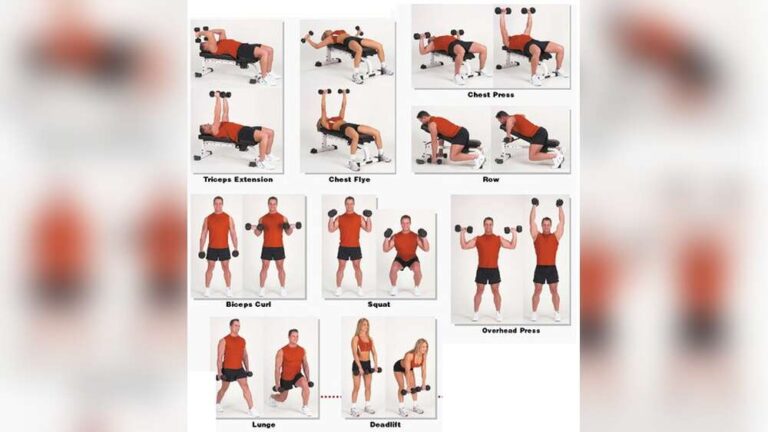
Strong muscles around the knee provide better joint support. Focus on the quadriceps, hamstrings, and calves. Exercises like leg lifts and gentle squats help build strength safely. This support reduces knee strain during daily activities and workouts.
Modifying High-impact Moves
High-impact exercises can harm sensitive knees if not modified. Change jumping or running to lower-impact versions. Use a softer surface or reduce speed and height of jumps. These adjustments keep the benefits while protecting your knees from damage.
Proper Warm-up And Cool-down
Proper warm-up and cool-down are key to protecting your knees during workouts. Warming up prepares your muscles and joints for exercise. Cooling down helps your body recover and reduces soreness. Both steps lower the risk of knee injury and improve workout results.
Dynamic Stretching Techniques
Dynamic stretches move your muscles and joints through full range. Examples include leg swings, knee lifts, and lunges. These stretches increase blood flow and loosen knee joints. They prepare your knees for the movements ahead. Avoid static stretching before workouts as it may reduce muscle strength.
Importance Of Gradual Intensity
Start your workout with low intensity. Gradually increase speed and effort over minutes. This gentle build-up helps your knees adjust to stress. Sudden high-intensity exercises can strain knee ligaments and muscles. Slow progression allows your body to stay safe and strong.
Post-workout Recovery Tips
After exercise, cool down with light walking or gentle stretching. This lowers heart rate and relaxes muscles around the knees. Use ice packs if you feel pain or swelling. Rest your knees to help healing. Drinking water aids recovery and keeps joints healthy.

Credit: www.dangerfieldsofshakopee.com
Using Supportive Gear
Using supportive gear helps protect your knees during beginner workouts. It reduces strain and provides extra stability. Supportive gear can make exercises safer and more comfortable. This gear is easy to use and fits most workout routines.
Knee Braces And Sleeves
Knee braces and sleeves give your knees extra support. They help keep the knee joint stable during movement. Braces can limit harmful motions that cause injury. Sleeves improve blood flow and reduce swelling. Both types protect your knees from stress and impact. Choose the right size for a snug, but not tight fit.
Appropriate Footwear
Wearing the right shoes is key to knee health. Good footwear absorbs shock and eases pressure on knees. Shoes with proper arch support help keep your body aligned. Avoid worn-out shoes as they increase injury risk. Pick shoes designed for your workout type. Proper footwear improves balance and reduces knee pain.
Compression Wear Benefits
Compression wear supports muscles and joints during exercise. It helps reduce muscle fatigue and soreness. The gentle pressure from compression wear improves blood circulation. This can speed up recovery after workouts. Compression gear also limits knee swelling and discomfort. It fits tightly but should not cut off circulation.
Maintaining Good Form
Maintaining good form during workouts helps protect your knees from injury. Proper form reduces stress on joints and muscles. It makes exercises safer and more effective. Beginners should focus on learning correct movements before increasing intensity.
Key Alignment Tips
Keep your knees aligned with your toes. Avoid letting knees collapse inward or push outward. Engage your core to support your lower body. Maintain a slight bend in the knees during exercises. Stand tall and avoid leaning forward or backward.
Common Mistakes To Avoid
Do not lock your knees during exercises. Avoid bending knees too far past your toes. Do not twist your knees in ways they do not move naturally. Avoid rushing through movements. Skipping warm-up or cool-down can also increase knee pain.
Seeking Professional Guidance
Ask a trainer to check your form early on. Professionals can spot errors you might miss. Physical therapists can help if you have knee pain. Group classes often provide guidance on safe techniques. Getting advice reduces risk and builds confidence.
Listening To Your Body
Listening to your body is key to protecting your knees during beginner workouts. Your body sends signals to help you avoid injury. Paying attention to these signals keeps your knees safe and helps you improve steadily.
Ignoring pain can cause damage. Learning the difference between normal workout feelings and harmful pain is important. This skill helps you adjust exercises and stay healthy.
Recognizing Pain Vs. Discomfort
Discomfort is a mild feeling during exercise. It means your muscles are working and getting stronger. Pain is sharp or intense. It may cause you to stop the exercise immediately. Pain often signals injury or strain.
Discomfort fades after a short time. Pain usually gets worse or stays constant. Trust your feelings and do not push through pain.
Adjusting Workout Intensity
Start exercises slowly. Increase intensity step by step. Lower the weight or reduce repetitions if you feel pain. Use easier variations of exercises. This helps your knees adapt and grow stronger safely.
Keep your movements controlled. Avoid fast or jerky motions. Proper form reduces knee stress and prevents injury.
When To Rest Or Seek Help
Rest if your knees feel sharp pain or swelling. Continuing may worsen the problem. Use ice and elevate your leg to reduce pain.
See a doctor if pain lasts more than a few days. Professional advice can prevent serious damage. Early care helps you recover faster and return to workouts safely.
Credit: www.cmhfreetown.com
Frequently Asked Questions
How Can Beginners Prevent Knee Pain During Workouts?
Beginners should warm up properly and use correct form. Strengthen surrounding muscles and avoid high-impact exercises. Gradually increase workout intensity to reduce knee strain and prevent pain.
What Are The Best Exercises To Protect Knees?
Low-impact exercises like swimming, cycling, and walking protect knees. Strength training focusing on quads and hamstrings supports knee stability. Avoid jumping and deep squats initially to prevent injury.
Should I Use Knee Braces For Beginner Workouts?
Knee braces can provide extra support for weak knees. They help stabilize joints and reduce pain during exercise. However, focus on strengthening muscles and improving form first.
How Important Is Proper Footwear For Knee Protection?
Proper footwear absorbs shock and provides good arch support. It reduces knee stress and improves alignment during workouts. Choose shoes designed for your specific activity and replace them regularly.
Conclusion
Protecting your knees during workouts keeps you active and pain-free. Start slow and focus on good form every time. Use proper shoes and avoid hard surfaces when possible. Strengthen muscles around your knees to give extra support. Listen to your body and rest if you feel pain.
Small changes make a big difference in knee health. Keep these tips in mind for safe, effective workouts. Your knees will thank you later. Stay consistent and enjoy your fitness journey without knee problems.

Brandon Knoxley is a sport & fitness writer and training guide contributor at MySportFitHub. He focuses on practical workouts, performance-based training, and honest fitness gear insights designed for real people and real results. Brandon is passionate about helping beginners and active individuals train smarter, avoid common mistakes, and build sustainable fitness habits.