
How to Know When to Increase Workout Intensity: Key Signs Revealed
Have you ever felt like your workouts just aren’t giving you the results you want? Knowing when to increase your workout intensity can be the key to breaking through plateaus and reaching your fitness goals faster.
But how do you tell if it’s time to push harder or stay where you are? You’ll discover simple signs your body gives you and smart ways to safely boost your workout challenge. Keep reading, and you’ll learn exactly when and how to take your fitness routine to the next level—without risking injury or burnout.

Credit: uppper.com
Benefits Of Increasing Workout Intensity
Increasing workout intensity brings many benefits. It helps your body adapt and grow stronger. Pushing yourself a bit more can improve your fitness faster.
Changing your workout level can keep you motivated. It stops your routine from becoming boring. Your muscles respond better to new challenges.
Improved Cardiovascular Health
Higher intensity workouts make your heart work harder. This strengthens your heart and lungs. Blood flow improves, helping your whole body stay healthy. You can do daily activities with less effort.
Faster Fat Loss
Intense exercise burns more calories in less time. It boosts your metabolism even after the workout ends. This helps reduce body fat quickly. You feel leaner and more energetic.
Increased Muscle Strength And Endurance
Working out harder builds stronger muscles. Your muscles also last longer during activities. This means less tiredness and better performance. Daily tasks and sports become easier to do.
Better Mental Health
Exercise intensity affects your brain positively. It releases chemicals that reduce stress and anxiety. Your mood improves and focus sharpens. You feel more confident and ready for challenges.
Enhanced Workout Efficiency
More intense sessions take less time. You get better results with shorter workouts. This fits well into busy schedules. No need to spend hours at the gym.

Credit: www.protyze.com
Signs Your Workout Is Too Easy
Knowing when your workout is too easy helps you improve faster. If your exercises feel simple, you might not get the best results. Watch for signs that show it is time to increase your workout intensity. This keeps your body challenged and growing stronger.
Lack Of Muscle Fatigue
Muscle fatigue means your muscles feel tired after exercise. If you finish your routine and your muscles feel fresh, the workout may be too easy. You need some muscle tiredness to build strength and endurance. Without it, your progress will slow down.
Minimal Sweat And Breathlessness
Sweating and heavy breathing show your body is working hard. Little sweat or breathlessness means your workout is not pushing your limits. Exercise should raise your heart rate and make you breathe harder. This helps improve your fitness and burn calories.
No Progress In Performance
Progress means lifting heavier weights or running faster over time. If you do the same exercises with no improvement, your workout might be too simple. Challenge your body by increasing weight, speed, or reps. This helps you gain strength and endurance steadily.
Tracking Your Fitness Progress
Tracking your fitness progress helps you know when to increase workout intensity. It shows how your body adapts to exercises. Regular tracking keeps your workouts effective and safe. It lets you see improvements clearly. This motivates you to push harder and reach new goals.
Using Heart Rate As A Guide
Heart rate reflects how hard your body works during exercise. Measure it before, during, and after workouts. A lower heart rate at the same effort means better fitness. If heart rate stays low, it’s time to increase intensity. Use a heart rate monitor or fitness tracker for accuracy.
Monitoring Workout Duration And Reps
Note how long you exercise and the number of reps you do. If you finish faster or do more reps easily, progress is clear. Increase workout time or reps to keep challenging your body. This avoids plateaus and helps build stamina and strength steadily.
Recording Strength And Endurance Gains
Keep a workout journal to log weights, sets, and how you feel. When you lift heavier weights or last longer, you improve strength and endurance. Regularly increasing these numbers signals readiness for tougher workouts. Tracking gains ensures steady and safe progress.
Credit: www.airforcemedicine.af.mil
When To Push Harder Safely
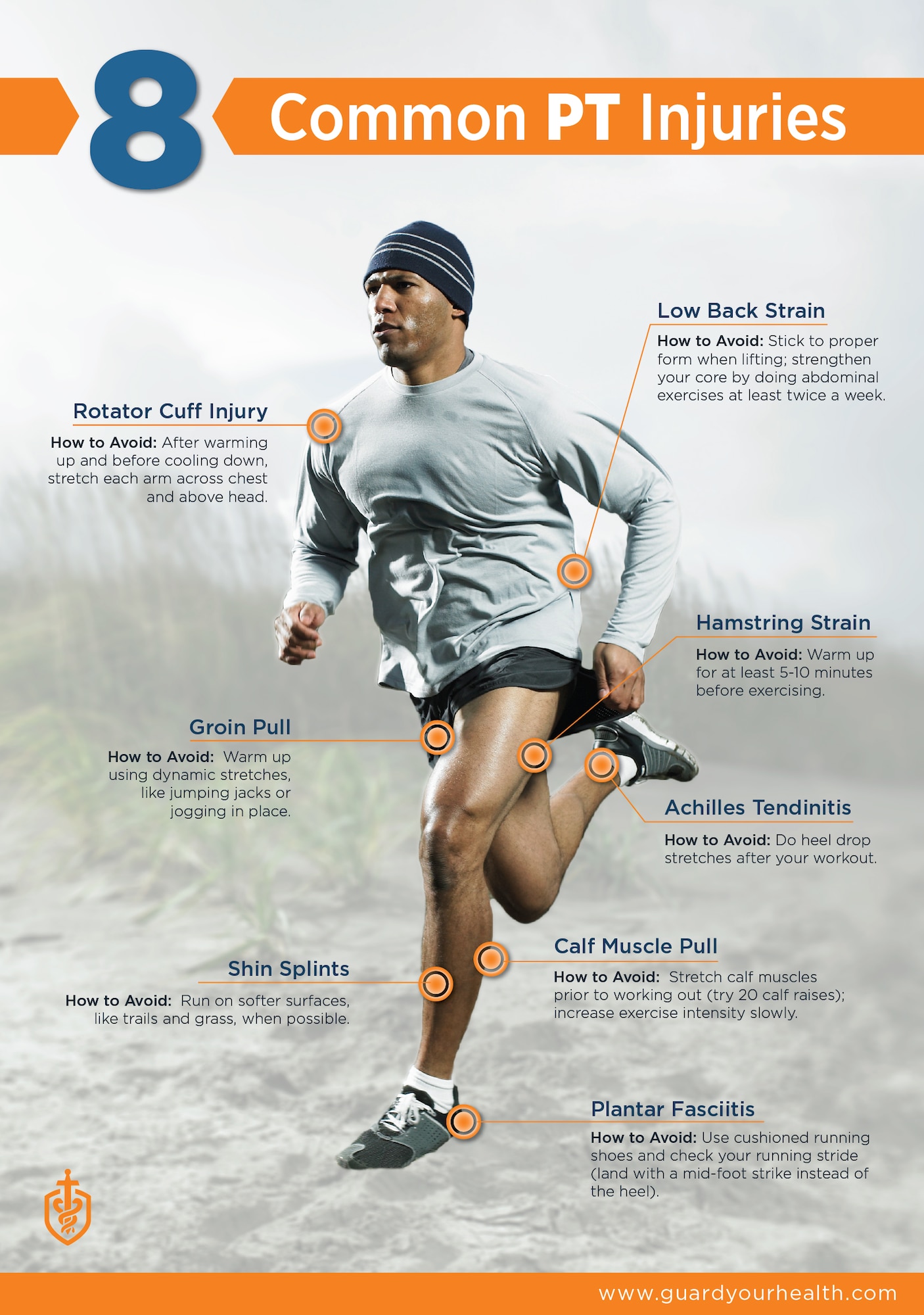
Pushing harder during workouts can lead to better results. Yet, it is important to increase intensity safely. Knowing the right moment helps avoid injury and burnout. Careful attention keeps progress steady and pain-free.
Listening To Your Body
Your body sends clear signals during exercise. Feeling strong and energized means you can push more. Mild muscle soreness is normal after a workout. Sharp pain or extreme tiredness means stop and rest. Breathing control is a good guide. If you can talk while exercising, intensity is right. If you struggle to breathe, slow down or pause.
Avoiding Overtraining Risks
Overtraining happens when you push too hard for too long. It causes fatigue, weak muscles, and poor sleep. Mood changes and lack of motivation may appear. Watch for constant soreness that does not go away. Sudden drops in performance show overtraining. Take breaks or lower workout intensity to recover. Avoid skipping rest days to prevent these risks.
Incorporating Rest And Recovery
Rest days help muscles heal and grow stronger. Sleep supports energy and muscle repair. Stretching and light activities on rest days reduce stiffness. Proper nutrition fuels your body for recovery. Balance intense workouts with enough rest for best results. Recovery is part of training, not a break from it.
Methods To Increase Workout Intensity
Increasing workout intensity helps your body grow stronger and fitter. It pushes your muscles to work harder. This leads to better results in less time. Different methods can raise the challenge in your routine. These changes keep your workouts fresh and effective.
Adding Weight Or Resistance
Adding weight makes your muscles work harder. Use dumbbells, resistance bands, or machines. Start with small increases to avoid injury. This method builds muscle strength and endurance. It also improves bone density and overall power.
Increasing Speed Or Reps
Faster movements raise your heart rate and burn more calories. Increase the number of repetitions to test your stamina. This method improves muscle endurance and cardiovascular health. Be sure to keep good form to prevent injuries.
Shortening Rest Periods
Rest less between sets to keep your heart rate high. Shorter breaks boost workout intensity without adding weight. This method enhances endurance and burns more fat. It also saves time during your exercise session.
Frequently Asked Questions
How Do I Know If My Workout Is Too Easy?
If you finish your workout feeling energetic and not challenged, intensity is likely too low. Lack of muscle fatigue or sweating suggests you can increase difficulty.
When Should I Increase Workout Intensity Safely?
Increase intensity when exercises feel manageable and recovery is quick. Gradually add weight, reps, or speed to avoid injury and improve strength.
What Signs Show I Need To Work Out Harder?
Signs include no muscle soreness, steady heart rate, and no progress in strength or endurance. These indicate your body has adapted to current intensity.
How Often Should Workout Intensity Be Increased?
Typically, increase intensity every 2-4 weeks depending on progress. Adjust based on how your body responds and avoids plateaus for continuous improvement.
Conclusion
Knowing when to increase workout intensity helps you grow stronger and avoid injury. Pay attention to your body’s signals and progress. When exercises feel easier, it may be time to challenge yourself more. Small steps work best for steady improvement.
Keep your goals clear and adjust your workouts wisely. Stay consistent and listen to your energy levels. Pushing too hard can cause setbacks, so balance is key. Your fitness journey improves when you increase intensity at the right pace. Trust your body and enjoy the process.

Brandon Knoxley is a sport & fitness writer and training guide contributor at MySportFitHub. He focuses on practical workouts, performance-based training, and honest fitness gear insights designed for real people and real results. Brandon is passionate about helping beginners and active individuals train smarter, avoid common mistakes, and build sustainable fitness habits.