How to Restart Fitness After Illness: Safe and Effective Tips
Feeling weak or out of shape after being sick can be frustrating. You want to get back to your fitness routine, but you’re unsure where to start or how hard to push yourself.
Restarting your workouts too quickly can lead to setbacks, while waiting too long might make it harder to regain your strength. This guide will help you find the right balance, so you can rebuild your fitness safely and confidently. Keep reading to discover simple, effective steps tailored just for you.
Assessing Your Readiness
Starting fitness again after illness needs care. Your body needs time to heal. You must check if you are ready. This step helps avoid injuries and setbacks. You feel stronger and safer moving forward.
Assessing your readiness means listening to your body and expert advice. It guides you to a smooth return to activity. No rush. Just steady steps for lasting health.
Consulting Your Doctor
Talk to your doctor before any exercise. They know your health history well. Doctors can suggest safe activities and limits. They check if your illness has fully healed. This helps prevent health risks during workouts.
Get clear advice on what is okay. Follow their instructions closely. Your doctor’s approval is key to restart fitness safely.
Recognizing Your Body’s Signals
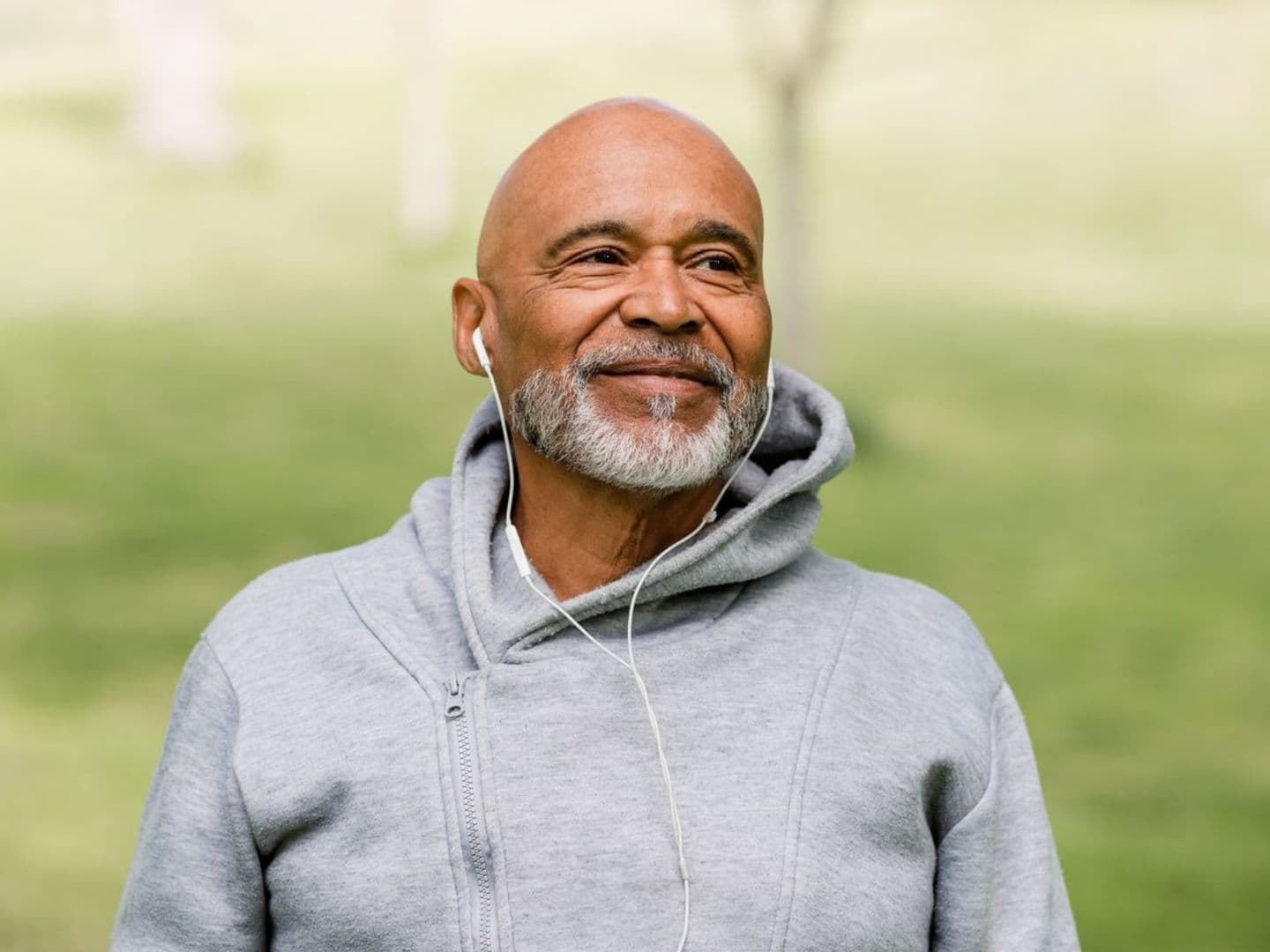
Pay attention to how your body feels. Watch for pain, dizziness, or unusual tiredness. These signs mean your body needs rest. Start with light exercises. Stop if any discomfort appears.
Notice your energy levels daily. Increase activity slowly as strength returns. Your body tells you what it can handle. Respect these signals for steady progress.
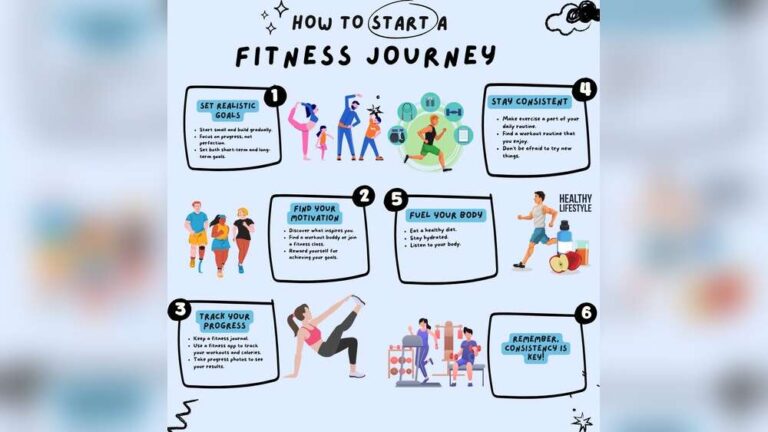
Credit: www.agebold.com
Setting Realistic Goals
Setting realistic goals is key after illness. It helps your body adjust without too much stress. Clear and simple goals keep you motivated. They show progress and build confidence. Avoid rushing or pushing too hard. Focus on steady, small steps forward.
Starting Small
Begin with easy exercises. Short walks or light stretching work well. Your body needs time to heal and adapt. Small goals reduce the risk of injury. They help you feel success early. This builds a strong habit for the future.
Tracking Progress
Write down your activities each day. Note how long and how hard you exercise. Seeing progress motivates you to keep going. Tracking helps spot patterns and adjust goals. Celebrate small wins to stay encouraged and focused.
Choosing Safe Exercises
Choosing safe exercises is very important after illness. The body needs gentle movements to regain strength. It helps avoid injury and builds confidence. Start with simple routines that match your current ability.
Focus on exercises that do not strain the body. These activities support healing and improve overall fitness slowly. Careful selection of exercises creates a steady path to full recovery.
Low-impact Activities
Low-impact exercises reduce stress on joints and muscles. Walking, swimming, and cycling are good examples. These activities increase heart rate without causing pain. They help improve endurance and muscle tone safely. Try to keep sessions short and increase time gradually.
Incorporating Flexibility And Balance
Flexibility and balance exercises prevent stiffness and falls. Stretching daily keeps muscles loose and joints mobile. Yoga and tai chi improve body control and relaxation. These exercises support coordination and reduce injury risk. Add them to your routine for better movement and stability.
Creating A Gradual Routine
Restarting fitness after illness needs care and patience. Your body needs time to adjust and heal fully. Creating a gradual routine helps prevent injury and builds strength safely. Start small and increase effort step by step. This approach keeps motivation high and reduces frustration. It also supports steady progress without overwhelming the body.
Increasing Intensity Slowly
Begin with light exercises to test your strength. Avoid pushing too hard too fast. Increase workout intensity by small amounts each week. Add more time, reps, or weight gradually. Listen to your body and stop if you feel pain. Slow progress helps your muscles and heart adapt well.
Scheduling Rest Days
Rest days are vital for recovery and growth. Plan regular breaks between workout days. Rest reduces fatigue and lowers injury risk. Use these days to stretch, walk, or relax. Proper rest keeps your energy up for future sessions. Balance between exercise and rest leads to better results.
Nutrition And Hydration
Nutrition and hydration play a big role in restarting fitness after illness. They help the body heal and regain strength. Choosing the right foods and fluids can support energy and muscle recovery. Drinking enough water keeps the body working well and avoids fatigue.
Supporting Recovery With Food
Eat foods rich in vitamins and minerals. Fruits and vegetables help repair tissues. Proteins like chicken, fish, and beans build muscles. Whole grains provide steady energy. Avoid heavy, greasy foods that slow digestion. Small, frequent meals keep energy levels steady. Focus on balanced meals to nourish your body.
Staying Hydrated
Drink water regularly throughout the day. Water flushes out toxins and supports cells. Avoid sugary drinks that cause energy crashes. Herbal teas can soothe and hydrate. Electrolyte drinks help if you sweat a lot or feel weak. Listen to your body’s thirst signals. Proper hydration aids in faster recovery and better workouts.
Managing Mental Well-being
Restarting fitness after illness is not only about the body. The mind plays a big part. Managing mental well-being helps you stay strong and focused. It supports your journey back to health. Mental care boosts your confidence and keeps stress low.
Staying Motivated
Set small, clear goals each day. Celebrate every little success you make. Write down why fitness matters to you. Keep reminders of your progress visible. Find simple exercises that bring you joy. Share your goals with friends or family. Their support can lift your spirits. Remember, slow progress is still progress.
Handling Setbacks
Expect some challenges; they are normal. Don’t be hard on yourself if you miss a day. Learn from what caused the setback. Adjust your plan to avoid the same issue. Take breaks when your body or mind feels tired. Speak kindly to yourself during tough times. Keep your focus on the bigger picture. Each day is a new chance to try again.
Monitoring Health During Workouts
Monitoring health during workouts is crucial after illness. It helps avoid setbacks and ensures steady progress. Paying close attention to your body’s signals supports safe exercise routines. Staying mindful prevents overexertion and promotes recovery.
Recognizing Warning Signs
Watch for unusual tiredness or shortness of breath. Dizziness, chest pain, or fast heartbeat are red flags. Muscle weakness or sharp pain should not be ignored. Stop exercising immediately if these signs appear. Knowing these signals protects your health.
Adjusting Workouts Accordingly
Lower intensity if you feel tired or weak. Shorten exercise sessions to match your energy level. Choose low-impact activities like walking or gentle stretching. Increase workout difficulty slowly and with caution. Rest days are important for healing and strength.

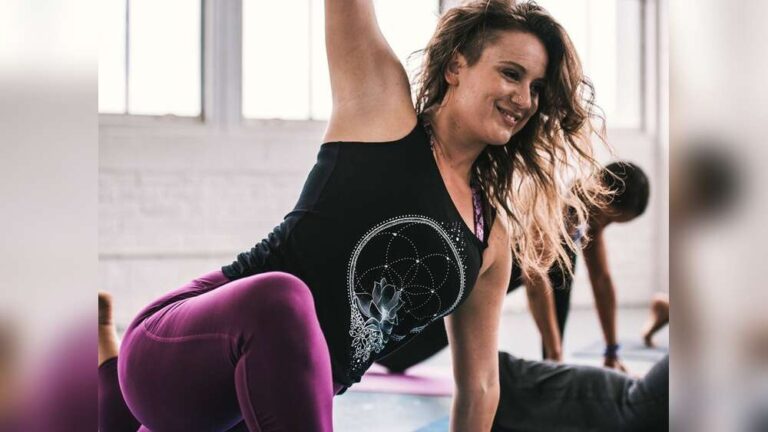
Credit: www.asiatri.com
Seeking Professional Support
Restarting fitness after an illness can be tough. The body needs time and care to heal fully. Seeking professional support helps create a safe and effective plan. Experts guide you through proper exercises that match your current health status. They watch your progress and adjust routines as needed. This approach reduces the risk of injury and builds confidence.
Working With Trainers
Fitness trainers understand how to tailor workouts for recovering bodies. They focus on gentle movements at first. Trainers check your form and breathing. They help you avoid pushing too hard too soon. Trainers also motivate and keep you accountable. Regular sessions with a trainer can speed up your recovery. They design plans that grow with your strength and stamina.
Physical Therapy Options
Physical therapists specialize in healing and restoring movement. They evaluate your physical limits and pain points. Therapy may include stretching, strengthening, and balance exercises. Therapists use hands-on techniques to ease stiffness and improve flexibility. They teach you exercises to do at home safely. Physical therapy supports long-term recovery and prevents setbacks. It is ideal for those with serious or ongoing health issues.
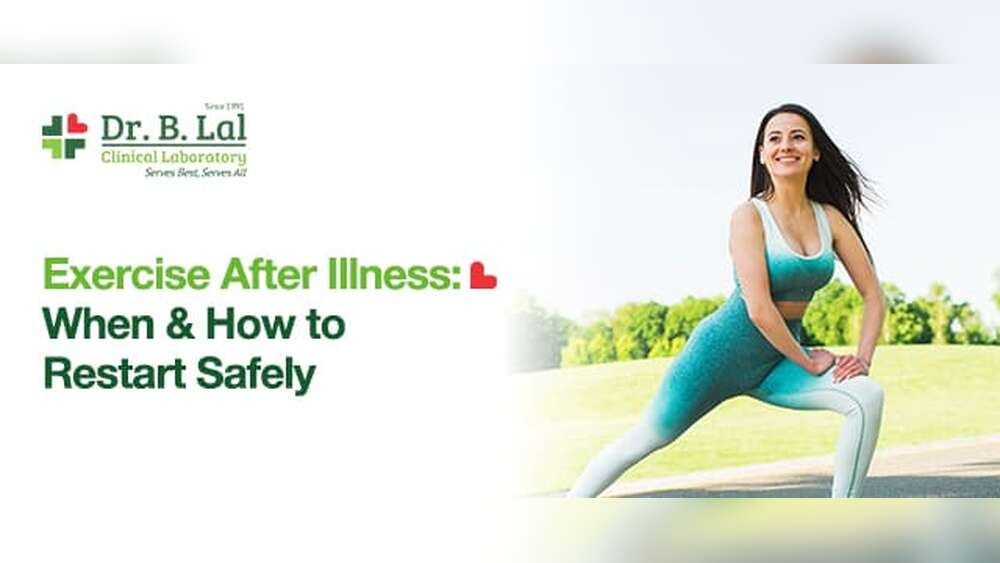
Credit: blallab.com
Frequently Asked Questions
How Soon Can I Restart Fitness After Illness?
Restart fitness only after full recovery and doctor’s approval. Start slowly to avoid setbacks. Listen to your body and progress gradually.
What Exercises Are Best After Illness Recovery?
Begin with low-impact exercises like walking, stretching, or yoga. These improve mobility and strength without overwhelming your body. Increase intensity as energy returns.
How To Avoid Relapsing When Restarting Fitness?
Pace yourself and avoid pushing too hard too fast. Rest adequately and stay hydrated. Monitor symptoms closely and adjust workouts accordingly.
Should I Change My Diet When Restarting Fitness?
Yes, focus on nutrient-rich foods to boost immunity and energy. Include proteins, vitamins, and minerals to aid recovery and support workouts.
Conclusion
Restarting fitness after illness takes patience and care. Start slow and listen to your body’s signals. Set small, clear goals to stay motivated. Consistency beats intensity when rebuilding strength. Remember, rest is as important as exercise. Celebrate every little progress you make.
Stay positive—your body can heal and get stronger. Keep your routine simple and enjoyable. This approach helps you return safely and confidently to fitness.
Brandon Knoxley is a sport & fitness writer and training guide contributor at MySportFitHub. He focuses on practical workouts, performance-based training, and honest fitness gear insights designed for real people and real results. Brandon is passionate about helping beginners and active individuals train smarter, avoid common mistakes, and build sustainable fitness habits.