How to Avoid Overtraining As a Fitness Beginner: Essential Tips
Are you excited to get fit but worried about pushing yourself too hard? Overtraining can sneak up on you, especially when you’re just starting out.
It can leave you feeling tired, sore, and frustrated—making your fitness goals feel out of reach. But what if you could avoid those setbacks and keep your progress steady and strong? You’ll discover simple, smart ways to protect your body while building your strength.
Keep reading, and learn how to stay energized, prevent injury, and make every workout count. Your fitness journey deserves a smooth start—let’s make sure you get it right.
Credit: blog.nasm.org
Signs Of Overtraining
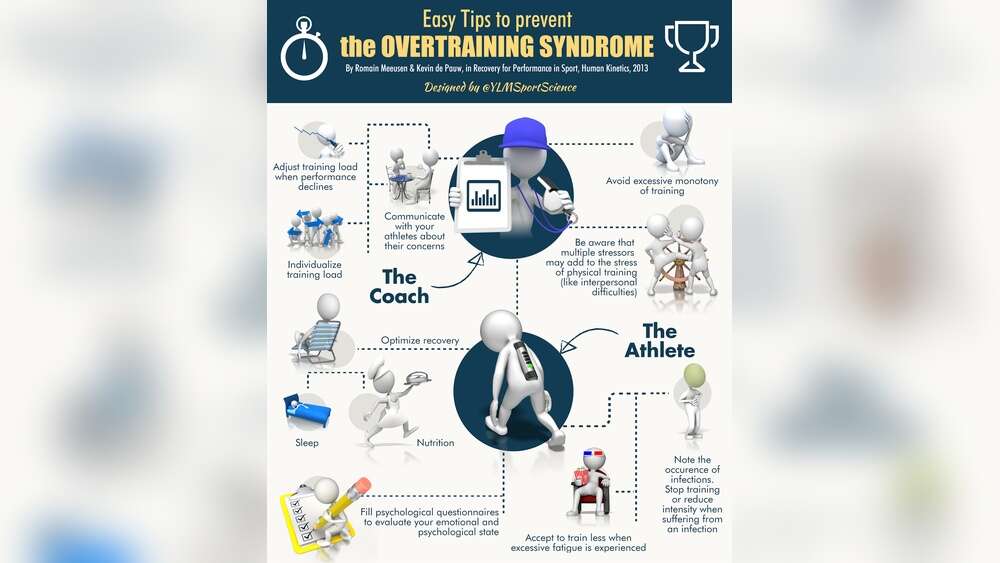
Overtraining happens when your body does not get enough rest between workouts. It can cause harm and slow your progress. Knowing the signs helps you stop overtraining early. Pay attention to changes in your body and mind. These signals tell you it’s time to take a break.
Physical Symptoms
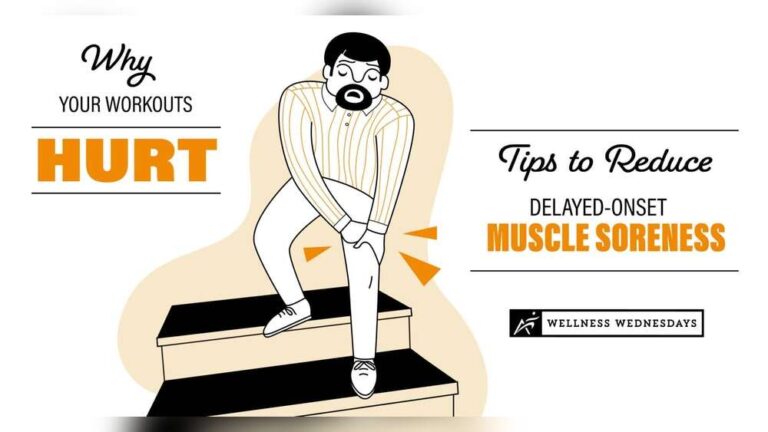
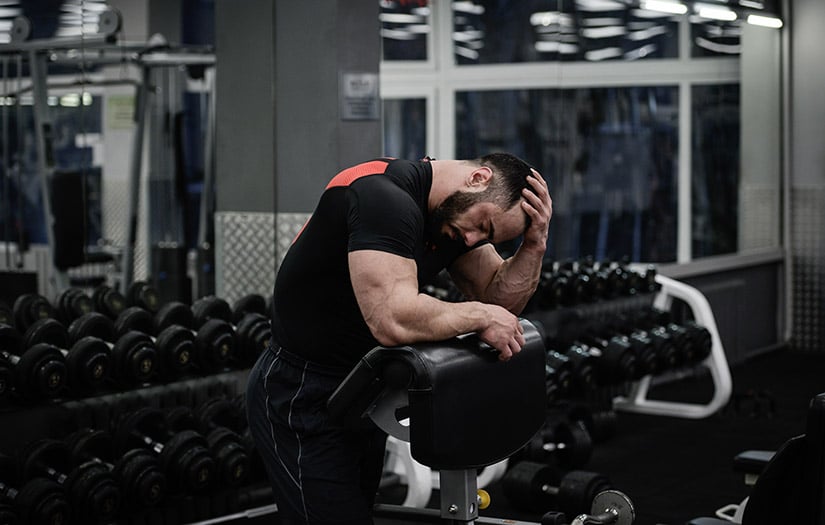
Muscle soreness that lasts for days is a common sign. You might feel constant tiredness or weakness. Your heart rate could be higher than usual, even when resting. Frequent injuries or joint pain also warn of overtraining. These signs mean your body needs rest and recovery.
Mental And Emotional Indicators
Feeling irritable or anxious without reason can occur. You may have trouble sleeping or feel restless at night. Losing motivation to exercise is another red flag. Overtraining can cause mood swings and low energy. These mental signs show your brain needs a break too.
Performance Decline
Your workout results may slow down or stop. You could lift less weight or run slower than before. Endurance might drop, making workouts harder to finish. Overtraining weakens your strength and stamina. Notice these changes early to avoid serious setbacks.
Credit: www.sanfordsports.com
Setting Realistic Goals
Setting realistic goals is key for fitness beginners. It helps avoid overtraining and keeps motivation high. Clear goals guide your workouts and rest days. They create a healthy balance between effort and recovery. Starting with achievable targets builds confidence and prevents burnout.
Assessing Your Fitness Level
Know your current fitness before starting any routine. Simple tests like walking distance or how many push-ups you do help. Write down what feels easy or hard. This shows where to begin and what to improve. Avoid pushing too hard at first. Your body needs time to adapt.
Creating A Balanced Routine
Plan workouts that mix strength, cardio, and rest days. This balance prevents muscle strain and fatigue. Include light activities like walking on rest days. Change exercises to work different muscles. Keep workout time manageable, around 30 to 45 minutes. Consistency matters more than intensity at the start.
Importance Of Rest Days
Rest days are crucial for anyone starting a fitness routine. They help your body heal and grow stronger. Without rest, your muscles stay tired and weak. Your energy levels drop, making workouts harder. Rest days also stop injuries before they begin. Skipping rest can lead to overtraining, which slows progress. Taking breaks lets your mind refresh too. This keeps motivation high and workouts fun.
How Rest Aids Recovery
Rest gives muscles time to repair small tears from exercise. This repair makes muscles bigger and stronger. It also lowers soreness and stiffness. Rest helps your nervous system recover, improving coordination and balance. Your heart and lungs get a chance to rebuild too. Without rest, your body stays in a stressed state. This stress can cause fatigue and poor sleep. Good rest improves your immune system and mood as well.
Scheduling Rest Periods
Plan rest days into your weekly workout schedule. Beginners should start with two rest days per week. These can be full rest or light activities like walking. Avoid training the same muscle groups two days in a row. Listen to your body and add extra rest if needed. Keep rest days consistent to build a healthy routine. Use rest periods to hydrate and eat nutritious foods. This supports muscle recovery and overall health.
Listening To Your Body
Listening to your body is key for fitness beginners. It helps you avoid overtraining and injury. Your body sends signals when it needs rest or less intensity. Paying attention to these signs keeps your workouts safe and effective.
Recognizing Warning Signs
Watch for constant tiredness or muscle pain. Soreness that lasts more than a few days is a warning. Trouble sleeping and lack of motivation also matter. These signs show your body needs a break. Ignoring them may lead to injury or burnout.
Adjusting Workouts Accordingly
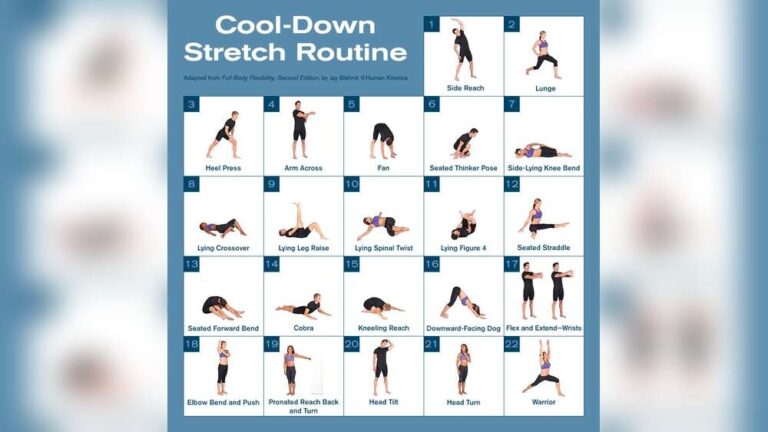
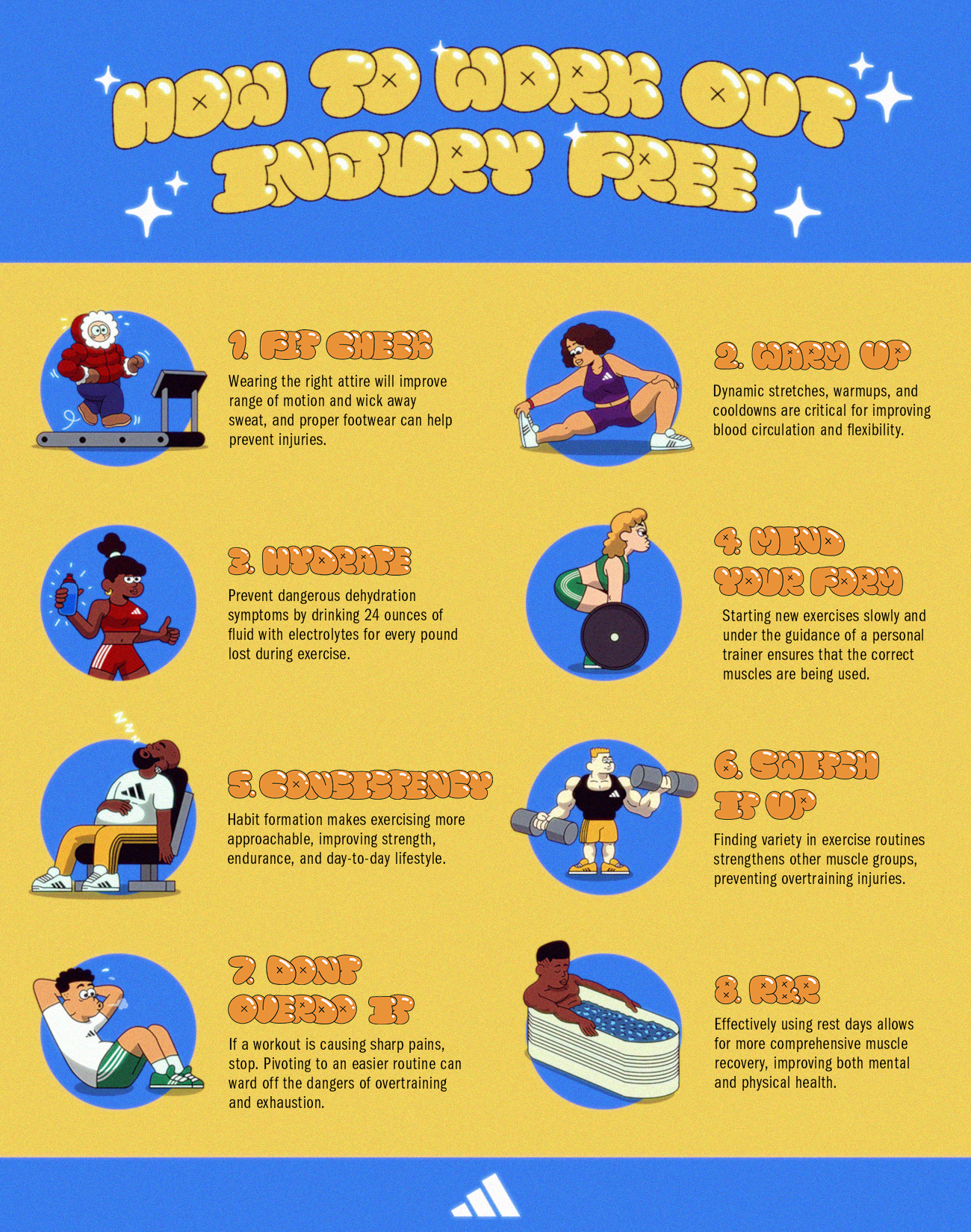
Cut back on workout time or intensity when feeling tired. Swap hard exercises for gentle activities like walking or stretching. Rest days are important and help your body heal. Gradually increase workout difficulty as your strength grows. This approach keeps progress steady and prevents overtraining.
Proper Nutrition And Hydration
Proper nutrition and hydration play a big role in avoiding overtraining. They help the body recover and stay strong. Eating the right foods and drinking enough water supports muscles and energy levels. Beginners often miss this part and push too hard. Fueling and hydrating correctly can prevent injuries and fatigue.
Fueling For Recovery
Eating after exercise helps muscles repair. Choose foods with protein and healthy carbs. Protein builds muscle and repairs tissue. Carbs refill energy stores used during workouts. A snack or meal within 30 minutes is best. Examples include yogurt with fruit or a turkey sandwich. Avoid heavy or greasy foods right after training.
Hydration Tips
Water keeps the body cool and working well. Drink water before, during, and after exercise. A good rule is to sip small amounts often. Thirst means the body is already low on fluids. Avoid sugary drinks and caffeine after workouts. They can dehydrate you more. Plain water or drinks with electrolytes work well.
Incorporating Cross-training
Incorporating cross-training is a smart way to avoid overtraining as a fitness beginner. It means mixing different types of exercises in your routine. This helps your body recover and prevents injury. Cross-training also keeps workouts fresh and interesting. You use different muscles and improve overall fitness.
Benefits Of Variety
Variety in exercise stops your body from getting too tired. It lowers the risk of muscle strain and joint pain. Different workouts improve strength, endurance, and flexibility. This balance helps you stay active longer without burnout. Your motivation stays high because workouts feel new and fun.
Sample Cross-training Activities
Try swimming to work your whole body gently. Cycling builds leg strength without heavy impact. Yoga improves flexibility and helps relax muscles. Light jogging boosts heart health with less stress on joints. Mixing these activities spreads the effort across your body. This makes fitness easier and safer.
Tracking Progress Safely
Tracking progress safely helps avoid overtraining. It lets you see how your body reacts to workouts. You can adjust your routine to stay healthy and improve steadily. Careful tracking protects muscles and joints from too much strain. It also keeps motivation high by showing real results.
Using Fitness Apps
Fitness apps make tracking easy and organized. They record workouts, sets, and reps automatically. Many apps show charts to compare your progress over time. Some apps remind you to rest and recover properly. They help beginners stay on the right path without guessing. Simple apps work best to avoid confusion and mistakes.
Monitoring Intensity And Volume
Keep an eye on how hard and how much you train. Intensity means the effort level of each session. Volume means the total work done, like weight lifted or time spent. Write down these details after every workout. Lower intensity or volume if you feel tired or sore. Balance effort and rest to prevent burnout and injury.
Credit: www.adidas.com
When To Seek Professional Advice
Knowing when to seek professional advice helps prevent serious health issues. Overtraining can harm your body and slow progress. Recognizing the right time to ask for help keeps workouts safe and effective.
Consulting Trainers
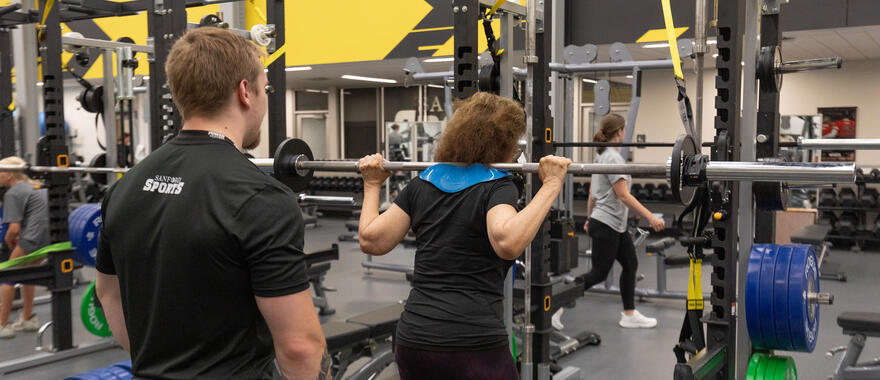
Trainers offer expert guidance tailored to your fitness level. They design plans that balance exercise and rest. Trainers spot early signs of overtraining you might miss. Their advice helps avoid injuries and burnout. Beginners benefit from their experience and support.
Recognizing Serious Overtraining
Serious overtraining shows through constant fatigue and pain. Sleep problems and mood swings also signal trouble. Reduced strength or performance means your body needs rest. Ignoring these signs can lead to injuries. Seek professional help to recover safely and adjust your routine.
Frequently Asked Questions
What Are The Signs Of Overtraining In Beginners?
Signs include persistent fatigue, decreased performance, muscle soreness, irritability, and disrupted sleep. Beginners should watch for these to avoid injury and burnout.
How Often Should Beginners Train To Prevent Overtraining?
Beginners should train 3-4 times per week with rest days. This balance helps muscles recover and reduces the risk of overtraining.
Can Nutrition Help Avoid Overtraining In Fitness Beginners?
Yes, proper nutrition supports recovery and energy levels. Eating protein, carbs, and staying hydrated are vital to prevent overtraining effects.
Why Is Rest Important To Avoid Overtraining?
Rest allows muscles to repair and grow stronger. Without rest, the risk of injury and fatigue increases, slowing progress.
Conclusion
Avoiding overtraining helps your body heal and grow stronger. Rest days are just as important as workout days. Listen to your body’s signals and adjust your routine. Start slowly and increase exercise intensity step by step. Balanced workouts prevent injury and keep you motivated.
Remember, fitness is a long journey, not a race. Taking care of yourself leads to better results and lasting health. Keep it simple, stay consistent, and enjoy the process.

Brandon Knoxley is a sport & fitness writer and training guide contributor at MySportFitHub. He focuses on practical workouts, performance-based training, and honest fitness gear insights designed for real people and real results. Brandon is passionate about helping beginners and active individuals train smarter, avoid common mistakes, and build sustainable fitness habits.