How to Stay Consistent With Workouts As a Beginner: Proven Tips
Starting a workout routine can feel exciting but also overwhelming. You might wonder how to keep going when motivation fades or life gets busy.
The truth is, staying consistent with workouts isn’t about pushing yourself to the limit every day. It’s about creating simple habits that fit your life and keep you moving forward. You’ll discover easy, practical tips designed just for beginners like you.
By the end, you’ll have a clear plan to make your workouts a natural part of your routine—no excuses needed. Ready to build consistency and see real progress? Let’s dive in.

Credit: www.vanswefitness.com
Set Realistic Goals
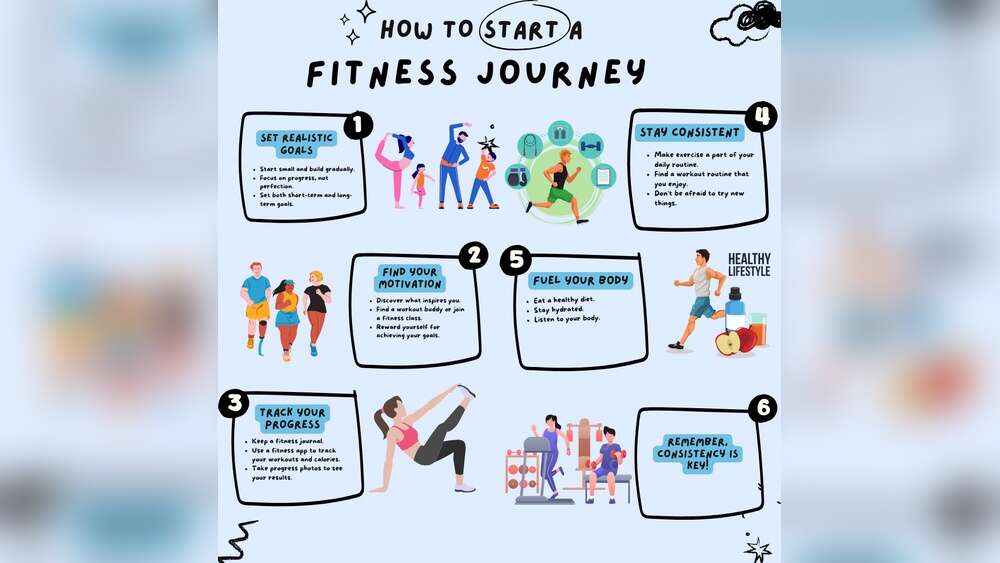
Setting realistic goals is key to staying consistent with workouts. Goals guide your efforts and keep motivation high. Unrealistic goals can lead to frustration and quitting. Start with clear, simple targets that fit your lifestyle. This approach helps build confidence and steady progress.
Short-term Vs Long-term Targets
Short-term goals focus on small, quick wins. They keep you motivated day by day. Examples include completing three workouts a week or improving your running time by one minute.
Long-term targets look at bigger achievements. These might be losing weight, building muscle, or running a 5K race. Breaking these into smaller steps makes them easier to reach.
Measuring Progress
Track your workouts and results regularly. Use a journal or an app to note what you do. Seeing progress, like more reps or longer workouts, boosts motivation.
Focus on how you feel and what you achieve, not just numbers. Celebrate small wins to keep your energy up. This will help you stay on track and enjoy your workout journey.

Credit: www.genexuk.co.uk
Create A Workout Schedule
Creating a workout schedule helps you stay on track and build good habits. It sets a clear plan for your exercise sessions. This plan makes workouts part of your daily life. Consistency becomes easier with a set routine. You will know exactly when to exercise each day. This removes guesswork and excuses.
Finding The Best Time
Pick a time that fits your daily rhythm. Some people feel more energetic in the morning. Others perform better in the afternoon or evening. Choose a time you can stick to regularly. Avoid times when you feel tired or rushed. A consistent workout time helps form a habit. Write it down or use a reminder. Treat this time as an important appointment.
Balancing Work And Exercise
Work and exercise must fit together smoothly. Plan workouts around your job and family duties. Short sessions can work well on busy days. Use breaks or early mornings for quick exercises. Avoid skipping workouts due to a full schedule. Small, consistent efforts add up over time. Adjust your plan if your work hours change. Balance keeps you motivated and reduces stress.
Start With Simple Exercises
Starting with simple exercises helps beginners build confidence and avoid injury. Simple workouts fit easily into daily routines. They make staying active less overwhelming. The key is to keep exercises manageable and enjoyable. This approach encourages regular practice and steady progress.
Low-impact Workouts
Low-impact workouts are gentle on the joints. Walking, swimming, or cycling are good examples. These exercises increase heart rate without strain. They help improve endurance and muscle tone. Beginners can practice these activities several times a week. Consistency improves overall fitness without causing pain.
Building A Foundation
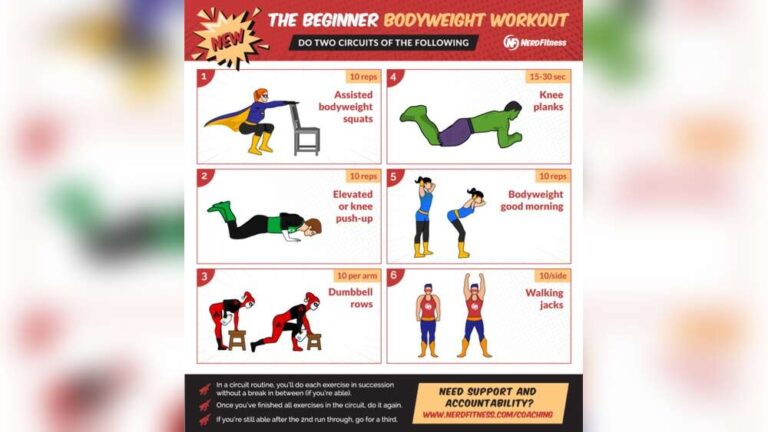
Simple exercises lay the groundwork for future workouts. Focus on basic movements like squats, lunges, and push-ups. These build strength and improve balance. Mastering these basics prepares the body for harder exercises later. Start slow, then increase reps as strength grows. A strong foundation reduces injury risk and boosts confidence.
Track Your Progress
Tracking your progress is key to staying consistent with workouts. It helps you see how far you have come. It also motivates you to keep going. Without tracking, it is easy to lose focus and skip sessions. Tracking shows small wins and big changes over time. This keeps your energy and commitment high.
Using Fitness Apps
Fitness apps make tracking easy and fun. They record your workouts and show your progress clearly. Some apps count steps, track calories, or log workout types. You can set goals and get reminders to exercise. Many apps also offer workout plans and tips. Using an app keeps your progress in one place.
Keeping A Workout Journal
A workout journal is a simple way to track progress. Write down exercises, sets, and how you feel. Note any improvements or challenges each day. Journals help you spot patterns and adjust your routine. They also serve as a personal record of your journey. Writing by hand can make progress feel more real.
Find Motivation And Support
Finding motivation and support is key to staying consistent with workouts. Many beginners start strong but lose interest over time. Support from others helps keep you on track. Motivation grows when you share your goals and progress. It becomes easier to push through tough days.
Workout Buddies
Having a workout buddy makes exercise more fun. You can encourage each other and share tips. Meeting someone for workouts adds accountability. You won’t want to skip sessions if someone waits for you. Buddies also make workouts feel less lonely and more social.
Joining Fitness Communities
Fitness communities connect you with people who share your goals. Online groups or local clubs offer support and advice. Members celebrate each other’s progress, boosting motivation. These communities provide ideas for workouts and challenges. Being part of a group helps keep your commitment strong.
Overcome Common Obstacles
Starting a workout routine can be tough. Many beginners face obstacles that stop them from staying consistent. Knowing how to overcome these challenges helps keep you on track. Two common problems are managing time and staying motivated. Understanding these can make a big difference in your fitness journey.
Managing Time Constraints
Finding time for workouts is a common challenge. Busy schedules often leave little room for exercise. Try to schedule workouts like appointments. Short sessions, even 10-15 minutes, are better than none. Use breaks during the day for quick exercises. Preparing workout clothes and gear the night before saves time. Prioritize your health by making fitness a daily habit.
Dealing With Lack Of Motivation
Motivation can dip, especially in the beginning. Set small, clear goals to keep focus. Celebrate every achievement, no matter how small. Workout with a friend for support and fun. Change your routine to avoid boredom. Remind yourself why you started. Sometimes, just starting the workout helps bring back motivation.
Celebrate Small Wins
Celebrating small wins is a powerful way to stay motivated with workouts. It helps beginners feel good about their progress. Small victories build confidence and keep you moving forward. Recognizing these moments creates a positive workout habit.
Reward Systems
Set up simple rewards for reaching workout goals. It could be a favorite snack, a new playlist, or extra rest time. Rewards make exercise more enjoyable and something to look forward to. Keep rewards small but meaningful to stay motivated.
Recognizing Improvements
Track your progress by noting small improvements. This can be lifting a bit more weight or running a little farther. Write down these changes to see your growth clearly. Seeing progress, even small, encourages you to keep working out.
Adjust And Evolve Your Routine
Adjusting and evolving your workout routine keeps your progress steady and your mind fresh. Sticking to the same exercises for too long can slow your results. Changing your routine helps your body improve and avoids boredom. Small tweaks can make a big difference in your workout success.
Avoiding Plateaus
Plateaus happen when your body stops improving. This can feel frustrating and slow your progress. Change your workout intensity, reps, or rest time to push past plateaus. Try adding new exercises or increasing weights gradually. Your muscles respond well to new challenges.
Incorporating Variety
Variety keeps workouts interesting and targets different muscles. Mix cardio, strength, and flexibility exercises for balanced fitness. Try new activities like swimming, cycling, or yoga. This prevents boredom and keeps your motivation high. Variety also reduces the risk of injury.

Credit: adamascrossfit.com
Frequently Asked Questions
How Often Should Beginners Workout To Stay Consistent?
Beginners should aim for 3 to 4 workouts per week. This frequency balances progress and recovery, helping build a sustainable routine without burnout.
What Are Simple Tips To Maintain Workout Motivation?
Set clear goals, track progress, and celebrate small wins. Vary your exercises and find a workout buddy to stay motivated and consistent.
How Can Beginners Avoid Workout Burnout Quickly?
Start with manageable workout durations and intensities. Include rest days, listen to your body, and gradually increase workout challenges to prevent burnout.
What Role Does Nutrition Play In Workout Consistency?
Proper nutrition fuels energy and aids recovery. Eating balanced meals with protein, carbs, and healthy fats supports consistent workouts and overall fitness progress.
Conclusion
Staying consistent with workouts takes time and patience. Set small goals and track your progress. Find exercises you enjoy to keep motivation high. Rest days are important for your body to recover. Remember, every effort counts, no matter how small.
Keep pushing, and results will come. Consistency builds habits that last a lifetime. Stay positive and believe in yourself. Your fitness journey is unique—trust the process.

Brandon Knoxley is a sport & fitness writer and training guide contributor at MySportFitHub. He focuses on practical workouts, performance-based training, and honest fitness gear insights designed for real people and real results. Brandon is passionate about helping beginners and active individuals train smarter, avoid common mistakes, and build sustainable fitness habits.