How to Avoid Burnout from Fitness Routines: Expert Tips to Thrive
Are you feeling tired, frustrated, or unmotivated with your fitness routine? Burnout can sneak up on anyone, turning your workouts from something you enjoy into a dreaded chore.
But what if you could keep your energy high and your passion alive, day after day? This article will show you simple, practical ways to avoid burnout and stay excited about your fitness journey. Keep reading, and discover how to make your workouts something you look forward to, not something you just have to get through.

Credit: sunnyhealthfitness.com
Signs Of Fitness Burnout
Fitness burnout happens when exercise feels more like a chore than a joy. It makes staying active hard and can stop progress. Spotting the signs early helps you change your routine and feel better. These signs show up in your body, mind, and workout results.
Physical Symptoms
Feeling tired all the time is a common sign. Muscle soreness lasts longer than usual. Sleep may become restless or interrupted. Headaches or stomach issues might start appearing. Your body feels weaker, not stronger.
Mental And Emotional Indicators
Exercise may feel boring or frustrating. You might lose interest in workouts you once liked. Stress and anxiety can increase around training times. Mood swings or irritability become more frequent. Motivation drops, making it hard to start exercising.
Performance Decline
Your workout results may stop improving. Strength, speed, or endurance might decrease. Exercises that were easy feel tougher now. Recovery takes longer between sessions. Progress stalls despite hard work.
Common Causes Of Burnout
Burnout from fitness routines happens when stress builds up over time. It can make exercise feel like a chore. Many factors cause this feeling. Understanding these common causes helps prevent burnout early. Here are the key reasons people lose motivation and energy in their workouts.
Overtraining
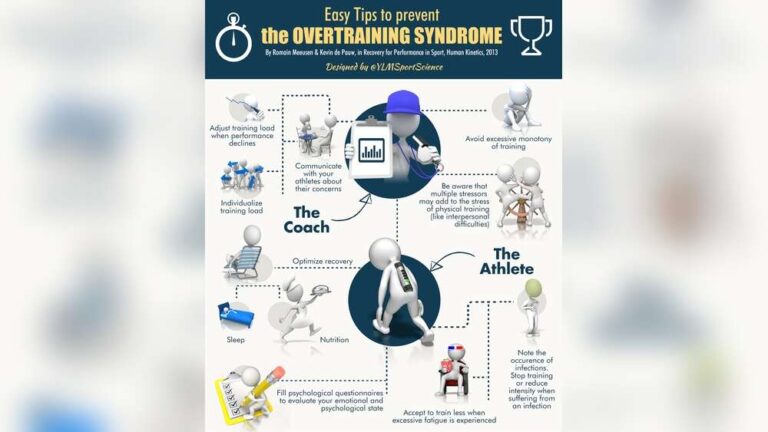
Overtraining means exercising too much without breaks. The body needs time to heal. Too many workouts can cause pain and tiredness. This makes exercise unpleasant and hard to continue. Overtraining lowers performance and increases injury risk. Rest days are essential to avoid this problem.
Lack Of Recovery
Recovery means giving your body time to repair. Without enough rest, muscles stay sore and weak. Sleep and proper nutrition help recovery. Skipping recovery leads to constant fatigue and poor results. Recovery is as important as the workout itself for progress.
Unrealistic Goals
Setting goals that are too hard or fast causes frustration. When goals feel out of reach, motivation drops. Small, clear goals keep workouts enjoyable and achievable. Realistic targets build confidence and keep you moving forward. Adjust goals based on your progress and feelings.
Balancing Workouts And Rest
Balancing workouts and rest is key to a healthy fitness routine. Too much exercise can tire your body and mind. Too little rest slows progress and increases injury risk. Finding the right balance helps you stay active and avoid burnout.
Importance Of Recovery Days
Recovery days let muscles heal and grow stronger. Without rest, the body stays stressed and weak. Taking days off improves your energy and performance. Recovery helps prevent injuries and keeps workouts effective.
Incorporating Active Rest
Active rest means light activity on rest days. Walking, stretching, or gentle yoga are good choices. These activities boost blood flow and reduce muscle stiffness. Active rest refreshes the body without strain.
Listening To Your Body
Your body signals when it needs a break. Soreness, fatigue, or low motivation are warning signs. Respect these signs and adjust your routine. Listening to your body prevents burnout and supports long-term fitness.

Credit: theclubps.com
Varying Your Fitness Routine
Varying your fitness routine helps keep exercise fun and fresh. It stops boredom and lowers the risk of burnout. Changing workouts also helps your body grow stronger in many ways. This section shows easy ways to add variety without stress.
Cross-training Benefits
Cross-training means mixing different exercise types. It works different muscles and avoids overuse injuries. Your body stays balanced and gets stronger overall. Cross-training can improve endurance, strength, and flexibility all at once. It also keeps your mind engaged during workouts.
Trying New Activities
Trying new activities breaks the usual workout pattern. It makes exercise exciting and less routine. New activities challenge your body in fresh ways. They can be swimming, dancing, hiking, or yoga. Exploring different exercises builds new skills and keeps motivation high.
Adjusting Intensity Levels
Changing workout intensity helps prevent burnout. Mix hard days with easy days to let your body rest. Lower intensity workouts help recovery and reduce fatigue. Higher intensity sessions improve fitness and burn more calories. Adjusting intensity keeps your routine balanced and sustainable.
Setting Realistic Goals
Setting realistic goals is key to avoiding burnout in fitness routines. Goals give direction and keep motivation alive. Unrealistic targets cause stress and make you quit early. Realistic goals fit your lifestyle and current fitness level. They help you stay consistent and enjoy progress. Break big goals into smaller, manageable steps for better success.
Short-term Vs Long-term Targets
Short-term targets are small and quick to achieve. They build confidence and keep you moving forward. Long-term targets focus on big achievements like running a marathon. Both types work well together. Short-term goals lead to long-term success. Adjust them as you improve or face challenges.
Tracking Progress
Track your progress to see how far you’ve come. Use a journal, app, or photos to record workouts. Tracking helps identify what works and what needs change. It keeps you honest and focused. Celebrate progress, not just results. Small improvements add up over time.
Celebrating Small Wins
Small wins boost your mood and motivation. Finished your first week of workouts? Great job! Reached a new personal best? Celebrate it. Rewards don’t need to be big. A rest day or a healthy treat works well. These small celebrations keep your fitness journey enjoyable.
Nutrition And Hydration Tips
Nutrition and hydration play a key role in avoiding burnout from fitness routines. Proper fuel helps your body recover and keep energy levels steady. Staying hydrated supports all body functions and prevents fatigue. Simple changes in eating and drinking habits can make a big difference in your workout experience.
Fueling For Energy
Eating the right foods before and after exercise is important. Focus on carbs for quick energy and protein for muscle repair. Small meals or snacks every few hours keep energy steady. Avoid heavy or greasy foods that make you feel tired. Fresh fruits, vegetables, lean meats, and whole grains work best.
Importance Of Hydration
Water keeps your body cool and helps muscles work well. Drink water before, during, and after workouts. Dehydration causes tiredness and slows recovery. Sports drinks can help during long or intense exercise but watch the sugar content. Carry a water bottle to remind yourself to drink often.
Supplements To Support Recovery
Some supplements can help your body recover faster. Protein powders can be useful if you struggle to eat enough protein. Omega-3 fatty acids reduce inflammation and support joint health. Vitamins like B-complex and C help with energy and immune function. Always choose quality products and consult a health expert before starting supplements.
Mental Strategies To Stay Motivated
Staying motivated in a fitness routine can be tough. Mental strategies help keep focus and energy high. They support your mind and body as you work toward your goals. These techniques reduce stress and prevent burnout. Below are simple mental practices to boost your motivation.
Mindfulness And Meditation
Mindfulness means paying full attention to the present moment. It helps you notice your body’s signals during exercise. Meditation can calm your mind and ease tension. Practicing a few minutes daily improves focus and reduces anxiety. This makes workouts feel less like a chore. Clear mind, better performance.
Visualization Techniques
Visualization involves imagining success before workouts. Picture yourself completing exercises with strength and ease. See the progress and positive changes in your body. This mental rehearsal builds confidence and motivation. It trains your brain to expect good results. Visualize regularly to keep your spirit strong.
Building A Support System
Having friends or workout partners creates motivation. They offer encouragement and share your challenges. Support groups keep you accountable and make exercise fun. Talking about your goals can boost your commitment. Find people who understand your fitness journey. Together, you can push through tough days.
When To Seek Professional Help
Burnout from fitness routines can affect your body and mind deeply. Knowing when to seek professional help is key to staying healthy and motivated. Professionals can guide you through tough moments and help you enjoy exercise again.
Consulting Trainers And Coaches
Trainers and coaches understand fitness challenges well. They can adjust your workout plan to fit your needs. They spot signs of overtraining or poor technique early. Asking for advice prevents injury and keeps progress steady. Trainers help you set realistic goals and stay motivated.
Recognizing Need For Medical Advice
Persistent pain or extreme fatigue needs medical attention. Doctors can check for injuries or health issues. They recommend treatments or rest to support recovery. Ignoring symptoms can worsen problems and delay healing. Regular check-ups help catch issues before they grow.
Therapy For Mental Health
Burnout affects your mood and energy too. Talking to a therapist helps manage stress and anxiety. Therapy offers tools to cope with pressure and avoid burnout. Mental health support improves focus and emotional balance. It makes fitness a positive, enjoyable part of life.
Credit: www.cdphpfitnessconnect.org
Frequently Asked Questions
How Can I Recognize Early Signs Of Fitness Burnout?
Early signs include constant fatigue, lack of motivation, and persistent soreness. You may also feel irritable or anxious about workouts. Recognizing these signs helps you adjust your routine to prevent burnout and maintain long-term fitness progress.
What Are The Best Rest Strategies To Prevent Burnout?
Incorporate regular rest days and prioritize quality sleep. Use active recovery like gentle stretching or walking. Balancing intense workouts with rest reduces physical and mental stress, helping your body heal and stay motivated.
How Does Variety In Workouts Reduce Fitness Burnout?
Changing exercises keeps workouts interesting and challenges different muscles. It prevents boredom and overuse injuries. Mixing cardio, strength, and flexibility training boosts overall fitness and helps maintain enthusiasm over time.
Can Nutrition Impact Fitness Burnout Recovery?
Yes, proper nutrition fuels recovery and energy levels. Eating balanced meals with protein, healthy fats, and carbs supports muscle repair. Staying hydrated also prevents fatigue and improves workout performance.
Conclusion
Avoiding burnout in fitness means listening to your body daily. Rest days are as important as workout days. Change your routine often to keep workouts fresh and fun. Set small goals to stay motivated and track progress. Drink water, eat well, and sleep enough.
Remember, fitness is a journey, not a race. Enjoy every step, and stay kind to yourself. Balance helps you keep going strong for the long run.

Brandon Knoxley is a sport & fitness writer and training guide contributor at MySportFitHub. He focuses on practical workouts, performance-based training, and honest fitness gear insights designed for real people and real results. Brandon is passionate about helping beginners and active individuals train smarter, avoid common mistakes, and build sustainable fitness habits.