
How to Build Muscle Slowly And Safely: Proven Tips for Lasting Gains
Building muscle doesn’t have to be a race. In fact, taking it slow can be the smartest way to get stronger and stay healthy.
If you want to see real progress without risking injury or burnout, this guide is for you. You’ll learn how to grow your muscles safely, step by step, so your body can adapt and improve steadily. Keep reading, and discover the simple strategies that will help you build muscle the right way—without shortcuts or setbacks.
Benefits Of Slow Muscle Growth
Building muscle slowly and safely has many benefits. It helps your body adapt and grow stronger without stress. This approach supports lasting progress and reduces setbacks. Here are some key advantages of slow muscle growth.
Improved Muscle Quality
Slow muscle growth improves the quality of your muscles. Your fibers grow stronger and more resilient. This means better muscle tone and shape. Muscles become firmer and less prone to fatigue. The growth is steady and healthy, not rushed or uneven.
Reduced Injury Risk
Growing muscles slowly lowers the chance of injury. Sudden intense workouts can strain muscles and joints. Slow progress allows your body to adjust safely. Tendons and ligaments get stronger alongside muscles. This balance helps avoid common workout injuries.
Long-term Strength Gains
Slow muscle growth leads to lasting strength. Quick gains often fade fast or cause burnout. Gradual progress builds a strong foundation. Your muscles become more powerful over time. This steady increase supports better performance in daily life and sports.

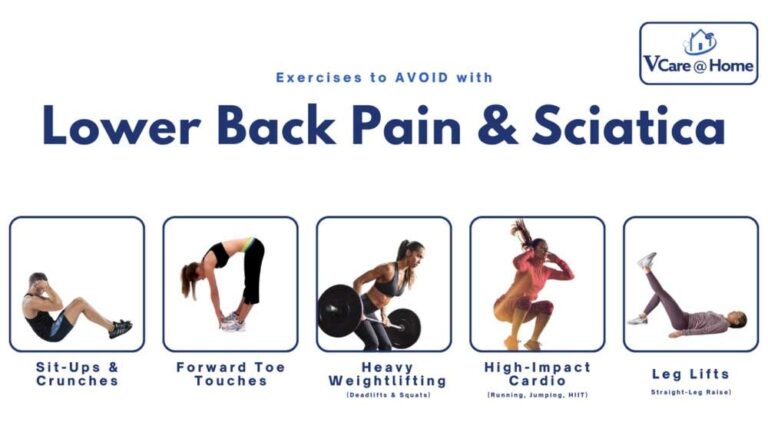
Credit: www.etsy.com
Setting Realistic Goals
Setting realistic goals is essential for building muscle safely and steadily. Clear goals help keep you motivated and focused. They prevent frustration and reduce the chance of injury. Setting small, achievable targets makes progress easier to track. This approach supports long-term success and healthy muscle growth.
Assessing Your Starting Point
Begin by knowing your current fitness level. Measure your strength with basic exercises. Check your body weight and muscle size. Understand your diet and daily activity. This information helps create goals suited to your needs. Avoid setting goals too high at the start. Realistic goals match your current abilities and lifestyle.
Tracking Progress Over Time
Keep a record of your workouts and body changes. Write down weights lifted and reps completed. Note changes in muscle size or body weight weekly. Tracking progress shows what works and what needs change. Adjust your goals based on your progress. This keeps your muscle-building journey safe and effective.
Effective Training Techniques
Building muscle slowly and safely takes patience and the right training methods. Effective training techniques help your body grow stronger without injury. These methods focus on quality, not speed. They support steady progress and better results over time.
Focus On Compound Movements
Compound movements work many muscles at once. Exercises like squats, deadlifts, and bench presses are examples. These moves build strength and muscle faster than isolated exercises. They also improve balance and coordination. Compound movements save time and burn more calories.
Prioritize Proper Form
Good form protects your body from injury. It helps target the right muscles during workouts. Slow, controlled movements improve muscle activation. Avoid rushing through exercises. Use mirrors or ask for help to check your form. Correct form leads to better, safer muscle growth.
Gradual Weight Increases
Increasing weight too fast causes injuries. Add small amounts of weight over weeks. This allows muscles and joints to adapt. Gradual progress helps avoid plateaus in muscle growth. Track your lifts and increase weights carefully. This approach builds strength steadily and safely.

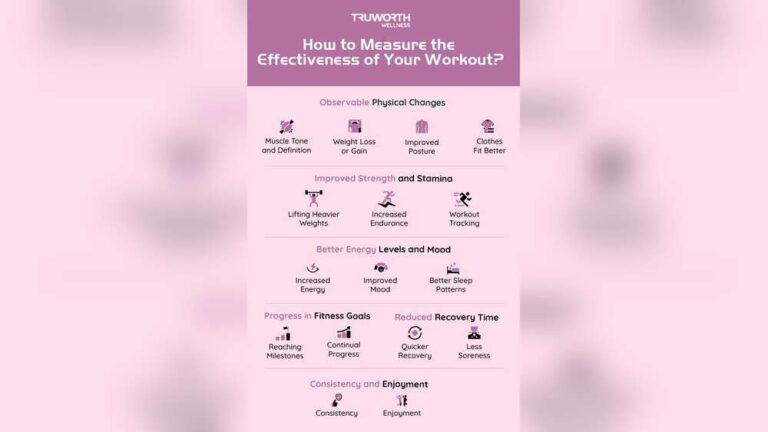
Credit: layitflat.com
Nutrition For Muscle Growth
Nutrition plays a key role in building muscle slowly and safely. Eating the right foods helps your body repair and grow stronger. Proper nutrition supports your workouts and speeds recovery. Understanding what to eat boosts muscle growth without rushing or risking injury.
Balanced Macronutrients
Your body needs a balance of carbohydrates, proteins, and fats. Carbohydrates give energy for workouts. Proteins help repair and build muscle. Fats support hormone health and energy storage. Eating all three in the right amounts helps muscles grow steadily.
Importance Of Protein Intake
Protein is the building block of muscle. Aim for lean sources like chicken, fish, eggs, and beans. Spread protein intake throughout the day. This keeps your muscles fed and ready to grow. Too little protein slows muscle repair and growth.
Hydration And Recovery
Water is vital for muscle function and recovery. Drink water before, during, and after exercise. Staying hydrated helps muscles work better and reduces soreness. Good hydration supports nutrient delivery to muscle cells for faster repair.
Rest And Recovery Strategies
Rest and recovery are key to building muscle slowly and safely. Muscles grow outside the gym, during rest. Without proper recovery, progress can stall or injuries may occur. Planning rest right helps your body repair and get stronger.
Sleep’s Role In Muscle Repair
Sleep is where muscle repair happens most. Deep sleep releases growth hormones. These hormones help fix muscle fibers that break during workouts. Aim for 7 to 9 hours of quality sleep every night. Poor sleep slows down recovery and muscle growth.
Active Recovery Methods
Active recovery means light exercise on rest days. Walking, stretching, or gentle cycling are good options. These activities increase blood flow to muscles. Better circulation helps remove waste and brings nutrients for repair. Active recovery reduces soreness and stiffness.
Avoiding Overtraining
Overtraining happens when exercise outpaces recovery. It causes fatigue, weak muscles, and injury risks. Signs include persistent soreness, trouble sleeping, and low energy. Schedule rest days and listen to your body. Balance workouts with recovery to build muscle safely.
Supplementation Considerations
Supplements can support muscle growth, but they are not magic. A strong foundation with good food and training matters most. Supplements fill gaps in nutrition and help recovery. Knowing when and what to use keeps muscle building safe and steady.
When To Use Supplements
Use supplements after you have a solid diet and exercise plan. They help when you cannot eat enough protein or calories. Also, supplements aid recovery after hard workouts. Avoid relying on supplements alone for muscle gain. Talk to a doctor or trainer before starting any supplement.
Common Supplements For Muscle Gain
Protein powder is popular for adding extra protein easily. Creatine helps increase strength and muscle size over time. Branched-chain amino acids (BCAAs) support muscle repair and reduce soreness. Fish oil improves joint health and reduces inflammation. Each supplement has a specific role and benefit.
Tracking And Adjusting Your Plan
Tracking and adjusting your plan is key to building muscle slowly and safely. It helps you see what works and what needs change. Without tracking, progress may stall or lead to injury. By checking your progress often, you keep your body on the right path.
Regular Progress Assessments
Check your strength and size every two weeks. Use simple tools like a tape measure or a strength log. Write down your workout weights and reps. Take photos of your body to compare over time. These small steps show clear progress. They help you notice if gains are slowing down. Early detection allows quick adjustments. Staying consistent with assessments keeps motivation high.
Adapting Workouts And Nutrition
Change your workouts based on your progress. Increase weights slowly to avoid injury. Add more sets or reps if needed. Rest days are important too. Adjust your food intake as your body changes. Eat more protein to help muscles grow. Keep enough calories for energy and recovery. Listening to your body ensures steady gains. Small changes prevent plateaus and keep muscles growing.

Credit: www.uvahealth.com
Frequently Asked Questions
How Long Does Slow Muscle Building Take?
Slow muscle building typically takes several months to show visible results. Consistency and patience are key. Gradual progress reduces injury risk and promotes lasting gains. Aim for steady improvements in strength and size over time.
What Are Safe Exercises For Muscle Growth?
Safe exercises include compound movements like squats, deadlifts, and push-ups. Use proper form and moderate weights. Avoid sudden heavy lifting to prevent injuries. Gradually increase intensity as your strength improves.
How Often Should I Train For Slow Muscle Gain?
Train 3 to 4 times weekly with rest days in between. Muscles need recovery to grow stronger. Balance workouts targeting different muscle groups. Avoid overtraining to ensure safe, sustainable progress.
What Diet Supports Slow And Safe Muscle Building?
Consume a balanced diet rich in protein, complex carbs, and healthy fats. Protein supports muscle repair and growth. Stay hydrated and eat whole, nutrient-dense foods. Avoid excessive calorie surpluses to prevent fat gain.
Conclusion
Building muscle slowly and safely takes time and patience. Focus on steady progress with good form. Eat enough protein and rest well to support growth. Avoid rushing or lifting too heavy too soon. Small steps add up to big changes.
Stay consistent and listen to your body’s signals. This approach helps prevent injury and keeps you motivated. Remember, strong muscles come from steady work and care. Keep going, and your efforts will pay off in the long run.

Brandon Knoxley is a sport & fitness writer and training guide contributor at MySportFitHub. He focuses on practical workouts, performance-based training, and honest fitness gear insights designed for real people and real results. Brandon is passionate about helping beginners and active individuals train smarter, avoid common mistakes, and build sustainable fitness habits.