
How to Build Strength for Sports Beginners: Ultimate Guide to Power
Are you ready to boost your game and feel stronger on the field or court? Building strength is the key to improving your sports performance and preventing injuries.
But if you’re just starting out, it might feel overwhelming to know where to begin. Don’t worry—this guide will walk you through simple, effective steps to build your strength safely and confidently. By the end, you’ll have the tools to power up your body and take your skills to the next level.
Keep reading, and let’s get you stronger, faster, and more unstoppable.

Credit: www.amazon.com
Benefits Of Building Strength
Building strength offers many benefits for sports beginners. It helps the body perform better during physical activities. Strength training also supports overall health and well-being. Beginners who focus on strength can see quick improvements in their sports skills.
Improved Athletic Performance
Stronger muscles help athletes move faster and with more power. Strength training boosts speed, agility, and coordination. This leads to better performance in running, jumping, and other sports actions. It also helps players react quickly during games and competitions.
Injury Prevention
Strong muscles protect joints and bones from damage. They reduce the risk of strains, sprains, and other injuries. Building strength creates a stable body structure that supports physical stress. This safety net keeps beginners active without setbacks.
Enhanced Endurance
Strength training improves muscle stamina for longer activities. It helps athletes stay active without getting tired quickly. Enhanced endurance allows better performance in long matches or training sessions. It also aids in faster recovery after exercise.
Key Strength Principles
Building strength for sports starts with key principles. These rules help beginners train safely and effectively. Following them leads to better performance and fewer injuries.
Progressive Overload
Progressive overload means increasing workout difficulty over time. You can add weight, do more reps, or increase sets. This challenges muscles to grow stronger. Start light and slowly raise the intensity. Avoid jumping to heavy weights too fast.
Proper Form And Technique
Good form prevents injuries and works muscles better. Learn the right way to do each exercise. Use mirrors or ask a coach for help. Keep your movements slow and controlled. Focus on quality, not speed or weight.
Rest And Recovery
Rest days let muscles heal and grow stronger. Avoid training the same muscles every day. Sleep well and eat healthy foods. Recovery helps avoid fatigue and injury. It keeps you ready for the next workout.
Essential Strength Exercises
Building strength is key for sports beginners. It helps improve performance and reduces injury risks. Focus on essential strength exercises that suit your fitness level and goals. Use different methods to keep workouts effective and interesting.
Bodyweight Movements
Bodyweight exercises are simple and effective. They use your own weight for resistance. Examples include push-ups, squats, and lunges. These moves improve muscle strength and control. You can do them anywhere without equipment. Start with basic forms and increase reps gradually.
Free Weights
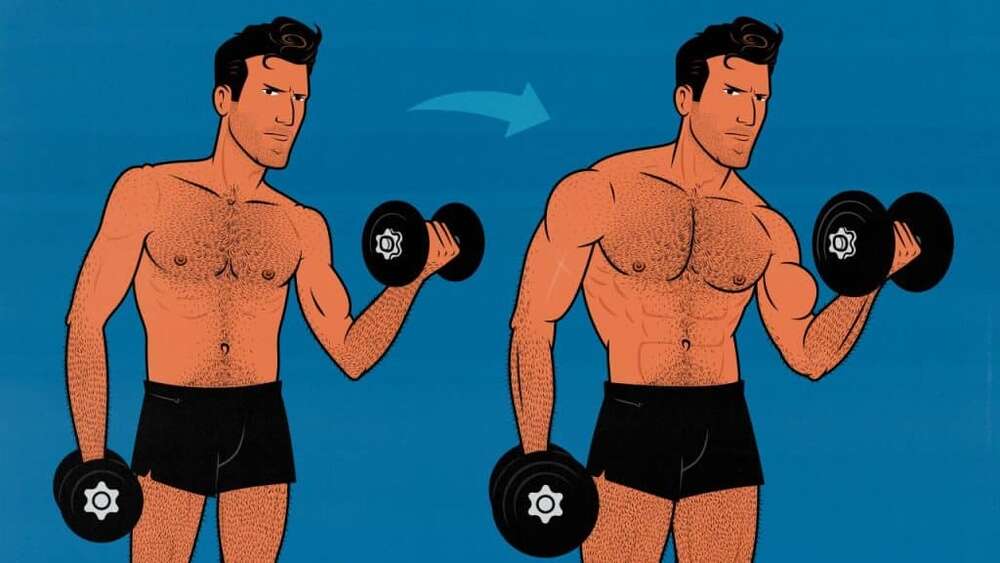
Free weights like dumbbells and kettlebells add challenge to workouts. They help develop strength and balance. Start with light weights to learn proper form. Exercises such as bicep curls, deadlifts, and shoulder presses build key muscles. Free weights allow natural movement and improve coordination.
Machines And Resistance Bands
Machines guide your movements and offer stable support. They are good for beginners learning correct technique. Resistance bands provide adjustable tension and are easy to carry. Use machines for leg presses or chest flies. Resistance bands work well for rows and leg lifts. Both help target specific muscle groups safely.
Creating A Beginner Workout Plan
Creating a beginner workout plan helps build strength safely and steadily. It sets a clear path for progress. This plan focuses on simple steps anyone can follow. Starting with the right approach avoids injury and frustration.
Planning workouts includes setting goals, balancing training with rest, and tracking progress. These parts keep motivation high and results steady.
Setting Realistic Goals
Begin with clear and simple goals. Aim for small improvements in strength each week. Avoid setting goals that are too hard or too easy. Realistic goals keep you motivated and focused. Write down your goals and review them often.
Balancing Training And Rest Days
Rest days are as important as workout days. Muscles need time to recover and grow stronger. Plan 2 or 3 rest days each week. On rest days, do light activities like walking or stretching. Balance prevents burnout and injury.
Tracking Progress
Keep a workout journal or use an app to track your progress. Record exercises, weights, and repetitions. Tracking helps see improvements and adjust plans. Celebrate small wins to stay motivated. Regular tracking builds good habits for long-term success.
Nutrition For Strength Gains
Nutrition plays a big role in building strength for sports beginners. Eating the right foods helps muscles grow and recover after workouts. Good nutrition also gives energy to train harder and longer.
Focus on a balanced diet that supports muscle repair and boosts your performance. Understanding key nutrition areas will help you make smart choices for strength gains.
Protein Intake
Protein is essential for muscle growth and repair. Aim for lean sources like chicken, fish, eggs, and beans. Eating protein after exercise helps muscles recover faster. Try to spread protein evenly throughout the day. This supports steady muscle building.
Hydration
Water is vital for strength and overall health. Drink plenty of fluids before, during, and after workouts. Staying hydrated helps muscles work properly and reduces fatigue. Avoid sugary drinks and focus on plain water or natural options.
Supplements To Consider
Some supplements can support strength gains but are not required. Creatine can improve power during workouts. Whey protein powder helps meet daily protein needs. Always choose trusted brands and consult a doctor before starting supplements.

Credit: axonstrategy.com
Common Mistakes To Avoid
Starting strength training for sports is exciting but can be tricky. Many beginners make mistakes that slow progress or cause injuries. Avoiding these errors helps build strength safely and effectively. Focus on good habits from day one.
Overtraining
Training too much is common among beginners. Muscles need time to rest and grow. Working out every day without breaks leads to fatigue and injury. Aim for balanced sessions with rest days included. Quality beats quantity in strength building.
Ignoring Warm-ups And Cool-downs
Skipping warm-ups and cool-downs can cause harm. Warm-ups prepare your body for exercise by increasing blood flow. Cool-downs help muscles relax and reduce soreness. Spend at least 5 to 10 minutes on each. This protects your body and improves recovery.
Neglecting Flexibility
Flexibility is often overlooked in strength training. Tight muscles limit movement and raise injury risk. Stretching keeps muscles loose and joints healthy. Include simple stretches in your routine. Flexibility supports strength and overall performance.
Motivation And Mindset Tips
Building strength for sports starts in the mind. Motivation and mindset shape how you train and grow. A strong mindset keeps you going through challenges. Motivation fuels your effort every day. Without these, progress feels hard and slow.
Focus on mental habits as much as physical ones. Small mental shifts lead to big results. Here are key tips to stay motivated and build the right mindset.
Setting Milestones
Break your big goals into smaller milestones. Each milestone is a step toward your main goal. Celebrate reaching these small wins. It keeps motivation high and progress clear. Milestones also make your journey less overwhelming. Track them on paper or in an app. This helps you see how far you have come.
Staying Consistent
Consistency beats intensity over time. Train regularly, even if for short periods. Build a habit that fits your daily life. Avoid skipping sessions without a good reason. Consistent effort builds strength steadily. It also trains your mind to expect progress. Over time, your body and mind work together.
Overcoming Plateaus
Plateaus happen when progress stalls. This can feel frustrating and stop motivation. Change your routine to break plateaus. Try new exercises or increase weights slowly. Rest and recover well to help growth. Patience is key during tough times. Remember, plateaus are part of the process. Keep going, your strength will improve again.

Credit: www.walmart.com
Frequently Asked Questions
What Are The Best Exercises To Build Strength For Beginners?
Start with bodyweight exercises like squats, push-ups, and lunges. These improve muscle control and strength safely. Gradually add resistance training with light weights or resistance bands. Focus on proper form to avoid injuries and build a solid foundation.
How Often Should Beginners Train For Strength Building?
Begin with 2-3 strength training sessions per week. Allow at least one day of rest between sessions for muscle recovery. Consistency is key to gradual strength improvement. Avoid overtraining to reduce injury risk and promote steady progress.
What Role Does Nutrition Play In Strength Building?
Nutrition provides the fuel and building blocks for muscle growth. Consume protein-rich foods like lean meats, beans, and dairy. Stay hydrated and balance carbs and fats for energy. Proper nutrition supports recovery and maximizes strength gains.
How Important Is Warm-up Before Strength Training?
Warming up increases blood flow to muscles and reduces injury risk. Spend 5-10 minutes on light cardio and dynamic stretches. A proper warm-up prepares your body for intense exercise and enhances performance during strength training.
Conclusion
Building strength takes time and steady effort. Start with simple exercises and increase slowly. Focus on good form to avoid injuries. Rest days help muscles grow and recover. Eating healthy supports your strength goals. Stay patient and consistent every week.
Strength will improve with practice and care. Enjoy the process and celebrate small wins. This journey makes you stronger for sports and life. Keep moving forward, one step at a time.

Brandon Knoxley is a sport & fitness writer and training guide contributor at MySportFitHub. He focuses on practical workouts, performance-based training, and honest fitness gear insights designed for real people and real results. Brandon is passionate about helping beginners and active individuals train smarter, avoid common mistakes, and build sustainable fitness habits.