How to Choose Workout Frequency As a Beginner: Ultimate Guide
Are you ready to start working out but unsure how often you should hit the gym? Choosing the right workout frequency as a beginner can feel overwhelming.
Too much exercise might leave you exhausted, while too little could slow your progress. Finding the perfect balance is key to staying motivated and seeing real results. You’ll discover simple tips to help you decide how often to work out, so you can build a routine that fits your lifestyle and goals.
Keep reading to unlock the secret to making your fitness journey both effective and enjoyable.
Factors Affecting Workout Frequency
Choosing how often to work out is not one-size-fits-all. Many factors decide the best workout frequency for beginners. These factors help balance effort and rest. They make exercise safe and effective. Understanding these factors helps set a routine that fits your needs.
Fitness Goals
Your goals shape how often you should exercise. Want to lose weight? More frequent workouts can help burn calories. Building muscle? Focus on strength training a few days per week. Aiming for general health? Moderate workouts three times weekly often work well. Clear goals guide your workout schedule.
Current Fitness Level
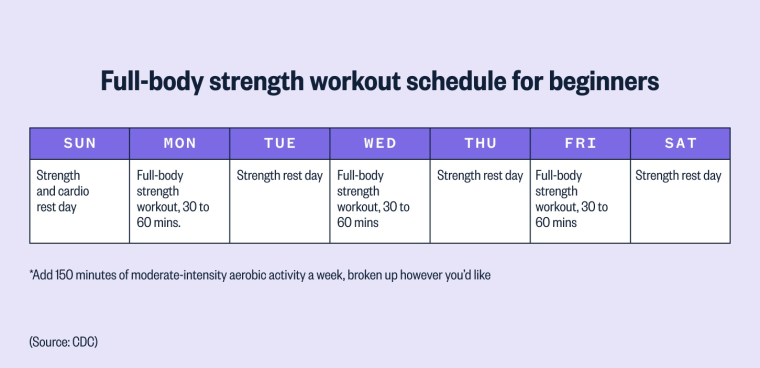
Beginners need to start slow. Your body must adjust to new movements. Starting with two to three sessions per week is common. As fitness improves, increase frequency gradually. Overdoing workouts early can cause injury and fatigue. Listening to your body is key.
Available Time
Time limits affect how often you can train. Busy schedules may allow only a few workouts weekly. Shorter, consistent sessions beat infrequent long workouts. Plan workouts that fit your daily routine. Consistency matters more than duration for beginners.
Recovery Ability
Rest is vital to repair muscles and avoid burnout. Some recover faster than others. Age, sleep quality, and nutrition affect recovery speed. Beginners might need extra rest between workouts. Pay attention to soreness and energy levels. Adjust frequency to match your recovery.

Credit: stephealthtips.com
Types Of Workouts For Beginners
Choosing the right workout types helps beginners build a strong fitness habit. Different workouts target different parts of the body and improve overall health. A good mix keeps exercise fun and effective.
Strength Training
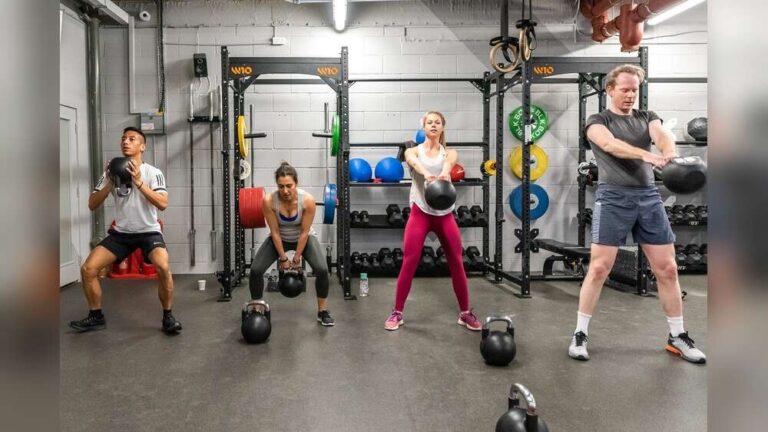
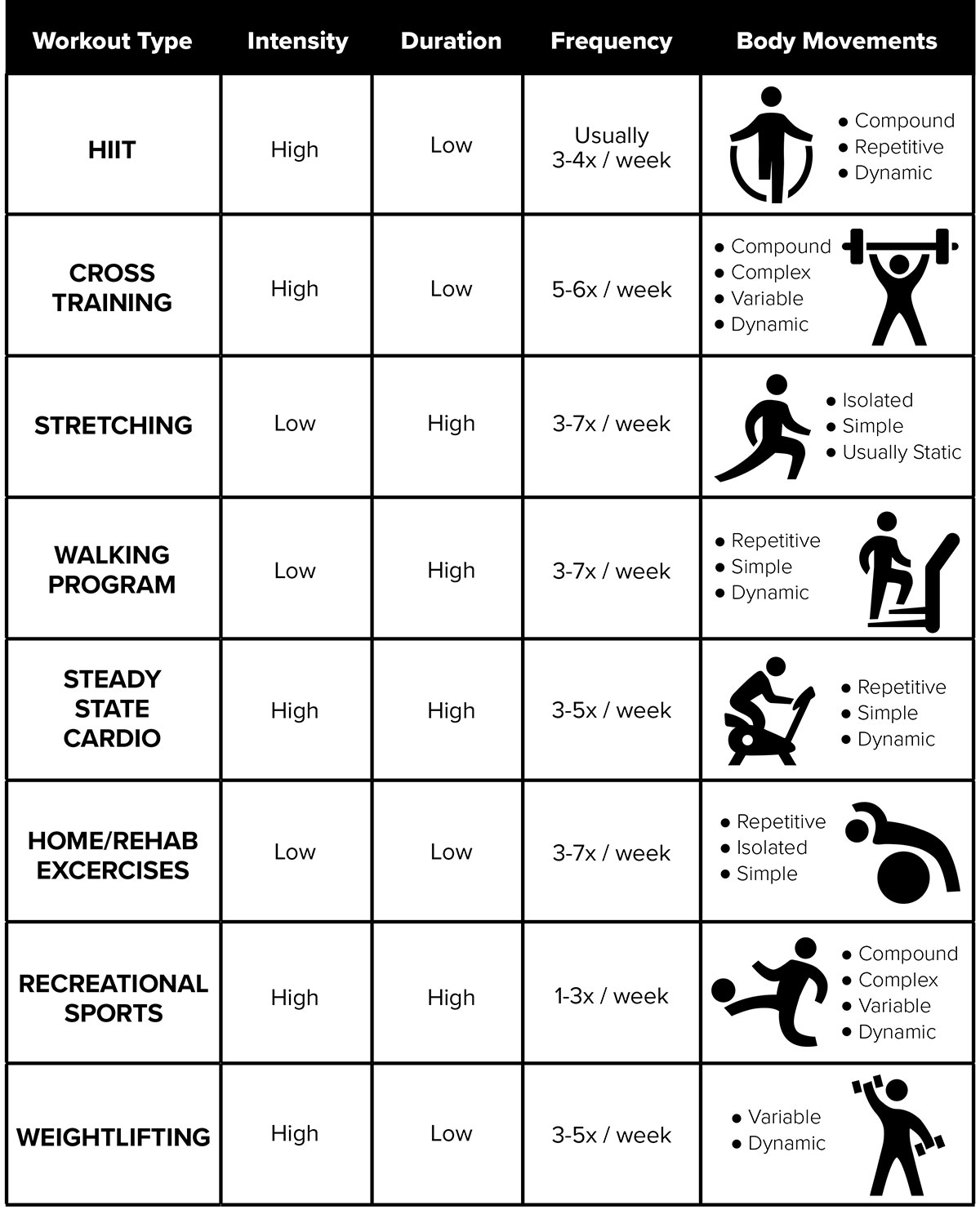
Strength training builds muscle and boosts metabolism. Beginners can start with light weights or bodyweight exercises like push-ups and squats. It improves posture and helps prevent injuries. Aim for two to three sessions per week.
Cardio Exercises
Cardio exercises improve heart and lung health. Walking, jogging, cycling, or swimming are easy ways to start. These workouts burn calories and increase energy. Beginners should try 20 to 30 minutes, three to five times a week.
Flexibility And Mobility
Flexibility and mobility workouts keep joints healthy and reduce stiffness. Stretching and yoga are perfect for beginners. These exercises improve range of motion and relaxation. Include them in every workout or on rest days for best results.
Recommended Workout Frequencies
Choosing the right workout frequency is key to starting your fitness journey well. Your goals guide how often you should exercise each week. It is important to balance workout days and rest days. This helps your body recover and grow stronger. Below are simple recommendations for different fitness goals.
Frequency For Weight Loss
For weight loss, aim to work out 4 to 6 days per week. Mix cardio with strength training. Cardio helps burn calories fast. Strength training builds muscle, which boosts metabolism. Rest days are important to avoid burnout. Keep workouts moderate and consistent for best results.
Frequency For Muscle Gain
Muscle gain needs focused strength training about 3 to 5 days a week. Allow 48 hours of rest between working the same muscle group. This rest time helps muscles repair and grow. Include different muscle groups each session. Avoid training the same muscles every day to prevent injury.
Frequency For General Fitness
General fitness requires balanced workouts 3 to 4 days per week. Combine cardio, strength, and flexibility exercises. This variety improves heart health, strength, and mobility. Rest days help maintain energy and prevent soreness. Consistency matters more than intensity at this stage.
Credit: www.nbcnews.com
Signs You Need To Adjust Frequency
Choosing the right workout frequency is key for beginners. It helps you get better results and stay healthy. Sometimes, your body sends signals that your current routine needs change. Knowing these signs can help you adjust your workout schedule smartly.
Pay attention to how your body feels and how you progress. Adjusting frequency can prevent injury and keep workouts enjoyable.
Overtraining Symptoms
Feeling very tired all the time is a common sign. Muscle soreness that lasts too long also means overtraining. Trouble sleeping and frequent colds can appear. Overtraining can cause headaches and loss of appetite. These symptoms show your body needs more rest.
Plateauing Progress
Progress stops despite regular workouts. Strength gains or weight loss slow down or stop. You may feel stuck doing the same exercises. This plateau shows your body adapts to the routine. Changing workout frequency can help break through plateaus.
Lack Of Motivation
Feeling bored or uninterested in workouts is a red flag. Skipping sessions becomes easier and more common. You might dread exercise time instead of enjoying it. Low motivation can come from too much or too little exercise. Adjusting frequency can refresh your interest and energy.
Tips To Stay Consistent
Staying consistent is key to building a workout habit. Many beginners start strong but lose motivation quickly. Consistency helps your body adapt and improve over time. Small, steady steps lead to lasting results.
Scheduling Workouts
Set specific days and times for your workouts. Treat these appointments like important meetings. This helps create a routine. Write your schedule down or use a calendar app. Stick to your plan even on busy days. Consistent timing builds a strong habit.
Tracking Progress
Keep a simple log of your workouts. Note the exercises, sets, and reps you complete. Tracking helps you see your improvement. It boosts motivation and keeps you accountable. Use a notebook or a fitness app. Celebrate small wins to stay encouraged.
Rest And Recovery
Rest days are part of the plan. Your muscles need time to heal and grow. Avoid working out every day, especially at first. Rest prevents injury and burnout. Listen to your body and take breaks as needed. Balance workouts with recovery for steady progress.
Credit: www.thewave.global
Frequently Asked Questions
How Often Should Beginners Work Out Weekly?
Beginners should start with 2 to 3 workout sessions per week. This allows muscles to recover and prevents injury. Gradually, frequency can increase based on fitness levels and goals. Consistency is more important than intensity at the start.
What Factors Influence Workout Frequency For Beginners?
Key factors include fitness goals, current health, time availability, and recovery needs. Beginners must listen to their bodies and adjust frequency accordingly. Proper rest and nutrition also impact how often one should work out.
Can Beginners Work Out Daily Without Risk?
Daily workouts are possible but should vary in intensity and type. Light activities like stretching or walking are safe on rest days. Overtraining risks injury and burnout, so balance is essential for beginners.
How To Balance Workout Frequency And Recovery?
Allow at least one rest day between intense sessions. Recovery helps muscles repair and grow stronger. Beginners should prioritize sleep and hydration to support workout frequency. Monitoring fatigue levels guides necessary adjustments.
Conclusion
Choosing the right workout frequency helps you build strength safely. Start slow and listen to your body’s signals. Rest days are just as important as workout days. Consistency matters more than intensity at the beginning. Adjust your schedule based on how you feel each week.
Enjoy the process and celebrate small progress. Keep your routine simple to avoid feeling overwhelmed. This approach sets a strong base for future fitness growth.

Brandon Knoxley is a sport & fitness writer and training guide contributor at MySportFitHub. He focuses on practical workouts, performance-based training, and honest fitness gear insights designed for real people and real results. Brandon is passionate about helping beginners and active individuals train smarter, avoid common mistakes, and build sustainable fitness habits.