How to Eat After Workouts for Muscle Recovery: Ultimate Guide
You’ve just finished a tough workout, and now your body needs the right fuel to recover and grow stronger. What you eat after exercising can make a huge difference in how quickly your muscles heal and how well you perform next time.
If you want to get the most out of your efforts and avoid feeling drained or sore, learning the best post-workout eating habits is key. Keep reading to discover simple, effective ways to eat after workouts that will help your muscles recover faster and keep you energized for your next session.
Credit: totalfitnessconnection.com
Importance Of Post-workout Nutrition
Eating the right foods after a workout helps your body recover faster. It repairs muscle damage and refills energy stores. Without proper nutrition, muscles stay tired and weak. Recovery slows down. Post-workout nutrition supports muscle growth and strength gains. This makes your training more effective.
Timing matters. Eating soon after exercise boosts muscle repair. Nutrients reach muscles quickly. This helps you feel less sore and ready for your next workout. The right foods also replace lost fluids and minerals. This keeps your body balanced and healthy.
Why Protein Is Key After Exercise
Protein helps rebuild muscle fibers. After a workout, muscles need amino acids from protein. This starts the healing process. Eating protein soon after exercise supports muscle growth. It also reduces muscle soreness. Good sources include chicken, fish, eggs, and dairy.
The Role Of Carbohydrates In Recovery
Carbohydrates refill your body’s energy stores. During exercise, your muscles use glycogen. Carbs help restore glycogen quickly. This gives you energy for your next workout. Choose whole grains, fruits, and vegetables for healthy carbs.
Hydration And Its Effects On Muscle Repair
Water is essential for recovery. It helps transport nutrients to muscles. Staying hydrated reduces cramps and fatigue. Drinking water after exercise replaces fluids lost in sweat. Avoid sugary drinks that can slow recovery.
Key Nutrients For Muscle Recovery
Eating the right nutrients after workouts helps muscles heal and grow. Your body needs fuel to repair tiny muscle tears. This repair makes muscles stronger over time. Certain nutrients play a big role in this process. They give energy and support recovery. Focus on protein, carbohydrates, healthy fats, hydration, and electrolytes. These help your body bounce back faster.
Role Of Protein
Protein builds and repairs muscle fibers after exercise. It provides amino acids, the building blocks for muscles. Consuming protein soon after workouts boosts muscle recovery. Good sources include lean meat, eggs, dairy, and plant proteins. Aim for about 20-30 grams of protein post-workout. This amount supports muscle repair and growth.
Carbohydrates For Energy Replenishment
Carbohydrates restore energy used during workouts. They refill glycogen stores in muscles and liver. Without carbs, recovery slows down and fatigue lasts longer. Choose whole grains, fruits, and vegetables for carbs. Eating carbs with protein improves muscle recovery. Balance is key to fuel your next workout.
Healthy Fats And Their Benefits
Healthy fats reduce inflammation caused by intense exercise. They support hormone production and overall health. Sources include nuts, seeds, avocados, and olive oil. Include moderate amounts of healthy fats in post-workout meals. They help muscles recover and keep your body strong.
Hydration And Electrolytes
Water is essential for every recovery process in the body. Hydration helps transport nutrients to muscles. Electrolytes like sodium, potassium, and magnesium balance fluids. They prevent cramps and aid muscle function. Drink water and consider electrolyte-rich drinks after heavy sweating. Staying hydrated speeds up muscle recovery.
Timing Your Post-workout Meals
Timing your post-workout meals plays a key role in muscle recovery. Eating at the right time helps your body repair muscles and restore energy. It also supports muscle growth and reduces soreness. Knowing when to eat after exercise can improve your results.
The Anabolic Window Myth
The anabolic window is the idea that you must eat within 30 minutes after exercise. This belief suggests that muscles absorb nutrients best during this time. Recent research shows this window is not as narrow as once thought. Your body can recover well even if you eat later. The total daily intake of nutrients matters more than exact timing.
Optimal Meal Timing Strategies
Plan to eat a balanced meal within two hours after your workout. Include protein to help muscle repair and carbohydrates to refill energy stores. Drinking water is important to rehydrate your body. If you cannot eat a full meal soon, a small snack with protein and carbs will help. Consistency in meal timing can support steady muscle recovery over time.

Credit: www.anytimefitness.com
Best Foods To Eat After Workouts
Eating the right foods after workouts helps muscles repair and grow. It also restores energy and reduces soreness. Choosing the best foods supports faster recovery and better results.
High-protein Options
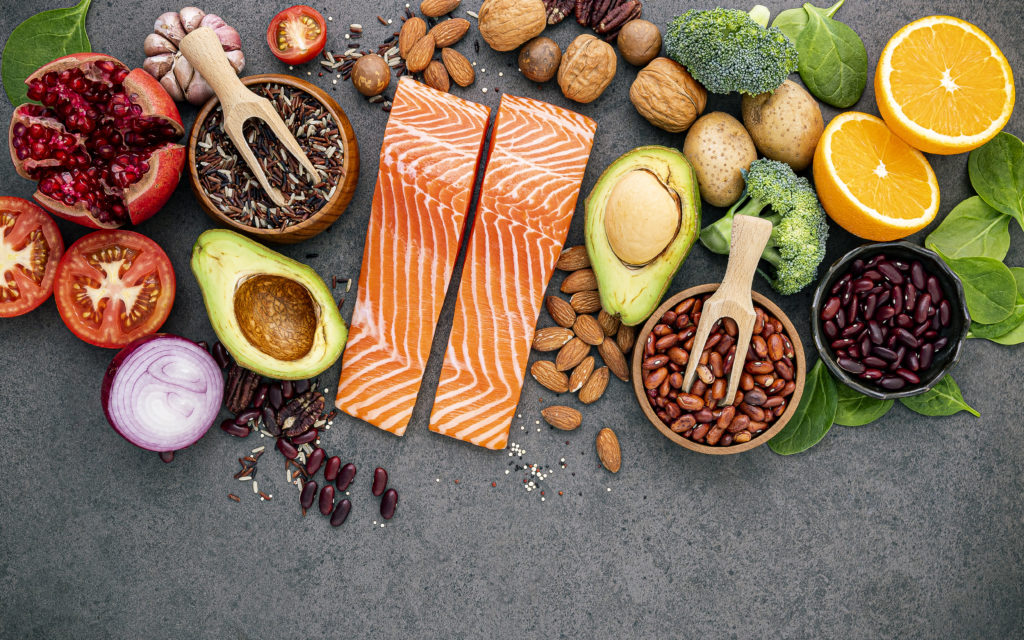
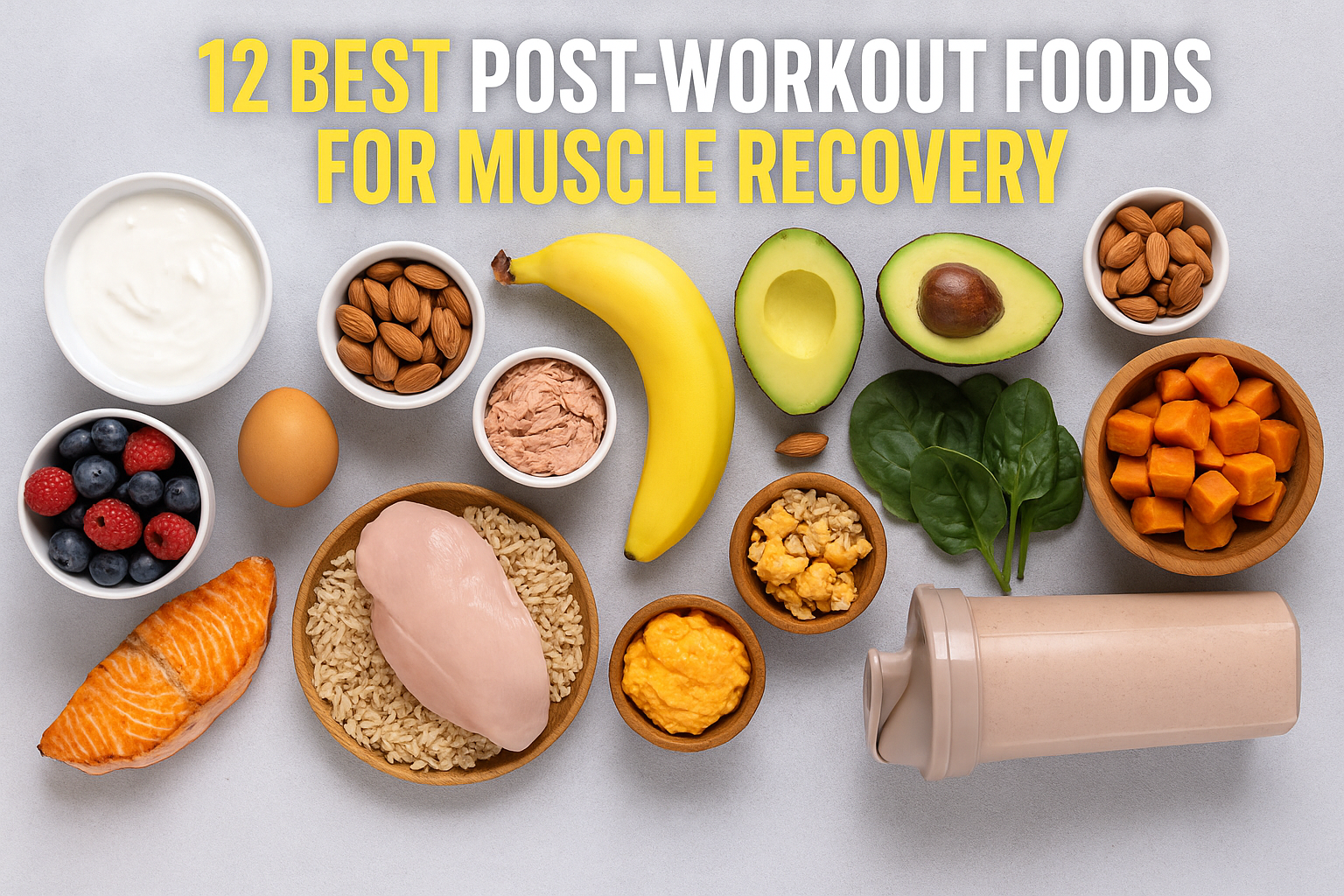
Protein is key for muscle repair. Good sources include chicken, turkey, and lean beef. Fish like salmon or tuna offer protein and healthy fats. Eggs are a quick and easy protein choice. Plant-based options like beans, lentils, and tofu work well too.
Carb-rich Choices
Carbohydrates refill energy stores in muscles. Whole grains such as brown rice, quinoa, and oats are great picks. Fruits like bananas and berries provide natural sugars and vitamins. Sweet potatoes and other starchy vegetables also help restore glycogen.
Combining Nutrients For Maximum Recovery
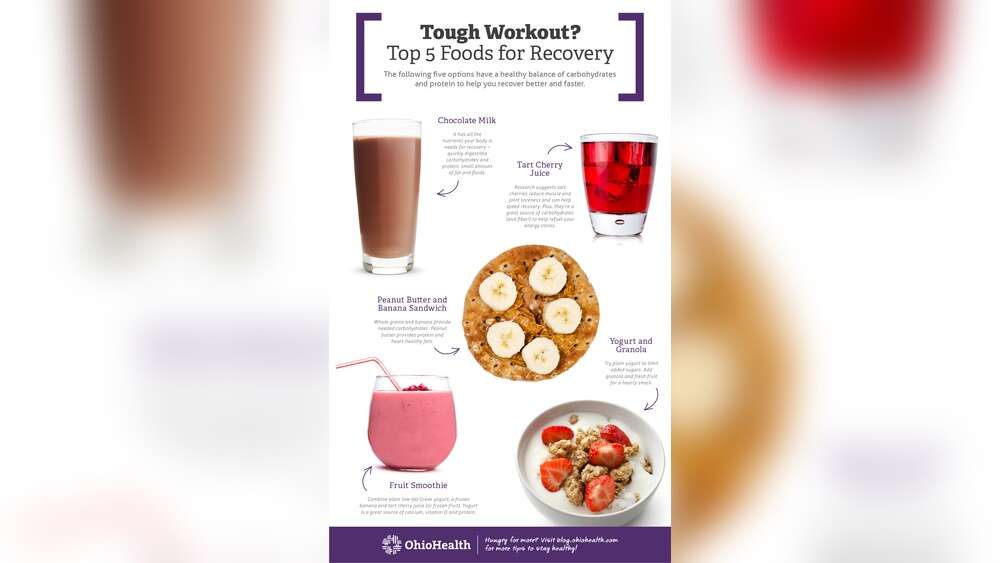
Mixing proteins and carbs boosts muscle repair and energy restoration. A chicken breast with brown rice makes a balanced meal. Yogurt with fruit offers protein and carbs in one snack. This combination supports faster recovery and better performance in future workouts.
Sample Post-workout Meal Plans
Eating the right foods after a workout helps muscles recover and grow. Choosing the best meal depends on your fitness goals. Sample meal plans guide you to eat well after exercise. These meals balance protein, carbs, and fats for recovery and energy.
Quick And Easy Meals
These meals save time and provide fast muscle recovery. A protein shake with a banana works well. Greek yogurt with berries and honey is tasty and simple. Whole-grain toast with peanut butter and a glass of milk fuels muscles quickly.
Meals For Muscle Gain
Focus on high protein and healthy carbs for muscle growth. Grilled chicken breast with quinoa and steamed broccoli is excellent. Salmon with sweet potatoes and green beans provides good fats and nutrients. A turkey sandwich on whole-grain bread with avocado supports muscle repair.
Meals For Fat Loss
Meals with lean protein and low carbs help burn fat. Egg whites with spinach and tomatoes make a light meal. A salad with grilled shrimp and mixed greens keeps calories low. Cottage cheese with cucumber slices offers protein without extra fat.
Supplements For Muscle Recovery
Supplements can support muscle recovery after workouts. They help repair muscle fibers and reduce soreness. Using the right supplements can improve your results faster. Choose supplements that fit your body’s needs and workout goals.
Quality and timing matter. Taking supplements soon after exercise can boost recovery. Always follow recommended doses and consider your diet too.
Protein Powders
Protein powders are popular for muscle repair. They provide quick, easy protein after workouts. Whey protein is fast-absorbing and rich in essential amino acids. Plant-based proteins suit those with dietary restrictions. Protein helps rebuild muscle fibers and supports growth. Mix protein powder with water or milk for best results.
Branched-chain Amino Acids (bcaas)
BCAAs include three key amino acids: leucine, isoleucine, and valine. They help reduce muscle damage and soreness. BCAAs also support muscle protein synthesis. Taking BCAAs before or after exercise may improve recovery. They are useful when dietary protein is low.
Creatine And Other Supplements
Creatine boosts energy for short, intense workouts. It helps muscles recover and grow stronger. Creatine is one of the most studied supplements with proven benefits. Other supplements like glutamine and beta-alanine may aid recovery too. Choose supplements backed by science and fit your needs.
Common Mistakes To Avoid
Eating right after a workout is key to muscle recovery. Many people make mistakes that slow down progress. Avoiding common errors helps your body repair and grow stronger. Simple changes in eating habits can make a big difference.
Skipping Post-workout Nutrition
Not eating after exercise stops muscles from getting needed nutrients. Muscles need protein and carbs to recover. Skipping food delays recovery and reduces muscle growth. Aim to eat within 30 to 60 minutes after workouts. Small snacks or meals work well to fuel muscles.
Overeating Or Undereating
Eating too much or too little can harm muscle recovery. Overeating adds extra fat instead of muscle. Undereating leaves muscles without enough fuel to repair. Balance your portions based on workout intensity and goals. Measure food to avoid mistakes and support muscle repair.
Ignoring Hydration
Water is vital for muscle recovery and overall health. Not drinking enough slows down repair and causes fatigue. Drink water before, during, and after exercise. Include fluids with electrolytes if you sweat a lot. Staying hydrated helps muscles recover faster and perform better.
Credit: www.prowolf.in
Frequently Asked Questions
What Foods Help Muscle Recovery After Workouts?
Protein-rich foods like chicken, eggs, and Greek yogurt support muscle repair. Carbs such as sweet potatoes and rice replenish energy. Including healthy fats from nuts and avocado aids overall recovery. Hydration with water or electrolyte drinks is also essential for muscle healing.
When Should I Eat After A Workout For Best Recovery?
Eating within 30 to 60 minutes post-workout maximizes muscle recovery. This window helps replenish glycogen stores and repair muscle fibers efficiently. Consuming protein and carbs during this time supports faster healing and better results from your training sessions.
How Much Protein Do I Need Post-workout?
Aim for 20 to 30 grams of protein after exercise. This amount promotes muscle repair and growth effectively. Consuming protein with carbs enhances nutrient absorption and recovery. Adjust intake based on your body weight and workout intensity.
Can I Skip Post-workout Meals For Muscle Gain?
Skipping post-workout meals can slow muscle recovery and growth. Nutrients consumed after exercise help repair muscle fibers and restore energy. Regular meals with protein and carbs improve workout results. Prioritize post-workout nutrition to achieve your muscle-building goals.
Conclusion
Eating the right foods after workouts helps your muscles heal and grow. Protein repairs muscle damage and builds strength. Carbohydrates refill your energy stores quickly. Drinking water keeps your body hydrated and working well. Try to eat a balanced meal within 30 minutes after exercise.
This habit supports faster recovery and better results. Small changes in your post-workout meals can make a big difference. Stay consistent, and your muscles will thank you. Simple steps lead to stronger, healthier muscles over time. Keep fueling your body right after each workout session.

Brandon Knoxley is a sport & fitness writer and training guide contributor at MySportFitHub. He focuses on practical workouts, performance-based training, and honest fitness gear insights designed for real people and real results. Brandon is passionate about helping beginners and active individuals train smarter, avoid common mistakes, and build sustainable fitness habits.