How to Exercise With Limited Mobility: Simple Steps for Success
If you have limited mobility, staying active might feel challenging or even impossible at times. But what if you could improve your strength, boost your mood, and enhance your overall health without needing to move like you used to?
This article is made just for you. You’ll discover simple, effective ways to exercise safely and comfortably, no matter your current abilities. Keep reading, because your path to feeling stronger and more energized starts here—and it’s easier than you think.
Credit: cavendishhealthcare.co.uk
Benefits Of Exercising With Limited Mobility
Exercising with limited mobility offers many benefits. It improves health, mood, and daily life. Even small movements help the body and mind. Staying active can make a big difference.
Physical Health Improvements
Exercise helps muscles stay strong. It improves blood flow and heart health. Moving regularly can reduce pain and stiffness. It supports better balance and coordination. This lowers the risk of falls and injuries. Simple exercises can boost energy levels too.
Mental Well-being Boost
Physical activity releases feel-good chemicals in the brain. It reduces stress, anxiety, and sadness. Exercise helps improve sleep quality. It gives a sense of achievement and control. Staying active can brighten mood and increase focus.
Enhanced Independence
Exercise improves the ability to do daily tasks. It helps maintain mobility and flexibility. This can make dressing, cooking, and cleaning easier. Staying active supports longer self-care ability. It builds confidence and reduces reliance on others.
Credit: healthtalk.unchealthcare.org
Assessing Your Mobility Level
Assessing your mobility level is the first step to start exercising safely. It helps you understand what movements your body can handle. This knowledge prevents injuries and builds confidence. Assessing mobility also guides you to choose the right exercises that fit your needs.
Consulting Healthcare Professionals
Talk to your doctor or physical therapist before starting any exercise. They know your health history and can suggest safe activities. Professionals can spot any risks you might not see. Their advice helps you avoid exercises that cause pain or harm. Always share how you feel during and after exercises with them.
Identifying Safe Movements
Test simple movements slowly and carefully. Notice which motions feel comfortable and which cause discomfort. Focus on low-impact activities like gentle stretching or seated exercises. Avoid sudden or jerky movements that strain your body. Write down exercises that work well for you and those to skip.
Setting Realistic Goals
Start with small, achievable targets to stay motivated. Aim for short exercise sessions and increase time gradually. Celebrate progress, even if it feels slow. Realistic goals reduce frustration and help build a steady routine. Adjust your goals based on how your body responds over time.
Choosing The Right Exercises
Choosing the right exercises is important for anyone with limited mobility. Exercises should match your ability and help improve your strength and flexibility. The right choice can make workouts safe and enjoyable. Focus on exercises that keep your body moving without causing pain. Here are some effective types to consider.
Seated Workouts
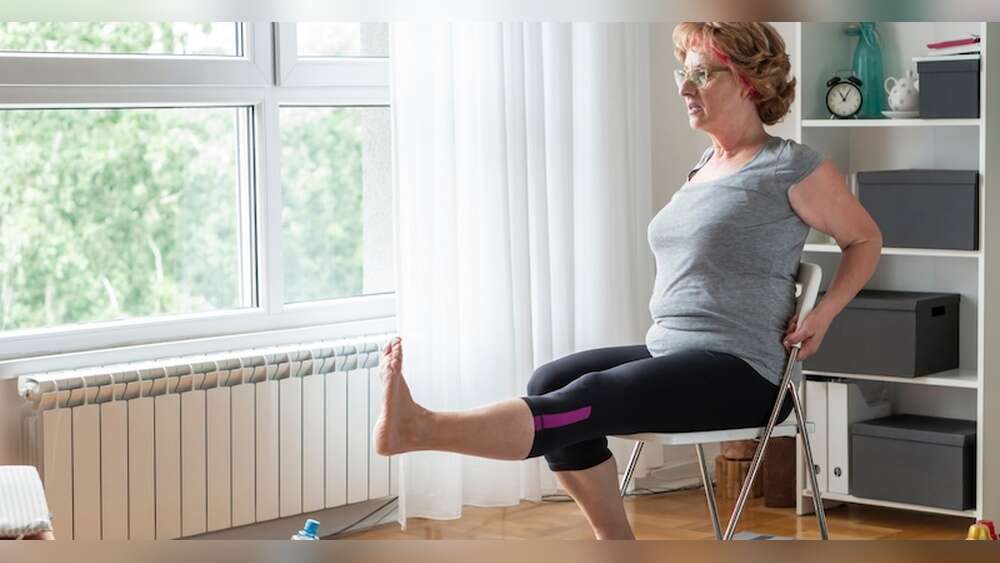
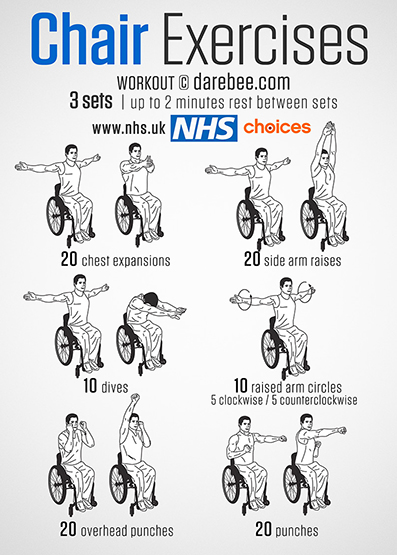
Seated workouts are perfect for those who cannot stand for long. These exercises keep you active while sitting in a chair. You can move your arms, legs, and torso safely. Examples include seated marches, arm circles, and leg lifts. These exercises improve circulation and muscle tone. They also reduce stiffness and help maintain balance.
Strength Training Options
Strength training builds muscle and supports joints. Use light weights or resistance bands to start. Exercises like bicep curls, shoulder presses, and leg extensions work well. Strength training helps you perform daily tasks easier. Keep the movements slow and controlled. Stop if you feel pain or discomfort.
Flexibility And Stretching
Stretching improves range of motion and reduces stiffness. Gentle stretches can be done sitting or lying down. Focus on major muscle groups like calves, thighs, and arms. Hold each stretch for 15 to 30 seconds. Stretching helps prevent injuries and eases muscle tightness. Breathe deeply and relax during each stretch.

Credit: www.helpguide.org
Using Adaptive Equipment
Using adaptive equipment can help people with limited mobility stay active. It allows safe and effective exercise. Equipment supports movement and builds strength. It also boosts confidence during workouts. Here are some useful tools to consider.
Resistance Bands And Weights
Resistance bands are flexible and easy to use. They help improve strength without heavy weights. Bands come in different resistance levels. You can do exercises seated or standing. Small hand weights are also good. They add gentle resistance to arm exercises. Both options suit many fitness levels.
Mobility Aids For Support
Mobility aids like walkers or canes provide balance. They help maintain stability during exercises. Chairs with armrests support seated workouts. These aids reduce the risk of falls. They make movement safer and more comfortable. This encourages regular exercise routines.
Technology And Apps
Technology offers guided workouts for limited mobility. Many apps include adaptive exercise plans. They show clear videos and instructions. Some track progress and remind you to move. Virtual trainers can adapt exercises to your needs. This helps stay motivated and consistent.
Creating A Safe Exercise Space
Creating a safe exercise space is key for people with limited mobility. It helps prevent falls and injuries. A well-prepared area makes exercise easier and more comfortable. Focus on making the space clear, supportive, and accessible. These steps help you stay confident while exercising.
Clearing Obstacles
Remove all objects that may cause trips or falls. Clear furniture, rugs, and cords from the workout area. Keep the floor clean and dry at all times. This creates a wide, open space for movement. A clutter-free zone helps you focus on your exercises safely.
Proper Seating And Support
Choose a sturdy chair with good back support. Make sure the chair is stable and won’t slide. Use cushions or pillows if extra comfort is needed. Support helps maintain correct posture during exercises. It reduces strain and improves balance for safer workouts.
Ensuring Accessibility
Set up your exercise space in a room that is easy to reach. Keep all exercise tools close by to avoid stretching or bending. Use lightweight equipment that is simple to handle. Make sure the area has good lighting for clear visibility. Accessibility encourages regular exercise and reduces frustration.
Building A Consistent Routine
Building a consistent exercise routine helps improve strength and mobility over time. It creates structure and makes workouts a habit. This section explains how to set a schedule, track your progress, and adjust workout intensity safely. Simple steps lead to steady improvements.
Scheduling Workouts
Choose specific days and times for your workouts. Treat these times like important appointments. Short sessions work well, even 10 to 15 minutes per day. Consistency beats duration. Pick a quiet place with few distractions. Regular timing helps your body get used to moving.
Tracking Progress
Keep a simple log of your exercises. Write down what you do and how you feel. Note improvements in strength, flexibility, or comfort. Tracking helps you stay motivated and see gains. Use a notebook or phone app, whichever is easier. Small wins show your hard work pays off.
Adjusting Intensity
Start with gentle movements and low effort. Increase difficulty slowly as your body adapts. Add more repetitions or hold positions longer. Listen to your body. Stop if you feel pain or extreme discomfort. Adjusting intensity keeps exercises safe and effective.
Overcoming Common Challenges
Exercising with limited mobility can feel hard at times. Many face challenges like pain, tiredness, and low motivation. Overcoming these hurdles helps keep your body moving and your mind strong. Simple steps and good habits make a big difference.
Managing Pain And Fatigue
Pain and fatigue often stop people from exercising. Start with gentle movements and low intensity. Listen to your body and take breaks when needed. Use warm packs or cold compresses to ease soreness. Rest after exercise to help your muscles recover.
Staying Motivated
Motivation can drop easily during hard days. Set small, easy goals to keep progress steady. Celebrate each success, no matter how small. Try different activities to find what you enjoy. Keep a journal to track your effort and feelings.
Seeking Support Networks
Support from others makes exercise easier and more fun. Join groups or online communities with similar challenges. Share your progress and ask questions freely. Friends and family can encourage and help you stay active. Knowing others understand your journey boosts confidence.
Incorporating Breathing And Relaxation
Incorporating breathing and relaxation into exercise helps improve both body and mind. These techniques support movement and reduce stress. They make exercising with limited mobility easier and safer.
Breathing deeply increases oxygen flow. It calms the nervous system and prepares muscles. Relaxation lowers tension and eases discomfort. Together, they boost overall well-being during physical activity.
Breathing Techniques
Start with slow, deep breaths through your nose. Fill your lungs fully, then breathe out slowly through your mouth. Count to four as you breathe in and out. This steady rhythm helps maintain focus and calmness.
Try belly breathing by placing a hand on your stomach. Feel your belly rise and fall with each breath. This method promotes better lung use and relaxation. Repeat for five minutes before or during exercise.
Mindfulness Practices
Focus on your body and breath during movement. Notice any tension or discomfort without judgment. Gently bring your attention back to breathing if your mind wanders. This awareness helps you stay present and safe.
Use guided imagery by picturing a peaceful place. Imagine calm sounds, smells, and feelings. This mental break lowers stress and supports gentle exercise. Practice mindfulness for a few minutes daily.
Cool Down Exercises
End your session with slow, gentle movements. Stretch your muscles lightly to prevent stiffness. Continue deep breathing to help your body relax. Hold each stretch for 15 to 30 seconds.
Finish by sitting quietly and breathing deeply. Let your heart rate return to normal. This cool down reduces muscle soreness and promotes relaxation. It prepares you for rest or daily activities.
Frequently Asked Questions
What Are Safe Exercises For Limited Mobility?
Safe exercises include chair yoga, seated stretches, and resistance band workouts. These improve strength and flexibility without strain. Always consult a healthcare provider before starting any new routine to ensure suitability and prevent injury.
How Can I Stay Motivated To Exercise With Limited Mobility?
Set small, achievable goals and track progress daily. Join support groups or exercise with a partner for encouragement. Celebrate milestones to maintain motivation and improve consistency in your exercise routine.
Can Limited Mobility Exercise Improve Mental Health?
Yes, regular exercise releases endorphins, reducing stress and anxiety. It also enhances mood and cognitive function. Even gentle movements can boost mental well-being effectively.
What Equipment Helps With Exercising Limited Mobility?
Use resistance bands, lightweight dumbbells, stability balls, and chairs. These tools provide support and enhance workout variety. They help target muscles safely while accommodating mobility limitations.
Conclusion
Exercise can still be part of your life with limited mobility. Start slow and choose movements that feel comfortable. Consistency matters more than intensity. Small steps bring steady progress. Listen to your body and rest when needed. Celebrate each achievement, no matter how small.
Staying active helps improve mood and strength. Find joy in movement, even if it’s gentle. Keep exploring new ways to stay fit. Your health matters, and every effort counts.

Brandon Knoxley is a sport & fitness writer and training guide contributor at MySportFitHub. He focuses on practical workouts, performance-based training, and honest fitness gear insights designed for real people and real results. Brandon is passionate about helping beginners and active individuals train smarter, avoid common mistakes, and build sustainable fitness habits.