
How to Fix Workout Plateaus for Beginners: Proven Tips to Break Through
Have you hit a wall with your workouts? You’re putting in the effort, but your progress has stalled.
It’s frustrating, and you might be wondering if all your hard work is going to pay off. The good news is, workout plateaus are completely normal—and you can break through them. You’ll discover simple, proven ways to restart your progress and keep your fitness goals on track.
Keep reading, because the breakthrough you need is closer than you think.

Credit: creators.spotify.com
Recognize Signs Of A Plateau
Recognizing the signs of a workout plateau is important for all beginners. It helps you know when progress stops. You can then make changes to keep improving. Without noticing a plateau, you might get stuck for weeks or months. Understanding these signs saves time and effort.
Track Performance Metrics
Tracking your workout data shows clear progress or stalls. Write down weights, reps, and sets for each exercise. Record how long you exercise and rest times. Track how your body feels during workouts. This helps you see small changes you might miss otherwise.
Use a notebook or a fitness app to keep records. Compare your current performance with past sessions. If numbers stay the same for many workouts, it may mean a plateau.
Identify Stalled Progress
Stalled progress means your strength or endurance stops improving. You may lift the same weight for several weeks without increase. Or your running speed and distance stay constant. Notice if your body shape or weight does not change.
Feeling tired or less motivated can also signal a plateau. Your muscles might feel sore longer than usual. Watching these signs helps you know when to adjust your training plan.
Adjust Your Workout Routine
Adjusting your workout routine is key to overcoming plateaus. Sticking to the same exercises and settings can stall progress. Changing your routine challenges muscles in new ways. This helps your body keep improving. Small tweaks can make a big difference in your gains and motivation.
Change Exercise Types
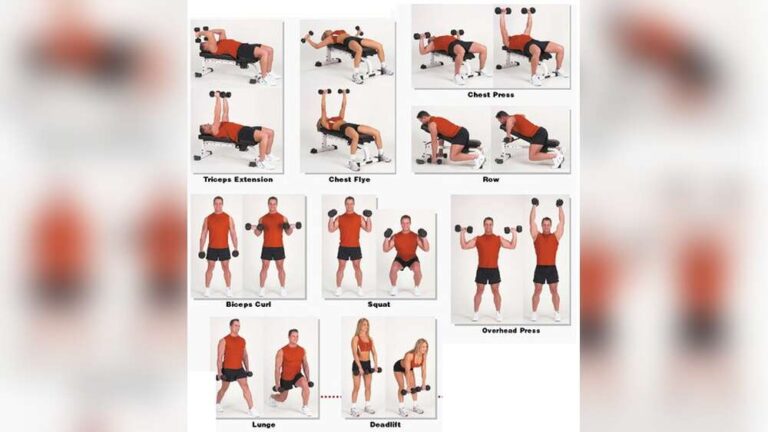
Try new exercises that target the same muscles. Swap machines for free weights or bodyweight moves. This change forces muscles to adapt and grow stronger. Use different grips or stances to hit muscles from new angles. Variety keeps workouts fresh and muscles guessing. It helps break through plateaus faster.
Modify Intensity And Volume
Adjust how hard and how much you train. Increase the weight you lift gradually to build strength. Lower the weight but do more reps to boost endurance. Change rest time between sets to challenge your body differently. Small changes in intensity and volume push your limits. This sparks progress and avoids workout boredom.
Focus On Proper Recovery
Focusing on proper recovery is key to breaking through workout plateaus. Recovery helps your muscles repair and grow stronger. It also prevents injuries and burnout. Without good recovery, your progress may stall and workouts can feel harder.
Recovery is not just about resting but about smart rest. It means giving your body time and conditions to heal. This section explains how to recover well with two important steps.
Prioritize Sleep Quality
Sleep is the best recovery tool. Your body fixes muscles and stores energy during sleep. Aim for 7 to 9 hours each night. Create a quiet, dark, and cool room. Avoid screens at least 30 minutes before bed. Try to go to bed and wake up at the same time daily. Good sleep helps you feel fresh and strong for workouts.
Incorporate Rest Days
Rest days help muscles repair and prevent overuse. Plan one to two rest days each week. Use rest days for light activities like walking or stretching. Avoid heavy lifting or intense workouts on these days. Rest days improve your energy and reduce soreness. They make your workouts more effective and enjoyable.

Credit: www.runnersworld.com
Optimize Nutrition Habits
Optimizing nutrition habits plays a key role in breaking workout plateaus. Eating right fuels your body and helps muscles grow. Small changes in diet can lead to big improvements in strength and energy. Focus on what you eat to support your training and recovery.
Balance Macronutrients
Your body needs a mix of protein, carbs, and fats for best results. Protein helps repair and build muscles after workouts. Carbohydrates provide energy for intense exercise sessions. Healthy fats support hormone production and overall health. Aim for a balanced plate at every meal to keep your body fueled and strong.
Stay Hydrated
Water is essential for muscle function and recovery. Drinking enough fluids helps prevent fatigue and cramps. It also improves focus during workouts. Carry a water bottle and sip regularly throughout the day. Hydration supports your progress and keeps your energy steady.
Use Progressive Overload Smartly
Progressive overload is key to breaking workout plateaus. It means pushing your muscles a bit more over time. This helps muscles grow and get stronger. Using progressive overload smartly keeps progress steady and safe. It avoids injury and burnout. Here are two simple ways to use this method effectively.
Increase Weights Gradually
Start with a weight you can lift comfortably. Add small amounts of weight over weeks. This could mean 2.5 to 5 pounds more each time. Lifting heavier forces muscles to adapt. Avoid jumping to heavy weights too fast. This can cause injury and stop progress. Small, steady increases work best for beginners.
Vary Repetition Ranges
Change how many reps you do in each set. Try low reps with heavy weights sometimes. Other times, do more reps with lighter weights. This challenges muscles in different ways. It stops your body from getting used to one style. Variation helps muscles grow and stay strong. Keep your workouts fresh and effective by switching reps.

Credit: www.trainwithdaveoc.com
Incorporate Cross-training
Incorporating cross-training into your workout routine breaks the monotony. It targets different muscle groups and prevents fitness plateaus. Cross-training helps your body recover while staying active. It improves overall fitness and keeps workouts exciting.
Try Different Cardio
Switching up your cardio can boost your progress. Running, cycling, swimming, or rowing use different muscles. This variety challenges your body in new ways. It also reduces the risk of injury. Try a new cardio type once or twice a week. Your heart and lungs will get stronger.
Add Flexibility Exercises
Flexibility exercises help your muscles move better. Stretching and yoga improve your range of motion. This makes other workouts easier and safer. Flexibility reduces muscle tightness and soreness. Include these exercises after cardio or strength training. Your body will feel more balanced and ready for exercise.
Stay Motivated And Consistent
Staying motivated and consistent is key to beating workout plateaus. Without steady effort, progress slows down. Motivation fuels your desire to keep moving forward. Consistency builds habits that lead to lasting change.
Even small dips in motivation can stop progress. Finding ways to stay on track helps you push through tough days. Consistent workouts create momentum. This momentum helps you break through plateaus and reach new goals.
Set Realistic Goals
Set goals that fit your current fitness level. Goals that are too hard cause frustration. Easy goals may not challenge you enough. Find a balance. Realistic goals keep you focused and motivated.
Break big goals into smaller steps. This makes progress clearer. Achieving small targets feels rewarding. It encourages you to keep going. Realistic goals prevent burnout and build confidence.
Track Small Wins
Track every small win in your fitness journey. Each step forward shows progress. Write down improvements like more reps or longer runs. Seeing your growth boosts motivation.
Small wins add up to big changes. Celebrate these moments. They remind you that your effort matters. Tracking progress keeps you engaged and consistent with workouts.
Frequently Asked Questions
What Causes Workout Plateaus For Beginners?
Workout plateaus happen when progress stalls despite consistent effort. Common causes include lack of variation, poor nutrition, insufficient rest, and improper workout intensity. Beginners often hit plateaus due to adapting quickly to initial routines without increasing challenge or recovery.
How Can Beginners Break Through Workout Plateaus?
Beginners can break plateaus by changing workout routines, increasing intensity, and improving nutrition. Adding rest days and focusing on recovery also helps. Tracking progress and setting new goals keeps motivation high and promotes continuous improvement.
Is Rest Important To Overcome Workout Plateaus?
Yes, rest is crucial to overcome plateaus. Muscles need time to recover and grow stronger. Overtraining can stall progress and increase injury risk. Aim for 1-2 rest days weekly and ensure quality sleep for optimal recovery.
Should Beginners Change Exercises To Fix Plateaus?
Changing exercises helps prevent adaptation and stimulates muscle growth. Beginners should vary workouts by trying new movements or equipment. This challenges muscles differently, improving strength and endurance while keeping workouts interesting.
Conclusion
Breaking through workout plateaus takes patience and small changes. Try adjusting your routine or adding rest days. Focus on proper form and steady progress. Keep track of your workouts to see what works. Stay consistent and listen to your body’s needs.
Remember, everyone hits a plateau sometimes. Keep pushing, and results will come. Your effort matters more than speed. Stay positive and enjoy the process. You can move past plateaus with simple steps. Keep going strong!

Brandon Knoxley is a sport & fitness writer and training guide contributor at MySportFitHub. He focuses on practical workouts, performance-based training, and honest fitness gear insights designed for real people and real results. Brandon is passionate about helping beginners and active individuals train smarter, avoid common mistakes, and build sustainable fitness habits.