How to Improve Agility for Sports Training: Ultimate Tips & Techniques
Are you looking to move faster, change direction smoothly, and stay ahead of your competition in sports? Improving your agility can make all the difference in your performance.
Whether you play soccer, basketball, or any fast-paced sport, better agility helps you react quickly and avoid injuries. You’ll discover simple, effective ways to boost your agility through targeted exercises and smart training tips. Get ready to transform your game and feel more confident on the field or court! Keep reading—you won’t want to miss these key strategies that can take your skills to the next level.

Credit: www.youtube.com
Benefits Of Agility In Sports
Agility plays a key role in sports training. It helps athletes move quickly and change direction with ease. Improving agility leads to better control of body movements and faster reactions. This skill benefits many types of sports, from soccer to basketball. Understanding the benefits of agility can motivate athletes to train harder and smarter.
Enhanced Performance
Agility improves speed and reaction time. Athletes can dodge opponents and reach the ball faster. Quick movements give a clear advantage during games. Agility also boosts endurance, helping players stay active longer. Teams with agile players often perform better overall.
Injury Prevention
Good agility reduces the risk of injuries. It helps athletes keep balance and control in sudden moves. Strong muscles and joints respond better to twists and turns. This lowers the chance of sprains or strains. Training agility builds a safer, stronger body.
Better Coordination
Agility training improves hand-eye and foot-eye coordination. Athletes learn to move their body parts smoothly together. This skill enhances timing and precision in sports actions. Better coordination leads to higher accuracy and control. It also helps in learning new sports skills faster.
Credit: blog.nasm.org
Key Components Of Agility
Agility is crucial for sports training. It helps athletes move quickly and change direction easily. Improving agility requires focusing on several key components. These parts work together to enhance overall performance. Understanding each component helps design better training routines.
Speed And Quickness
Speed allows athletes to move fast in a straight line. Quickness is the ability to accelerate and change pace rapidly. Both are essential for good agility. Training drills often focus on sprinting and fast footwork. These exercises improve muscle power and coordination.
Balance And Stability
Balance helps maintain control during movement. Stability keeps the body steady and prevents falls. Strong core muscles support better balance and stability. Exercises like single-leg stands and balance boards are effective. These skills help athletes stay agile under pressure.
Reaction Time
Reaction time is the speed of responding to a stimulus. Faster reactions improve an athlete’s ability to adapt during play. Drills that use visual or auditory signals enhance this skill. Improving reaction time leads to quicker decisions and better agility.
Agility Drills For Beginners
Improving agility is key for better sports performance. Beginners should start with simple drills. These drills build coordination, speed, and quick movements. Practicing regularly helps develop strong, fast reflexes. Here are some easy drills for beginners.
Ladder Drills
Ladder drills improve foot speed and coordination. Use an agility ladder placed flat on the ground. Step quickly in and out of each square. Keep your body low and eyes forward. Start slow, then increase your speed. This drill trains your feet to move fast and precise.
Cone Drills
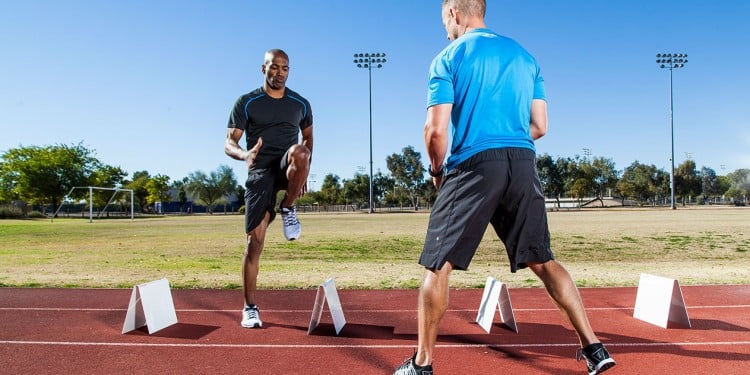
Cone drills help improve change of direction. Set cones in a straight line or zigzag pattern. Run to each cone and stop quickly. Change direction and sprint to the next cone. Focus on sharp turns and quick stops. This exercise builds control and balance during movement.
Shuttle Runs
Shuttle runs boost acceleration and speed. Mark two points about 10 to 20 feet apart. Sprint from one point to the other and back. Repeat several times with short rest breaks. This drill trains your body to start and stop fast. It also improves your stamina and quickness.
Advanced Agility Techniques
Advanced agility techniques help athletes move faster and react better. These methods build on basic skills. They improve speed, balance, and coordination. Training with these techniques makes sports performance sharper. Below are some effective ways to boost agility.
Plyometric Exercises
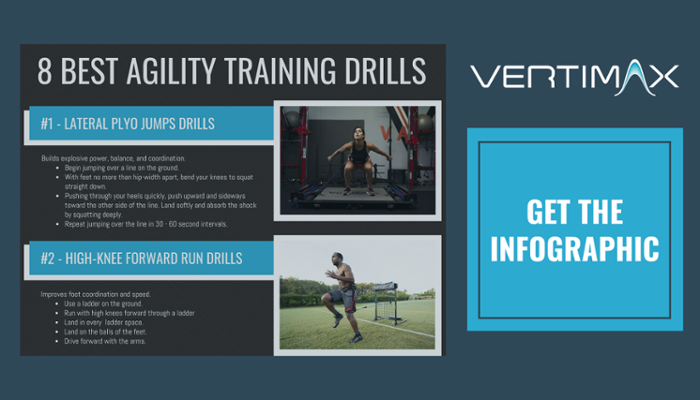
Plyometric exercises involve quick, powerful movements. They train muscles to contract fast. Jumping, bounding, and hopping are common plyometric moves. These exercises increase explosive strength and speed. They also improve muscle elasticity and reaction time. Doing them regularly enhances your ability to change direction swiftly.
Change Of Direction Drills
Change of direction drills focus on quick turns and stops. Cone drills and shuttle runs are popular examples. These drills teach your body to slow down and speed up fast. They improve footwork and body control. Practicing these drills helps avoid injuries during sudden moves. They are essential for sports that require sharp direction changes.
Reactive Training
Reactive training improves your response to unexpected events. It trains your brain and body to react faster. Using light signals, sounds, or partner cues helps practice this. This training sharpens focus and decision-making speed. It makes athletes ready for sudden changes in play. Regular reactive training boosts overall agility and awareness.
Strength Training For Agility
Strength training plays a key role in improving agility for sports. It builds muscle power and control. This helps athletes move quickly and change direction easily. Strong muscles reduce injury risk and improve balance.
Focusing on specific muscle groups improves overall agility. Targeting the lower body, core, and explosive power develops quick and precise movements. Each area supports different aspects of speed and coordination.
Lower Body Workouts
Strong legs are essential for fast movements. Squats, lunges, and calf raises build leg muscles. These exercises improve stability and speed during direction changes. Use light to moderate weights for better control.
Step-ups and box jumps also enhance leg strength. They train muscles to react quickly. This helps athletes stay balanced while moving fast.
Core Strengthening
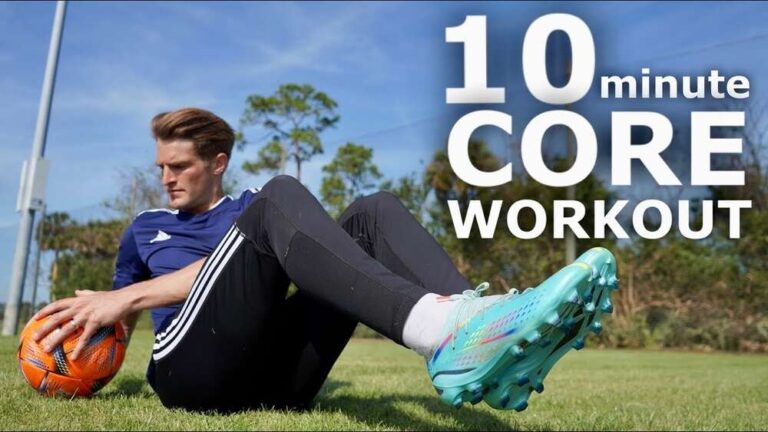
The core controls body movement and balance. Planks, Russian twists, and leg raises strengthen this area. A strong core improves posture and coordination. This helps with sharp turns and quick stops.
Core workouts support all body motions. They keep the body stable during rapid moves. Strong abs and back muscles prevent falls and injuries.
Explosive Power Exercises
Explosive power builds speed and force. Plyometric exercises like jump squats and burpees boost this ability. They train muscles to contract quickly for sudden moves.
Medicine ball throws and sprint drills also develop power. These exercises improve reaction time and acceleration. Explosive strength helps athletes move faster and change direction smoothly.
Flexibility And Mobility Tips
Improving agility requires good flexibility and mobility. These qualities help your body move faster and avoid injuries. Stretching and moving joints properly prepare muscles for quick actions. Use simple exercises to boost your range of motion and control.
Dynamic Stretching
Dynamic stretching warms up muscles with movement. It increases blood flow and loosens tight areas. Try leg swings, arm circles, or walking lunges. These moves prepare your body for fast, sharp actions. Spend five to ten minutes before training or games.
Foam Rolling
Foam rolling helps release muscle tightness and knots. Roll over sore or stiff areas slowly. Focus on calves, quads, hamstrings, and back. Foam rolling improves blood flow and speeds recovery. Use it before and after workouts to stay flexible.
Joint Mobility Drills
Joint mobility drills keep your joints healthy and flexible. Perform controlled circles or bends for ankles, hips, and shoulders. These drills improve joint range and reduce stiffness. Practice daily to support fast, smooth movements during sports.
Nutrition And Recovery
Nutrition and recovery play a big role in improving agility for sports training. Proper fuel and rest help the body perform better and heal faster. This keeps the muscles strong and ready for quick movements.
Eating the right foods and drinking enough fluids support energy and reduce injury risks. Rest allows the body to rebuild and adapt to training demands. Both nutrition and recovery work together to boost overall agility.
Hydration Strategies
Water keeps the body cool and muscles working well. Drink water before, during, and after exercise. Avoid sugary drinks that can cause energy crashes.
Sports drinks can help during long or intense workouts. They replace lost salts and minerals. Listen to your body’s thirst signals to stay hydrated.
Post-workout Nutrition
After training, eat foods rich in protein and carbohydrates. Protein helps repair muscles. Carbs refill energy stores.
Try lean meats, eggs, yogurt, and fruits. Avoid heavy or greasy meals that slow recovery. Eat within 30 to 60 minutes after exercise.
Rest And Sleep
Rest is when the body heals and builds strength. Sleep is the best form of rest for athletes.
Aim for 7 to 9 hours of sleep every night. Avoid screens and bright lights before bed. Create a quiet, dark, and cool room for better sleep.
Credit: vertimax.com
Tracking Progress And Staying Motivated
Tracking progress and staying motivated are key parts of improving agility in sports. Monitoring your development helps keep focus and shows how far you have come. It also highlights areas that need more work. Staying motivated keeps your training consistent and effective. This section explains how to set clear goals, use performance data, and maintain steady effort.
Setting Goals
Goals give your training a clear direction. Set small, achievable targets that lead to bigger improvements. For example, aim to reduce your sprint time by a few seconds. Write down your goals to make them real and keep you accountable. Adjust goals as you improve to avoid losing interest.
Using Performance Metrics
Track your agility using simple measures. Time your sprints or count how fast you change direction. Record these results regularly to see your progress. Use videos to check your form and technique. Metrics provide facts, not guesses, about your performance.
Maintaining Consistency
Consistent training is the secret to real improvement. Make a schedule and stick to it. Even on tough days, do a shorter session instead of skipping. Celebrate small wins to keep your spirits high. Consistency builds habits that lead to lasting agility gains.
Frequently Asked Questions
What Are The Best Exercises To Improve Sports Agility?
Plyometric drills, ladder drills, cone drills, and shuttle runs are top exercises. They enhance quick footwork, coordination, and reaction time effectively.
How Often Should I Train To Boost Agility?
Training 3-4 times weekly balances improvement and recovery. Consistency is key for lasting agility gains and injury prevention.
Can Strength Training Enhance Sports Agility?
Yes, strength training builds muscle power and stability. Strong muscles improve speed, balance, and quick directional changes in sports.
Is Flexibility Important For Better Agility?
Flexibility aids in smooth, controlled movements and reduces injury risk. Stretching regularly improves overall agility and athletic performance.
Conclusion
Improving agility takes time and steady effort. Practice drills regularly to see progress. Focus on balance, speed, and quick changes in direction. Keep your body strong and flexible through training. Rest well and eat healthy to support your workouts. Small steps add up to big improvements over time.
Stay patient and enjoy the process. Agility helps in many sports and daily activities. Consistency will bring better performance and confidence. Keep moving forward, one step at a time.

Brandon Knoxley is a sport & fitness writer and training guide contributor at MySportFitHub. He focuses on practical workouts, performance-based training, and honest fitness gear insights designed for real people and real results. Brandon is passionate about helping beginners and active individuals train smarter, avoid common mistakes, and build sustainable fitness habits.