How to Improve Balance And Coordination Beginners: Easy Steps to Master
Are you tired of feeling wobbly or off-balance during simple activities? Improving your balance and coordination is easier than you think—and it can make a big difference in your daily life.
Whether you want to move with more confidence, prevent falls, or just feel steadier on your feet, this guide is made just for you. Keep reading to discover simple, effective tips that anyone can start using right now to boost balance and coordination, even if you’re a complete beginner.
Your body and mind will thank you!

Credit: www.youtube.com
Why Balance And Coordination Matter
Balance and coordination are key skills for daily life and physical activities. They help us move safely and confidently. Improving these skills can make many tasks easier and reduce the risk of falls.
Strong balance and coordination support good posture and body control. They allow smooth and precise movements. This is important not just in sports but also in simple actions like walking or standing.
Improves Safety And Prevents Injuries
Good balance lowers the chance of falling. Falling can cause serious injuries, especially for beginners or older adults. Coordination helps control body movements and avoid accidents.
Enhances Physical Performance
Coordination allows better control during exercise or sports. Balance helps maintain posture and stability. Together, they improve overall physical strength and endurance.
Boosts Confidence And Independence
Feeling steady and in control builds self-confidence. It makes daily tasks easier and less stressful. This independence improves quality of life and mental well-being.
Supports Brain And Muscle Connection
Balance and coordination train the brain to communicate well with muscles. This improves reaction time and body awareness. It helps learn new movements faster and with ease.
Common Challenges For Beginners
Beginners often face several challenges when starting to improve balance and coordination. These challenges can slow progress and cause frustration. Recognizing common difficulties helps to manage expectations and stay motivated.
Balance and coordination require control over muscles and nerves. For new learners, the body may feel unstable or awkward. Understanding these hurdles makes it easier to work through them step by step.
Difficulty Staying Steady
Many beginners find it hard to keep steady. Small movements can cause wobbling or loss of balance. This happens because muscles and the brain are still learning to work together.
Slow Reaction Time
Reacting quickly is tough for beginners. The body may delay adjusting to changes in position. This delay affects coordination and can cause stumbles or falls.
Muscle Weakness
Weak muscles make balance harder to maintain. Beginners often lack strength in key areas like the core and legs. Building muscle strength is essential for better control.
Lack Of Confidence
Fear of falling lowers confidence in beginners. This fear can make them tense and less steady. Relaxing and practicing regularly helps build trust in the body’s ability.
Difficulty Following Instructions
Some beginners struggle to understand exercise steps. Complex instructions can cause confusion and mistakes. Simple, clear guidance improves learning and results.
Simple Exercises To Start With
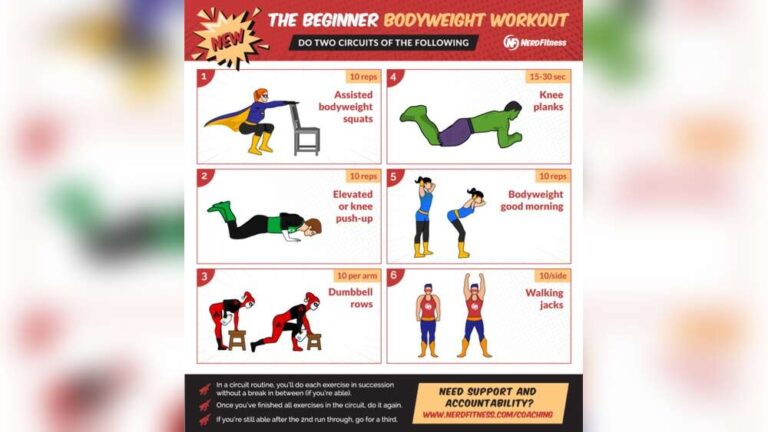
Starting with simple exercises is the best way to improve balance and coordination. These exercises help your body learn control and stability. They also build confidence in your movements. The key is to practice regularly and stay patient. Here are some easy exercises to begin with.
Basic Standing Balance Drills
Stand on one foot for 15 to 30 seconds. Keep your eyes focused on a fixed point. Switch feet and repeat. Try closing your eyes to challenge yourself more. Use a wall or chair for support if needed. This drill strengthens your leg muscles and improves balance.
Hand-eye Coordination Activities
Start with simple ball tosses. Throw a small ball up and catch it with the same hand. Then try tossing it from one hand to the other. Use different sized balls to increase difficulty. These activities train your brain and eyes to work together better. They also improve reaction time.
Footwork And Agility Moves
Practice stepping side to side over a line or stick. Move quickly but stay controlled. Try small jumps forward and backward. Use a ladder or draw one on the ground. These moves enhance foot speed and body control. They prepare you for more complex balance tasks.

Credit: www.amazon.com
Using Props And Tools
Using props and tools can help beginners improve balance and coordination effectively. These items provide support and challenge at the right level. They make exercises more fun and help the body learn to stay steady. Props also allow gradual progress as skills get better.
Balance Boards And Stability Balls
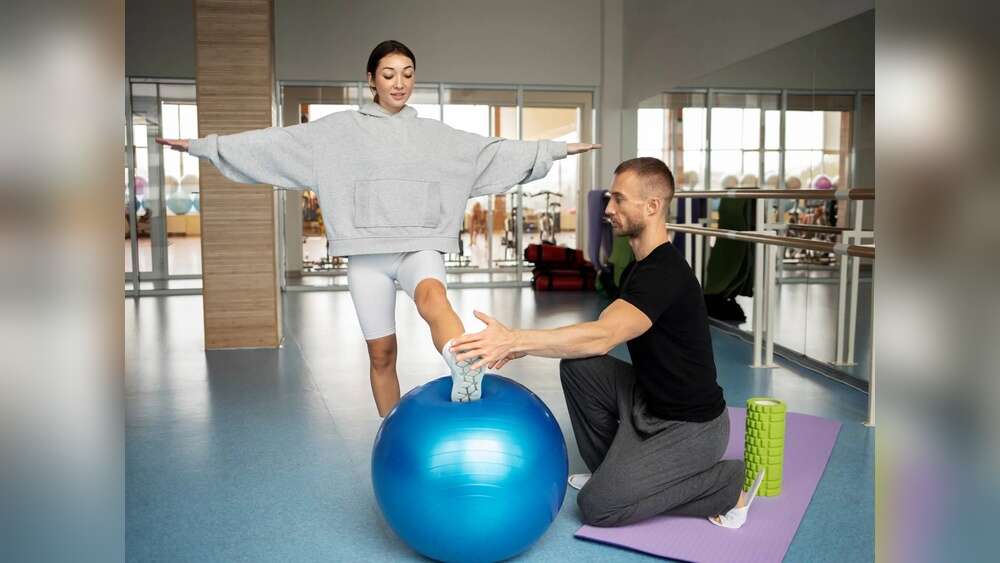
Balance boards create an unstable surface to stand on. This forces the body to work harder to stay balanced. Stability balls are large, soft balls that engage core muscles. Sitting or lying on them improves control and coordination. Both tools train muscles used for everyday movements.
Resistance Bands
Resistance bands add gentle tension during exercises. They help build strength in small muscles that support balance. Stretching bands improve flexibility and control in the legs and hips. These bands are easy to use at home or outside. They increase muscle endurance without heavy weights.
Light Weights And Balls
Light weights help improve muscle control and coordination. Holding or moving small weights challenges stability and focus. Soft balls can be tossed or caught to train hand-eye coordination. These tools improve timing and reaction skills. They also boost confidence in movement.
Incorporating Balance In Daily Life
Improving balance and coordination starts with small changes in daily life. Simple actions can help train your body to stay steady and move smoothly. You do not need special equipment or a gym. Just adding balance exercises to your regular activities makes a big difference. This approach helps build strength and awareness naturally. It also reduces the risk of falls and injuries. Try to focus on balance in everyday moments.
Balance While Walking And Moving
Walking is a perfect chance to practice balance. Keep your head up and look straight ahead. Take slow, steady steps. Avoid rushing or looking down at your feet. Try walking in a straight line, heel to toe. This helps improve control and steadiness. Use your arms to help balance by swinging them gently. Practice standing on one foot for a few seconds during breaks. These habits train your body to stay balanced during movement.
Coordination In Household Tasks
Household chores offer many ways to improve coordination. Washing dishes or folding laundry needs hand and eye coordination. Try to move smoothly and avoid rushing. When sweeping or mopping, focus on steady, even strokes. Carrying groceries or moving furniture helps your body adjust to weight changes. Try balancing on one foot while reaching for items on shelves. These simple tasks help your brain and body work together better.
Progressing To Advanced Moves
Progressing to advanced moves helps build stronger balance and coordination. After mastering basic exercises, your body needs new challenges. These exercises improve control and stability in daily activities. Focus on moves that test your limits safely. Gradually, your balance will become sharper and more reliable.
Single-leg Exercises
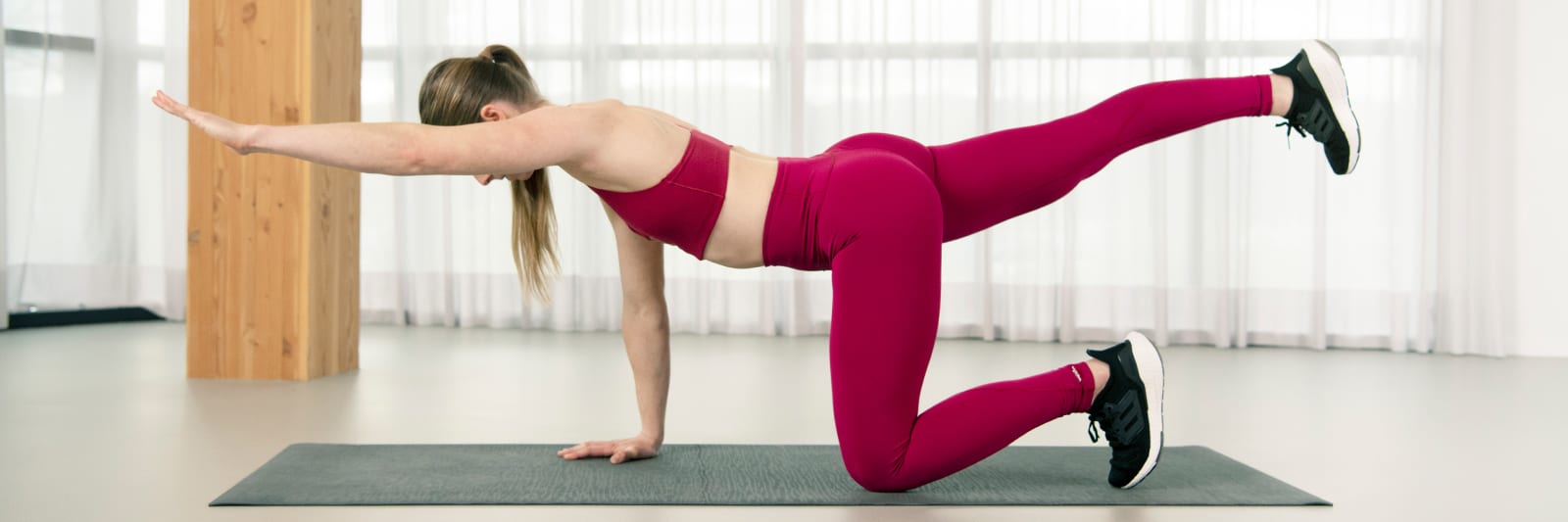
Single-leg exercises force your body to stabilize on one foot. This increases strength in the ankle, knee, and hip. Start by standing on one leg for 15 seconds. Try closing your eyes to make it harder. Progress to single-leg squats or reaching forward while balancing. These moves improve muscle coordination and body awareness.
Dynamic Coordination Challenges
Dynamic exercises involve movement while keeping balance. Examples include walking heel-to-toe or side-stepping on a line. Add arm movements or light weights to increase difficulty. Use balance boards or foam pads to challenge stability further. These tasks train your brain and body to work together smoothly.
Tips For Staying Motivated
Staying motivated is key to improving balance and coordination. Without motivation, progress slows down and frustration grows. Simple strategies can keep your energy high and your focus sharp. These tips help beginners stay on track and enjoy the journey.
Setting Realistic Goals
Start with small, clear goals. Aim for daily or weekly targets you can reach. This makes tasks less scary and more doable. Celebrate each success, no matter how small. Realistic goals build confidence and keep you moving forward.
Tracking Improvement
Keep a journal or use an app to note your progress. Write down exercises, time spent, and feelings after workouts. Seeing improvements boosts motivation. It shows your efforts bring real results. Tracking helps you adjust your routine smartly.
Staying Consistent
Make balance exercises part of your daily routine. Practice at the same time each day. Consistency creates habit and improves skills faster. Even short sessions matter if done regularly. Staying consistent beats bursts of intense effort.
When To Seek Professional Guidance
Knowing when to seek professional guidance is important for improving balance and coordination safely. Some signs show that expert help can make a big difference. Professionals can provide tailored advice and exercises based on individual needs.
Working with a specialist prevents injury and ensures progress. They can spot issues that may not be obvious to beginners. Getting help early can lead to better results and more confidence.
Signs Of Persistent Balance Problems
Constant dizziness or frequent falls need professional attention. Difficulty standing or walking steadily also signals a problem. These symptoms may indicate underlying health issues requiring expert care.
Challenges With Basic Coordination Exercises
Struggling to perform simple coordination tasks can show a need for guidance. If exercises feel too hard or cause pain, a professional can adjust the routine. Proper techniques improve safety and effectiveness.
Existing Medical Conditions Affecting Movement
Conditions like arthritis or neurological disorders impact balance and coordination. Consulting a healthcare provider ensures exercises suit these conditions. This reduces risk and supports recovery.
Lack Of Progress Over Time
No improvement after consistent practice suggests a need for expert help. Professionals can identify barriers and offer new strategies. This keeps motivation high and helps reach goals.
Credit: www.adidas.com
Frequently Asked Questions
What Are The Best Exercises To Improve Balance For Beginners?
Begin with simple exercises like standing on one leg, heel-to-toe walking, and gentle yoga poses. These enhance stability and coordination gradually. Consistent practice strengthens core muscles and improves body awareness, which are key for better balance.
How Does Coordination Training Benefit Beginners?
Coordination training improves the brain’s communication with muscles. It enhances motor skills, reaction time, and movement accuracy. Beginners gain better control over body movements, reducing the risk of falls and injuries while increasing overall physical confidence.
How Often Should Beginners Practice Balance And Coordination Exercises?
For best results, practice balance and coordination exercises 3 to 4 times weekly. Short sessions of 15 to 20 minutes are effective. Consistency is crucial to build strength, improve stability, and maintain progress over time.
Can Balance And Coordination Improve Reduce Fall Risk?
Yes, improving balance and coordination significantly lowers fall risk. It strengthens muscles, enhances reflexes, and improves body control. This is especially important for beginners and older adults to maintain independence and safety.
Conclusion
Improving balance and coordination takes time and practice. Start with simple exercises daily. Focus on steady movements and controlled breathing. Use tools like balance boards or practice standing on one foot. Consistency helps your body learn and adapt. Stay patient and listen to your body’s signals.
Celebrate small progress along the way. Balance and coordination will get better step by step. Keep practicing, and you will feel more confident and steady.

Brandon Knoxley is a sport & fitness writer and training guide contributor at MySportFitHub. He focuses on practical workouts, performance-based training, and honest fitness gear insights designed for real people and real results. Brandon is passionate about helping beginners and active individuals train smarter, avoid common mistakes, and build sustainable fitness habits.