How to Improve Flexibility for Beginners Safely: Easy Steps to Success
Are you tired of feeling stiff and limited in your movements? Improving your flexibility can make a huge difference in how your body feels every day.
But if you’re new to stretching, it’s important to do it safely to avoid injury. You’ll discover simple, effective ways to increase your flexibility step by step. Whether you want to move more freely, reduce pain, or boost your energy, these easy tips will help you get there without overwhelming your body.
Ready to feel better and move with ease? Keep reading to learn how to improve your flexibility safely and confidently.
Benefits Of Flexibility
Flexibility offers many benefits for both the body and mind. It helps improve movement and reduces the risk of injuries. Increasing flexibility is a smart step for beginners who want a healthier lifestyle. The positive effects go beyond just physical health. Flexibility also supports mental and emotional well-being.
Physical Advantages
Better flexibility makes daily movements easier and smoother. It helps you bend, reach, and twist without pain. Flexible muscles reduce stiffness and soreness after exercise. This lowers the chance of muscle strains and joint injuries. Improved flexibility also supports better posture and balance. It can make workouts safer and more effective.
Mental And Emotional Gains
Stretching and flexibility exercises calm the mind and body. They reduce stress and anxiety by releasing tension from muscles. Flexibility routines often include deep breathing, which boosts relaxation. Feeling more flexible can increase confidence and body awareness. This helps you feel more in control and less stressed in daily life.
Common Flexibility Myths
Many beginners feel confused by what they hear about flexibility. Some ideas spread widely but are not true. These myths can stop people from trying or doing it the right way. Knowing the facts helps beginners improve safely and enjoy the process.
Stretching Misconceptions
Stretching does not always mean pain or discomfort. Feeling pain means the stretch is too hard. You should stop before pain starts. Stretching once a week is not enough. Regular practice helps your muscles become more flexible over time. Static stretches before exercise do not prevent injury. Warm muscles stretch better, so try light activity first.
Flexibility Limits
Everyone’s body is different. Some people are naturally more flexible. Your flexibility depends on age, genetics, and lifestyle. You cannot force your body beyond its limits. Trying too hard can cause injury. Flexibility improves slowly and steadily with safe exercises. Patience and consistency work better than quick fixes.
Safe Stretching Basics
Improving flexibility starts with safe stretching basics. Stretching safely helps avoid injuries and pain. It prepares your muscles and joints for movement. Beginners need to learn how to stretch properly. Doing it right builds strength and flexibility over time.
Warm-up Importance
Warming up raises your body temperature. Warm muscles stretch better and reduce injury risk. Start with light activity like walking or jogging for five minutes. This increases blood flow to your muscles. Never stretch cold muscles; it can cause strains.
Proper Stretching Techniques
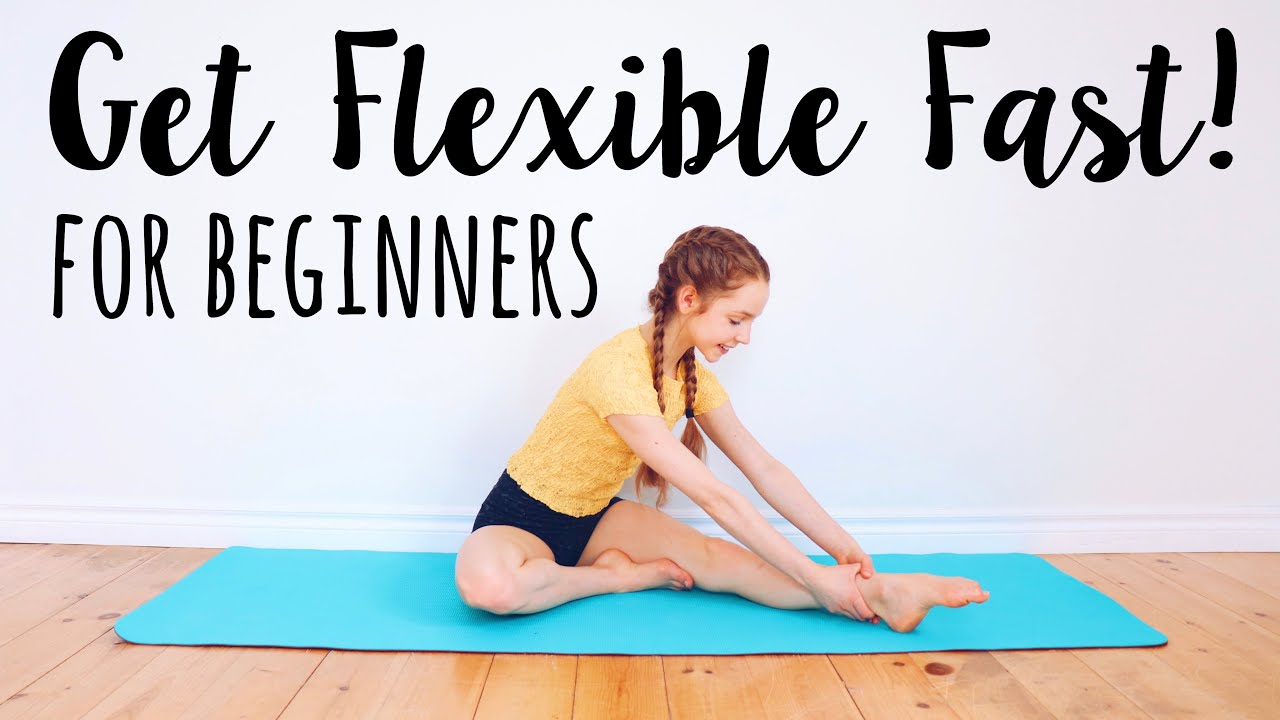
Stretch slowly and gently. Hold each stretch for 15 to 30 seconds. Avoid bouncing or jerking movements. Bouncing can harm your muscles and joints. Breathe deeply and relax during stretches. Focus on feeling tension, not pain. Stop if you feel sharp pain or discomfort.
Credit: www.youtube.com
Daily Flexibility Routine
Building a daily flexibility routine helps your body move better. It reduces stiffness and lowers injury risk. Small, regular stretches make a big difference over time. A simple routine fits easily into your day. Consistency is key to improving flexibility safely.
Simple Stretches For Beginners
Start with gentle stretches. Try reaching for your toes while sitting. Stretch your arms above your head and hold. Do neck rolls slowly to relax tight muscles. Keep each stretch mild and hold for 15 to 30 seconds. Stop if you feel pain. Focus on major muscle groups like legs, back, and shoulders.
Time And Frequency Tips
Stretch daily to see progress. Aim for 10 to 15 minutes each session. Morning or evening works well. Choose a quiet spot to avoid distractions. Start with fewer stretches and add more as you improve. Consistent practice helps your body adapt and grow more flexible.
Incorporating Yoga And Pilates
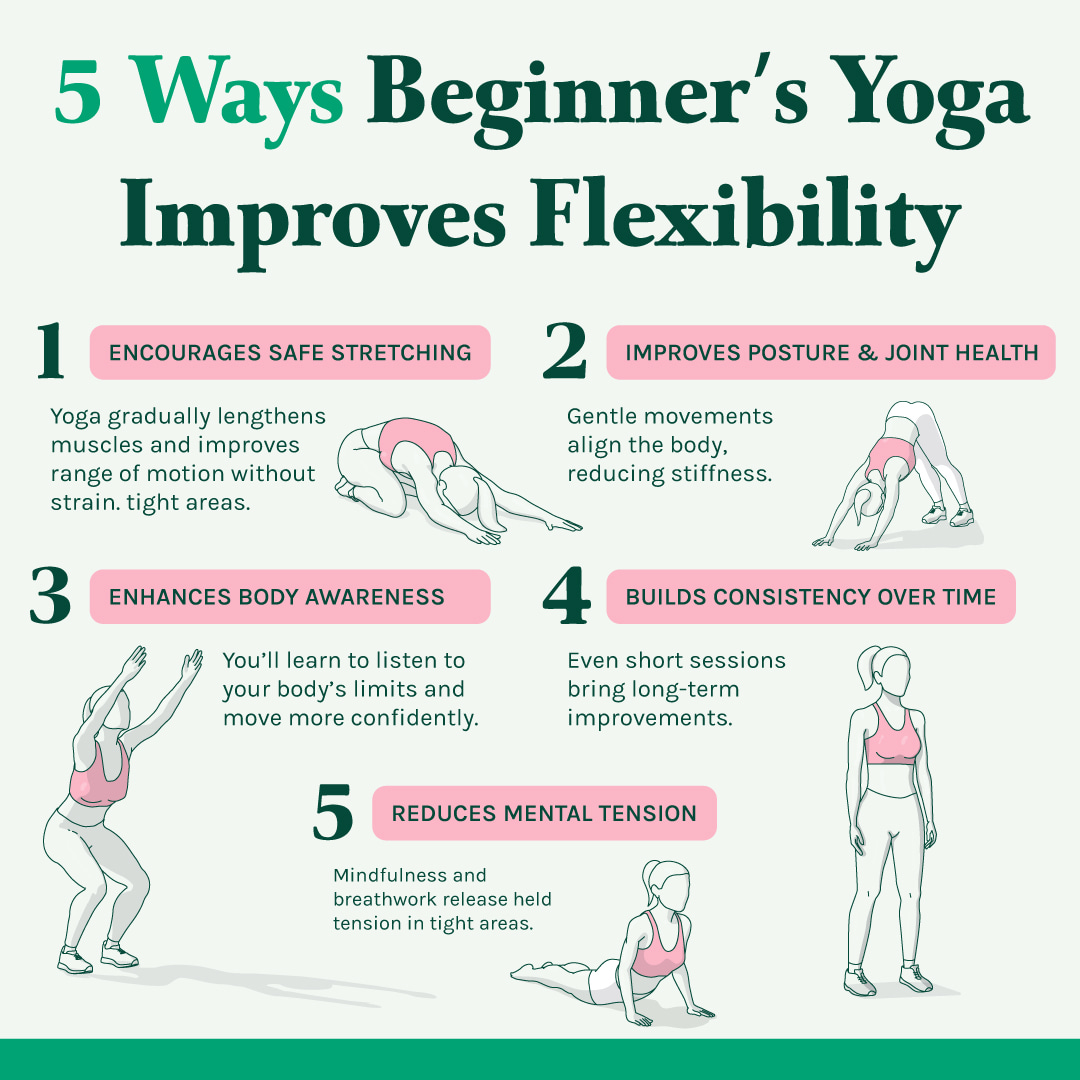
Incorporating yoga and Pilates into your routine helps improve flexibility safely. Both practices focus on gentle movements and controlled stretches. They build strength while increasing muscle length. This combination reduces the risk of injury for beginners.
Yoga and Pilates teach body awareness. You learn to listen to your muscles and respect their limits. This careful approach promotes gradual flexibility gains. It also improves posture and balance.
Beginner-friendly Poses
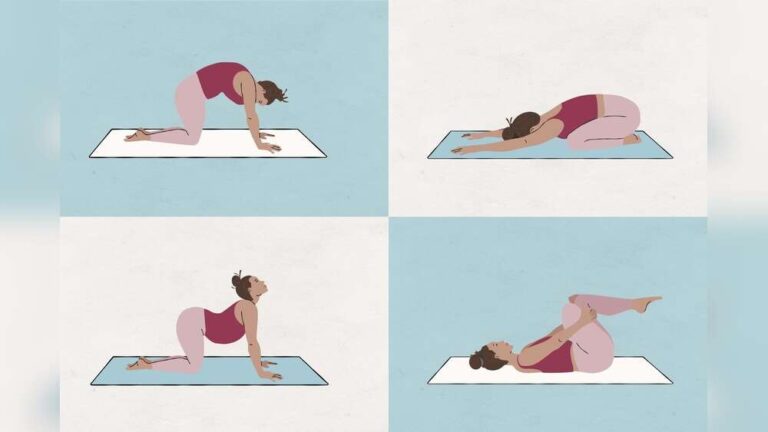
Start with simple poses like Child’s Pose and Cat-Cow in yoga. These stretches open the back and hips gently. In Pilates, try the Pelvic Curl and Spine Stretch. These exercises improve spinal flexibility and core strength.
Hold each pose for 20 to 30 seconds. Breathe deeply and avoid pushing too hard. Consistency is key for progress. Practice three to four times a week for best results.
Breathing And Relaxation
Proper breathing enhances flexibility and relaxation. Yoga uses deep, slow breaths to calm the mind and muscles. Pilates focuses on controlled breathing to support movement.
Try inhaling through the nose and exhaling through the mouth. Coordinate your breath with your movements. This helps release tension and improve stretch depth safely.

Credit: www.militarydonor.com
Tracking Progress
Tracking progress helps you see how your flexibility improves over time. It keeps you motivated and shows what works best. This way, you avoid injury and stay on the right path.
Flexibility Tests
Flexibility tests measure how far you can stretch safely. Simple tests include touching your toes or reaching overhead. Measure your reach and write it down. Repeat tests every two weeks to notice changes. These tests help you understand your starting point and improvements.
Setting Realistic Goals
Set small, clear goals that match your current flexibility. For example, aim to stretch a bit more each week. Realistic goals keep you motivated and prevent frustration. Celebrate small wins to stay encouraged. Adjust goals based on your progress and comfort level.
Avoiding Common Injuries
Improving flexibility is important, but it must be done safely. Injuries can slow progress and cause pain. Beginners should know how to avoid common injuries during stretching. Safe practices help your body adjust and grow stronger.
Signs Of Overstretching
Overstretching can cause pain and damage muscles or joints. Watch for sharp or sudden pain during a stretch. Feeling numbness or tingling means you are pushing too hard. Muscle weakness or shaking also signals overstretching. Stop if you notice any of these signs. Rest and adjust your stretching routine to avoid harm.
Recovery Strategies
Rest is key after any strain or injury. Use ice packs to reduce swelling and pain. Gentle movement helps blood flow and speeds recovery. Avoid intense stretching until fully healed. Drinking water and eating healthy foods support muscle repair. Give your body time to recover before stretching again.
Credit: thrivejourney.com
Frequently Asked Questions
How Often Should Beginners Stretch To Improve Flexibility?
Beginners should stretch at least 3 to 4 times weekly. Consistency helps muscles adapt and increases flexibility safely over time. Avoid overstretching to prevent injuries and allow muscles to recover between sessions.
What Are The Safest Stretches For Beginners?
Safe stretches include static stretches like hamstring and quadriceps stretches. Gentle dynamic stretches, such as leg swings, are also effective. Always warm up before stretching to prevent strains and improve flexibility gradually.
Can Beginners Improve Flexibility Without Pain?
Yes, beginners should avoid pain during stretching. Mild discomfort is normal, but sharp pain signals injury risk. Stretch slowly, hold poses gently, and never force your body beyond its comfort zone to improve safely.
How Long Should Each Stretch Be Held For Beginners?
Hold each stretch for 15 to 30 seconds. This duration allows muscles to lengthen without strain. Repeat stretches 2 to 3 times per session to maximize flexibility benefits safely.
Conclusion
Improving flexibility takes time and gentle effort. Start with simple stretches and listen to your body. Regular practice helps your muscles stay loose and healthy. Avoid pushing too hard to prevent injury. Stay patient and keep your routine steady. Small progress adds up over days and weeks.
Enjoy the process and feel your body grow stronger. Flexibility benefits your daily life and overall wellness. Keep moving safely, and flexibility will improve naturally.

Brandon Knoxley is a sport & fitness writer and training guide contributor at MySportFitHub. He focuses on practical workouts, performance-based training, and honest fitness gear insights designed for real people and real results. Brandon is passionate about helping beginners and active individuals train smarter, avoid common mistakes, and build sustainable fitness habits.