How to Improve Overall Athletic Ability Beginners: Ultimate Guide
Do you want to move faster, jump higher, and feel stronger? Improving your athletic ability doesn’t have to be complicated or overwhelming.
Whether you’re just starting out or looking to boost your performance, there are simple steps you can take right now to get better. Imagine having more energy, better coordination, and the confidence to tackle any physical challenge. You’ll discover easy and effective ways to enhance your overall athletic skills—no matter your current level.
Keep reading, and you’ll unlock the secrets to becoming the best version of yourself on the field, court, or anywhere you play.
Key Athletic Skills
Improving overall athletic ability starts with focusing on key skills. These skills build a strong foundation for any sport or physical activity. Beginners should practice each area to enhance their performance. Strength, speed, endurance, and flexibility are essential. Each skill plays a unique role in athletic success.
Strength Basics
Strength helps you move better and avoid injuries. Start with simple exercises like bodyweight squats and push-ups. Use light weights to build muscle slowly. Focus on proper form to prevent strain. Strength training improves power and balance for all athletes.
Speed And Agility
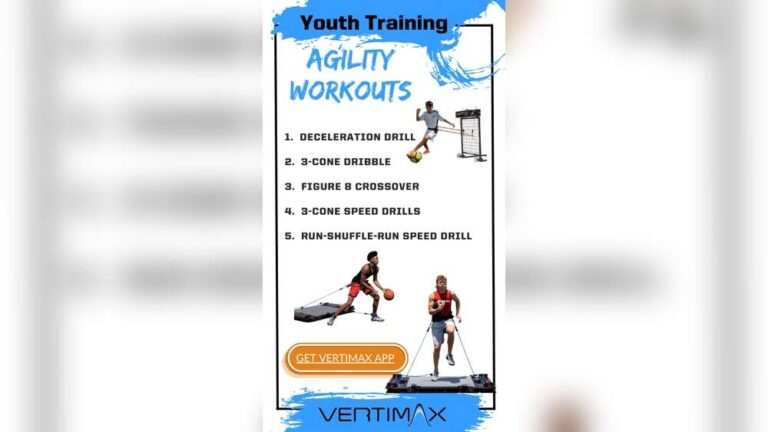
Speed lets you move faster. Agility helps you change direction quickly. Practice drills like sprinting short distances and ladder exercises. These drills train your muscles to react fast. Improving speed and agility makes you more competitive in sports.
Endurance Building
Endurance allows you to keep going longer. Start with walking or light jogging. Gradually increase your time and distance. Consistent practice builds heart and lung strength. Better endurance means less tiredness during activities.
Flexibility Importance
Flexibility improves your range of motion. Stretch regularly before and after workouts. Focus on major muscle groups like legs and back. Greater flexibility reduces muscle tightness and risk of injury. It also helps your body move smoothly.

Credit: www.amazon.com
Essential Training Techniques
Essential training techniques form the base of strong athletic skills. These exercises help build strength, speed, and endurance. Beginners should focus on simple, safe methods to avoid injury.
Each technique targets different parts of your body and fitness. Mixing them creates balanced athletic ability. Practice regularly and watch your performance improve.
Bodyweight Exercises
Bodyweight exercises use your own weight for resistance. Push-ups, squats, and planks are great examples. These moves build muscle and improve coordination. No equipment is needed, making them perfect for beginners.
Resistance Training
Resistance training adds weight to your workouts. Dumbbells, resistance bands, or machines help build muscle strength. Start with light weights and focus on form. Strong muscles support better athletic performance.
Plyometric Drills
Plyometric drills improve power and speed. Jumping, bounding, and quick movements train fast-twitch muscles. These drills boost your ability to explode into action. Begin with low jumps and increase intensity gradually.
Cardio Workouts
Cardio workouts enhance heart and lung health. Running, cycling, or swimming increase stamina and energy. Aim for consistent sessions to build endurance. Good cardio helps you perform longer and recover faster.
Nutrition Tips For Beginners
Good nutrition is key to improving athletic ability for beginners. Eating the right foods helps your body grow stronger and recover faster. It fuels your workouts and supports muscle repair. Learning simple nutrition tips can boost your energy and performance.
Balanced Diet Essentials
A balanced diet includes proteins, carbohydrates, and fats. Proteins build and repair muscles. Carbohydrates provide energy for exercise. Healthy fats support brain and heart health. Eat a variety of fruits and vegetables for vitamins and minerals. Choose whole grains like brown rice and oats over refined ones. Keep portion sizes moderate to avoid overeating.
Hydration Strategies
Water is vital for athletic performance. Drink plenty of water throughout the day. Start hydrating before your workout. Sip water during exercise to replace lost fluids. After exercise, drink water to help recovery. Avoid sugary drinks and sodas. They can cause dehydration and energy crashes.
Pre And Post Workout Meals
Eat a light meal or snack before exercise. Include carbs and some protein for energy and muscle support. Examples: a banana with peanut butter or yogurt with fruit. After workouts, eat a meal rich in protein and carbs. This helps muscles recover and refuel energy stores. Try grilled chicken with vegetables or a smoothie with protein powder and fruit.
Recovery And Rest
Recovery and rest are key parts of improving athletic ability. They help your body heal and get stronger after exercise. Without proper rest, muscles stay tired and progress slows. Good recovery reduces injury risk and keeps you active longer.
Sleep Benefits
Sleep is the best way to recover. It helps muscles repair and grow. During sleep, the body releases important hormones. These hormones build strength and improve energy. Aim for 7 to 9 hours of quality sleep each night. Rested athletes perform better and think clearer.
Stretching Routines
Stretching helps relax muscles and increase flexibility. It reduces soreness after workouts. Gentle stretching improves blood flow to muscles. Spend 5 to 10 minutes stretching after exercise. Focus on major muscle groups used during training. Stretching also helps prevent injuries.
Active Recovery Methods
Active recovery means light exercise on rest days. It keeps blood flowing and speeds healing. Activities like walking, swimming, or yoga work well. Avoid heavy workouts during recovery. These gentle movements reduce muscle stiffness and soreness. Active recovery helps maintain fitness without strain.
Tracking Progress
Tracking progress is important for improving athletic ability. It helps you see how far you have come. It keeps you motivated and focused on your goals. Without tracking, it is hard to know if your training works. Simple methods can make tracking easy and effective.
Setting Realistic Goals
Start with small, clear goals. Realistic goals are easier to reach. They give you a sense of success. For example, aim to run a bit faster or lift a little more weight. Adjust goals as you improve. This keeps you challenged without feeling overwhelmed.
Using Fitness Apps
Fitness apps help you record workouts and activities. Many apps track steps, distance, and calories burned. Some apps also offer workout plans and reminders. Using apps makes tracking simple and fun. They provide graphs and reports to see your progress clearly.
Measuring Performance
Measure key parts of your fitness regularly. Check your speed, strength, or endurance. Use a stopwatch, tape measure, or simple tests. Write down your results after each test. Compare these numbers over time. This shows what is improving and what needs work.

Credit: www.amazon.com
Common Mistakes To Avoid
Improving athletic ability takes time and effort. Many beginners make common mistakes that slow progress or cause injury. Avoiding these errors helps build strength and skill safely. Focus on smart training habits to stay healthy and improve steadily.
Overtraining Risks
Training too much can harm your body. Muscles need rest to grow and recover. Overtraining leads to fatigue, soreness, and injury. It also lowers motivation and performance. Plan rest days and listen to your body’s signals.
Ignoring Warm-ups
Skipping warm-ups puts your muscles at risk. Warm-ups prepare your body for exercise. They increase blood flow and flexibility. Without warming up, injuries like strains are more likely. Spend at least 5-10 minutes warming up before workouts.
Poor Technique
Using wrong form reduces workout benefits. It can cause pain or injury over time. Learning proper technique improves strength and efficiency. Start with light weights or simple movements. Ask for help or watch tutorials to ensure good form.
Mental Strength For Athletes
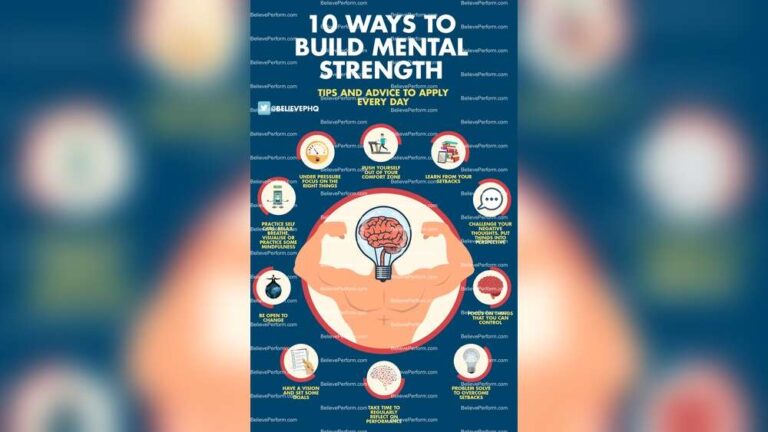
Mental strength is key for athletes at every level. It helps you stay focused and push through challenges. Developing mental toughness improves your performance and enjoyment in sports. It builds your ability to face pressure and keep a positive attitude.
Building Confidence
Confidence grows with practice and preparation. Set small, clear goals for each training session. Celebrate your progress, no matter how small. Visualize success before competing. Positive self-talk helps replace doubts with belief. Confidence fuels your willingness to try harder and take risks.
Staying Motivated
Motivation keeps you moving on tough days. Find reasons why you love your sport. Write down your goals and read them often. Mix up your routine to avoid boredom. Surround yourself with supportive people. Remind yourself that effort leads to improvement. Motivation fades sometimes; keep going anyway.
Handling Setbacks
Setbacks are part of every athlete’s journey. Accept mistakes as chances to learn. Analyze what went wrong without blaming yourself. Adjust your plan and try again. Stay patient and keep your long-term goals in mind. Use setbacks to build resilience and mental strength.

Credit: tritrainingharder.com
Frequently Asked Questions
What Are The Best Exercises To Improve Athletic Ability?
Focus on compound movements like squats, lunges, and push-ups. Incorporate agility drills and plyometrics. These exercises enhance strength, speed, and coordination, which are key to overall athletic performance.
How Often Should Beginners Train To Boost Athletic Skills?
Train three to four times weekly to allow recovery. Consistency helps build endurance, strength, and skill. Avoid overtraining to prevent injuries and burnout.
Can Nutrition Impact Athletic Performance Improvement?
Yes, proper nutrition fuels your body and aids recovery. Focus on balanced meals with proteins, carbs, and healthy fats. Hydration is also crucial for optimal performance and stamina.
Is Stretching Important For Beginner Athletes?
Absolutely. Stretching improves flexibility and reduces injury risk. Incorporate dynamic stretches before workouts and static stretches after sessions to enhance muscle recovery and mobility.
Conclusion
Improving athletic ability takes time and steady effort. Start with simple exercises and build your strength. Focus on good form and stay consistent every day. Rest and eat well to help your body recover. Small progress adds up to big changes over time.
Keep a positive mindset and enjoy the process. Athletic skills grow best with patience and practice. Stay active and keep challenging yourself safely. Your journey to better fitness begins with one step.

Brandon Knoxley is a sport & fitness writer and training guide contributor at MySportFitHub. He focuses on practical workouts, performance-based training, and honest fitness gear insights designed for real people and real results. Brandon is passionate about helping beginners and active individuals train smarter, avoid common mistakes, and build sustainable fitness habits.