How to Know Correct Posture During Workouts: Expert Tips for Safety
Are you sure you’re doing your workouts the right way? Incorrect posture can quietly sabotage your progress and even cause injury.
Knowing the correct posture during workouts isn’t just about looking good—it’s about protecting your body and getting the best results from every move. You’ll discover simple tips to check and improve your form so you can exercise confidently and safely.
Keep reading, because mastering your posture could be the game-changer your fitness routine needs.
Benefits Of Proper Posture
Proper posture during workouts helps your body work better. It supports your spine and keeps your muscles balanced. Good posture also makes exercises safer and more effective. Here are some key benefits of keeping the right posture while exercising.
Improved Performance
Good posture lets you move more easily and with more control. Your body uses energy better. You can lift weights or run faster without extra effort. This helps you reach your workout goals quicker.
Injury Prevention
Correct posture reduces the risk of strains and sprains. It keeps your joints and muscles aligned. This lowers the chance of getting hurt during workouts. Staying safe means you can exercise more often.
Enhanced Muscle Activation
Right posture helps target the right muscles. It makes your muscles work harder and more efficiently. This improves strength and muscle growth. You get better results from each exercise.
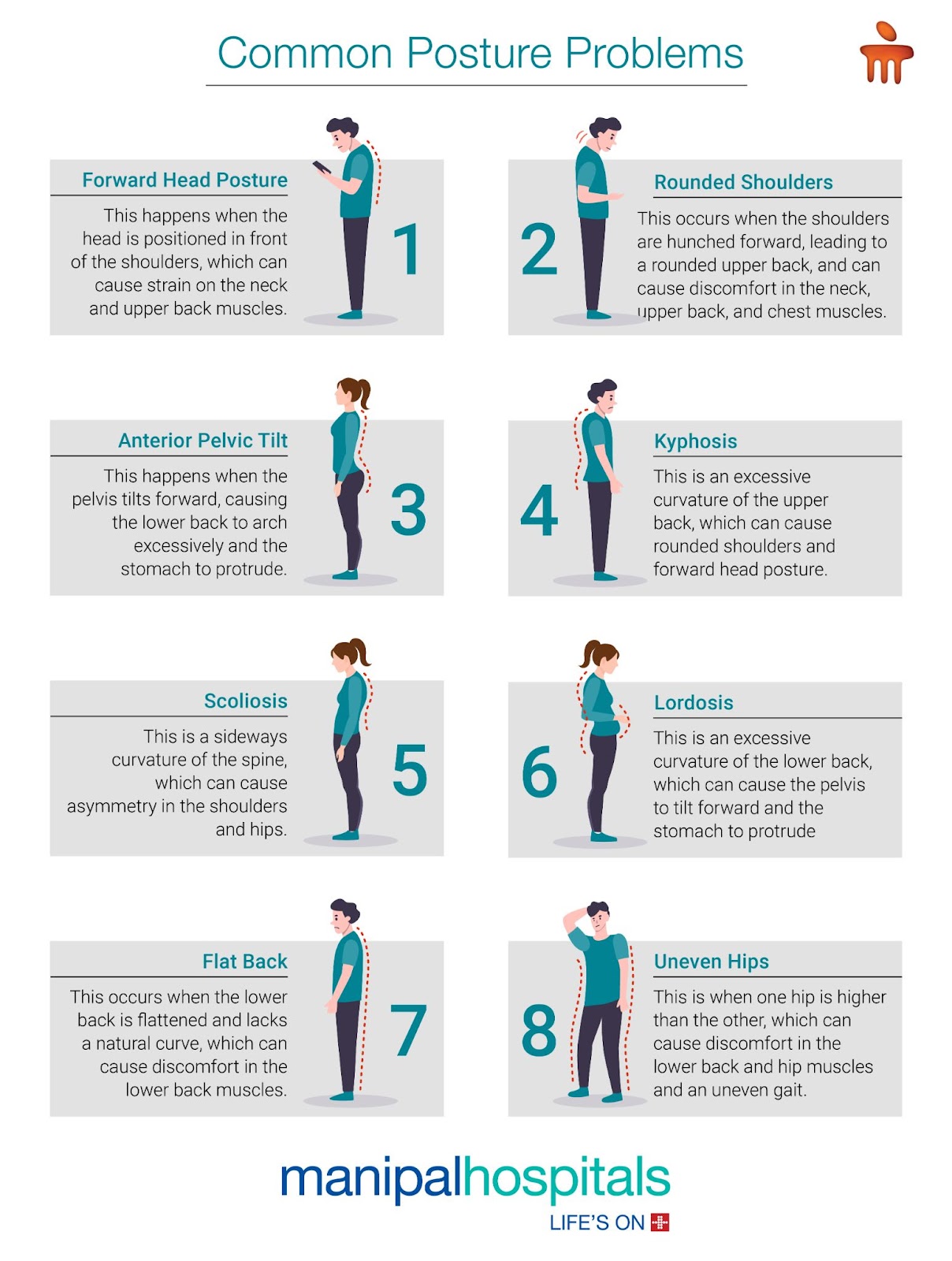
Credit: www.manipalhospitals.com
Common Posture Mistakes
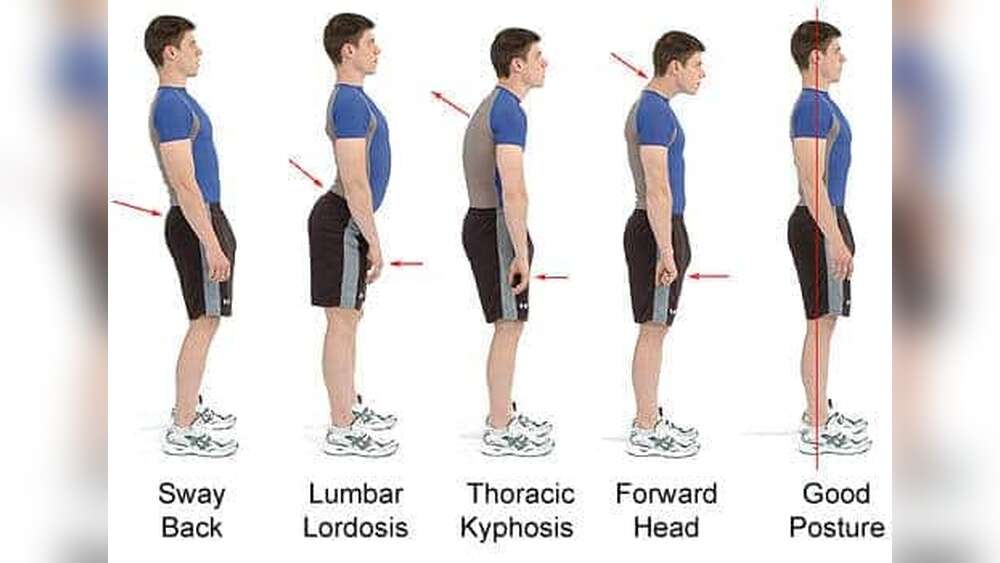
Maintaining correct posture during workouts prevents injury and improves results. Many people make common mistakes that strain muscles and joints. Knowing these errors helps you stay safe and effective.
Rounded Shoulders
Rounded shoulders happen when you slouch forward. This puts pressure on your upper back and neck. It limits breathing and reduces workout efficiency. Keep your chest open and shoulders back.
Overarching Lower Back
Overarching the lower back means bending it too much inward. This strains your spine and lowers workout safety. Engage your core and keep your back neutral. Avoid pushing your hips too far forward.
Incorrect Head Alignment
Incorrect head alignment means your head leans too far forward or back. This causes neck pain and tension. Keep your head in line with your spine. Imagine a straight line from your ears to your shoulders.
Key Posture Tips For Different Exercises
Good posture during workouts helps prevent injuries and improves results. Each exercise needs a specific form to be effective. Below are key posture tips for common exercises. Follow these to keep your body safe and strong.
Squats And Lunges
Keep your feet shoulder-width apart for balance. Your knees should not go past your toes. Push your hips back as you lower down. Keep your chest up and your back straight. Engage your core to protect your spine. In lunges, step forward with control. Lower your back knee toward the floor. Keep your front knee aligned over your ankle.
Deadlifts And Rows
Start with your feet hip-width apart. Bend at the hips, not the waist. Keep your back flat, not rounded. Pull your shoulders back and down. Engage your core before lifting. For rows, keep elbows close to your body. Pull the weight toward your lower ribs. Lower the weight slowly to avoid jerks.
Push-ups And Planks
Place your hands under your shoulders. Keep your body in a straight line. Avoid sagging hips or raised buttocks. Tighten your core and glutes. For planks, hold your position steady. Breathe evenly without letting your back drop. Keep your neck neutral, looking at the floor.

Credit: www.healthline.com
Using Mirrors And Videos
Using mirrors and videos helps you see your posture clearly during workouts. They act as tools to check if your body moves the right way. These tools give real-time feedback. You can fix your form before bad habits develop.
Watching yourself helps catch small mistakes. These errors might lead to injury or reduce exercise benefits. This method builds body awareness and improves workout safety.
Self-assessment Techniques
Stand in front of a mirror during exercises. Watch your body alignment closely. Check if your back is straight and shoulders relaxed. See if your knees stay over your toes. This helps keep your balance and avoid strain.
Try slow movements and pause to check your form. Use mirrors to compare both sides of your body. Notice if one side is uneven or tense. This shows areas that need more focus and correction.
Recording Workouts For Feedback
Use your phone or camera to record workouts. Record from different angles for a full view. Play back the video to spot mistakes you missed. Watch how your joints move and your posture holds.
Videos let you track progress over time. Compare past and current videos to see improvements. Share recordings with a trainer or friend for advice. This outside view can guide you to better posture and technique.
Role Of Professional Guidance
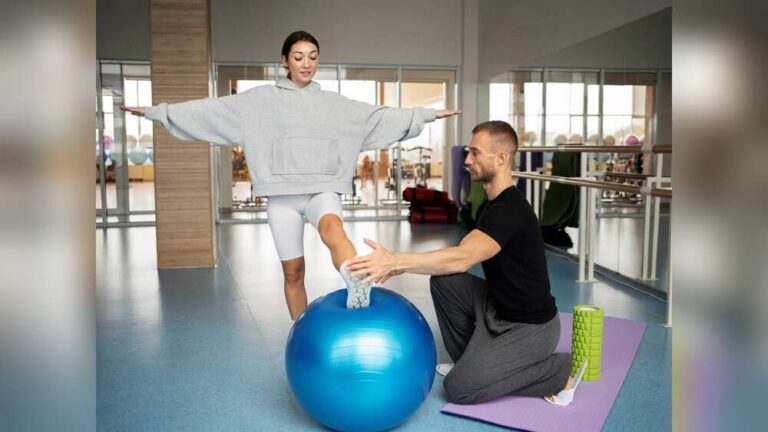
Professional guidance plays a key role in learning the correct posture during workouts. Experts help you avoid injuries and improve your exercise results. They watch your form closely and give clear advice. This support builds confidence and ensures safe workout habits.
Choosing the right professional depends on your needs. Some focus on general fitness, others on rehabilitation or group motivation. Each offers unique benefits to improve your posture and overall workout experience.
Personal Trainers
Personal trainers tailor workouts to your body and goals. They teach correct posture step by step. Trainers spot mistakes and fix them immediately. This helps you perform exercises safely and effectively. They also adjust your plan as you improve.
Physical Therapists
Physical therapists specialize in injury prevention and recovery. They assess your body’s movement and posture deeply. Therapists design exercises that correct imbalances and weaknesses. Their guidance is vital if you have pain or past injuries. They ensure you do workouts that support healing.
Group Classes
Group classes offer a social way to learn proper posture. Instructors lead the whole class and correct form openly. This setting motivates you to stay consistent. Watching others also helps you notice good posture habits. Classes often include a variety of exercises to keep things fun.
Incorporating Mobility And Flexibility
Incorporating mobility and flexibility into your workout routine helps maintain correct posture. It prepares your muscles and joints for movement. This reduces the risk of injury and improves exercise performance. Mobility and flexibility allow your body to move freely and with control. This leads to better posture during workouts.
Dynamic Warm-ups
Dynamic warm-ups involve active movements that increase blood flow. These exercises gently stretch muscles and improve joint mobility. Examples include leg swings, arm circles, and walking lunges. They prepare your body for the workout ahead. Dynamic warm-ups also help your muscles work efficiently. This supports maintaining proper posture during exercises.
Stretching Routines
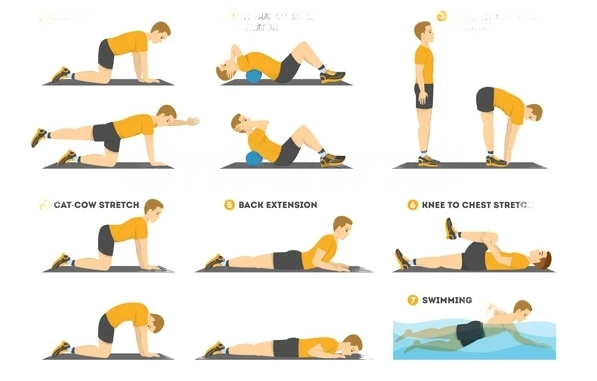
Stretching routines improve flexibility by lengthening muscles. Focus on major muscle groups like hamstrings, quads, and shoulders. Stretch after workouts to reduce tightness and soreness. Hold each stretch for 20 to 30 seconds. Stretching helps muscles relax and lengthen. Flexible muscles support better alignment and posture during workouts.
Foam Rolling Benefits
Foam rolling is a form of self-massage that releases muscle tension. It targets tight spots and improves blood flow. Use a foam roller on sore or stiff muscles before and after exercise. This increases muscle flexibility and joint range of motion. Foam rolling aids recovery and prepares muscles for movement. It helps maintain good posture during workouts by reducing stiffness.
Signs Of Poor Posture During Workouts
Poor posture during workouts can cause many problems. It affects how well you exercise and your body’s health. Recognizing signs of bad posture helps you fix your form early. This stops injuries and improves your results.
Pain And Discomfort
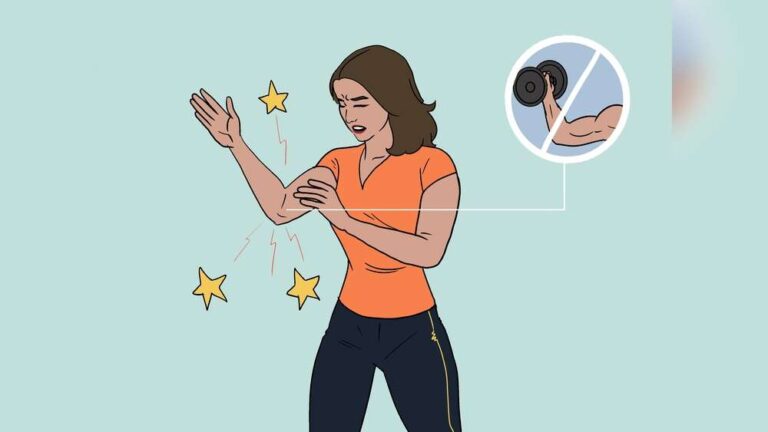
Pain is a common sign of poor posture. You may feel aches in your back, neck, or shoulders. Sometimes, pain appears in your joints or muscles. Discomfort during or after exercise means your body is not aligned properly. Ignoring pain can lead to serious injury.
Muscle Imbalance
Muscle imbalance happens when some muscles are stronger than others. Poor posture causes certain muscles to work harder. This creates weakness in other muscles. You might see uneven shoulders or hips. Muscle imbalance reduces your workout efficiency and increases injury risk.
Fatigue Patterns
Fatigue in specific areas shows poor posture. Some muscles tire faster than others. This uneven tiredness means your body is not moving correctly. Fatigue patterns can limit your workout performance. Fixing posture helps balance muscle use and delays fatigue.
Credit: www.iinn.com
Frequently Asked Questions
How Can I Check Correct Posture During Workouts?
To check correct posture, use a mirror or record yourself. Focus on body alignment, joint position, and balance. Proper posture prevents injury and improves workout efficiency. Consult a trainer for personalized guidance.
Why Is Maintaining Posture Important During Exercise?
Maintaining posture ensures safe movement and reduces injury risk. It helps engage the right muscles and enhances workout results. Good posture also improves breathing and overall body control.
What Are Common Posture Mistakes In Workouts?
Common mistakes include rounded shoulders, locked knees, and improper spine alignment. These errors cause strain and reduce exercise effectiveness. Awareness and correction improve form and protect joints.
How Do I Improve Posture Awareness In Workouts?
Improve posture awareness by practicing slow, controlled movements. Use mirrors, video feedback, or a trainer’s advice. Regular stretching and strengthening exercises support better posture habits.
Conclusion
Good posture during workouts protects your body from injury. It helps you exercise more effectively and feel better. Pay attention to how your body moves and feels. Small changes can make a big difference. Practice regularly to build healthy habits.
Remember, staying mindful keeps your workouts safe and strong. Keep your spine straight, shoulders relaxed, and core tight. These simple tips improve your form every day. Stay patient and consistent to see lasting results. Your body will thank you with better strength and less pain.

Brandon Knoxley is a sport & fitness writer and training guide contributor at MySportFitHub. He focuses on practical workouts, performance-based training, and honest fitness gear insights designed for real people and real results. Brandon is passionate about helping beginners and active individuals train smarter, avoid common mistakes, and build sustainable fitness habits.