How to Know If a Workout is Working: Ultimate Signs to Watch For
Are you putting in the effort at the gym but unsure if your workout is really paying off? It’s frustrating to sweat through every session and still wonder if you’re making progress.
Knowing if a workout is working goes beyond just looking in the mirror or stepping on the scale. Your body sends clear signals—if you know what to watch for. You’ll discover simple, practical signs that tell you whether your routine is effective.
Keep reading, because understanding these clues will help you stay motivated and get the results you want faster.
Credit: www.youtube.com
Tracking Progress
Tracking progress helps you see real changes from your workouts. It shows if your effort brings results. Tracking also keeps you motivated and on the right path.
Use simple methods to track your progress. Note what you do and how your body responds. This data helps adjust your workouts for better results.
Measuring Strength Gains
Track the weight you lift over time. Note the number of reps and sets you complete. Increasing weights or reps means your strength improves. Keep a workout journal to record these details. Small improvements add up quickly.
Monitoring Endurance Levels
Check how long you can exercise without stopping. Track distances you can run or cycle. Notice if your breathing feels easier during workouts. Longer sessions or faster paces show better endurance. Consistent tracking reveals clear progress.
Recording Body Measurements
Measure your waist, hips, arms, and legs regularly. Use a tape measure for accuracy. Changes in size show fat loss or muscle gain. Take photos to see visual progress. Measurements tell more than the scale alone.

Credit: www.thewellnesscorner.com
Physical Changes
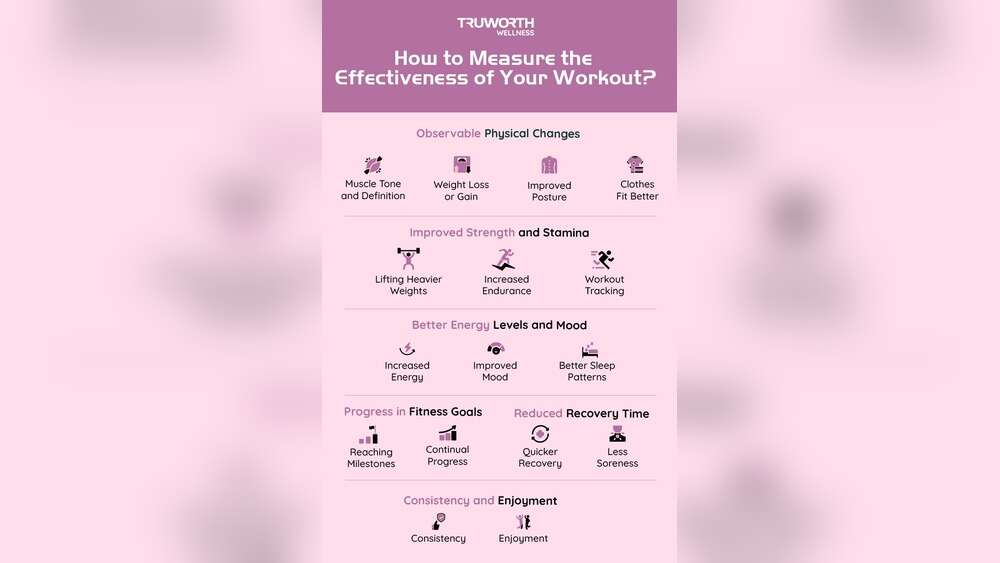
Physical changes are a clear way to tell if a workout is effective. These changes show up on your body and help measure your progress. Watching your body transform can keep you motivated and focused.
Muscle Definition
Muscle definition means your muscles start to look more visible and shaped. This happens as your body burns fat and builds muscle. You may notice firmer arms, legs, or abs. Clothes fit differently, showing your new shape. Muscle tone improves with regular strength training and good nutrition.
Fat Loss Indicators
Fat loss is one of the most obvious signs a workout is working. Your clothes may feel looser. Areas like your waist, hips, and thighs might shrink. Your face could look slimmer too. Use a tape measure to track inches lost. Fat loss takes time but steady effort shows real change.
Improved Posture
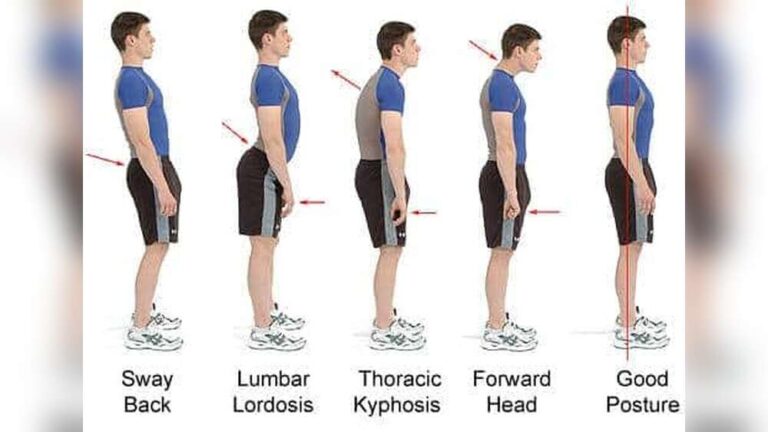
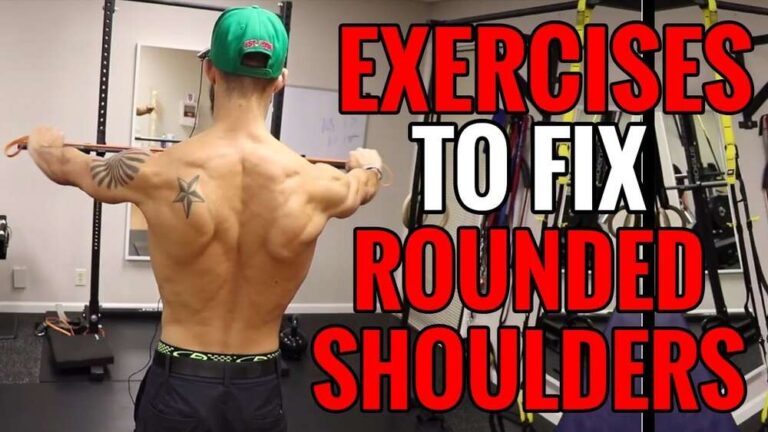
Good posture is a sign of stronger muscles and better balance. After some weeks of exercise, you may stand straighter. Your shoulders sit back, and your spine feels aligned. Improved posture reduces pain and makes you look taller. Core and back exercises help develop this change.
Energy And Recovery
Energy and recovery are key signs that your workout is effective. They show how your body responds and adapts to exercise. Watching changes in energy and recovery helps you know if your training plan suits you.
Boosted Daily Energy
A good workout often leads to more energy through the day. Instead of feeling tired, you may find it easier to stay active. This happens as your body gets stronger and more efficient.
Increased energy means your workouts help your heart and muscles work better. You feel ready for daily tasks without dragging. This boost is a clear sign your exercise routine is working well.
Faster Recovery Times
Notice how quickly you bounce back after exercise. Shorter recovery times show your body adapts to the workout stress. Your muscles repair faster and you regain strength quickly.
If you stop feeling sore or weak soon after training, it means your workout supports growth. Faster recovery allows you to train more often and improve steadily.
Reduced Muscle Soreness
Less muscle soreness after workouts signals progress. Your body adjusts to new movements and stress, so pain fades. This means you are building endurance and strength.
While some soreness is normal, it should lessen over time. This reduction shows your exercises are balanced and effective. You can push yourself safely without risking injury.

Credit: eatrunlift.me
Performance Improvements
Performance improvements are clear signs your workout is working. These changes show your body is adapting and growing stronger. Tracking these improvements helps keep motivation high and guides your fitness journey.
Increased Workout Intensity
You will lift heavier weights or run faster over time. Workouts feel easier even if you push yourself harder. This means your strength and endurance are improving. Small increases in intensity add up to big gains.
Better Exercise Form
Your movements become smoother and more controlled. You can keep good posture without feeling tired. Proper form reduces injury risk and targets muscles better. Improved form shows your muscles and brain are working well together.
Enhanced Flexibility
You notice your joints move more freely and with less pain. Stretching exercises feel easier and last longer. Greater flexibility helps with balance and reduces stiffness. This improvement supports better performance in many exercises.
Mental And Emotional Benefits
Exercise does more than shape your body. It also changes your mind and feelings. The mental and emotional benefits of working out are signs your routine is effective. These benefits boost your overall well-being and make daily life easier.
Noticing these changes can help you stay on track. They show that your workouts are working beyond physical gains.
Elevated Mood
Exercise triggers the release of chemicals that lift your mood. These natural mood boosters reduce stress and anxiety. Feeling happier after a workout means your body is responding well. This emotional lift can last for hours or days.
Increased Motivation
Regular workouts often increase your drive to keep going. You may find yourself wanting to exercise more often. This motivation helps build a healthy routine. It also spreads to other parts of your life, improving focus and energy.
Improved Sleep Quality
Exercise can help you fall asleep faster and sleep deeper. Better sleep means more energy during the day. It also supports recovery and mental clarity. If you notice improved rest, your workouts are benefiting your mind and body.
Avoiding Plateaus
Plateaus happen when progress in your workout stops. Your body gets used to the same routine. This can feel frustrating and slow your results. Avoiding plateaus keeps your workouts effective and exciting. Changing your approach helps your muscles grow and your stamina improve.
Signs Of Stagnation
You might notice your strength or endurance not improving. Workouts feel easier but results stay the same. Muscle soreness fades quickly or disappears. You feel less motivated or bored during sessions. These signs mean your body adapts and progress stalls.
Adjusting Workout Plans
Change the weight, sets, or reps to challenge muscles more. Increase workout intensity or shorten rest times. Try new exercises targeting the same muscle groups. A small change can boost growth and strength. Keep tracking your progress to see what works best.
Incorporating Variety
Mix cardio, strength, and flexibility exercises in your routine. Use different equipment like dumbbells, bands, or machines. Change workout locations or times to stay fresh. Varying workouts prevents boredom and encourages steady progress. Your body responds better to diverse challenges.
Frequently Asked Questions
How Soon Can I See Workout Results?
You can start noticing changes within 4 to 6 weeks. Results depend on workout type, intensity, and consistency. Tracking progress helps identify improvements and keeps motivation high.
What Signs Show My Workout Is Effective?
Increased strength, endurance, better mood, and improved energy levels indicate progress. Consistent weight changes or muscle growth also show effectiveness. Feeling challenged yet able to recover is a positive sign.
How Do I Measure Workout Progress Accurately?
Use metrics like body measurements, weight, and strength gains. Track endurance improvements and how clothes fit. Regularly record performance data to evaluate progress and adjust workouts accordingly.
Can Lack Of Soreness Mean Workout Isn’t Working?
Not necessarily. Muscle soreness varies by workout type and experience. Consistent improvement in strength and endurance matters more than soreness. Focus on performance gains instead of soreness as a success indicator.
Conclusion
Tracking progress shows if your workout brings real results. Feeling stronger or having more energy means you are on track. Changes in how your clothes fit can also tell a story. Pay attention to your body’s signals and adjust your routine.
Consistency matters more than quick gains. Keep challenging yourself safely and celebrate small wins. Remember, patience helps your body improve over time. Stick with your plan, and results will come.

Brandon Knoxley is a sport & fitness writer and training guide contributor at MySportFitHub. He focuses on practical workouts, performance-based training, and honest fitness gear insights designed for real people and real results. Brandon is passionate about helping beginners and active individuals train smarter, avoid common mistakes, and build sustainable fitness habits.