
How to Know If You are Exercising Too Much: Warning Signs Revealed
Are you pushing yourself harder every day at the gym, but still feeling tired or sore? It’s easy to think that more exercise always means better results.
But what if your body is actually asking for a break? Knowing when you’re exercising too much can save you from injury, burnout, and frustration. You’ll discover simple signs to watch for and how to find the right balance for your body.
Keep reading—you might be surprised by what your workout routine is really telling you.
Signs Of Overtraining
Exercising is good for health, but too much can cause problems. Overtraining happens when the body does not get enough rest. It leads to signs that show the body is stressed. Spotting these signs early can help avoid injuries and illness. Below are key signs of overtraining to watch for.
Persistent Fatigue
Feeling very tired all the time is a common sign. This tiredness does not go away after sleep. Energy levels stay low even on rest days. The body struggles to recover from workouts. This fatigue affects daily activities and mood.
Decreased Performance
Performance drops despite regular training efforts. Running slower or lifting less weight than usual. Workouts feel harder than before. Progress stops or reverses. This decline signals the body needs more recovery time.
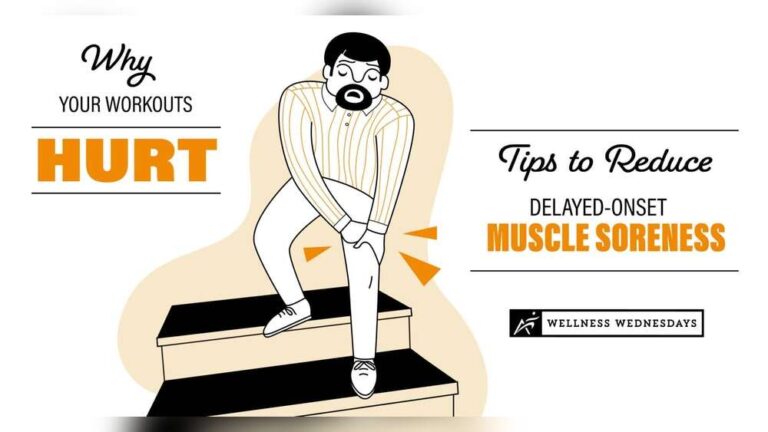
Prolonged Muscle Soreness
Muscle soreness lasts longer than normal after exercise. Pain remains for days instead of hours. Muscles feel weak and stiff. This soreness shows the body is not healing properly. Rest is necessary to avoid injury.
Physical Symptoms To Watch
Exercising too much can harm your body in many ways. Your body sends signals through physical symptoms. These signs show your workout routine might be too intense. Pay close attention to these symptoms to keep your health safe.
Frequent Injuries
Small injuries often happen with exercise. But frequent injuries mean your body needs rest. Sprains, strains, and muscle tears can occur more often. These injuries stop your progress and cause pain. Rest days help your muscles heal and grow stronger.
Changes In Heart Rate
Exercise affects your heart rate. A very high or very low heart rate can be a warning. If your heart beats too fast or stays elevated after exercise, be cautious. A slow heart rate during rest might also signal overtraining. Tracking your heart rate helps monitor your fitness level.
Sleep Disturbances
Exercise usually improves sleep. Too much exercise can cause sleep problems. Difficulty falling asleep or waking up often may happen. Poor sleep slows down recovery and lowers energy. Good rest is essential to repair muscles and refresh your body.
Emotional And Mental Clues
Exercising too much can affect your mind as well as your body. Emotional and mental signs often show up before physical problems. Paying attention to these clues helps you avoid burnout and injury. Notice changes in how you feel and think during your workouts and daily life.
Mood Swings
Exercise usually lifts your mood. But too much can cause sudden mood changes. You might feel happy one moment, then sad or angry the next. These mood swings happen because your body is stressed. It struggles to recover from constant workouts.
Lack Of Motivation
At first, you feel excited to exercise. Overdoing it can drain your energy and interest. You might skip workouts or feel tired even before starting. Losing motivation is a sign your body and mind need rest. Pushing yourself harder can make this worse.
Increased Irritability
Small things might start to annoy you more than usual. You may snap at friends or family without meaning to. This irritability is a mental warning from your body. It signals that stress from too much exercise is building up. Taking breaks helps calm your mood.
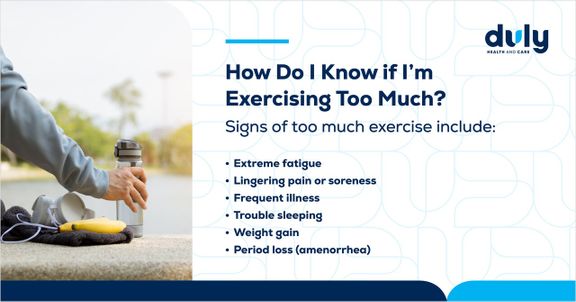
Credit: www.dulyhealthandcare.com
Impact On Immune System
Exercising is great for health, but too much can hurt your immune system. The immune system fights germs and keeps you well. Over-exercising can lower your body’s ability to fight infections. This makes you more likely to get sick and recover slowly. Watch for signs that your immune system is struggling.
Frequent Illness
Getting sick often can mean you exercise too much. Colds, flu, and infections may happen more than usual. Your body needs rest to stay strong. Too much exercise can weaken your defenses against viruses and bacteria. Notice if you catch colds right after workouts or competitions.
Slow Recovery
It takes longer to heal from illness or injury if you over-exercise. Your immune system works harder but cannot keep up. Feeling tired and sick for many days shows your body needs more rest. Slow recovery means your immune system is under stress. Cutting back on exercise can help your body heal faster.
Balancing Exercise And Rest
Exercise is important for health, but balance is key. Too much exercise can cause problems. Rest helps the body heal and grow stronger. Finding the right balance keeps workouts safe and effective.
Knowing how to balance exercise and rest helps avoid injury and tiredness. It also improves your overall fitness and mood. Let’s explore how to balance exercise and rest well.
Importance Of Rest Days
Rest days give muscles time to repair. Without rest, muscles stay sore and weak. Rest prevents burnout and keeps motivation high. It also lowers the chance of injury. Plan regular rest days each week.
Listening To Your Body
Pay attention to pain and fatigue. These signs mean you may need rest. Feeling tired all the time is a warning. Stop or slow down if you feel dizzy or sick. Your body talks to you. Listen carefully.
Adjusting Workout Intensity
Not all workouts should be hard. Mix easy days with harder workouts. Lower the intensity if you feel tired. Change exercises to avoid overuse injuries. Balance effort and rest for best results.

Credit: aminoco.com
When To Seek Professional Help
Knowing when to seek professional help is important if you exercise too much. Overtraining can cause pain, fatigue, and injury. Professionals can guide you to exercise safely and recover well. They can spot problems early and help you avoid serious health issues.
Consulting A Trainer
A certified trainer can check your workout plan. They ensure your exercises match your fitness level. Trainers teach proper form to reduce injury risk. They can adjust your routine to prevent overtraining. Trainers also help set realistic goals for your body.
Visiting A Healthcare Provider
A healthcare provider can diagnose health problems from too much exercise. They check for injuries, hormone imbalances, or fatigue-related issues. Doctors may recommend tests or treatments to help you heal. They give advice on rest and recovery. Always visit a doctor if pain or tiredness lasts long.

Credit: www.youtube.com
Frequently Asked Questions
How Can I Tell If I’m Exercising Too Much?
Excessive exercise causes persistent fatigue, irritability, and declining performance. Listen to your body for unusual soreness or mood changes. Rest days are crucial to avoid overtraining and injury.
What Are Common Signs Of Overtraining Syndrome?
Symptoms include chronic muscle soreness, insomnia, decreased immunity, and persistent tiredness. You may also notice reduced motivation and worsening workout results. Recognizing these signs early prevents long-term health issues.
How Many Rest Days Should I Take Weekly?
Most experts recommend 1-2 rest days per week. Rest allows muscles to repair and grow stronger. Overtraining often occurs when rest is insufficient, leading to burnout or injury.
Can Over-exercising Affect Mental Health?
Yes, over-exercising can increase stress, anxiety, and irritability. It may also cause mood swings or depression. Balance workouts with adequate rest and relaxation for overall well-being.
Conclusion
Exercise helps your body and mind stay strong and healthy. Too much exercise can cause pain, tiredness, and injuries. Listen to your body’s signals. Rest days are just as important as workout days. Balance exercise with proper sleep and good food.
Taking breaks helps you avoid burnout and stay motivated. Keep track of how you feel after workouts. Adjust your routine if you notice unusual aches or fatigue. Stay active, but don’t push yourself too far. Your body will thank you in the long run.

Brandon Knoxley is a sport & fitness writer and training guide contributor at MySportFitHub. He focuses on practical workouts, performance-based training, and honest fitness gear insights designed for real people and real results. Brandon is passionate about helping beginners and active individuals train smarter, avoid common mistakes, and build sustainable fitness habits.