How to Lose Weight Safely As a Beginner Exerciser: Proven Tips
Are you ready to start losing weight but unsure where to begin? Losing weight safely as a beginner exerciser can feel overwhelming, but it doesn’t have to be.
With the right approach, you can build healthy habits that stick and see real results without risking injury or burnout. You’ll discover simple, practical steps to help you shed pounds safely while boosting your energy and confidence. Keep reading to find out how you can make your weight loss journey effective and enjoyable from day one.
Credit: www.dangerfieldsofshakopee.com
Setting Realistic Goals
Setting realistic goals is a key step for beginners who want to lose weight safely. Clear and practical targets help keep motivation high. They also prevent frustration and burnout. Goals give direction and make progress visible.
Start with small, specific goals. These feel easier to reach and build confidence. Gradual success leads to lasting habits. Avoid setting too many goals at once. Focus on a few important changes.
Choosing Achievable Targets
Pick goals that suit your current fitness and lifestyle. For example, aim to walk 15 minutes daily instead of running 5 miles. Choose targets based on your schedule and health condition. Small changes like drinking more water or eating vegetables count. Avoid extreme diets or intense workouts at the start. Realistic targets keep you motivated and reduce injury risk.
Tracking Progress Effectively
Track your progress to stay focused and see results. Use a journal or a simple app to record workouts and meals. Note how you feel after exercising or eating well. Celebrate small wins like extra steps or better sleep. Regular tracking helps adjust goals and plans. It also reminds you of how far you have come.
Creating A Balanced Diet
Creating a balanced diet is a key step in losing weight safely. It helps your body get the right nutrients. It also supports your new exercise routine. Eating well boosts energy and speeds up recovery. A balanced diet keeps hunger in check and prevents overeating. Focus on quality foods and smart eating habits for the best results.
Incorporating Nutrient-rich Foods
Choose foods that give you vitamins, minerals, and energy. Fresh fruits and vegetables are great choices. Whole grains like brown rice and oats provide lasting fuel. Lean proteins such as chicken, fish, and beans help build muscle. Healthy fats from nuts and seeds support brain and heart health. Aim for a colorful plate to cover all nutrient needs.
Controlling Portion Sizes
Eating the right amount is just as important as what you eat. Use smaller plates to help control portions. Measure food servings to avoid eating too much. Listen to your body’s signals of hunger and fullness. Stop eating before feeling overly full. This helps reduce calorie intake without feeling deprived.
Staying Hydrated
Water is essential for weight loss and overall health. Drinking water helps control appetite and boosts metabolism. Aim to drink at least 8 cups of water daily. Replace sugary drinks with water to cut extra calories. Carry a water bottle to remind yourself to drink more. Hydration supports exercise performance and recovery.
Starting An Exercise Routine
Starting an exercise routine can feel hard at first. The key is to begin with small, easy steps. This helps your body get used to moving and keeps you motivated. Safe and steady progress leads to lasting weight loss and better health.
Choose workouts that fit your current fitness level. Make time for exercise regularly. Include different types of exercises to build strength and burn calories.
Selecting Beginner-friendly Workouts
Pick exercises that do not cause pain or strain. Walking, swimming, and cycling are great options. They help you burn calories without risking injury. Start with 15 to 20 minutes per session. Increase time as your body adapts.
Scheduling Consistent Sessions
Set a regular time for your workouts. Consistency helps build a habit. Try exercising at the same time each day. Aim for at least three sessions per week. Write it down or use reminders to stay on track.
Incorporating Strength Training
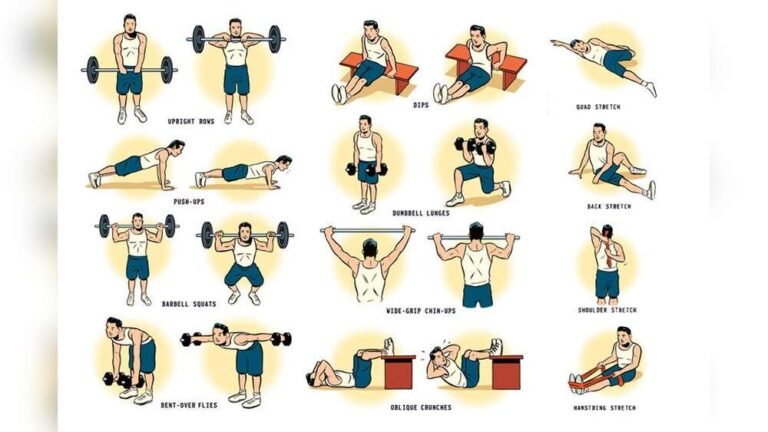
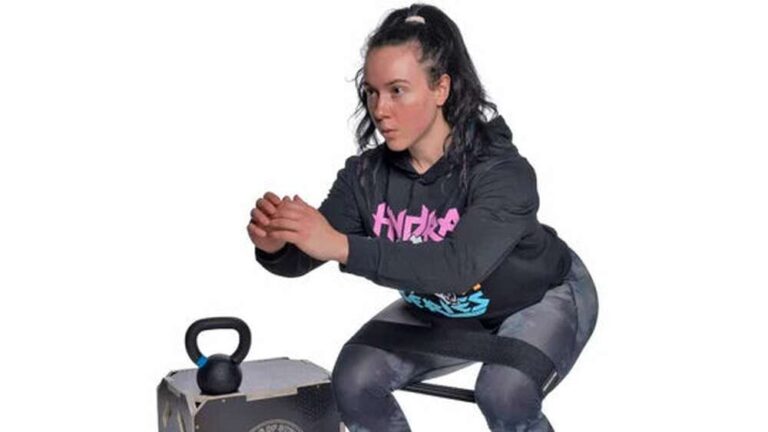
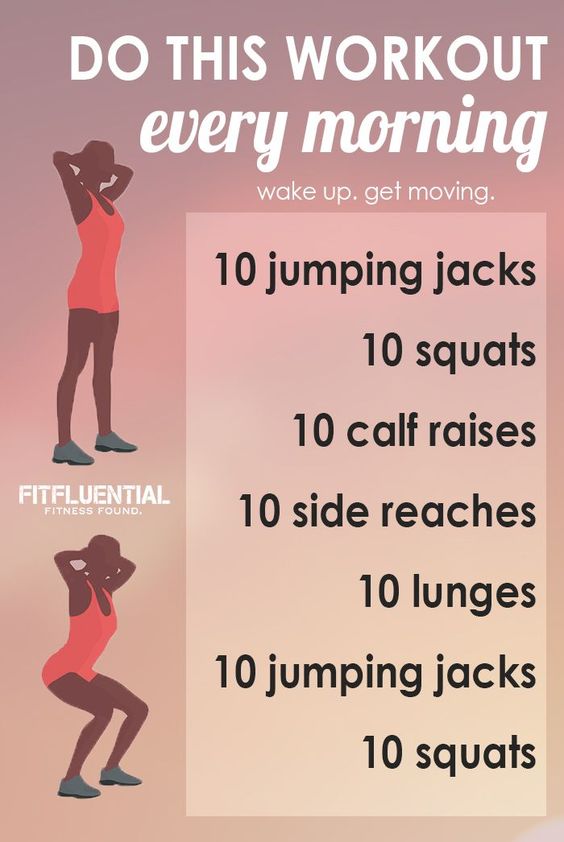
Include simple strength exercises twice a week. Use bodyweight moves like squats, push-ups, or lunges. Strength training builds muscle and boosts metabolism. Start with light weights or no weights. Focus on correct form to avoid injuries.
Credit: thorfamilylaw.com
Avoiding Common Pitfalls
Starting a weight loss journey with exercise is exciting. Many beginners make mistakes that slow progress or cause injury. Avoiding common pitfalls helps keep the journey safe and effective. This section covers key areas to watch out for as you begin.
Preventing Overtraining
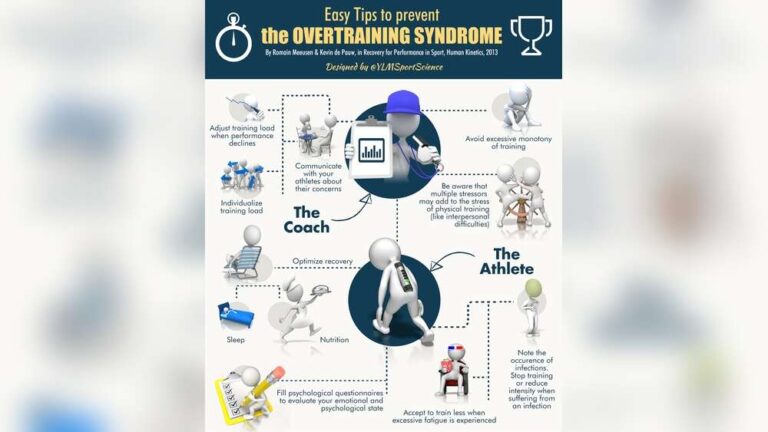
Exercising too much can harm your body. Rest days are as important as workout days. Muscles need time to heal and grow stronger. Overtraining causes fatigue, soreness, and risk of injury. Start with a balanced routine and increase slowly. Listen to your body’s signals to avoid burnout.
Managing Expectations
Weight loss takes time and effort. Quick results are rare and often temporary. Set small, realistic goals to stay motivated. Celebrate progress, no matter how small. Avoid comparing yourself to others. Staying patient and consistent brings lasting change.
Recognizing Plateaus
Weight loss may stall after initial success. This is normal and happens to everyone. Plateaus mean your body adapts to your routine. Changing exercises or adjusting diet can help. Keep tracking progress and stay positive. Persistence leads to breakthroughs.
Boosting Motivation And Consistency
Staying motivated and consistent is key for safe weight loss. Exercise as a beginner can feel hard at first. Small changes in daily habits help build strong routines. Motivation fuels action, while consistency keeps progress steady. Both work together to make exercise a lasting part of life.
Setting Short-term Rewards
Short-term rewards keep motivation alive. Set small goals, like walking 10 minutes daily. Celebrate each win with a healthy treat or rest day. Rewards create positive feelings linked to your efforts. They help you stay on track without feeling bored or tired.
Finding Support Networks
Support networks make exercise easier and more fun. Join local groups or online communities with similar goals. Share experiences, challenges, and success stories. Friends and family encouragement boosts confidence and keeps you going. Support reduces loneliness and helps you push through tough days.

Credit: www.dgmindia.in
Monitoring Health And Safety
Starting to exercise can bring many benefits. Losing weight safely means paying attention to your body and health. Monitoring health and safety helps avoid injury and keeps progress steady. You can enjoy exercise without harm by being careful and smart.
Listening To Your Body
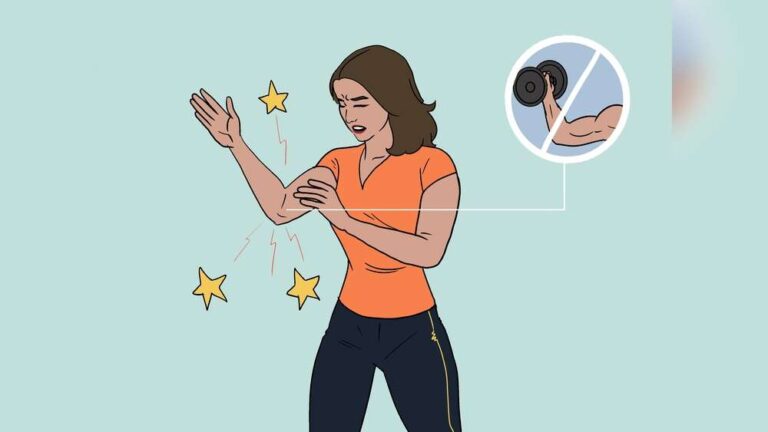
Your body sends signals during exercise. Feeling pain or extreme tiredness means stop or slow down. Mild soreness is normal after new activities. Sharp pain is a warning sign. Rest and recover if you feel dizzy or very weak. Gradually increase exercise intensity to avoid injury. Trust your body’s limits and adjust your routine.
Consulting Healthcare Professionals
Before starting, talk to a doctor, especially if you have health issues. A doctor can suggest safe exercises for your condition. They may recommend tests or screenings. A healthcare professional helps create a plan that fits your needs. Regular check-ups ensure your body handles exercise well. Don’t ignore advice from experts for your safety.
Frequently Asked Questions
How Often Should Beginners Exercise To Lose Weight?
Beginners should aim for at least 150 minutes of moderate exercise weekly. Start with 30-minute sessions, five days a week. Gradually increase intensity and duration as fitness improves. Consistency is key to safe and effective weight loss.
What Type Of Exercise Is Best For Beginners?
Low-impact activities like walking, swimming, or cycling are ideal for beginners. These exercises reduce injury risk and build endurance. Incorporate strength training twice a week to boost metabolism and muscle tone. Always start slow and listen to your body.
How Important Is Diet In Beginner Weight Loss?
Diet plays a crucial role in weight loss. Focus on balanced meals with lean proteins, whole grains, and vegetables. Avoid processed foods and sugary drinks. Proper nutrition supports exercise efforts and promotes healthy, sustainable weight loss.
Can Beginners Lose Weight Without Intense Workouts?
Yes, beginners can lose weight with moderate exercise and proper diet. Intense workouts are not necessary initially. Gradual progress and lifestyle changes yield better long-term results. Focus on consistency rather than intensity to stay safe.
Conclusion
Safe weight loss starts with small, steady steps. Choose exercises you enjoy and can do regularly. Eat balanced meals with plenty of water. Rest well and listen to your body’s signals. Stay patient; results take time but are worth it.
Celebrate small wins to keep motivation high. Consistency beats quick fixes every time. This approach helps build habits that last. Keep moving forward, and your health will improve. Your journey to a healthier you begins today.

Brandon Knoxley is a sport & fitness writer and training guide contributor at MySportFitHub. He focuses on practical workouts, performance-based training, and honest fitness gear insights designed for real people and real results. Brandon is passionate about helping beginners and active individuals train smarter, avoid common mistakes, and build sustainable fitness habits.