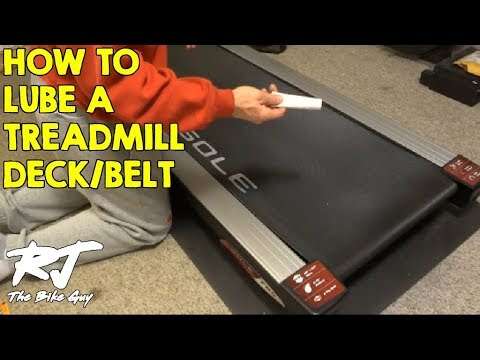
How To Lubricate A Treadmill Belt: Quick Step Guide
Apply a compatible silicone treadmill lubricant under the belt, then run it slowly to spread it evenly.
I’ve serviced dozens of home and gym treadmills and taught owners how to lubricate a treadmill belt so it runs smooth, quiet, and longer. This guide shows step-by-step instructions, safety tips, lubricant choices, troubleshooting, and real-life lessons from hands-on experience so you can confidently maintain your machine and avoid common mistakes.

Why lubrication matters
A treadmill belt needs lubrication to reduce friction between the belt and the deck. Less friction means less wear on the belt and motor, quieter operation, and lower energy use. Proper lubrication prolongs parts and saves repair costs over time. Learning how to lubricate a treadmill belt prevents premature damage and keeps workouts consistent.

What you'll need before you start
Prepare these items before you learn how to lubricate a treadmill belt:
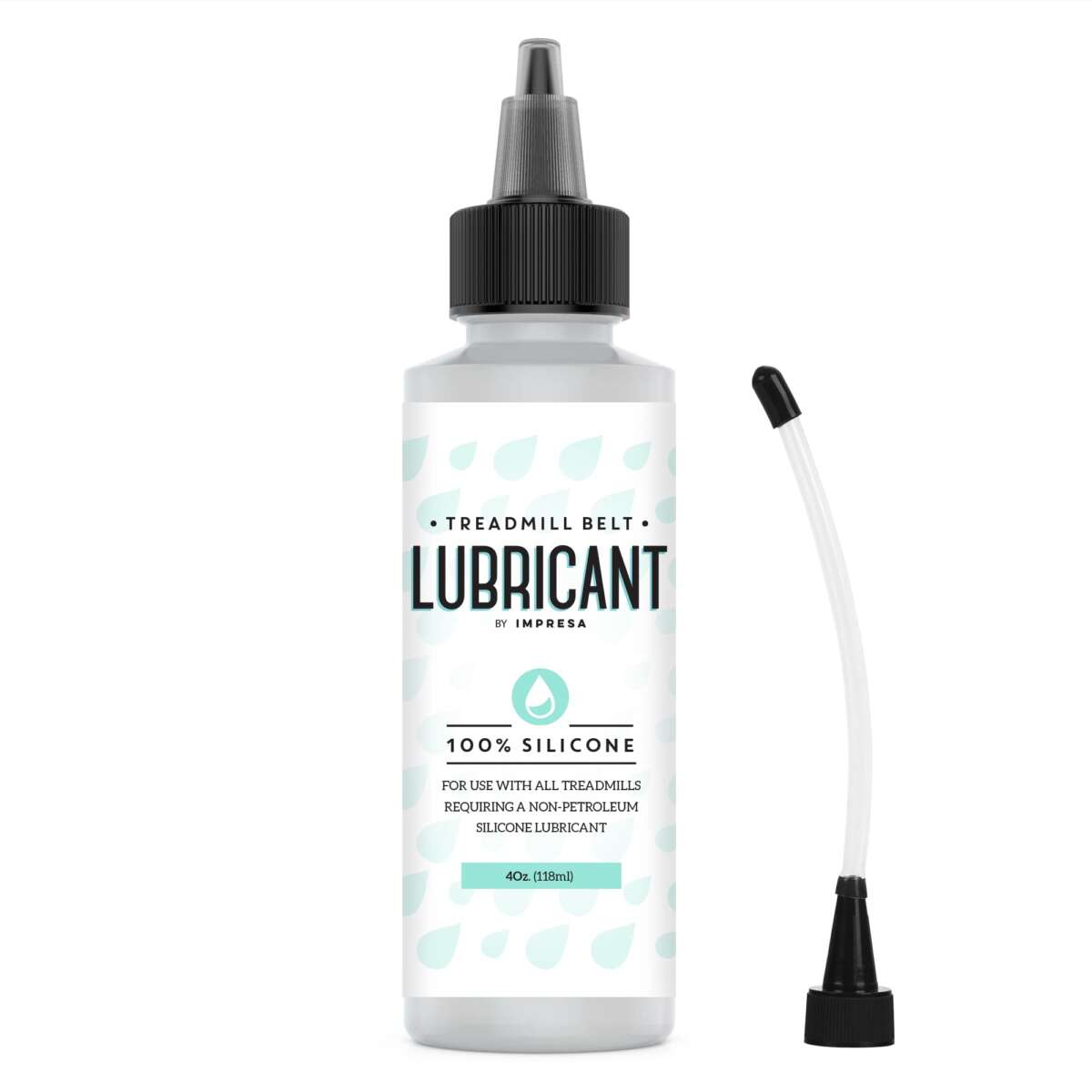
- A manufacturer-approved silicone lubricant or treadmill-specific lube in a squeeze bottle.
- A clean cloth and gloves to protect your hands.
- An Allen wrench or tool to lift or adjust the belt if needed.
- A towel or cardboard to catch drips on the floor.
Confirm your treadmill manual for approved lubricants and any model-specific steps. Using the wrong oil can harm the belt or electronics. Always power off and unplug the machine before working on it.
Step-by-step: how to lubricate a treadmill belt
Follow these steps to lubricate a treadmill belt safely and correctly:
- Turn off and unplug the treadmill. Wait five minutes for any heat to dissipate.
- Move the belt to the center. Use a dry cloth to clean dust and debris from the sides and deck.
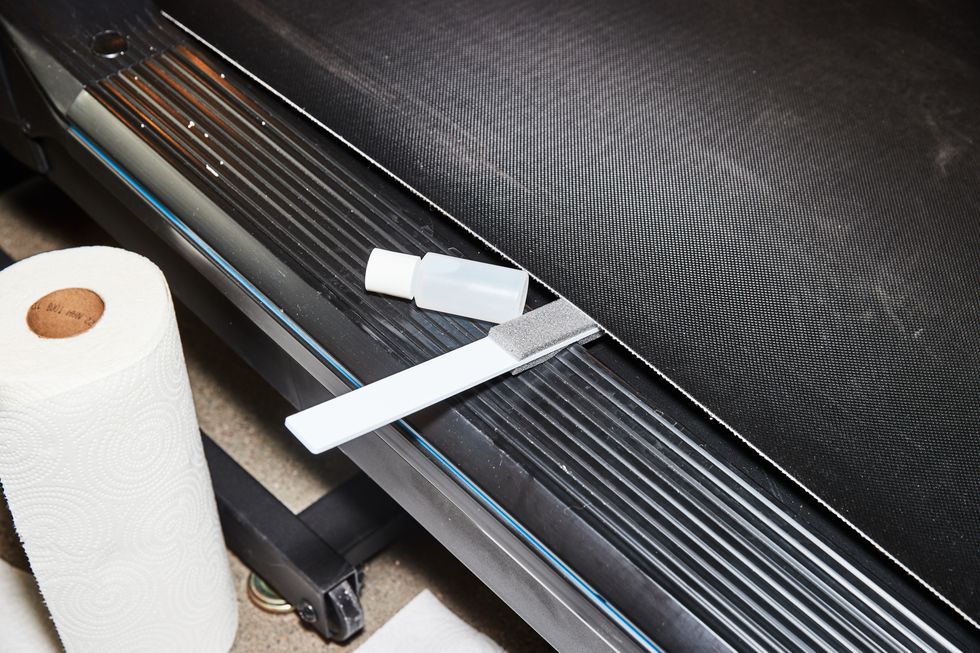
- Lift the belt slightly at the side to create a gap of about 1 to 2 inches. Don’t fully remove the belt.
- Apply a thin bead of silicone lubricant under the belt along the deck on both sides. Apply evenly from front to back.
- Lower the belt and plug in the treadmill. Set the speed to a slow walk (about 2 mph) and run for 2–5 minutes to spread the lube.
- Stop and check for excess lubricant. Wipe any drips and re-center the belt if needed.
- Test at varied speeds for 5–10 minutes. Recheck belt tension and tracking.
How to lubricate a treadmill belt is mostly about even application and gentle distribution. Use small amounts. Over-lubricating creates mess and can attract dust.

Types of lubricants and compatibility
Not all lubricants are equal. Most modern treadmill manufacturers recommend 100% silicone-based lubricants. These are low-viscosity, stable, and safe for belt materials. Avoid petroleum oils, WD-40, or motor oils; they can degrade belt fibers and the deck.
If your treadmill uses a wax-based deck or a commercial fitness center model, follow the manual. When unsure, choose a treadmill-specific silicone lube labeled safe for belts and decks to keep your warranty valid and parts healthy.

How often to lubricate your treadmill belt
Frequency depends on usage, belt type, and manufacturer guidance. As a rule of thumb:
- Light home use (under 3 hours weekly): lubricate every 6 months.
- Moderate use (3–6 hours weekly): lubricate every 3 months.
- Heavy use (commercial or daily long sessions): lubricate monthly.
Check the manual and watch for signs that show you need lubrication sooner, such as squeaking, motor strain, or a jerky belt. Keep a maintenance log so you know when you last applied lube.
PAA-style questions
How long does lubrication last on a treadmill belt?
Lubrication life varies by use and environment but typically lasts 3–6 months for home treadmills. Heavy use or dusty rooms will shorten that interval.
Can I use any silicone lubricant?
No. Use a 100% silicone treadmill-specific lubricant. Other silicones or oils may contain additives that harm belts.
Will lubrication fix a slipping belt?
Lubrication can reduce friction but won’t fix a loose or stretched belt. Tighten or replace the belt if slipping continues after lubing.
Common mistakes and troubleshooting
Avoid these common errors when you learn how to lubricate a treadmill belt:
- Over-applying lubricant. Too much lube creates mess and attracts dust. Use a light bead and spread it carefully.
- Using the wrong lubricant. Petroleum-based oils break down belts and void warranties.
- Not running the belt after applying lube. The machine must run slowly to distribute lubricant across the deck.
- Skipping safety steps. Working on a plugged-in treadmill can cause injury.
Troubleshooting tips:
- If the belt slips, check tension and tracking before blaming lubrication.
- If noise persists after lubing, inspect the deck for wear or the motor for strain.
- If lubricant pools, wipe excess and run the belt to redistribute.
Personal note: I once over-lubed a treadmill in a client’s garage. It attracted dust and slowed the motor slightly. The fix was cleaning the belt, removing excess lube, and switching to a lighter, approved silicone. Lesson learned: less is more.

Safety and maintenance tips
Keep these safety notes in mind when you apply how to lubricate a treadmill belt:
- Always unplug the treadmill before lifting or applying lubricant.
- Wear gloves to keep skin free of silicone and reduce slippage.
- Work in a well-ventilated area and protect the floor under the machine.
- Check the manufacturer’s manual first to avoid voiding warranties.
Routine care beyond lubrication extends life:
- Vacuum or sweep around and under the treadmill weekly.
- Inspect the belt and deck for damage monthly.
- Keep the treadmill away from direct sunlight and extreme humidity.

Signs you might need a professional
Sometimes lubrication won’t solve deeper problems. Seek a pro if you notice:
- Persistent burning smell or smoke.
- Motor overheating despite proper lube and tension.
- Frayed belt edges, deep deck grooves, or visible deck damage.
A technician can assess motor load, belt condition, and deck wear and advise repair or replacement.
Frequently Asked Questions of how to lubricate a treadmill belt
How much lubricant should I use each time?
Use a thin bead along each side of the deck, about 1–2 ounces total for most home treadmills. Small, even amounts work better than large doses.
Can I lubricate the treadmill myself or do I need a technician?
Most owners can lubricate a treadmill themselves by following the manual and step-by-step guidance. Call a technician if you suspect motor or deck damage.
Is silicone spray the same as silicone treadmill lubricant?
Not always. Spray formulas may have propellants or additives. Use 100% silicone lubricant made for treadmills to ensure compatibility.
Will lubrication improve a noisy treadmill?
Yes, proper lubrication often reduces squeaks and grinding noises caused by belt friction. If noise persists, inspect rollers, bearings, and the motor.
How do I tell if the lubricant reached the deck evenly?
Run the treadmill at a slow speed for several minutes and feel for smoother motion and quieter operation. Excess puddles or dry spots mean uneven application; wipe and reapply lightly if needed.
Conclusion
Lubricating a treadmill belt is a simple, cost-effective way to protect your machine, reduce noise, and extend its life. Use the right silicone lubricant, apply sparingly, and run the belt slowly to distribute the lube. Keep a maintenance schedule, watch for warning signs, and call a pro when problems go beyond simple care. Try the steps today, track your maintenance, and enjoy smoother, safer workouts—then share your results or questions below.

Brandon Knoxley is a sport & fitness writer and training guide contributor at MySportFitHub. He focuses on practical workouts, performance-based training, and honest fitness gear insights designed for real people and real results. Brandon is passionate about helping beginners and active individuals train smarter, avoid common mistakes, and build sustainable fitness habits.