How to Plan Weekly Sports Training Schedule: Ultimate Guide for Success
Are you struggling to organize your sports training and get the best results? Creating a weekly sports training schedule can be the game-changer you need.
With the right plan, you can boost your performance, avoid burnout, and stay motivated every step of the way. You’ll discover simple, effective steps to design a training schedule that fits your goals and lifestyle. Keep reading to learn how to take control of your training and reach your full potential faster than you thought possible.
Setting Training Goals
Setting clear training goals is the first step in planning an effective weekly sports schedule. Goals give direction and keep motivation high. They help track progress and make adjustments easier. Without goals, training can feel random and less productive. This section explains how to set smart goals for your sports training.
Short-term Vs Long-term Goals
Short-term goals focus on immediate improvements. They might include learning a new skill or increasing workout intensity. These goals keep you motivated day-to-day.
Long-term goals look at bigger achievements. Examples include competing in a tournament or reaching a specific fitness level. These goals guide your overall training plan.
Balance both types. Short-term goals build steps toward your long-term success. Clear timelines help measure progress and stay committed.
Aligning Goals With Skill Level
Set goals that fit your current skill level. Too easy goals bring boredom. Too hard goals cause frustration.
Beginner athletes should focus on basic skills and endurance. Advanced athletes can aim for complex techniques or strength gains.
Regularly review and adjust goals. As skills improve, increase the challenge to keep growing.
Balancing Performance And Recovery
Good training improves performance but needs rest time. Overtraining leads to injury and burnout.
Include recovery days in your weekly plan. Use light activity or complete rest during these days.
Set goals that encourage both hard work and proper recovery. This balance helps maintain steady progress and health.
Assessing Current Fitness
Assessing your current fitness is the first step in planning a weekly sports training schedule. It helps you understand your starting point. This knowledge guides you in setting realistic goals and choosing the right exercises. Regular assessment also keeps your training safe and effective.
Evaluating Strength And Endurance
Test your muscle strength with simple exercises like push-ups or squats. Count how many you can do with good form. For endurance, try running or cycling for a set time and note the distance. These tests show your current fitness level clearly.
Identifying Weaknesses
Notice which exercises feel hardest or cause discomfort. Weak muscles or poor stamina often limit your performance. Pinpointing these areas helps you focus your training. Strengthening weak spots reduces injury risk and improves overall ability.
Tracking Progress Metrics
Keep a training journal or use a fitness app. Record your reps, sets, times, or distances regularly. Tracking shows improvements and highlights plateaus. Adjust your schedule based on these numbers for steady progress.
Choosing Training Types
Choosing the right training types is key to a balanced sports schedule. Each training type targets different skills and body parts. Mixing them helps improve overall performance. It also reduces the chance of injury. Plan your week with a variety of sessions. This keeps training interesting and effective.
Skill Drills And Technique
Skill drills focus on improving specific sports skills. Practice passing, shooting, or ball control. Work on technique to perform better during games. Repeating drills builds muscle memory. Short, focused sessions work best for skill training. Regular practice sharpens your abilities and confidence.
Strength And Conditioning
Strength and conditioning build power and endurance. Use weights, resistance bands, or bodyweight exercises. Focus on major muscle groups used in your sport. Conditioning includes running, cycling, or circuit training. Strong muscles help prevent injuries. Conditioning improves stamina and speed.
Flexibility And Mobility
Flexibility and mobility training keeps joints and muscles healthy. Stretch regularly to increase your range of motion. Yoga and dynamic stretches improve flexibility. Good mobility helps with quick movements and balance. It reduces muscle tightness and soreness. Include short sessions after workouts or on rest days.
Rest And Active Recovery
Rest days are vital to allow the body to heal. Active recovery includes light activities like walking or swimming. These help blood flow without stressing muscles. Rest prevents burnout and keeps energy high. Plan rest after intense training sessions. Listen to your body to avoid overtraining.
Credit: p3r.org
Structuring Weekly Sessions
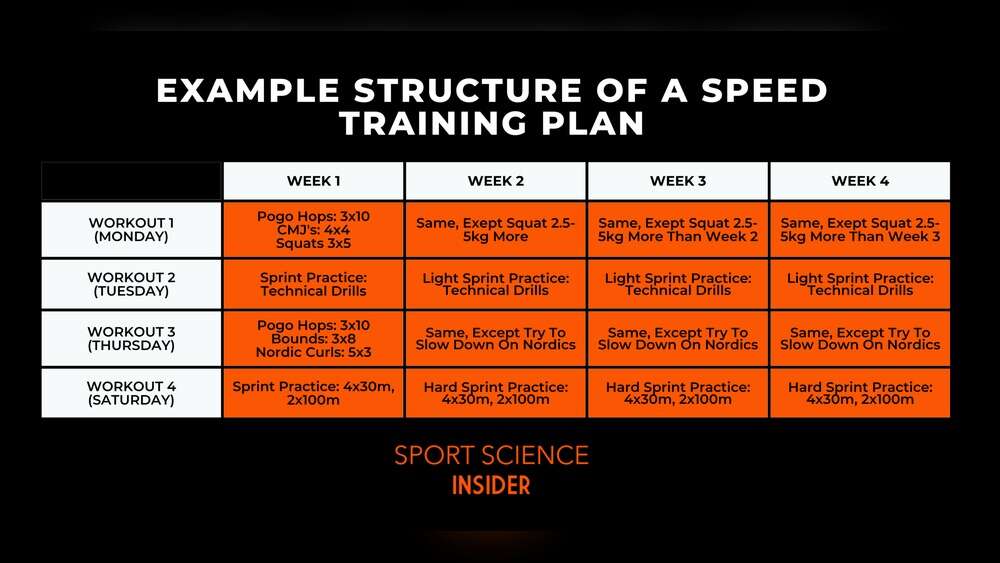
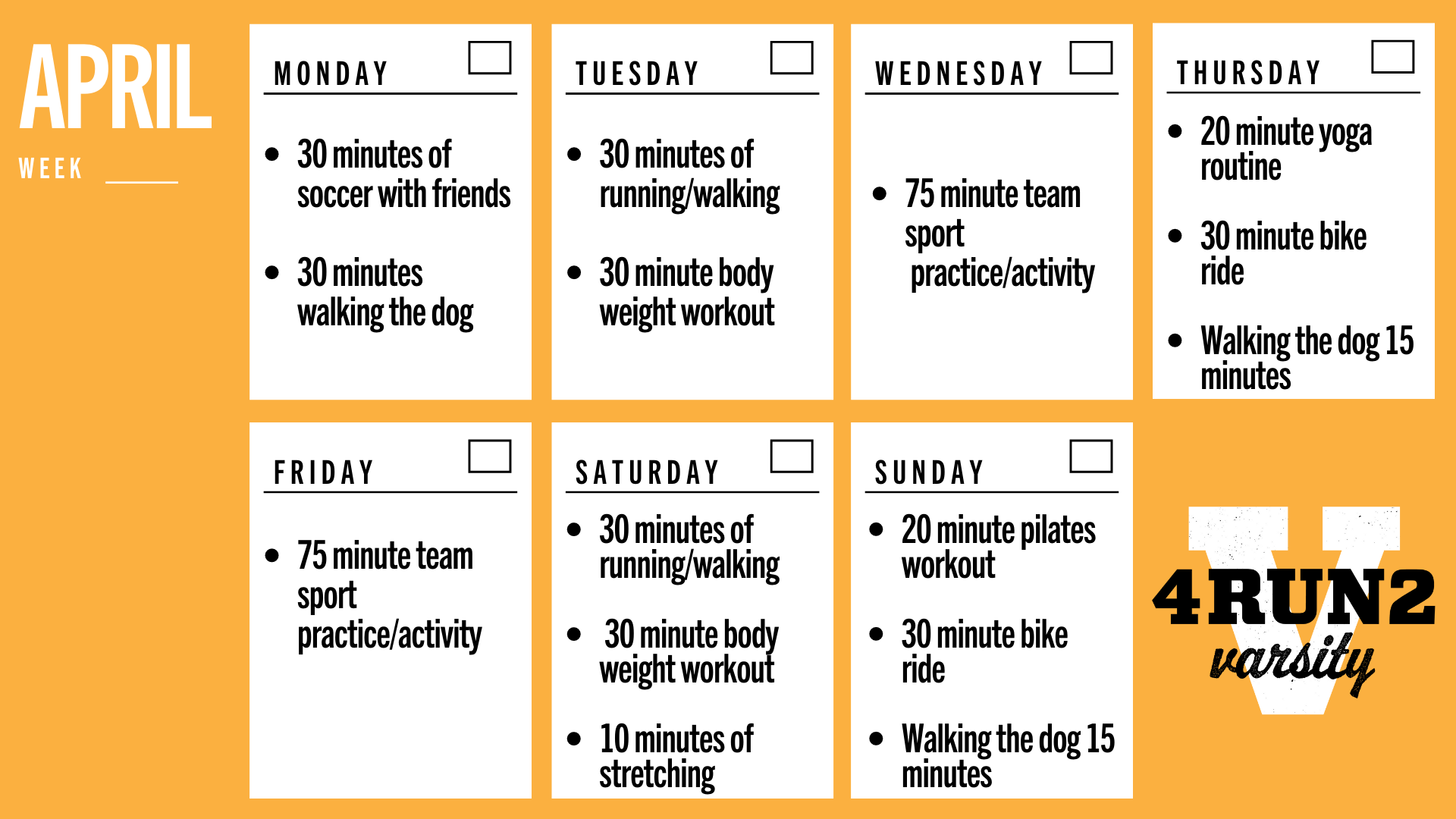
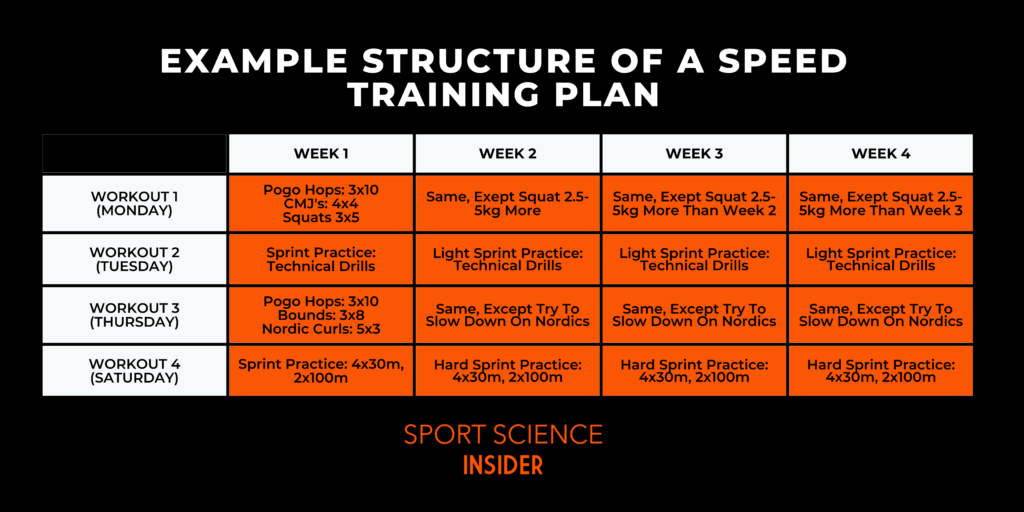
Structuring weekly sessions is key to effective sports training. A well-organized plan helps improve skills and avoid injury. It ensures steady progress and keeps motivation high. Each training day should have a clear purpose. This helps athletes focus and get the best results.
Distributing Workload
Spread training tasks evenly throughout the week. Avoid doing too much on one day and too little on another. Mix skill work, strength training, and cardio sessions. This balance prevents burnout and promotes steady gains. Plan sessions based on athlete goals and sport demands.
Balancing Intensity Levels
Vary the intensity of workouts across the week. Include high, medium, and low-intensity days. Hard training days build strength and speed. Easy days help recovery and reduce injury risk. Adjust intensity based on fatigue and progress.
Scheduling Rest Days
Rest days are as important as training days. They allow muscles to repair and grow stronger. Schedule at least one full rest day each week. Light activities like walking or stretching can be done on rest days. Proper rest improves performance and avoids burnout.
Adapting To Individual Needs
Adapting a weekly sports training schedule to individual needs is vital for progress and safety. Every athlete has unique strengths, limits, and goals. Tailoring training plans helps avoid injury and boosts performance. It also keeps motivation high and supports steady improvement.
Adjusting For Age And Experience
Age affects how the body recovers and grows stronger. Younger athletes need more focus on skill learning and less on heavy training. Older athletes may require longer rest and gentler workouts. Beginners should start with simple exercises and low intensity. Experienced athletes can handle more volume and harder drills.
Managing Injuries And Fatigue
Training should change based on how the body feels. Pain or tiredness signals the need for rest or lighter activity. Ignoring injuries can cause long-term damage. Use low-impact exercises during recovery. Track energy levels and adjust sessions to avoid burnout. Rest days are essential for healing and strength.
Incorporating Cross-training
Cross-training helps improve overall fitness and prevents boredom. Mixing different sports or activities reduces strain on specific muscles. It builds strength, flexibility, and endurance. For example, swimmers can add running or cycling to boost cardio. Cross-training supports balanced development and lowers injury risk.
Tracking And Adjusting Plan
Tracking and adjusting your weekly sports training plan is key to steady progress. It helps you see what works and what needs change. Staying aware of your training details guides better decisions. This keeps your workouts effective and safe.
Using Training Logs
Write down every workout session in a training log. Note exercises, sets, reps, and how you feel. Logs show your effort and track progress over time. They help spot patterns and avoid repeating mistakes. A simple notebook or app works well.
Monitoring Performance
Check your performance regularly to measure improvement. Use tests like timing sprints or counting reps. Monitor energy levels and recovery speed. Watch for signs of fatigue or injury. This helps keep your plan realistic and balanced.
Making Data-driven Changes
Use the information from logs and performance checks to adjust your plan. Add rest days if you feel tired. Increase intensity when progress slows. Change exercises to target weak areas. Small changes based on facts improve results safely.
Nutrition And Hydration Tips
Good nutrition and hydration support your weekly sports training schedule. They help your body perform well and recover faster. Eating the right foods and drinking enough water makes a big difference. Here are key tips to keep your energy high and your body ready.
Fueling For Training Days
Eat balanced meals before training. Include carbs like rice or bread for energy. Add protein from chicken, fish, or beans to build muscles. Avoid heavy or greasy foods that slow you down. Have a small snack 30 minutes before exercise, like a banana or yogurt. It boosts energy without causing discomfort.
Recovery Nutrition
After training, eat foods that repair muscles. Protein helps fix muscle fibers. Try eggs, lean meat, or nuts. Carbs restore your energy stores. Fruits, vegetables, and whole grains work well. Drink a protein shake or chocolate milk if you can’t eat right away. This speeds up recovery and prepares you for the next session.
Hydration Strategies
Drink water throughout the day, not just during training. Start with a glass when you wake up. Sip water during exercise to replace sweat loss. Avoid sugary drinks and caffeine as they dehydrate you. After training, drink more water or an electrolyte drink. Proper hydration keeps your muscles working well and stops cramps.
Credit: sportscienceinsider.com
Mental Preparation Techniques
Mental preparation is key to improve sports performance. It helps athletes stay focused and confident. A strong mind supports physical training and helps handle pressure. Planning mental training is as important as physical workouts. The right techniques build resilience and improve overall results.
Goal Visualization
Visualizing goals means imagining success clearly. Picture yourself performing well in training and matches. See every detail, from movement to outcome. This practice trains your brain to expect success. It boosts confidence and reduces anxiety. Try visualizing daily for a few minutes. Use calm and focused thoughts during visualization.
Stress Management
Stress can lower your performance and cause mistakes. Learn simple ways to relax your mind and body. Deep breathing is a powerful tool to calm nerves. Practice slow breaths before and during training. Also, try muscle relaxation by tensing and releasing groups. Avoid negative thoughts and focus on the present moment. These methods help keep stress under control.
Motivation Boosters
Staying motivated is often difficult but crucial. Set small, clear goals to keep your energy high. Celebrate progress, no matter how small it is. Use positive self-talk to encourage yourself daily. Surround yourself with supportive teammates or friends. Listen to music that energizes you before training. These boosts help maintain a strong and positive mindset.
Credit: www.thewave.global
Frequently Asked Questions
How Do I Start Planning A Weekly Sports Training Schedule?
Begin by assessing your goals and current fitness level. Allocate specific days for different training types. Include warm-ups, skill drills, strength, and rest days. Balance intensity and recovery to avoid burnout. Consistency and gradual progression are key to effective planning.
What Is The Ideal Duration For Each Training Session?
Aim for 45 to 90 minutes per session, depending on your sport and fitness level. Shorter sessions focus on skill and technique. Longer sessions can include endurance and strength training. Always include warm-up and cool-down periods to prevent injury.
How Often Should Rest Days Be Included In Training?
Include at least one or two rest days each week. Rest days help muscles recover and reduce injury risk. Active rest, like light stretching or walking, can aid recovery. Listen to your body and adjust rest days as needed for optimal performance.
How Can I Balance Skill Training With Strength Workouts Weekly?
Dedicate separate days for skill drills and strength training. For example, skill practice on Monday, Wednesday, and Friday, and strength workouts on Tuesday and Thursday. This approach allows focused improvement while preventing overtraining. Always prioritize recovery between intense sessions.
Conclusion
Planning a weekly sports training schedule helps improve skills and fitness. Set clear goals and choose exercises that fit your needs. Balance hard training days with rest to avoid injury. Track progress to see what works best for you. Stay consistent and adjust the plan as needed.
Training becomes easier and more effective this way. Enjoy the process and keep your motivation high. Small steps lead to big improvements in sports performance. Keep pushing forward with a smart, simple plan.

Brandon Knoxley is a sport & fitness writer and training guide contributor at MySportFitHub. He focuses on practical workouts, performance-based training, and honest fitness gear insights designed for real people and real results. Brandon is passionate about helping beginners and active individuals train smarter, avoid common mistakes, and build sustainable fitness habits.