
How to Prevent Lower Back Pain While Exercising: Expert Tips
Lower back pain can quickly turn your workout from a boost to a burden. If you’ve ever felt that nagging ache after exercising, you know how frustrating it is.
But what if you could protect your back and keep moving without worry? You’ll discover simple, effective ways to prevent lower back pain while exercising. These tips will help you stay strong, avoid injury, and enjoy every workout session. Keep reading to learn how to take care of your back, so pain never slows you down again.

Credit: www.youtube.com
Common Causes Of Lower Back Pain
Lower back pain during exercise is common. Understanding its causes helps prevent it. Many factors contribute to discomfort in the lower back. These factors often relate to how you move and use your body during workouts.
Poor Posture During Workouts
Bad posture strains the lower back muscles. Slouching or arching the back too much causes pain. Proper alignment keeps the spine safe. It also helps muscles work correctly. Poor posture can lead to injury over time.
Overloading And Improper Technique
Lifting too much weight stresses the lower back. Using wrong techniques increases this risk. Moving too fast or without control can cause damage. Correct form protects the spine and muscles. Overloading often results in strains or sprains.
Muscle Imbalances
Strong muscles in one area and weak muscles in another cause problems. Imbalanced muscles pull the spine out of alignment. This leads to pain and poor movement. Balanced strength supports the back during exercise. It also reduces the chance of injury.
Lack Of Core Stability
The core supports the spine from the front. Weak core muscles make the back work harder. This extra work can cause pain and fatigue. Strong core muscles stabilize the body during movement. Building core strength protects the lower back.
Warm-up Strategies To Protect Your Back
Warming up before exercise helps protect your lower back from pain. It prepares your muscles and joints for movement. A good warm-up increases blood flow and flexibility. This reduces the risk of injury and strain.
Dynamic Stretching Exercises
Dynamic stretches move your muscles gently and actively. Examples include leg swings, arm circles, and torso twists. These movements increase flexibility without holding a stretch too long. Dynamic stretching warms muscles and improves your range of motion.
Activating Core Muscles
Strong core muscles support your lower back. Before exercising, activate these muscles with simple moves. Try pelvic tilts or gentle abdominal contractions. Engaging your core creates a stable base and reduces back stress during workouts.
Gradual Intensity Increase
Start your workout slowly to avoid sudden strain on your back. Increase exercise intensity step-by-step. This approach helps your muscles adjust and prevents overload. Gradual progress keeps your back safe and pain-free.
Exercise Modifications For Back Safety
Exercise can help strengthen your back but also cause pain if done wrong. Making changes to your workouts protects your lower back. These changes keep your muscles strong without strain. Small shifts in your routine make a big difference in back safety.
Focus on activities and techniques that reduce stress on your spine. Use tools and tips that support your back during movement. These simple steps help you exercise safely and avoid injury.
Choosing Low-impact Activities
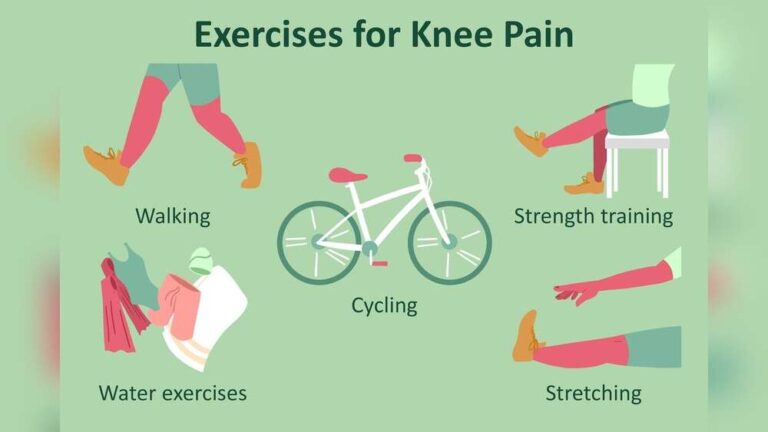
Low-impact exercises are gentle on your joints and spine. Swimming and walking keep your back safe while building strength. Yoga and Pilates improve flexibility without harsh movements. Choose activities that do not jolt or twist your lower back. This lowers the chance of pain or injury.
Proper Form Tips For Common Exercises
Good posture matters in every exercise. Keep your back straight during squats and lunges. Avoid bending or twisting your spine too much. Engage your core muscles to support your lower back. Use slow, controlled motions instead of fast, jerky moves. Ask a trainer to check your form if unsure.
Using Supportive Equipment
Supportive gear helps protect your lower back. Wear a belt during heavy lifting to stabilize your spine. Use a mat for cushioning during floor exercises. Resistance bands and stability balls reduce strain by improving control. Choose equipment that fits well and suits your workout needs.

Credit: prepperformancecenter.com
Strengthening Core And Back Muscles
Strengthening your core and back muscles plays a vital role in preventing lower back pain during exercise. These muscles support your spine and help keep your body stable. A strong core and back reduce stress on your lower back. This support lowers the risk of injury and discomfort.
Focus on exercises that target the deep muscles around your spine. Consistent training improves posture and movement. It also boosts endurance and balance, making exercise safer and more effective.
Effective Core Workouts
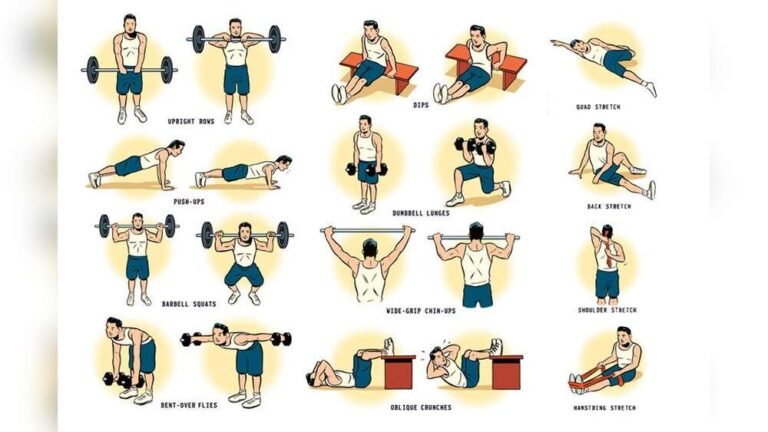
Core workouts should engage all parts of your abdomen and lower back. Start with planks, which hold your body in a straight line. Side planks target your obliques, the muscles on your sides. Bird-dogs improve coordination and balance by moving opposite arms and legs. Bicycle crunches activate multiple core muscles. These exercises build strength without straining your lower back.
Back Extension Exercises
Back extensions focus on the muscles along your spine. Lie face down and slowly lift your chest off the ground. Keep your neck neutral and avoid arching too high. Superman exercises also strengthen your lower back by raising arms and legs simultaneously. Use a stability ball for added support and challenge. These moves reinforce your back muscles and improve spinal support.
Balancing Flexibility And Strength
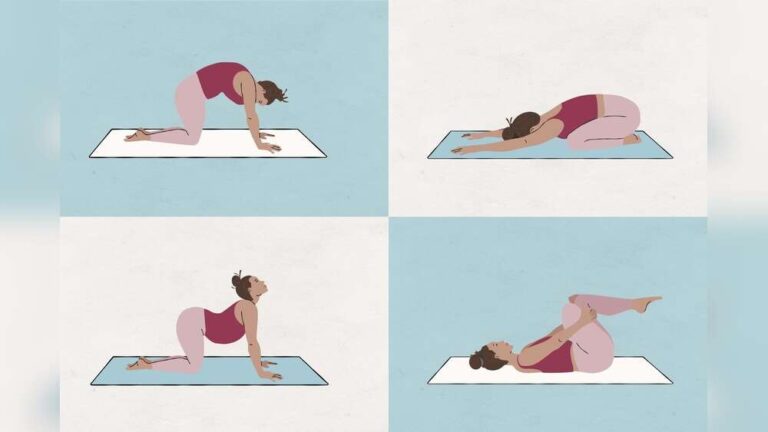
Strong muscles need flexibility to work well together. Stretching your hamstrings and hip flexors reduces pressure on your lower back. Yoga poses like cat-cow or child’s pose gently lengthen your spine. Avoid tight muscles that pull your pelvis out of alignment. Balanced flexibility helps maintain a healthy posture and prevents pain during workouts.
Post-exercise Care For Your Back
Taking care of your back after exercise is just as important as warming up. Proper post-exercise care helps your muscles recover and reduces pain. It also lowers the risk of injuries. Simple steps can keep your lower back healthy and strong.
Stretching And Cool-down Routines
Stretching relaxes tight muscles and improves blood flow. Focus on gentle stretches that target your lower back and hamstrings. Spend at least five to ten minutes stretching after exercise. A slow cool-down walk can also help your body return to normal.
Applying Ice Or Heat
Ice reduces swelling and numbs pain right after exercise. Use ice packs for 15 minutes on sore areas. After 24 hours, heat can relax muscles and ease stiffness. Apply a warm towel or heating pad for 15 minutes. Never use ice or heat directly on the skin.
When To Seek Professional Help
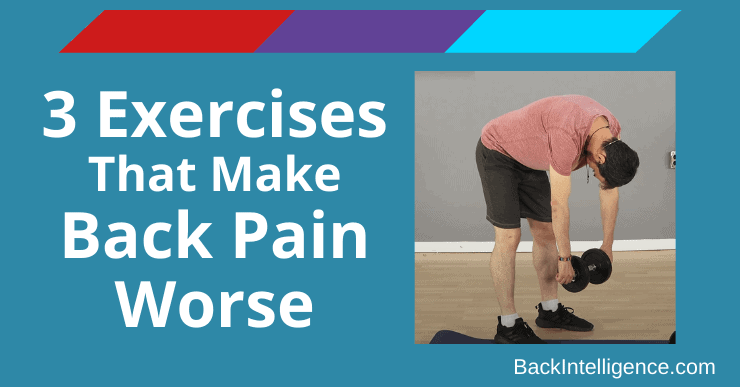
Persistent pain or numbness needs medical attention. If pain lasts more than a week or worsens, see a doctor. Sudden sharp pain or weakness in your legs also requires help. Early treatment prevents serious back problems later on.
Credit: backintelligence.com
Frequently Asked Questions
How Can I Avoid Lower Back Pain During Workouts?
Maintain proper form and posture during exercises. Strengthen core muscles to support your back. Use appropriate weights and avoid sudden movements to reduce strain.
What Exercises Help Prevent Lower Back Pain?
Focus on core strengthening exercises like planks and bridges. Incorporate stretching routines targeting the lower back and hamstrings. Avoid high-impact activities that stress the spine.
Should I Warm Up To Prevent Lower Back Pain?
Yes, warming up increases blood flow and flexibility. Gentle stretching and light cardio prepare muscles and reduce injury risk. Always include a warm-up before intense exercise.
How Does Posture Affect Lower Back Pain While Exercising?
Poor posture strains back muscles and spine. Proper alignment distributes weight evenly, reducing pressure. Maintaining good posture prevents muscle fatigue and discomfort.
Conclusion
Preventing lower back pain during exercise is possible with good habits. Always warm up before starting any workout. Use proper form and avoid sudden, jerky movements. Strengthen your core to support your lower back. Take breaks when needed and listen to your body.
Choose exercises that suit your fitness level. Stay consistent, but don’t push too hard. Small changes can make a big difference over time. Keep these tips in mind to enjoy pain-free workouts. Your back will thank you for the care you give it.

Brandon Knoxley is a sport & fitness writer and training guide contributor at MySportFitHub. He focuses on practical workouts, performance-based training, and honest fitness gear insights designed for real people and real results. Brandon is passionate about helping beginners and active individuals train smarter, avoid common mistakes, and build sustainable fitness habits.