How to Protect Shoulders in Sports Practice: Essential Tips
Are your shoulders feeling sore or tired after sports practice? Protecting your shoulders is key to staying strong and avoiding injury.
Whether you play basketball, swim, or lift weights, your shoulders take a lot of stress. But what if you could keep them safe and performing at their best? You’ll discover simple and effective ways to protect your shoulders during every practice.
Keep reading to learn how small changes can make a big difference in your game and your health.
Common Shoulder Injuries In Sports
Shoulder injuries are common in many sports. The shoulder joint moves in many directions. This makes it strong but also easy to hurt. Knowing about common shoulder injuries helps protect your shoulders during practice. It also helps spot problems early. This keeps athletes safe and active.
Types Of Shoulder Injuries
There are several types of shoulder injuries in sports. A rotator cuff tear is a common one. It happens when muscles or tendons around the shoulder tear. Another injury is a shoulder dislocation. This occurs when the upper arm bone slips out of the socket.
Shoulder strains and sprains are also frequent. Strains affect muscles, while sprains affect ligaments. Another issue is shoulder impingement. This happens when shoulder tendons get pinched during movement. Labrum tears affect the cartilage ring that stabilizes the joint. Each injury causes different pain and limits movement.
Causes And Risk Factors
Overuse is a main cause of shoulder injuries. Repeating the same movements tires the muscles and tendons. Poor technique during sports increases injury risk. Sudden falls or collisions can cause dislocations and fractures.
Weak shoulder muscles also raise injury chances. Not warming up before practice leaves muscles stiff and prone to injury. Sports like swimming, baseball, and tennis have higher shoulder injury rates. Age and previous injuries also affect shoulder health. Understanding these causes helps reduce risks.
Warm-up And Stretching Techniques
Warming up and stretching are key steps to protect your shoulders during sports. They prepare your muscles and joints for physical activity. Proper warm-up increases blood flow and reduces injury risk. Stretching improves flexibility and shoulder mobility. Both steps help your shoulders move smoothly and safely.
Dynamic Warm-up Exercises
Dynamic warm-up exercises involve controlled movements that gently raise your heart rate. Arm circles are a simple way to activate shoulder muscles. Swing your arms forward and backward in a circular motion. Shoulder shrugs lift your shoulders up and down to release tension. Scapular squeezes help engage the muscles around your shoulder blades. These exercises should last about 5 to 10 minutes before sports practice.
Effective Shoulder Stretches
Effective shoulder stretches increase flexibility and reduce stiffness. Cross-body shoulder stretch gently pulls one arm across your chest. Hold the stretch for 15 to 20 seconds, then switch arms. Doorway stretch opens the chest and front shoulder muscles. Place your hands on a doorframe and lean forward slowly. Overhead triceps stretch lengthens the back of your shoulder. Reach one arm behind your head and push gently on the elbow with the other hand.
Strengthening Shoulder Muscles
Strengthening shoulder muscles plays a vital role in protecting the shoulders during sports practice. Strong muscles help stabilize the joint and reduce injury risk. They improve movement control and build endurance for long training sessions.
Focused muscle training supports better posture and balance. This reduces stress on tendons and ligaments. Consistent strength exercises also aid in faster recovery after strain or minor injuries.
Key Muscle Groups To Target
The main muscles to strengthen are the rotator cuff, deltoids, and scapular stabilizers. The rotator cuff includes four small muscles that keep the shoulder stable. The deltoids cover the shoulder and help lift the arm. Scapular stabilizers control shoulder blade movement and support overall shoulder function.
Recommended Strength Exercises
Start with rotator cuff exercises like internal and external rotations using light weights or bands. Shoulder presses and lateral raises target the deltoids. Scapular push-ups and rows help strengthen the shoulder blade muscles.
Use slow, controlled movements and proper form. Begin with low resistance and gradually increase it. Aim for two to three sessions per week to build strength effectively.
Proper Technique And Form
Protecting your shoulders during sports practice starts with using the right technique and form. Proper movement helps reduce stress on the shoulder joints and muscles. It also lowers the chance of injuries and improves overall performance.
Learning and sticking to correct form is essential for long-term shoulder health. This means understanding how to move your arms and shoulders safely during each activity. Small changes in your technique can make a big difference in preventing pain and damage.
Avoiding Overuse
Overuse happens when the shoulder gets too much strain without enough rest. Repeating the same motion many times can cause small injuries that build up. Take breaks during practice to let your muscles recover.
Limit the number of intense shoulder movements each day. Avoid pushing through pain or discomfort. Listening to your body helps prevent serious problems later.
Correct Movement Patterns
Use smooth, controlled motions instead of fast, jerky ones. Keep your shoulder blades stable and engaged during activity. This supports the joint and keeps it from moving incorrectly.
Focus on moving your arms within a safe range. Avoid lifting or throwing at awkward angles. Practicing proper patterns regularly trains your muscles to work well together.
Use Of Protective Gear
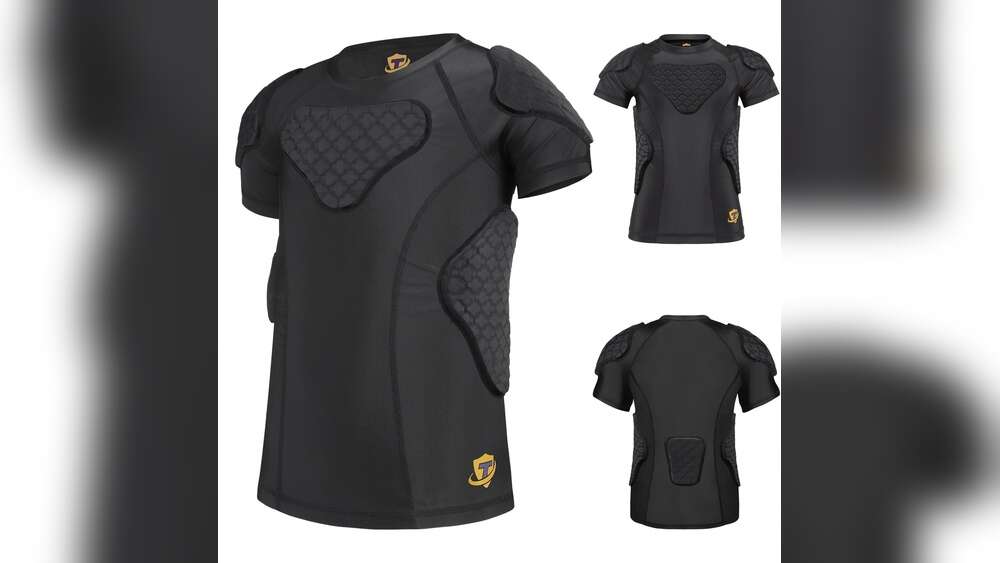
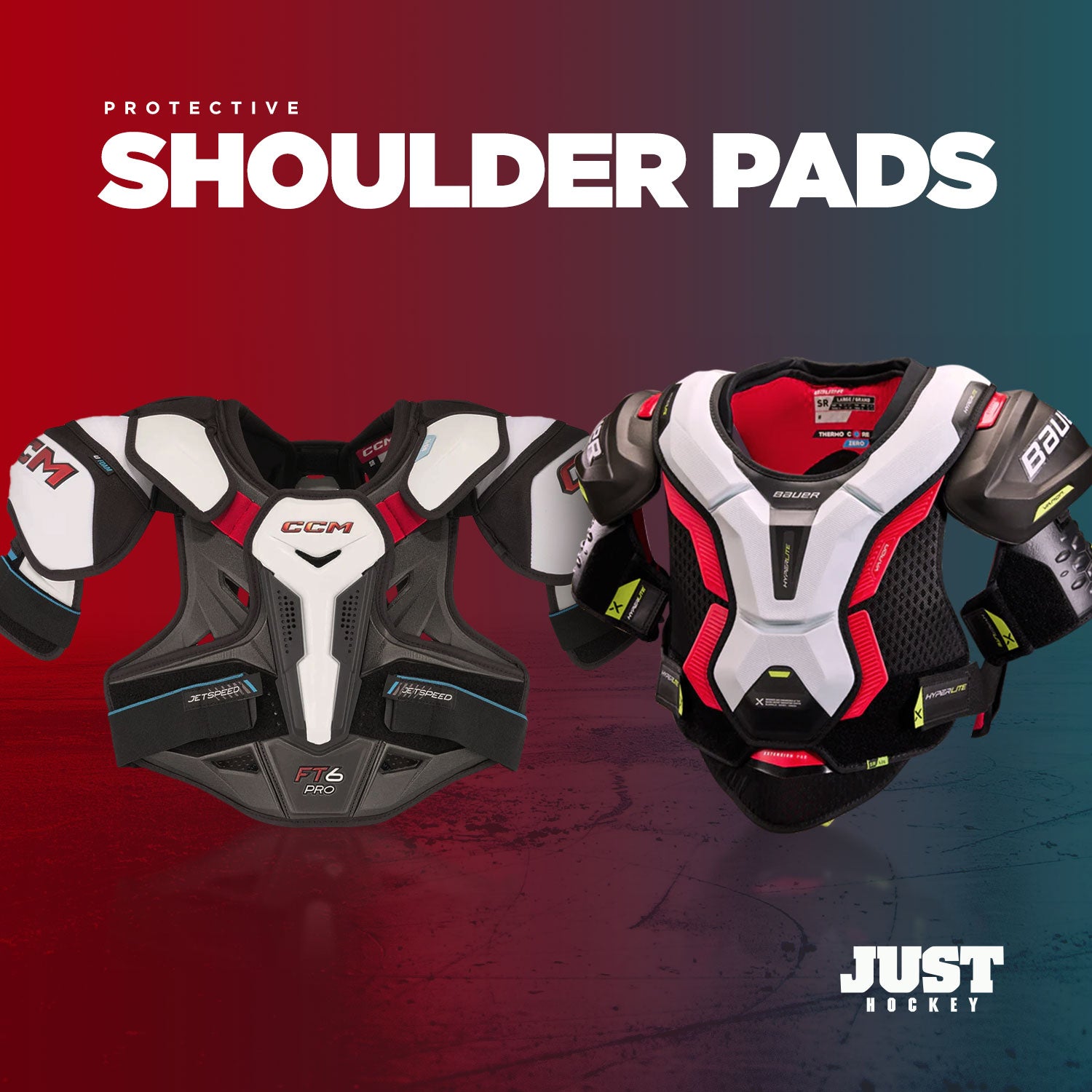
Protective gear plays a key role in keeping shoulders safe during sports. It helps reduce the risk of injuries and supports the shoulder joint. Using the right gear can make sports practice safer and more comfortable. This section covers common protective options athletes use for their shoulders.
Shoulder Braces And Supports
Shoulder braces provide extra stability to the joint. They limit harmful movements that cause pain or damage. Athletes wear them during practice to prevent strains and sprains. Some braces have adjustable straps for a custom fit. They also help heal minor injuries by reducing shoulder stress. Wearing a brace gives confidence to players and protects the shoulder.
Taping Methods
Taping supports the shoulder by holding muscles and ligaments in place. Athletic tape helps reduce swelling and pain after injuries. It also guides the shoulder to move correctly during activity. Tape is lightweight and does not limit motion much. Proper taping requires skill to apply the tape evenly and firmly. Many athletes use taping as a preventive measure before practice or games.

Credit: www.truesportsphysicaltherapy.com
Rest And Recovery Strategies
Rest and recovery are vital for protecting your shoulders during sports practice. They help your muscles repair and reduce the risk of injury. Giving your body time to heal improves strength and flexibility. This section explains how to use rest and recovery effectively.
Importance Of Rest Days
Rest days allow your shoulder muscles to recover from stress. Without rest, muscles become tired and prone to injury. Taking breaks prevents overuse injuries and reduces pain. Rest days also help maintain good performance in sports. Plan regular rest days in your training schedule. Listen to your body and stop if you feel pain or discomfort.
Recovery Exercises And Therapies
Recovery exercises improve blood flow and reduce stiffness. Gentle stretches and light movements help your shoulders heal. Use ice packs to lower swelling after practice. Heat therapy can relax tight muscles. Massage therapy can relieve muscle tension and improve circulation. Try low-impact activities like swimming to stay active without strain. Follow a recovery routine to keep your shoulders healthy.
When To Seek Medical Help
Knowing when to seek medical help for shoulder pain is very important. Some injuries need quick attention to avoid long-term damage. Pay close attention to your body’s signals during and after sports practice. Timely care can make a big difference in recovery and future shoulder health.
Warning Signs Of Serious Injury
Severe pain that does not improve is a warning sign. Swelling or bruising around the shoulder can show serious damage. Loss of movement or strength means the injury may be severe. A popping or cracking sound during injury is also a red flag. Numbness or tingling in the arm requires immediate care.
Consulting Sports Medicine Professionals
Sports medicine doctors specialize in injuries from physical activity. They can diagnose shoulder problems accurately with exams and tests. Early consultation helps create the best treatment plan. Physical therapists guide safe exercises to speed healing. Follow their advice to protect your shoulder during sports practice.
Credit: espacioeslava.com

Credit: isneurogastronomy.org
Frequently Asked Questions
How Can I Prevent Shoulder Injuries In Sports Practice?
To prevent shoulder injuries, always warm up properly and stretch before practice. Use correct techniques and avoid overtraining. Strengthen shoulder muscles with targeted exercises. Rest adequately between sessions to allow recovery. Wearing protective gear can also reduce injury risks.
What Exercises Strengthen Shoulders For Sports?
Effective exercises include shoulder presses, lateral raises, and rotator cuff workouts. These build strength and stability. Incorporate resistance bands and light weights for better control. Consistency in training improves shoulder endurance and reduces injury chances during sports.
Why Is Proper Warm-up Important For Shoulder Safety?
Proper warm-up increases blood flow and flexibility in shoulder muscles. It prepares joints for intense activity and reduces stiffness. Warm muscles are less prone to strains and tears. A good warm-up enhances performance and lowers injury risk during sports.
When Should I Rest My Shoulders During Training?
Rest shoulders if you feel pain, discomfort, or fatigue. Avoid training on consecutive days without breaks. Rest allows muscle repair and prevents overuse injuries. Listen to your body and schedule regular recovery periods in your routine.
Conclusion
Protecting your shoulders during sports keeps you active and strong. Warm up and stretch before each practice. Use the right techniques to avoid injury. Strengthen muscles around your shoulder regularly. Rest when your body needs it. Listen to pain signals and act fast.
Small steps can prevent big problems later. Stay consistent to enjoy sports for years. Your shoulders matter—take good care of them.

Brandon Knoxley is a sport & fitness writer and training guide contributor at MySportFitHub. He focuses on practical workouts, performance-based training, and honest fitness gear insights designed for real people and real results. Brandon is passionate about helping beginners and active individuals train smarter, avoid common mistakes, and build sustainable fitness habits.