How to Recover Faster After Beginner Workouts: Essential Tips
Starting a new workout routine is exciting, but the soreness and fatigue afterward can slow you down. You want to keep making progress, not get stuck feeling tired or sore for days.
What if you could recover faster and get back to your workouts feeling stronger and more energized? You’ll discover simple, effective ways to speed up your recovery after beginner workouts. These tips are easy to follow and designed to help your body heal quickly, so you can stay motivated and reach your fitness goals without unnecessary setbacks.
Keep reading to learn how to bounce back faster and make every workout count!
Credit: www.icecreamfactoryny.com
Post-workout Nutrition
Eating the right foods after workouts helps your body heal and grow stronger. Post-workout nutrition is key to quick recovery. It refuels energy stores and repairs muscles. Choosing the right nutrients supports your progress and reduces soreness. Simple food choices can make a big difference in how you feel the next day.
Best Foods For Recovery
Protein helps rebuild muscles. Good sources include chicken, eggs, and beans. Carbohydrates refill your energy. Try rice, oats, or sweet potatoes. Healthy fats reduce inflammation. Examples are avocados, nuts, and olive oil. Including fruits and vegetables adds vitamins and minerals. These keep your body working well after exercise.
Hydration Tips
Water replaces fluids lost through sweat. Drink plenty of water after your workout. Avoid sugary drinks; they slow recovery. Coconut water and herbal teas are good alternatives. Start hydrating right after exercise, not hours later. Staying hydrated helps your muscles and joints work better.

Credit: www.fitbodysync.com
Effective Rest Strategies
Effective rest strategies play a key role in recovering faster after beginner workouts. Rest allows your muscles to heal and grow stronger. It also helps reduce soreness and fatigue. Without proper rest, your body cannot repair itself well. This slows down progress and increases injury risk. Simple rest techniques can improve recovery and keep you motivated for your next workout.
Sleep Importance
Sleep is the most important part of recovery. Your body releases growth hormones during deep sleep. These hormones help repair muscle damage from exercise. Aim for 7 to 9 hours of sleep each night. A regular sleep schedule improves sleep quality. Avoid screens and bright lights before bedtime. Restful sleep boosts energy and mental focus. It also reduces muscle pain and speeds up healing.
Active Recovery Techniques
Active recovery means moving gently on rest days. Light activities like walking, stretching, or yoga increase blood flow. This helps deliver nutrients to tired muscles. It also removes waste products that cause soreness. Active recovery prevents stiffness and keeps you flexible. Avoid intense workouts during recovery days. Choose low-impact exercises that feel easy and relaxing. This approach promotes healing without adding stress.
Stretching And Mobility
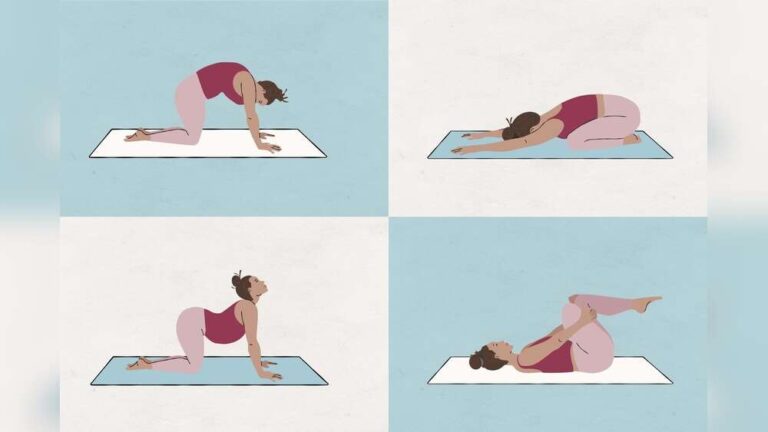
Stretching and mobility are key to faster recovery after beginner workouts. They help reduce muscle tightness and improve blood flow. This leads to less soreness and better movement. Taking time for stretching and mobility supports your muscles to heal and grow stronger.
Post-workout Stretching
Stretching right after exercise helps muscles relax. It lowers tension and eases stiffness. Simple stretches target muscles used during your workout. Hold each stretch for 20 to 30 seconds. Avoid bouncing or forcing the stretch. Gentle stretching can improve flexibility over time.
Foam Rolling Benefits
Foam rolling works like a deep massage for your muscles. It breaks up tight spots and boosts circulation. Rolling sore areas reduces pain and speeds up recovery. Use a foam roller on legs, back, and arms. Spend about 1 to 2 minutes on each muscle group. Foam rolling helps muscles stay loose and ready for the next workout.
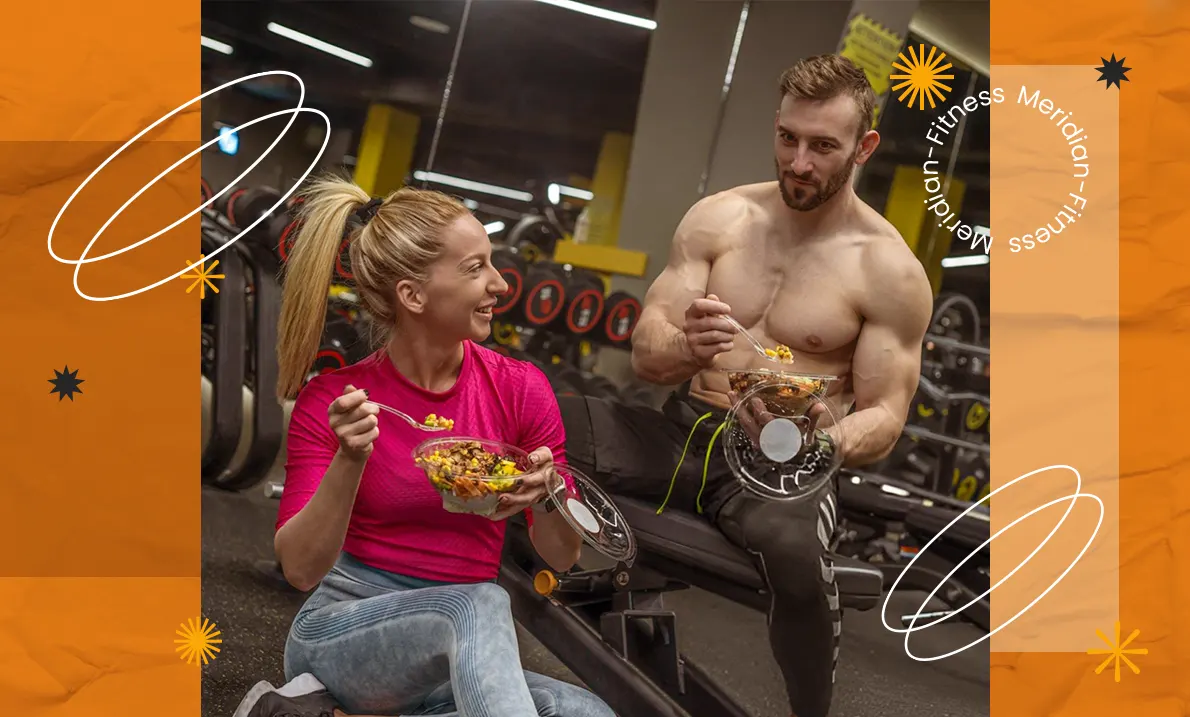
Credit: www.meridian-fitness.co.uk
Managing Muscle Soreness
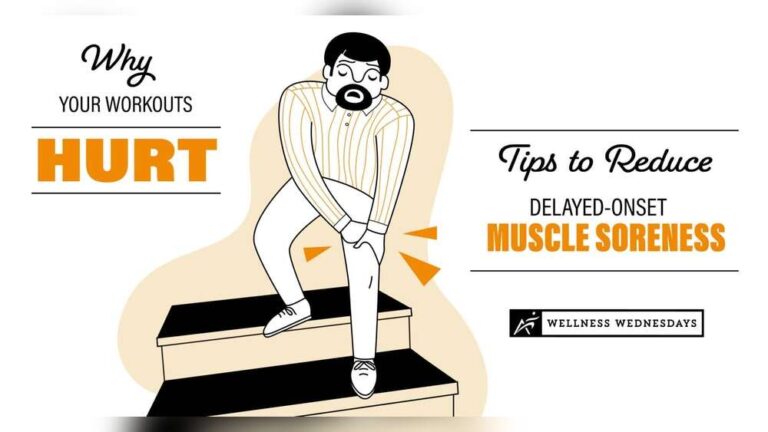
Muscle soreness is common after beginner workouts. It can feel uncomfortable and slow down your progress. Managing soreness well helps your body heal faster. It also lets you get back to exercising sooner. Simple methods can reduce pain and stiffness.
Cold And Heat Therapy
Cold therapy helps reduce swelling and numb pain. Use an ice pack on sore muscles for 15 minutes. Do this several times a day after workouts. Cold stops inflammation and eases discomfort.
Heat therapy relaxes tight muscles and improves blood flow. Use a warm towel or heating pad on the sore area. Apply heat for 15 to 20 minutes. Heat works best a day or two after exercise.
Over-the-counter Remedies
Pain relievers like ibuprofen or acetaminophen can help with soreness. Take the recommended dose to reduce pain and inflammation. These medicines ease muscle aches and improve comfort. Always follow the instructions on the label.
Topical creams with menthol or capsaicin also provide relief. Apply them to sore spots for a cooling or warming effect. These creams reduce pain signals from muscles. Use as directed for best results.
Progressive Workout Planning
Progressive workout planning helps your body adapt to new exercises. It reduces soreness and speeds up recovery. Planning workouts step-by-step keeps you from overdoing it. This way, your muscles get stronger without too much strain.
Gradual Intensity Increase
Start with light exercises and low weights. Increase intensity slowly over days or weeks. Small changes help your muscles adjust well. Avoid jumping to heavy workouts too fast. Gradual progress lowers injury risk and muscle pain.
Rest Day Scheduling
Plan rest days between workout sessions. Rest allows muscles to heal and grow stronger. Do not skip rest days, even if you feel fine. Rest days improve your energy for the next workout. Balance exercise and rest for faster recovery.
Monitoring Recovery
Monitoring recovery is key for faster progress after beginner workouts. It helps you avoid injury and burnout. Paying attention to your body’s signals guides better rest and activity balance.
Tracking recovery means checking how tired or sore you feel daily. This simple habit helps adjust your workout plan. It ensures your body heals well before the next session.
Tracking Fatigue Levels
Write down how tired your muscles feel each day. Note any soreness or stiffness. Rate your energy from 1 to 10. This tracking shows if you need more rest.
Monitor sleep quality too. Good sleep supports muscle repair. Poor sleep means slower recovery. Track mood and motivation levels as well. Low mood can signal overtraining.
Using Recovery Apps
Recovery apps help track fatigue and progress easily. They remind you to rest or hydrate. Some apps measure heart rate and sleep patterns. This data gives a clear recovery picture.
Choose apps with simple interfaces for easy use. Regular app checks keep recovery on track. They help prevent pushing too hard too soon.
Frequently Asked Questions
How Long Does Recovery Take After Beginner Workouts?
Recovery typically takes 24 to 48 hours for beginners. This allows muscles to repair and grow stronger. Proper rest and nutrition speed up recovery. Listen to your body and avoid overtraining.
What Foods Help Speed Up Workout Recovery?
Protein-rich foods like chicken, fish, and beans aid muscle repair. Fruits and vegetables provide antioxidants to reduce inflammation. Staying hydrated with water also supports faster recovery.
Should Beginners Stretch After Workouts?
Yes, gentle stretching improves flexibility and reduces muscle stiffness. Stretching helps increase blood flow to muscles, promoting quicker recovery. Avoid intense stretches immediately after workouts to prevent injury.
Is Rest Day Important For Workout Recovery?
Rest days are crucial as they allow muscles to heal and strengthen. Skipping rest can lead to fatigue and injury. Incorporate at least one rest day weekly for optimal recovery.
Conclusion
Recovering well after beginner workouts helps your body grow stronger. Rest and good sleep give muscles time to heal. Drinking water keeps you hydrated and helps reduce soreness. Eating healthy foods supports energy and repair. Stretching gently can ease tight muscles and improve comfort.
Keep your workout routine steady but listen to your body. Small steps lead to better fitness and less pain. Stay patient and consistent. Your efforts will pay off with time and care.

Brandon Knoxley is a sport & fitness writer and training guide contributor at MySportFitHub. He focuses on practical workouts, performance-based training, and honest fitness gear insights designed for real people and real results. Brandon is passionate about helping beginners and active individuals train smarter, avoid common mistakes, and build sustainable fitness habits.