
How to Start Fitness After Long Inactivity: Easy Steps to Reignite Energy
Feeling out of shape after a long break can be frustrating. You might wonder where to begin or worry about pushing yourself too hard.
The good news is, getting back into fitness doesn’t have to be overwhelming. With the right steps, you can rebuild your strength and energy without risking injury or burnout. This guide is made just for you—to help you start smart, stay motivated, and enjoy every step of your fitness comeback.
Keep reading, and discover how easy it can be to reclaim your health and confidence.
Assess Your Current Fitness Level
Assessing your current fitness level is the first step after a long break. It shows where your body stands now. This helps set safe and clear goals. Knowing your starting point prevents injury and frustration.
Simple tests can measure strength, flexibility, and endurance. Tracking these results over time shows your progress. It also keeps motivation high and plans realistic.
Measure Your Strength
Start with basic strength tests. Try wall push-ups or chair squats. Count how many you can do without pain. This shows muscle power and endurance. Write down your numbers for future checks.
Check Your Flexibility
Flexibility helps prevent injuries and improves movement. Sit and reach for your toes slowly. Note how far you can stretch. Gentle stretching daily can increase flexibility over time.
Test Your Endurance
Walking or jogging for a few minutes works well. See how long it takes to feel tired. Measure your heart rate before and after. This helps understand your cardiovascular health.
Pay attention to pain or discomfort during tests. Stop if anything feels wrong. Rest is important after exercise. Your body will tell when it is ready for more.

Credit: www.juno.care
Set Realistic Goals
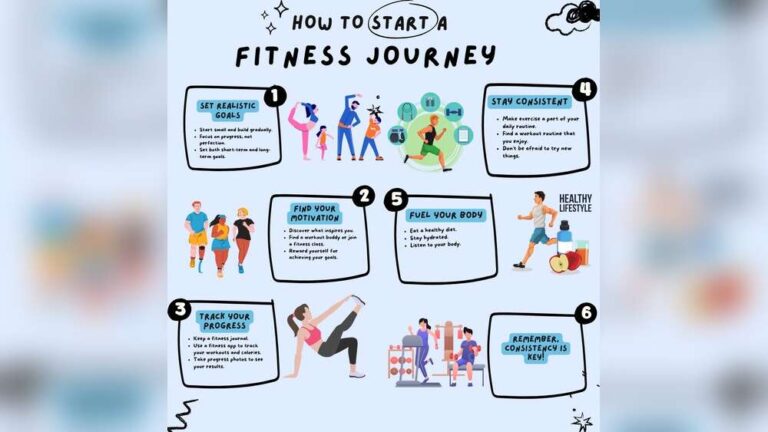
Setting realistic goals is key to starting fitness after a long break. It helps you stay focused and avoid frustration. Goals give your workouts a clear purpose. They keep you motivated as you see progress.
Start small. Choose goals that match your current fitness level. This way, you build confidence and reduce the chance of injury. Small wins lead to bigger achievements.
Define Clear And Simple Goals
Pick goals that are easy to understand and follow. For example, aim to walk 10 minutes a day or do 5 push-ups. Clear goals make it easier to track progress. You know exactly what to do each day.
Set Measurable Targets
Use numbers to measure your progress. Count the minutes you exercise or the number of repetitions you do. Measurable goals help you see how much you improve. This keeps you motivated to continue.
Break Goals Into Small Steps
Divide big goals into smaller parts. For instance, if you want to run 3 kilometers, start with 1 kilometer. Small steps make the journey less scary. They also help you build good habits gradually.
Give Yourself Time To Adapt
Allow your body to adjust to new activities. Do not rush progress. Set goals with enough time to reach them comfortably. Patience helps prevent injuries and burnout.
Choose Beginner-friendly Exercises
Starting fitness after a long break needs care and smart choices. Selecting exercises that suit beginners helps build strength safely. It reduces injury risk and makes exercise enjoyable. Focus on simple movements that your body can handle. Gradually increase time and effort as you get stronger. Here are some easy exercise types to start with.
Low-impact Cardio
Low-impact cardio keeps your heart healthy without stress. Activities like walking, swimming, or cycling are gentle on joints. They improve stamina and burn calories steadily. Begin with short sessions, about 10 to 15 minutes. Increase time as your body adapts. These exercises help you stay active without pain.
Strength Training Basics
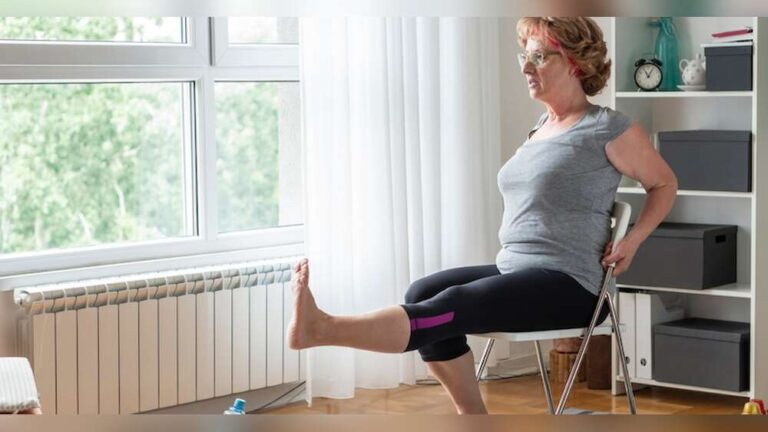
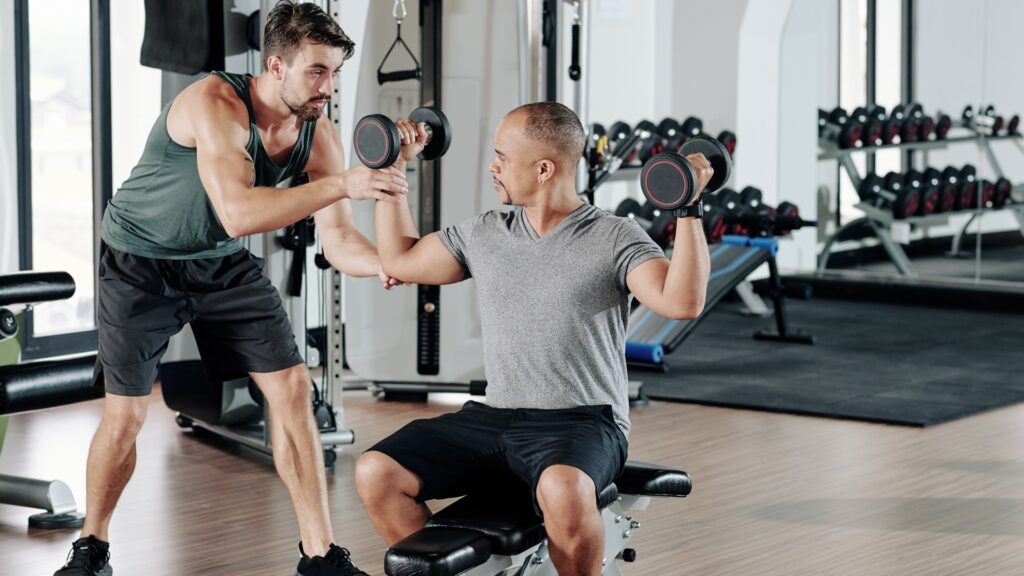
Strength training builds muscle and supports bones. Use light weights or bodyweight exercises like squats and wall push-ups. Start with few repetitions to avoid strain. Focus on correct form to prevent injuries. Strength work also improves balance and daily movement ease. Do strength sessions two times a week for best results.
Flexibility And Mobility
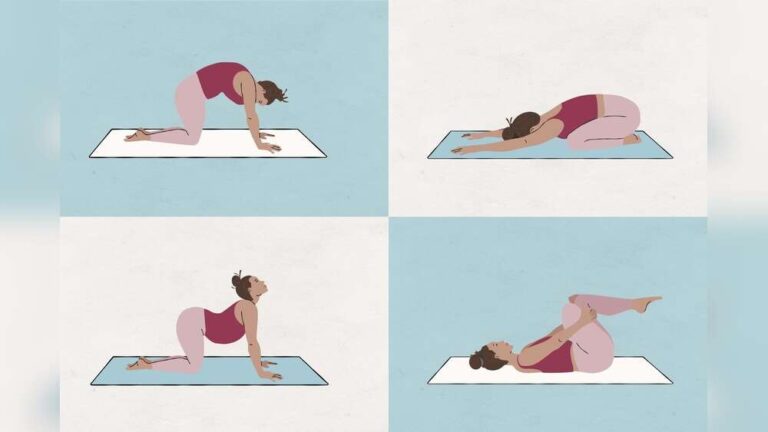
Flexibility exercises keep muscles loose and joints moving well. Gentle stretches and yoga poses improve range of motion. Mobility work helps you move better and reduces stiffness. Spend time stretching after cardio or strength workouts. This helps your body recover and feel good. Keep stretches easy and do not push too hard.
Create A Simple Workout Schedule
Creating a simple workout schedule helps start fitness after a long break. It builds habit and keeps you motivated. A clear plan stops confusion and makes exercise easier.
Start with small, easy sessions. Gradually increase time and intensity. Consistency matters more than intensity at first.
Choose goals that match your current fitness. Avoid aiming too high too fast. Simple goals like walking 10 minutes daily work well.
Choose Workout Days
Pick specific days for exercise. Two to three days a week is a good start. Space them out to allow rest and recovery.
Plan Short Sessions
Keep workouts short at first. Ten to fifteen minutes is enough. Short sessions reduce stress and help build routine.
Include Warm-up And Cool-down
Start each workout with light warm-up. End with stretching to cool down. This prevents injury and eases muscle soreness.
Incorporate Warm-ups And Cool-downs
Starting fitness after a long break needs care. Warm-ups and cool-downs help your body adjust. They lower injury risk and improve recovery. These steps prepare muscles and heart for exercise. They also help bring your body back to rest.
What Is A Warm-up?
A warm-up is light activity before exercise. It raises your heart rate slowly. It loosens your muscles and joints. This step makes moving easier and safer. A good warm-up lasts about 5 to 10 minutes.
Simple Warm-up Exercises
Start with walking or slow jogging. Try arm circles and leg swings. These moves wake up your muscles gently. Stretching after moving is also useful. It helps improve your range of motion.
Why Cool-downs Matter
Cooling down helps your heart slow down gradually. It prevents blood from pooling in your legs. Cooling down reduces muscle stiffness and soreness. It also helps clear waste from muscles. Spend 5 to 10 minutes cooling down after exercise.
Easy Cool-down Techniques
Walk slowly and breathe deeply. Stretch major muscle groups you used. Hold stretches for 15 to 30 seconds. Focus on relaxing your body and mind. This helps your body return to normal.
Focus On Proper Nutrition
Starting fitness after a long break needs more than just exercise. Proper nutrition plays a big role in your progress. Eating the right foods helps your body recover and grow stronger. It gives you energy for workouts and supports muscle repair. Good nutrition also keeps your mind clear and focused.
Focus on what you eat to support your new fitness routine. Small changes in your diet can make a big difference. Drinking enough water and choosing balanced meals can boost your energy and endurance.
Hydration Tips
Water is essential for your body to work well during exercise. Drink water before, during, and after workouts. Aim for at least 8 glasses of water daily. Avoid sugary drinks and sodas that can cause dehydration. Carry a water bottle with you to stay hydrated all day. Proper hydration helps you feel less tired and improves muscle function.
Balanced Meals For Energy
Choose meals that include protein, healthy fats, and carbohydrates. Protein helps repair muscles and build strength. Good sources are chicken, fish, eggs, beans, and nuts. Carbohydrates give your body quick energy. Opt for whole grains, fruits, and vegetables. Healthy fats support brain health and reduce inflammation. Include foods like avocados, olive oil, and seeds. Eating balanced meals keeps your energy steady throughout the day.
Track Your Progress
Tracking your progress helps you stay motivated and see real change. It shows how far you have come and what to improve next. This practice makes your fitness journey clear and focused.
Recording small wins boosts confidence. It also helps you spot patterns in your workouts and rest days. Tracking keeps your goals visible and your efforts on track.
Set Clear And Simple Goals
Start with easy goals you can measure. Write down what you want to achieve each week. Clear goals guide your workouts and give you a target to reach.
Use A Fitness Journal Or App
Choose a journal or app to log your exercises. Note time, reps, or distance every session. This record helps you see progress over days and weeks.
Take Photos And Measurements
Photos show your body changes. Measurements track size differences. These tools give proof of progress beyond just the scale.
Review Your Progress Weekly
Look at your records every week. Check what worked and what needs change. Adjust your plan based on this review to stay on course.

Credit: www.youtube.com
Stay Motivated And Consistent
Starting fitness after a long break can feel tough. Staying motivated and consistent is key. Small steps help build strong habits. Keep your focus clear and your goals simple. Consistency beats intensity in the early days. Motivation can rise and fall, but steady effort wins.
Find Support Systems
Support makes a big difference. Friends, family, or workout groups can keep you going. Share your goals with someone you trust. Join local classes or online communities. Encouragement helps on hard days. A workout buddy can make exercise fun. Accountability pushes you to stay on track.
Celebrate Small Wins
Every step forward deserves praise. Celebrate finishing your first workout or walking an extra block. Small victories build confidence and joy. Tracking progress shows how far you have come. Rewards can be simple, like a healthy treat or rest day. Positive feelings help keep motivation alive.
Listen To Your Body
Starting fitness after a long break can feel hard. Your body needs time to adjust. Listening to your body helps you avoid injury and stay motivated. It tells you when to push and when to rest. Paying attention to these signals makes your fitness journey safer and more effective.
Recognize Your Limits
Do not rush into intense workouts. Your muscles and joints may be weak. Start with light exercises and see how you feel. Stop if you feel sharp pain or extreme tiredness. Respecting your limits prevents injuries and burnout.
Notice How You Feel After Exercise
Some soreness is normal after activity. But pain that lasts more than two days is a warning. Your body needs more recovery time. Adjust your workout intensity based on how you feel afterward. This helps your body heal and grow stronger.
Rest Is Part Of Training
Rest days are important for progress. Your body repairs muscles and builds strength during rest. Do not skip rest because of guilt. Ignoring rest leads to overtraining and injury. Listen to your body’s need for breaks.
Adjust Workouts Based On Energy Levels
Energy changes daily. Some days you feel strong; others, tired. Choose easier workouts on low-energy days. On good days, try harder sessions. This balance helps keep you consistent and reduces stress on the body.
Use Breathing As A Guide
Breathing rate shows how hard you work. If you cannot speak during exercise, slow down. Deep, steady breaths mean you are at a safe pace. Breathing helps you stay within your limits and avoid strain.
Credit: howdyhealth.tamu.edu
Frequently Asked Questions
How Do I Begin Fitness After Long Inactivity?
Start with light exercises like walking or stretching. Gradually increase intensity and duration to avoid injury. Consistency is key for rebuilding strength and stamina.
What Are The Best Workouts After A Fitness Break?
Focus on low-impact workouts such as yoga, swimming, or cycling. These improve flexibility and cardiovascular health without stressing joints.
How Can I Stay Motivated When Restarting Fitness?
Set small, achievable goals and track progress. Join a workout group or find a fitness buddy for support and accountability.
How Often Should I Exercise After Inactivity?
Aim for 3-4 days a week initially. Allow rest days for recovery to prevent burnout and injuries.
Conclusion
Starting fitness after a long break takes patience and care. Begin with small steps and simple exercises. Listen to your body and rest when needed. Consistency matters more than intensity at first. Celebrate every bit of progress you make. Over time, your strength and energy will grow.
Keep your goals clear and stay motivated. Fitness can become a part of your daily life. Enjoy the journey and stay positive. Small efforts lead to big changes.

Brandon Knoxley is a sport & fitness writer and training guide contributor at MySportFitHub. He focuses on practical workouts, performance-based training, and honest fitness gear insights designed for real people and real results. Brandon is passionate about helping beginners and active individuals train smarter, avoid common mistakes, and build sustainable fitness habits.