How to Start Fitness Training at Any Age: Ultimate Beginner’s Guide
Are you ready to feel stronger, healthier, and more energized? It doesn’t matter if you’re 20, 40, or 60—starting fitness training can transform your life right now.
You might think it’s too late or too hard to begin, but the truth is, your body is ready for change at any age. This guide will show you simple, effective steps to get moving and stay motivated. Keep reading, and discover how easy it is to take control of your fitness—no matter where you are in life.
Your best self is waiting.
Benefits Of Fitness Training
Starting fitness training offers many benefits that improve life quality. It helps the body, mind, and overall health. Anyone can gain from regular exercise, no matter the age or fitness level.
Fitness training builds strength, energy, and endurance. It also supports mental health and helps manage aging effects. Let’s explore these key benefits.
Physical Health Improvements
Exercise strengthens muscles and bones. It improves heart and lung function. Regular activity helps control weight and lowers disease risk. Fitness training boosts energy and reduces fatigue. It also improves balance and flexibility. This lowers the chance of falls and injuries.
Mental Well-being Boosts
Exercise reduces stress and anxiety. It lifts mood and promotes better sleep. Physical activity triggers the release of natural feel-good chemicals. This helps fight depression and improve focus. Training also builds self-confidence and mental strength.
Age-related Advantages
Fitness helps slow down aging effects. It keeps joints mobile and muscles strong. Exercise supports brain health and memory. It lowers the risk of chronic diseases like diabetes. Training improves independence and daily life quality. It helps maintain a healthy, active lifestyle at any age.
Assessing Your Fitness Level
Assessing your fitness level is the first step to start training safely and effectively. It helps you understand your current health and physical abilities. This knowledge guides you to choose the right exercises and avoid injuries. Take time to evaluate yourself honestly. Your fitness journey will be better with a clear starting point.
Self-evaluation Techniques
Check your strength, flexibility, and endurance at home. Try simple tests like how many push-ups or sit-ups you can do. Measure how far you can walk or jog without stopping. Notice if you feel pain or discomfort during these activities. Write down your results to track progress later.
Medical Checkups And Precautions
Visit your doctor before starting any fitness plan. A medical checkup ensures you are healthy enough for exercise. Discuss any health issues or medications you take. Your doctor can suggest safe activities and warning signs to watch for. This step reduces risks and builds confidence.
Setting Realistic Goals
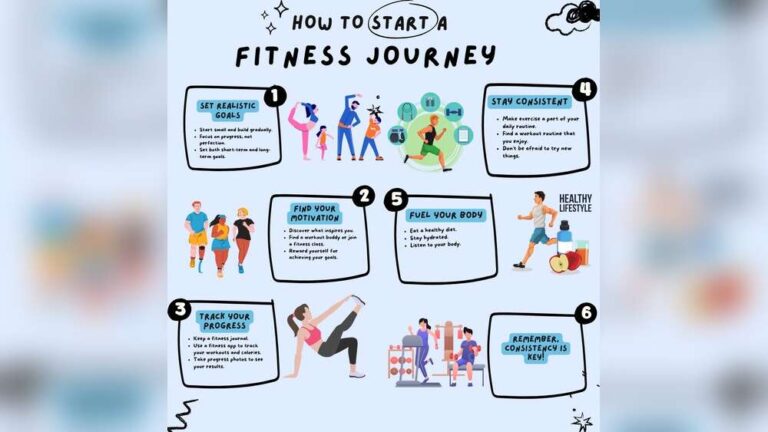
Set clear and achievable goals based on your fitness level. Small goals keep you motivated and focused. For example, aim to walk 10 minutes daily or do stretching exercises three times a week. Adjust goals as you improve. Celebrate progress, no matter how small.
Choosing The Right Exercise
Choosing the right exercise is key to starting fitness training at any age. The best exercises match your body’s needs and your personal goals. Picking activities you enjoy makes it easier to stay active over time. Different exercises focus on various parts of fitness. These include cardio, strength, and flexibility. Each type helps your body in unique ways.
Cardio Workouts
Cardio workouts improve heart and lung health. These exercises boost stamina and burn calories. Walking, jogging, cycling, and swimming are common cardio activities. Start slow and increase intensity as you build endurance. Cardio helps control weight and raises energy levels. Choose exercises that feel good and fit your routine.
Strength Training
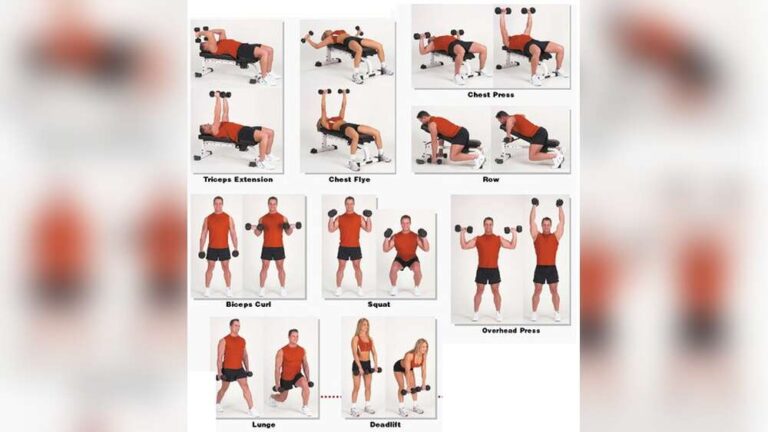
Strength training builds muscle and strengthens bones. It helps with daily tasks and prevents injuries. Use light weights, resistance bands, or bodyweight exercises. Focus on major muscle groups like legs, arms, and back. Keep movements slow and controlled. Strength training also improves metabolism and balance.
Flexibility And Balance Exercises
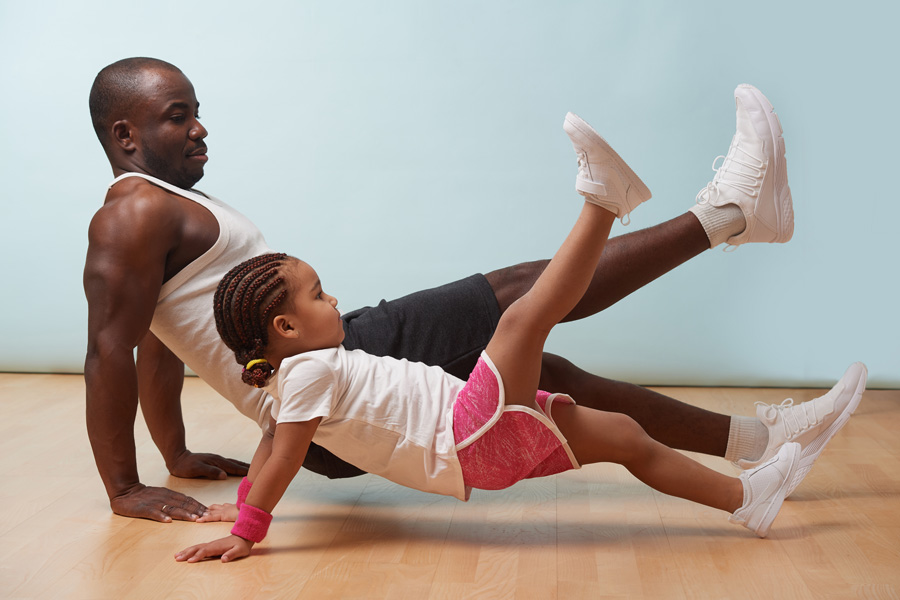
Flexibility exercises keep your muscles soft and joints healthy. Stretching and yoga are great ways to improve flexibility. Balance exercises reduce the risk of falls. Try standing on one foot or using a balance board. These exercises increase body awareness and coordination. They also support all other types of fitness activities.
Credit: junkyardtraining.net
Creating A Workout Plan
Creating a workout plan is the first step to start fitness training at any age. A good plan sets clear goals and keeps you motivated. It helps you exercise safely and avoid injury. Planning also makes your progress steady and real.
Frequency And Duration
Decide how many days you will work out each week. Start with 2 or 3 days if new to exercise. Each session should last 20 to 40 minutes. Short and regular workouts work better than long and rare ones. This builds a habit and keeps your body active.
Progressive Intensity
Begin with easy exercises that match your fitness level. Gradually increase the difficulty or time every week. This helps your body get stronger without strain. Add more weight, more reps, or longer time slowly. Small steps protect your muscles and joints.
Rest And Recovery
Rest days are important to heal and grow stronger. Avoid exercising the same muscle groups two days in a row. Take at least one or two rest days each week. Sleep well and drink water to help your body recover. Rest keeps you fresh and ready for the next workout.
Nutrition For Fitness Beginners
Starting fitness training means paying close attention to nutrition. Good food fuels your body and helps build strength. Eating right supports energy and speeds up recovery. Nutrition matters at every age, especially for beginners.
Focus on foods that give steady energy. Avoid heavy meals before workouts. Drinking enough water keeps your body working well. Small changes in diet can make a big difference.
Balanced Diet Essentials
A balanced diet includes proteins, carbs, and fats. Proteins help muscles grow and repair. Carbohydrates provide energy for exercise and daily activities. Healthy fats protect your heart and support brain function.
Eat fruits and vegetables for vitamins and minerals. Whole grains offer fiber and keep digestion smooth. Try to include a variety of foods in each meal. This helps cover all nutrient needs.
Hydration Tips
Water is key for fitness success. Drink water before, during, and after workouts. Staying hydrated improves focus and reduces tiredness. Avoid sugary drinks that add empty calories.
Carry a water bottle to remind yourself to drink often. Listen to your body’s thirst signals. Proper hydration helps muscles work better and prevents cramps.
Supplements To Consider
Supplements can support nutrition but are not always necessary. Protein powders help meet daily protein goals. Vitamin D supports bone health and immune function.
Consult a doctor before starting any supplement. Focus on food first, then add supplements if needed. Quality and safety matter most when choosing products.

Credit: www.womenshealthmag.com
Staying Motivated
Starting fitness training at any age is exciting but staying motivated can be hard. Motivation helps you keep going, even on tough days. It pushes you to reach your goals and enjoy the process. Small habits and clear goals make a big difference. Let’s explore ways to stay motivated throughout your fitness journey.
Tracking Progress
Tracking your progress shows how far you have come. Use a journal or app to record workouts and feelings. Seeing improvements, like more strength or better stamina, keeps motivation high. Celebrate small wins. They build confidence and encourage you to continue. Progress is proof that your hard work matters.
Finding Support Systems
Support from friends or family makes fitness fun and easier. Join a class or group with similar goals. Sharing your journey helps you stay accountable. Encouragement from others lifts your spirits on slow days. Talking about challenges and successes creates a positive circle. Support keeps you connected and motivated.
Overcoming Common Challenges
Challenges like fatigue, busy schedules, or slow results can stop you. Plan workouts at times that suit your day. Rest when needed to avoid burnout. Change exercises to keep things fresh and interesting. Remind yourself why you started. Focus on health and happiness, not just numbers. Challenges are part of growth, not failure.
Safety Tips For All Ages
Starting fitness training at any age requires attention to safety. Safe training helps avoid injuries and keeps you motivated. Follow these tips to protect your body and enjoy your workouts.
Proper Warm-up And Cool-down
Begin each session with a warm-up. Warm muscles perform better and reduce injury risk. Gentle stretching and light cardio prepare your body for exercise.
After training, cool down with slow movements and stretching. This helps your muscles relax and prevents stiffness.
Avoiding Injuries
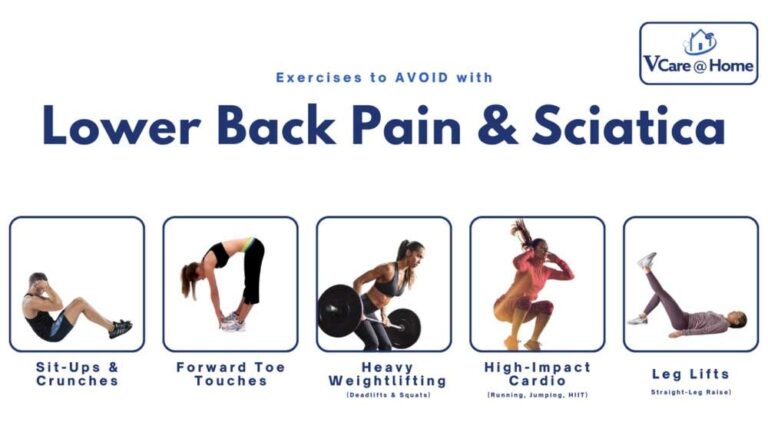
Use correct form during all exercises. Poor technique causes strains and sprains. Start with lighter weights or easier moves. Gradually increase intensity to build strength safely.
Wear proper shoes and comfortable clothes. Stay hydrated and rest between workouts. Avoid pushing too hard or exercising through pain.
Listening To Your Body
Pay attention to how your body feels during exercise. Stop if you feel sharp pain or dizziness. Mild soreness is normal but sharp pain is not.
Rest when tired or sore. Recovery is essential to improve fitness. Adjust workouts to match your energy and health each day.
Adapting Training With Age
As we age, our bodies change. These changes affect how we train and exercise. Adapting fitness routines helps stay active and avoid injuries. It makes training safer and more effective at any age.
Modifying Exercises
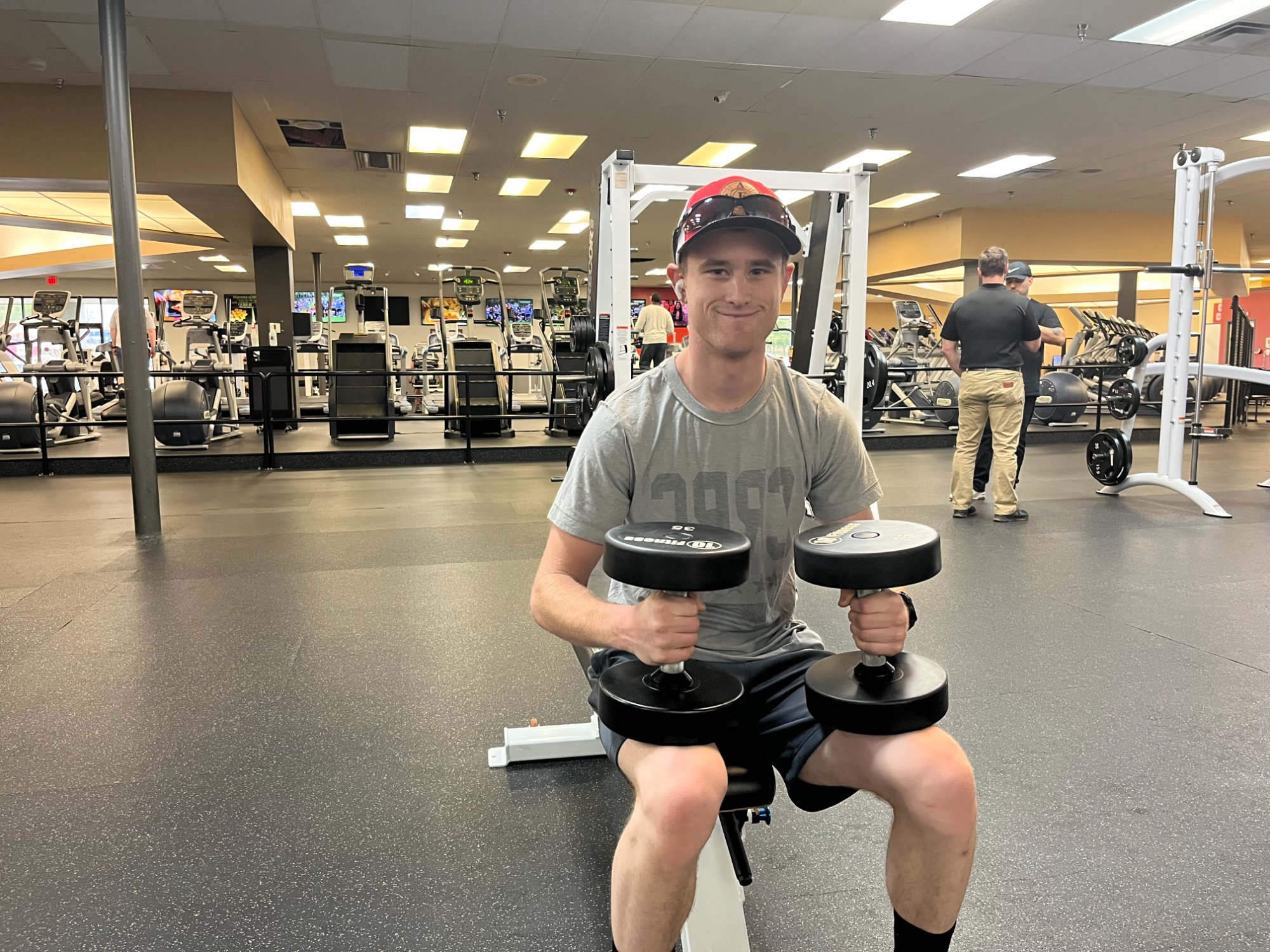
Choose exercises that suit your current strength and flexibility. Lower impact moves reduce stress on joints. Use lighter weights or resistance bands for strength training. Slow down movements to maintain control. Avoid exercises that cause pain or discomfort.
Focusing On Mobility
Include stretching and range-of-motion exercises daily. Mobility helps maintain joint health and reduces stiffness. Gentle yoga or tai chi can improve flexibility. Better mobility supports balance and prevents falls. Small, consistent efforts lead to big improvements.
Monitoring Health Changes
Check your body’s signals during and after exercise. Watch for unusual pain, dizziness, or fatigue. Regular health check-ups are important. Adjust workouts based on medical advice. Staying aware keeps training safe and effective.
Credit: 10fitness.com
Frequently Asked Questions
How Can Beginners Start Fitness Training Safely?
Start with low-impact exercises like walking or stretching. Gradually increase intensity to avoid injury. Consult a doctor if needed.
What Are The Best Exercises For Older Adults?
Focus on strength, balance, and flexibility exercises. Examples include resistance training, yoga, and swimming. These improve mobility and prevent falls.
How Often Should I Exercise At Any Age?
Aim for at least 150 minutes of moderate exercise weekly. Spread sessions over several days for consistent benefits and recovery.
Can Fitness Training Improve Mental Health?
Yes, regular exercise releases endorphins that reduce stress and anxiety. It also improves sleep and boosts overall mood.
Conclusion
Starting fitness training is possible at any age. Small steps build strong habits. Consistency matters more than speed or strength. Choose exercises that feel good and safe. Enjoy the process and celebrate progress. Your body will thank you with better health.
Age is just a number, not a limit. Keep moving and stay positive every day. Fitness is for everyone, no matter the years. Begin today and feel the difference tomorrow.
Brandon Knoxley is a sport & fitness writer and training guide contributor at MySportFitHub. He focuses on practical workouts, performance-based training, and honest fitness gear insights designed for real people and real results. Brandon is passionate about helping beginners and active individuals train smarter, avoid common mistakes, and build sustainable fitness habits.