How to Stay Injury Free While Training: Essential Tips for Safety
Injuries can stop your progress and leave you frustrated. But what if you could train smarter and keep your body safe at the same time?
Knowing how to stay injury free while training isn’t just about avoiding pain—it’s about unlocking your full potential. You’ll discover simple, effective tips that protect your muscles and joints, so you can keep pushing forward without setbacks. Ready to train harder and safer?
Let’s dive in.

Credit: www.jjkeller.com
Warm Up And Cool Down
Warming up and cooling down are key steps in any training session. They prepare your body for exercise and help it recover afterward. Skipping these steps can lead to injuries and slow recovery. Proper warm up and cool down improve flexibility, blood flow, and muscle function. This section explains simple ways to warm up and cool down safely.
Dynamic Stretching Techniques
Dynamic stretching uses movement to warm muscles. It increases blood flow and loosens joints. Examples include leg swings, arm circles, and walking lunges. These stretches prepare the body for activity. Avoid static stretching before training because it can reduce muscle strength.
Importance Of Gradual Warm Up
Start your warm up slowly. Begin with light cardio like walking or easy jogging. Gradually increase speed and intensity. This helps raise your heart rate and body temperature. A gradual warm up reduces the risk of muscle tears and strains. It makes your body ready for harder exercises.
Effective Cool Down Practices
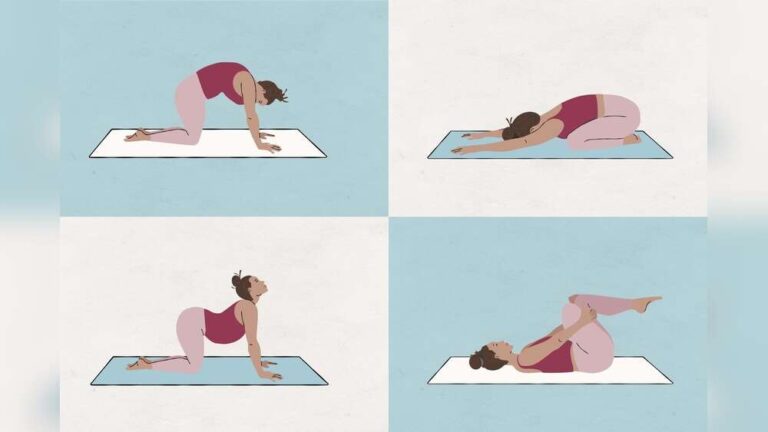
After training, slow your pace. Walk or do gentle movements for 5 to 10 minutes. This lowers your heart rate safely. Follow with light static stretching to relax muscles. Stretch major muscle groups used during exercise. Cool down helps remove waste products from muscles and reduces stiffness.

Credit: www.delawarefitfactory.com
Proper Technique
Proper technique is the foundation of safe and effective training. It helps prevent injuries by ensuring your body moves correctly. Good technique also improves performance and builds strength evenly. Focusing on how you move during exercises reduces stress on joints and muscles. This section covers key points about maintaining proper technique.
Maintaining Correct Form
Always start with a comfortable stance. Keep your back straight and shoulders relaxed. Align your knees with your toes during squats or lunges. Control your movements, avoid sudden jerks or twists. Use a slow and steady pace to keep balance. Breath steadily and avoid holding your breath. Proper form protects your body from strain and injury.
Common Technique Mistakes
Many people let their knees collapse inward. This puts stress on the joints and can cause pain. Rounding the back during lifts is another common error. It increases risk of back injury. Avoid locking your elbows or knees at the top of movements. Lifting too heavy too fast often leads to poor form. Focus on quality, not just quantity or weight.
Using Mirrors And Feedback
Mirrors help you see your form clearly. Check your posture and alignment during exercises. Ask a trainer or friend to watch you and give tips. Video recordings also work well for self-review. Feedback helps you spot mistakes early. Correcting errors improves safety and results. Use all tools available to keep your technique sharp.
Equipment And Gear
Proper equipment and gear play a big role in staying injury free during training. Wearing the right items helps protect your body and improve your performance. Using poor or worn-out gear can cause pain and injuries.
Choosing good equipment reduces the risk of accidents. It also makes training more comfortable and effective. Understanding what gear you need and how to use it is key to safe workouts.
Choosing The Right Footwear
Footwear is the foundation of safe training. Shoes must fit well and match your exercise type. Running shoes differ from weightlifting shoes in support and cushioning.
Check shoe soles for grip and wear. Replace shoes every few months or after heavy use. Proper shoes reduce strain on feet and joints.
Protective Gear Essentials
Some sports need extra protection. Helmets, knee pads, wrist guards, and mouthguards keep you safe. Choose gear that fits snugly without causing discomfort.
Wearing protective gear lowers injury chances. It shields vulnerable parts from impacts and falls. Never skip using necessary protection during training.
Maintaining Your Equipment
Keep gear clean and in good condition. Dirt or damage can weaken equipment and cause failure. Inspect shoes, pads, and straps regularly for signs of wear.
Replace or repair broken gear immediately. Proper maintenance extends equipment life and protects your health. Safe, well-kept gear supports safe training sessions.
Listen To Your Body
Listening to your body is key to staying injury free during training. Your body sends signals when something is wrong. Paying attention helps you avoid serious harm. It allows you to adjust your workouts and recover properly. This habit keeps your training safe and effective.
Recognizing Early Signs Of Injury
Notice any pain or discomfort during exercises. Sharp or persistent pain is a warning sign. Swelling, redness, or stiffness may also appear. These signs mean your body needs a break. Ignoring them can lead to worse injuries. Stop training if you feel unusual pain.
Rest And Recovery Importance
Rest days help muscles heal and grow stronger. Recovery improves performance and reduces injury risk. Sleep is vital for repair and energy. Overtraining without rest can cause fatigue and damage. Listen to your body and take breaks as needed.
When To Seek Medical Advice
See a doctor if pain lasts more than a few days. Severe pain, swelling, or loss of movement needs prompt care. Professional help prevents small problems from worsening. Early treatment speeds up healing and gets you back to training safely.
Training Plan Design
Designing a training plan is key to staying injury free. A well-structured plan balances hard work and rest. It helps your body adapt without breaking down. Careful planning reduces the risk of overtraining and strain. Each part of your plan should support recovery and growth. Focus on smart design to keep training safe and effective.
Balancing Intensity And Volume
Intensity means how hard you train. Volume means how much work you do. Both affect your body differently. High intensity with high volume can cause injuries fast. Balance tough workouts with easier sessions. Change intensity and volume to avoid overload. This balance helps muscles recover and grow strong.
Incorporating Rest Days
Rest days let your body heal. Muscles rebuild and get stronger during rest. Skipping rest increases injury risk. Plan regular rest days in your schedule. Use these days for light activity or complete rest. Rest helps prevent fatigue and overuse injuries.
Progressive Overload Strategies
Progressive overload means increasing your training little by little. Add more weight, reps, or time gradually. Sudden jumps can cause injury. Small steps give your body time to adjust. Track progress to avoid pushing too hard too fast.
Nutrition And Hydration
Good nutrition and hydration are key to staying injury free during training. They help the body recover and perform well. Eating the right foods and drinking enough fluids keep muscles strong and joints healthy. Without proper fuel and water, the risk of injury increases. Understanding how to eat and drink for your workouts can make a big difference.
Fueling For Performance
Your body needs energy to train hard and avoid injury. Carbohydrates provide quick energy for your muscles. Protein helps repair muscle tissue after exercise. Healthy fats support long-term energy and joint health. Plan meals with a balance of these nutrients. Eat a small meal or snack 1-2 hours before training. This keeps energy steady and reduces muscle fatigue.
Staying Hydrated
Water is essential for every part of your body during training. It helps regulate body temperature and lubricates joints. Drink water before, during, and after workouts. Signs of dehydration include tiredness, dizziness, and muscle cramps. Avoid sugary drinks and caffeine as they can cause dehydration. Carry a water bottle and sip often to stay hydrated.
Supplements For Recovery
Supplements can support recovery but are not a replacement for food. Protein powders help rebuild muscles faster after exercise. Omega-3 fatty acids reduce inflammation and support joint health. Vitamins like C and D boost the immune system and bone strength. Talk to a healthcare provider before starting any supplement. Use supplements wisely to help the body heal and stay strong.
Environment Awareness
Being aware of your environment is key to staying safe during training. It helps prevent injuries by avoiding risks around you. Paying attention to your surroundings makes workouts smoother and safer.
Safe Training Spaces
Choose places with even surfaces and good lighting. Clear spaces reduce tripping and falling risks. Use gyms or parks designed for exercise. Avoid cluttered or slippery areas that can cause accidents.
Weather Considerations
Check the weather before training outdoors. Hot days can cause dehydration and heatstroke. Cold weather may lead to stiff muscles and cramps. Dress properly for the weather to stay comfortable and safe.
Avoiding Hazardous Conditions
Stay away from wet, icy, or uneven grounds. These conditions increase chances of slipping or falling. Watch for traffic if training near roads. Avoid busy streets or areas with poor visibility.

Credit: sprintrehab.com
Frequently Asked Questions
How Can Warm-ups Prevent Training Injuries?
Warm-ups increase blood flow and muscle flexibility. This reduces muscle stiffness and risk of strains. Always spend 5-10 minutes warming up before training.
What Role Does Proper Technique Play In Injury Prevention?
Using correct technique minimizes stress on joints and muscles. It ensures efficient movement and lowers injury chances. Learn and practice proper form consistently.
How Important Is Rest In Staying Injury Free?
Rest allows muscles to recover and repair. Overtraining without rest increases fatigue and injury risk. Schedule rest days and avoid excessive workout intensity.
Can Stretching Reduce Injury Risk During Training?
Stretching improves flexibility and range of motion. It helps muscles handle stress better during exercise. Incorporate dynamic stretches before and static stretches after training.
Conclusion
Staying injury free needs care and smart choices. Warm up before every session. Use the right gear and shoes. Listen closely to your body’s signals. Rest is just as key as training. Keep your moves slow and steady. Avoid pushing too hard too fast.
Stretching helps keep muscles loose and strong. Drink water to stay hydrated. Small steps lead to big progress. Stay safe, enjoy training, and keep moving forward.

Brandon Knoxley is a sport & fitness writer and training guide contributor at MySportFitHub. He focuses on practical workouts, performance-based training, and honest fitness gear insights designed for real people and real results. Brandon is passionate about helping beginners and active individuals train smarter, avoid common mistakes, and build sustainable fitness habits.