How to Strengthen Core Muscles Safely: Expert Tips for Lasting Results
Are you ready to build a stronger, more stable core without risking injury? Your core muscles are the foundation for almost every movement you make—from bending and lifting to standing tall and balancing.
Strengthening them safely means better posture, less pain, and improved performance in daily life and workouts. But how do you do it right, avoiding common mistakes that can set you back? Keep reading, and you’ll discover simple, effective ways to protect your body while powering up your core.
Your journey to a safer, stronger midsection starts here.
Benefits Of A Strong Core
A strong core is more than just a flat stomach. It supports your entire body. Core muscles include the abs, back, and hips. Strengthening these muscles brings many benefits. These benefits improve daily life and physical activities.
Strong core muscles help your body work better. They protect your spine and keep your body stable. This makes movements easier and safer. Here are some key benefits of having a strong core.
Improved Posture And Balance
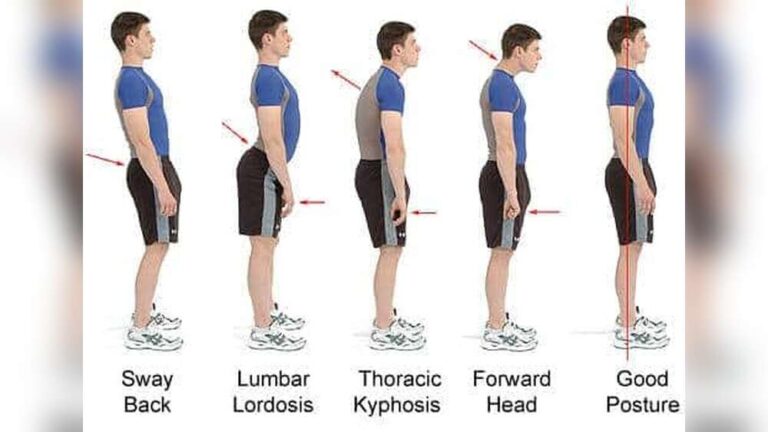
Core muscles keep your spine aligned. This improves your posture while sitting and standing. Good posture reduces back and neck pain. It also helps you look confident and healthy.
Balance depends on a strong core. It stabilizes your body during movement. This helps prevent falls and keeps you steady on your feet.
Enhanced Athletic Performance
A strong core boosts your power and speed. It helps with running, jumping, and lifting. Better core strength allows for smoother and more controlled movements.
Many sports require strong core muscles. They provide a solid base for all physical actions. This improves your overall athletic ability and endurance.
Reduced Risk Of Injury
Strong core muscles protect your spine and joints. They absorb shocks during physical activities. This lowers the chance of strains and sprains.
A solid core helps correct body alignment. This prevents overuse injuries and muscle imbalances. It keeps your body safe during exercise and daily tasks.
Core Anatomy Basics
The core is more than just your stomach muscles. It includes several key muscles that support your spine and pelvis. Understanding these muscles helps you strengthen your core safely and effectively.
Key Muscle Groups
The main core muscles include the rectus abdominis, the muscles you see as “abs.” The transverse abdominis lies deep and acts like a natural corset. The obliques run along the sides and help with twisting motions. The erector spinae muscles run along your spine and help you stand tall. The pelvic floor muscles support your organs and help with stability.
How Core Muscles Work Together
Core muscles work as a team to stabilize your body. They keep your spine in the correct position during movement. When you bend, twist, or lift, these muscles contract together. This teamwork protects your back from injury. Strengthening all core muscles equally improves balance and posture.
Common Core Training Mistakes
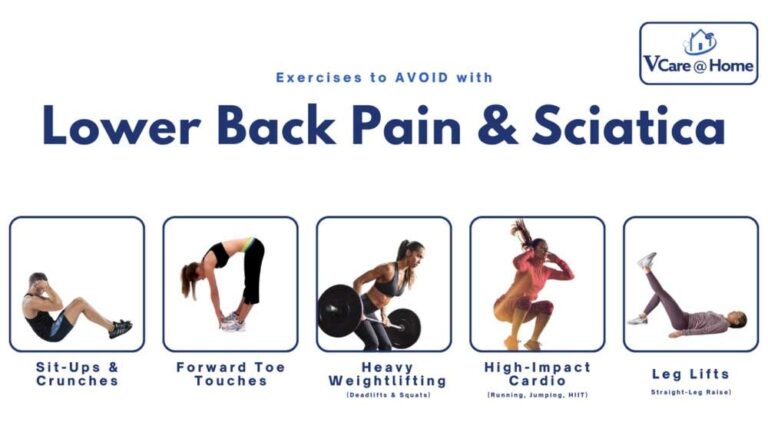
Strengthening core muscles improves balance and supports your spine. Many people make mistakes during core training. These errors can cause pain or injury. Avoiding common mistakes helps you train safely and effectively.
Overtraining And Muscle Imbalance
Training your core too much can cause fatigue and injury. Muscles need time to rest and recover. Overtraining increases the risk of strains and soreness. Focusing only on certain muscles leads to imbalance. Balanced training targets all core areas equally. This prevents poor posture and reduces injury risks.
Poor Form And Technique
Using the wrong form reduces exercise benefits. It can also cause muscle strain and joint pain. Slow, controlled movements improve safety and results. Avoid rushing through exercises. Keep your spine neutral and engage your core properly. Proper technique protects your back and neck.
Neglecting Breathing
Breathing supports core muscle work. Holding your breath increases tension and fatigue. Exhale during exertion to engage muscles fully. Inhale during relaxation phases to maintain oxygen flow. Proper breathing improves endurance and reduces dizziness. It helps you stay focused and steady.
Credit: knocked-upfitness.com
Safe Core Strengthening Exercises
Safe core strengthening exercises build muscle without strain or injury. These exercises focus on control and proper form. They help improve balance, posture, and overall strength. Start with simple movements and increase difficulty slowly.
Practice these exercises regularly for the best results. They target different core muscles, including abs, lower back, and hips. A strong core supports daily activities and reduces back pain risk.
Planks And Variations
Planks engage the entire core by holding a straight body position. Keep your elbows under your shoulders and your back flat. Hold the position for 20 to 30 seconds to start. Try side planks to target obliques. Avoid sagging hips or raised buttocks. Focus on steady breathing during the hold.
Bridges And Hip Raises
Bridges strengthen the lower back and glutes. Lie on your back with knees bent and feet flat. Lift hips slowly until your body forms a straight line. Hold for a few seconds, then lower down. Keep your core tight to avoid arching your back. Repeat 10 to 15 times for best effect.
Bird-dog And Dead Bug Moves
Bird-dog improves balance and targets deep core muscles. Start on hands and knees, extend one arm and opposite leg. Hold briefly, then switch sides. Dead bug is done lying on your back. Lift arms and legs, lower one arm and opposite leg slowly. Keep your lower back pressed to the floor. Both moves promote coordination and core stability.
Progressing Your Core Workouts
Progressing your core workouts is essential to build strength safely. It helps avoid injuries and keeps your muscles challenged. Gradual progress ensures your body adapts well over time. This section explains key ways to increase your core workout effectiveness.
Increasing Intensity Gradually
Start with easier exercises. Add more reps or sets slowly. Use longer hold times for planks and bridges. Avoid sudden jumps in difficulty. This approach protects your muscles and joints. It helps you build endurance steadily.
Incorporating Stability Tools
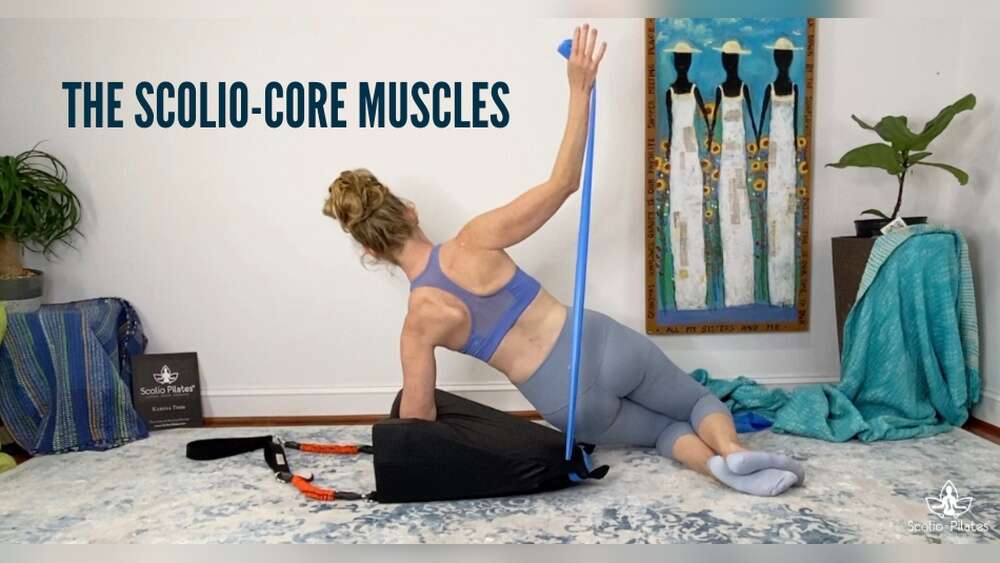
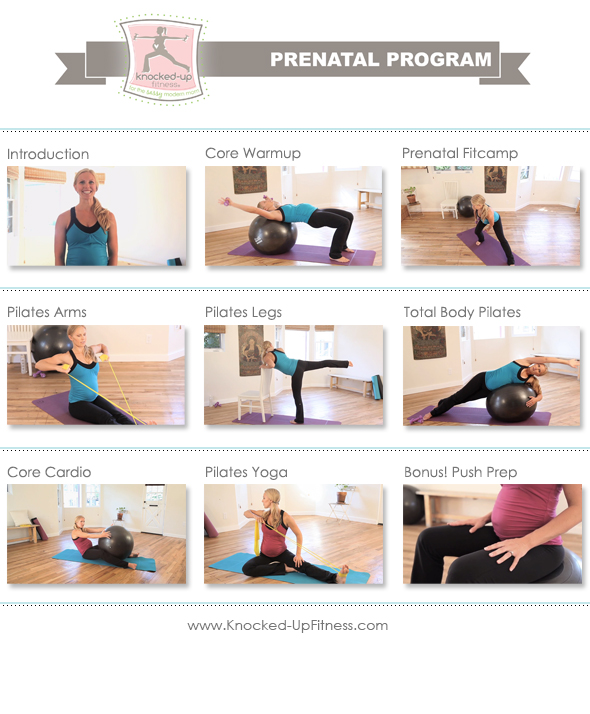
Use tools like stability balls or balance boards. They make exercises harder by forcing your core to work more. These tools improve your balance and coordination. Begin with simple moves on the tools. Increase challenge as you gain confidence.
Adding Functional Movements
Include exercises that mimic daily activities. Twisting, bending, and reaching engage core muscles naturally. Functional moves enhance your strength for everyday tasks. Use light weights or body weight for safety. Progress by increasing range and resistance carefully.

Credit: www.youtube.com
Recovery And Injury Prevention
Recovery and injury prevention are key to building core strength safely. Without proper care, muscles can become sore or injured. Taking time to recover helps muscles grow stronger. It also reduces the risk of pain and setbacks. Focus on gentle movements and rest to protect your body.
Stretching And Mobility
Stretching keeps your core muscles flexible and healthy. Try simple stretches after your workout. Move slowly and gently to avoid strain. Stretching improves blood flow and reduces tightness. This helps your muscles recover faster and stay strong.
Rest And Muscle Recovery
Rest days are important for your core muscles. They need time to heal after exercise. Avoid working the same muscles every day. Sleep well to support muscle repair and energy. Proper rest helps prevent injuries and boosts your progress.
Listening To Your Body
Pay attention to how your body feels during exercise. Stop if you feel sharp pain or discomfort. Mild soreness is normal, but severe pain is a warning. Adjust exercises to your comfort level. Rest more if your body signals fatigue or strain.
Nutrition Tips For Core Strength
Nutrition plays a key role in building strong core muscles. Eating the right foods helps muscles repair and grow. It also supports energy levels for workouts. Proper nutrition boosts strength and endurance over time.
Fueling Muscle Growth
Proteins are the building blocks of muscle. Include lean meats, beans, and dairy in your meals. They help repair muscle tissue after exercise. Carbohydrates provide energy to fuel workouts. Choose whole grains, fruits, and vegetables. Healthy fats support hormone production and overall health. Nuts, seeds, and fish are good sources.
Hydration And Recovery
Water is essential for muscle function. Drink plenty of fluids before, during, and after exercise. Staying hydrated helps prevent cramps and fatigue. It also aids nutrient delivery to muscles. After workouts, refuel with a balanced meal and water. This supports faster recovery and reduces soreness.
Tracking Progress And Staying Motivated
Tracking your progress helps keep your core workouts on track. It shows your improvements and highlights areas to work on. Staying motivated becomes easier when you see real results. This section explores simple ways to track progress and stay inspired.
Setting Realistic Goals
Set clear and simple goals for your core training. Small goals are easier to achieve and maintain. For example, aim to hold a plank for 30 seconds first. Gradually increase time or reps as you get stronger. Realistic goals prevent frustration and build confidence.
Using Workout Logs
Write down your exercises, sets, and reps after each workout. A workout log helps you remember what you did before. It also tracks your progress over weeks and months. Seeing steady improvements in writing boosts motivation. Use a notebook or a mobile app for convenience.
Celebrating Milestones
Recognize and celebrate your achievements, no matter how small. Completing a week of workouts or increasing plank time deserves praise. Celebrations keep your mind positive and focused. Reward yourself with rest days or a healthy treat. This keeps your core training fun and rewarding.

Credit: fitasamamabear.com
Frequently Asked Questions
What Are The Safest Core Exercises For Beginners?
Safe core exercises for beginners include planks, bird-dogs, and pelvic tilts. These moves reduce injury risk and build strength gradually. Focus on proper form and controlled breathing. Start with short sessions and increase intensity slowly for best results.
How Often Should I Train My Core Muscles?
Training core muscles 3 to 4 times a week is ideal. This frequency allows muscles to recover and grow stronger. Avoid daily intense workouts to prevent strain. Consistency and rest are key for safe and effective core strengthening.
Can Core Strengthening Improve Posture And Balance?
Yes, strong core muscles support your spine and improve posture. They also enhance balance by stabilizing your body during movements. Better posture reduces back pain, while improved balance lowers fall risk. Regular core training benefits overall body control and stability.
What Common Mistakes Weaken Core Strengthening Efforts?
Common mistakes include poor form, holding breath, and overtraining. Incorrect posture can cause injury and reduce effectiveness. Avoid rushing exercises; focus on slow, controlled movements. Rest days are essential to prevent fatigue and muscle strain for safe progress.
Conclusion
Strengthening core muscles takes time and care. Start with easy exercises and move slowly. Focus on form to avoid injuries. Consistency helps build strength and stability. Rest days are important for muscle recovery. Listen to your body and adjust as needed.
Strong core muscles improve posture and balance. Keep your routine simple and steady. Small steps lead to lasting results. Stay patient and enjoy the progress.

Brandon Knoxley is a sport & fitness writer and training guide contributor at MySportFitHub. He focuses on practical workouts, performance-based training, and honest fitness gear insights designed for real people and real results. Brandon is passionate about helping beginners and active individuals train smarter, avoid common mistakes, and build sustainable fitness habits.