
How to Train Consistently Without Motivation: Proven Strategies That Work
You know how hard it is to keep training when motivation disappears. Some days, you feel unstoppable.
Other days, just the thought of working out drains your energy. But what if you could train consistently, even on your toughest days? Imagine building a routine that doesn’t rely on motivation alone—one that keeps you moving forward no matter what.
You’ll discover simple, practical strategies that help you stay on track and make progress every single day. Ready to learn how to train consistently without waiting for motivation to strike? Let’s dive in.
Set Clear Goals
Setting clear goals helps you stay on track. Goals give your training a purpose. They guide your daily actions and build habits. Without clear goals, it is easy to lose focus. Goals break down big tasks into smaller steps. This makes training less overwhelming and more manageable.
Define Achievable Milestones
Start by setting small goals you can reach. These milestones keep you motivated without pressure. Achievable goals create a sense of progress. For example, aim to run one kilometer before trying five. Celebrate each milestone to boost your confidence. This helps you keep training even on hard days.
Focus On Long-term Vision
Think about what you want to achieve in the future. Your long-term vision guides your daily work. It reminds you why training matters beyond short-term results. Visualize how consistent effort will improve your health or skills. This vision helps you push through low motivation. Keep your eyes on the bigger picture.

Credit: www.threads.com
Create A Routine
Creating a routine helps you train even when motivation fades. It makes exercise a habit, not a choice. Your body and mind get used to the schedule. This lowers the chance of skipping workouts. A clear routine brings structure and focus to your training journey.
Schedule Training Sessions
Plan your workouts just like important meetings. Write down the days and times for each session. This makes training part of your daily plan. Treat your sessions as non-negotiable appointments. It keeps you committed and ready to exercise.
Scheduling helps avoid last-minute excuses. You see your week at a glance. This way, you can prepare your gear and meals ahead. Planning trains your mind to expect exercise regularly.
Stick To A Fixed Time
Choose a set time to exercise every day or week. Consistency builds strong habits faster. Your body adjusts to this rhythm and performs better. A fixed time reduces decision fatigue. You don’t waste energy wondering when to train.
Morning workouts can boost energy for the day. Evening sessions help release stress after work. Pick a time that suits your lifestyle. Make training as natural as brushing your teeth.
Use Habit Stacking
Use habit stacking to train consistently without motivation. This method links new habits to things you already do daily. It makes training automatic and easier to keep up.
Habit stacking helps your brain connect training with existing routines. This connection forms a trigger that reminds you to exercise. Over time, training becomes part of your daily life.
Pair Training With Daily Tasks
Choose a daily task you do without fail. It can be brushing your teeth or having morning coffee. Attach your workout to this task immediately after doing it.
For example, do push-ups right after brushing your teeth. Or stretch while waiting for your coffee to brew. This makes training feel natural, not extra work.
Build Consistency Through Triggers
Triggers are cues that prompt your training habit. Use sights, sounds, or actions as triggers. A trigger can be your workout clothes or a specific time on the clock.
Each time the trigger appears, start your training. Your brain links the trigger to the workout. This creates a habit that runs on autopilot, needing no motivation.
Track Your Progress
Tracking your progress helps keep your training on course. It shows real results, even when motivation fades. Seeing small improvements builds confidence and keeps you moving forward. Progress tracking turns vague goals into clear steps.
Maintain A Training Journal
Write down your workouts every day. Note exercises, sets, reps, and how you feel. This record helps spot patterns and plateaus. It also reminds you of your hard work. A journal acts like a personal coach, guiding your next steps.
Celebrate Small Wins
Recognize every bit of progress. Finished an extra set? Lifted a little more weight? These are victories. Celebrate them to boost your mood and energy. Small wins create positive habits. They make training feel rewarding, even without strong motivation.
Remove Barriers
Training without feeling motivated is tough. Barriers often stop us before we start. Removing these blocks can make training easier and more regular. Small changes can clear the path for consistent workouts.
Prepare Gear In Advance
Get your workout clothes and shoes ready the night before. Pack your gym bag with all essentials early. Having gear prepared cuts down excuses and saves time. You won’t have to search for items or get distracted.
Set up your water bottle and towel in a visible spot. This simple step reminds you to train. It makes starting less stressful and more automatic.
Choose Convenient Locations
Pick places close to home or work for training. Short travel time means less hassle. It’s easier to fit workouts into your day. Nearby spots reduce chances of skipping sessions.
Try parks, local gyms, or even your living room. Comfort and ease make training more inviting. Accessibility removes a big barrier to regular exercise.

Credit: www.ebay.com
Focus On Discipline
Training without motivation is tough. Motivation comes and goes. Discipline keeps you going even when motivation fades. Focus on building strong discipline. Discipline means doing what you planned, no matter how you feel. It creates a steady path toward your fitness goals.
Commit To Showing Up
Showing up is the first step to consistent training. You don’t need to feel motivated. Just decide to be there. Make training a habit, like brushing your teeth. The more you show up, the easier it becomes. Each session builds your discipline muscle.
Prioritize Effort Over Feelings
Effort matters more than how you feel. Some days feel easy. Other days feel hard. Focus on giving your best effort. Push yourself to do the work, even if energy is low. Effort leads to progress, not feelings. Discipline means acting despite your mood.
Find Accountability
Finding accountability helps you train even without motivation. It creates a sense of responsibility. You feel committed to someone or a group. This makes skipping workouts less likely. Accountability keeps your training on track.
Partner With A Training Buddy
Having a training buddy makes workouts more fun. You can remind each other about sessions. It feels harder to skip when someone waits. A buddy can push you to try harder. Sharing progress and challenges keeps both motivated.
Choose someone with similar goals and schedule. Trust and support are key in this partnership. Regular check-ins help maintain consistency. You celebrate wins and overcome setbacks together.
Join Online Communities
Online communities offer support from many people. They provide motivation through shared stories and tips. You can ask questions and get advice anytime. Group challenges and goals boost your engagement.
Find groups focused on your training type. Being part of a community reduces loneliness in your journey. Tracking progress publicly adds extra commitment. It’s easier to stay consistent with many supporting you.
Mix Up Your Workouts
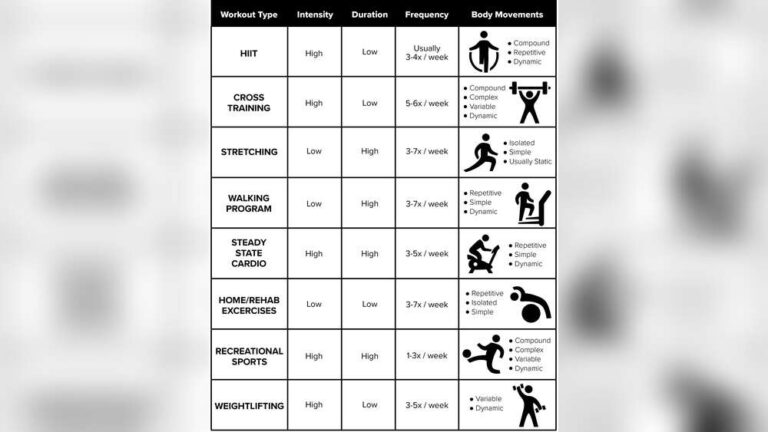
Mixing up your workouts is key to training consistently without motivation. Changing your routine keeps exercise fresh and interesting. It also challenges your body in new ways. This approach helps you avoid plateaus and stay engaged. Variety makes each workout something to look forward to.
Incorporate Variety
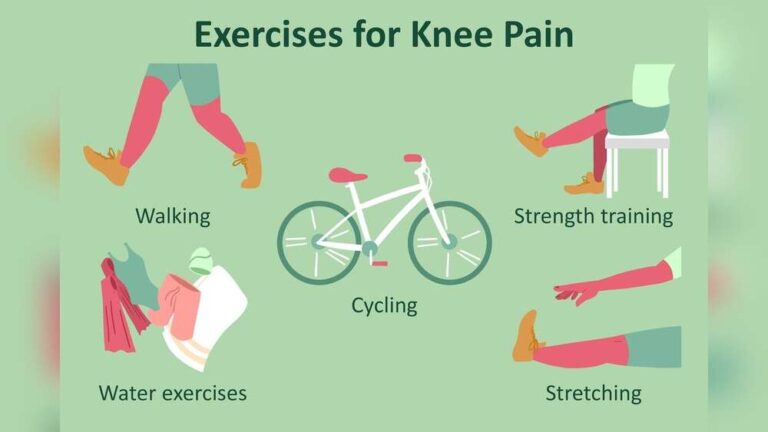
Try different types of exercises. Combine cardio, strength, and flexibility training. Use weights, bodyweight, or machines. Change the workout location or time. Switch between running, cycling, swimming, or yoga. New activities stimulate different muscles. Your body adapts better and grows stronger.
Avoid Boredom And Burnout
Repeating the same workout causes boredom fast. Boredom leads to skipping sessions. Burnout occurs when the body and mind feel tired. Mixing workouts keeps energy high. It reduces stress on muscles. You stay excited to exercise each day.
Use Visualization Techniques
Visualization techniques help you train even without motivation. This method uses your mind to prepare for success. You picture yourself completing workouts and achieving goals. It makes training feel more real and possible. Your brain starts to believe in your ability. This boosts your will to keep going. Visualization is a tool anyone can use. It takes just a few minutes each day. Practicing it builds stronger mental habits for training.
Imagine Success
Close your eyes and see yourself training well. Picture each move clearly and confidently. Imagine finishing your workout feeling proud. Visualize the results you want to achieve. This practice creates a positive mindset. It reduces doubts and fear of failure. Your brain grows used to success scenes. These images push you to act in real life. Imagining success makes hard workouts easier.
Boost Mental Readiness
Use visualization before each training session. Picture your body moving with strength and ease. See yourself overcoming tiredness and distractions. This mental prep sharpens focus and energy. It sets your mind for the challenge ahead. Visualizing readiness helps reduce anxiety. Your brain feels prepared to perform at its best. This leads to consistent and better training sessions.

Credit: thepadelschool.com
Rest And Recover
Rest and recovery are key parts of any training plan. Without proper rest, your body cannot heal or get stronger. Taking time to recover helps prevent injuries and keeps you feeling good. It also makes training feel easier over time.
Schedule Recovery Days
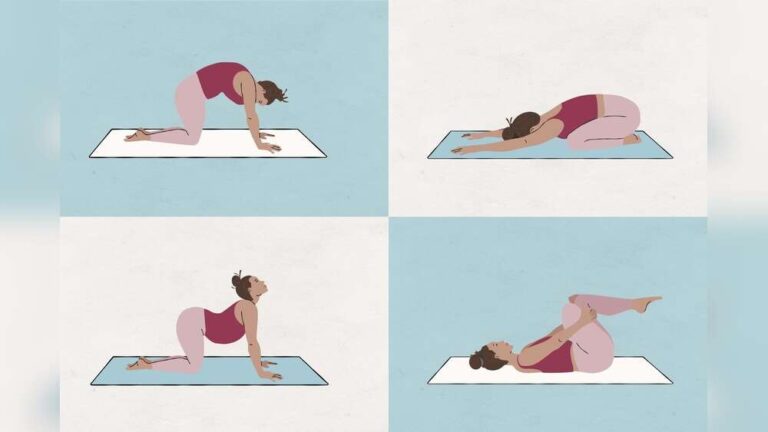
Plan specific days for rest in your training schedule. Use these days to avoid intense workouts. Light activities like walking or stretching are fine. Rest days give your muscles time to repair. They also help maintain your energy and focus for future workouts.
Listen To Your Body
Pay attention to how your body feels during training. Signs like pain, soreness, or tiredness mean you need rest. Do not push through strong discomfort. Adjust your workout intensity based on your energy levels. Rest more if you feel worn out or stressed.
Frequently Asked Questions
How Can I Train Without Feeling Motivated?
Focus on building habits instead of relying on motivation. Set a fixed schedule and stick to it daily. Consistency creates momentum, making training easier over time without needing motivation.
What Are Effective Ways To Stay Consistent In Training?
Use goal setting, planning, and tracking progress. Break workouts into small, manageable tasks. Reward yourself for milestones. These methods help maintain focus and encourage regular exercise.
How Do Routines Help Maintain Training Consistency?
Routines reduce decision fatigue by creating automatic behavior. When training becomes a habit, it requires less mental effort. This consistency leads to better long-term results and less reliance on willpower.
Can Accountability Improve Training Consistency?
Yes, accountability partners or groups boost commitment. Sharing goals and progress increases motivation and responsibility. This social support helps you stick to your training plan regularly.
Conclusion
Training without motivation is about building strong habits. Set small goals and stick to a schedule. Focus on progress, not perfection. Remind yourself why you started and keep moving forward. Consistency beats motivation every time. Keep your routine simple and doable.
Celebrate small wins to stay encouraged. Over time, training becomes a natural part of life. Trust the process and stay patient. Your effort will show results soon.

Brandon Knoxley is a sport & fitness writer and training guide contributor at MySportFitHub. He focuses on practical workouts, performance-based training, and honest fitness gear insights designed for real people and real results. Brandon is passionate about helping beginners and active individuals train smarter, avoid common mistakes, and build sustainable fitness habits.