How to Train Core Strength for Sports: Ultimate Guide to Peak Power
Your core is the powerhouse behind every move you make in sports. Whether you’re sprinting, jumping, or swinging, strong core muscles give you balance, stability, and explosive power.
But how exactly do you train your core to boost your performance? You’ll discover simple, effective ways to build core strength that directly improve your game. Keep reading, and unlock the secret to moving faster, hitting harder, and staying injury-free.
Your best performance starts here.
Core Strength And Sports
Core strength is key for many sports. It helps athletes move better and stay balanced. A strong core supports the whole body during physical activity. Training this area can improve overall sports skills and reduce injury risk.
Role Of Core In Athletic Performance
The core acts as the body’s central link. It connects the upper and lower body. This connection helps transfer power in sports actions like running, jumping, and throwing. A strong core improves posture and stability. It also helps control movements quickly and precisely.
Benefits Of A Strong Core
A strong core enhances balance and coordination. It reduces fatigue by supporting the spine and muscles. Athletes with good core strength recover faster from intense efforts. It also lowers the chance of injuries, especially in the back and hips. Overall, it boosts sports performance and endurance.
Common Core Weaknesses In Athletes
Many athletes lack core endurance and control. Weak deep muscles cause poor posture and less power. Some rely too much on stronger muscles, leading to imbalance. This can slow down movements and increase injury risk. Core weakness often shows as lower back pain or poor stability.
Key Muscles In The Core
The core is the center of your body. It helps you stay balanced and move powerfully in sports. Strong core muscles improve your performance and reduce injuries. Understanding the key muscles in the core is important for proper training. These muscles work together to support your spine and hips during activity.
Abdominal Muscles
The abdominal muscles are at the front of your core. They help you bend and twist your torso. The main muscles include the rectus abdominis, which you see as the “six-pack.” The obliques run along the sides and help with rotation. These muscles also keep your body stable during movement.
Lower Back Muscles
The lower back muscles support your spine from behind. The erector spinae group helps you stand up straight and extend your back. Strong lower back muscles prevent injuries during sports that require bending and lifting. They work with the abdominals to keep your posture balanced.
Hip Stabilizers
Hip stabilizers connect your core to your legs. These muscles include the gluteus medius and minimus. They keep your hips steady during running, jumping, and changing direction. Training hip stabilizers helps improve balance and power in sports movements.
Training Principles For Core Power
Training core power is vital for athletes in every sport. The core muscles support almost every movement, from running to jumping. Strengthening this area improves performance and lowers injury risk.
To build core power effectively, follow specific training principles. These principles guide workouts to ensure steady progress and functional strength. Focus on progressive overload, functional movements, and balance and stability.
Progressive Overload
Progressive overload means gradually increasing workout difficulty. Add weight, reps, or time to challenge your muscles. This forces your core to adapt and grow stronger. Avoid sudden jumps in intensity to prevent injury.
Functional Movements
Functional movements mimic real sports actions. Exercises like medicine ball throws or cable rotations improve core power. These moves train muscles to work together, just like during competition. Functional training boosts coordination and strength.
Balance And Stability
Balance and stability are key for core strength. Use unstable surfaces or single-leg exercises to challenge your body. This trains deep core muscles that stabilize your spine. A stable core improves control and reduces injury risk.

Credit: ocsportsandrehab.com
Effective Core Exercises
Building strong core muscles is key for better sports performance. The right exercises improve balance, power, and endurance. Focus on moves that target different core areas. This helps create a solid foundation for all sports activities.
Choose exercises that challenge your muscles in many ways. This boosts your overall stability and control. Here are some effective core exercises to include in your training.
Planks And Variations
Planks are simple but powerful for core strength. Hold a straight body position on your forearms and toes. Keep your hips level and abs tight.
Try side planks to work your obliques. Add leg lifts or arm reaches for more challenge. These variations build endurance and muscle balance.
Rotational Movements
Rotation exercises train your core to twist and turn. This improves power in sports like golf and tennis. Use medicine balls or cables to add resistance.
Perform Russian twists or standing cable rotations slowly. Focus on controlled movement and strong muscle engagement. These drills increase your core’s functional strength.
Dynamic Stability Drills
Dynamic drills improve your ability to stay balanced during motion. Use unstable surfaces like balance discs or BOSU balls. This forces your core to work harder.
Try single-leg stands or push-ups on these surfaces. These exercises develop coordination and quick core reactions. Great for athletes who need stability in fast movements.
Integrating Core Training Into Sports
Integrating core training into sports improves balance, power, and stability. A strong core supports almost every movement in sports. It helps protect the body from injury and boosts overall performance.
To get the most benefits, core exercises should match the sport’s demands. Training must be consistent and fit into daily practice routines.
Sport-specific Core Drills
Choose core drills that mimic your sport’s movements. For runners, focus on exercises that enhance hip stability and control. Swimmers benefit from rotational core movements to improve stroke power. Basketball players need drills that build quick core strength for sudden turns and jumps.
Use equipment like medicine balls or resistance bands to increase challenge. These tools add variety and target muscles used during sports activities.
Warm-up And Cool-down Routines
Start each session with a warm-up that activates your core muscles. Simple moves like planks or bird dogs prepare the body for intense work. Warm-ups increase blood flow and reduce injury risk.
End with a cool-down focusing on stretching core muscles. This helps with flexibility and speeds up recovery. Gentle twists and side bends relax tight areas and prevent soreness.
Avoiding Overtraining
Core muscles need time to recover just like other muscles. Avoid training the core every day. Include rest days to prevent fatigue and injuries.
Pay attention to pain or discomfort during exercises. Stop if the pain increases. Balanced training supports steady progress and long-term health.

Credit: www.materiaiscastanheira.com.br
Tracking Progress And Performance
Tracking progress and performance is key to building strong core muscles for sports. It helps you see how well your training works. You can measure your strength, spot improvements, and change your plan to get better results. Keeping track keeps motivation high and guides your workouts.
Testing Core Strength
Start by testing your core strength regularly. Use simple exercises like planks, sit-ups, or leg raises. Time how long you can hold a plank or count your reps. Write down your results. Testing shows your starting point and helps you set clear goals.
Monitoring Improvements
Check your progress every few weeks. Compare your new test results with old ones. Look for longer plank times or more reps. Small gains mean your core is getting stronger. Tracking improvements helps you stay focused and motivated.
Adjusting Training Plans
Change your training plan based on your progress. If you improve quickly, add harder exercises or more reps. If progress slows, try different moves or increase rest time. Adjusting your plan keeps workouts effective and prevents boredom.
Nutrition And Recovery
Nutrition and recovery play key roles in building strong core muscles for sports. Proper fuel and rest help muscles grow and repair. Without good nutrition and recovery, training efforts may not show results. This section covers how to support your core training with diet and rest.
Fueling Core Muscle Growth
Eating the right foods helps core muscles get stronger. Protein is essential for muscle repair and growth. Include lean meats, eggs, beans, and dairy in meals. Carbohydrates provide energy for workouts and recovery. Choose whole grains, fruits, and vegetables for steady energy. Healthy fats support hormone production and joint health. Nuts, seeds, and fish are good sources. Drink water to stay hydrated and keep muscles working well.
Rest And Muscle Repair
Muscles need time to heal after exercise. Rest days let core muscles recover and grow. Sleep is crucial for muscle repair and overall health. Aim for 7-9 hours of quality sleep each night. Avoid overtraining, which can cause fatigue and injury. Light activities like stretching can help blood flow and reduce soreness.
Preventing Injuries
Proper nutrition and rest reduce injury risk during core training. Strong muscles and healthy joints protect against strains. Balanced meals keep bones and muscles strong. Rest prevents overuse injuries and fatigue. Listen to your body and stop if you feel pain. Warm-up and cool-down exercises prepare muscles and improve flexibility. These habits keep you safe and ready to perform.
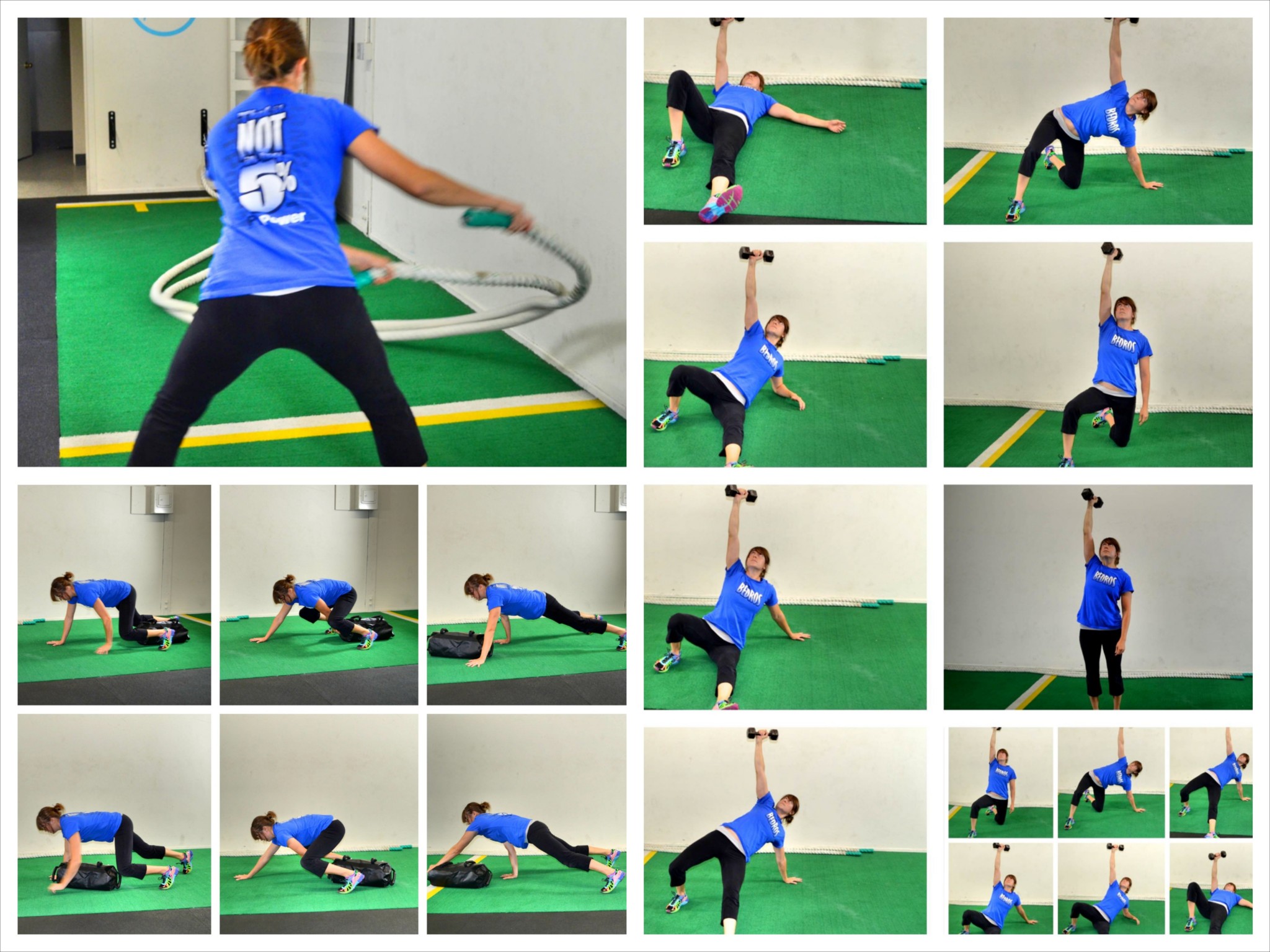
Credit: redefiningstrength.com
Frequently Asked Questions
What Are The Best Exercises To Build Core Strength For Sports?
Effective core exercises include planks, Russian twists, bicycle crunches, and leg raises. These moves target multiple muscles, improving stability and power for sports performance.
How Often Should I Train My Core For Optimal Sports Results?
Training your core 3-4 times weekly is ideal. Consistent workouts allow muscles to strengthen and recover, enhancing your sports performance without risking overtraining.
Can Core Strength Improve Overall Athletic Performance?
Yes, a strong core boosts balance, agility, and power. It enhances coordination and reduces injury risk, directly improving athletic performance across various sports.
Should I Focus On Core Strength Or Endurance For Sports?
Both are important. Core strength builds power, while endurance supports stability during prolonged activity. Combining them creates a well-rounded, sport-ready core.
Conclusion
Building core strength improves your balance and power in sports. Consistent practice with basic exercises helps your muscles grow strong. Focus on form to avoid injury and get better results. Core training supports your whole body during movement and effort.
Small daily workouts add up to big gains over time. Stay patient, keep going, and enjoy the progress you make. Strong core muscles give you an edge in any sport you play. Keep your routine simple and steady for lasting strength.

Brandon Knoxley is a sport & fitness writer and training guide contributor at MySportFitHub. He focuses on practical workouts, performance-based training, and honest fitness gear insights designed for real people and real results. Brandon is passionate about helping beginners and active individuals train smarter, avoid common mistakes, and build sustainable fitness habits.