How to Train Full Body Without Gym Machines: Effective Home Workouts
You want to get stronger, fitter, and healthier—but what if you don’t have access to gym machines? The good news is, you don’t need fancy equipment to train your entire body effectively.
With the right approach, you can build muscle, burn fat, and boost your energy using simple moves you can do anywhere. You’ll discover easy-to-follow exercises that target every major muscle group. Ready to transform your body without stepping foot in a gym?
Keep reading, because your best workout starts here.
Credit: www.amazon.com
Benefits Of Machine-free Training
Training without gym machines offers many benefits. It helps you build strength using your own body weight. This type of training requires less space and no expensive equipment. You can do it anywhere, anytime. It also improves your balance and flexibility. These workouts engage multiple muscles at once. This leads to better overall fitness and coordination.
Improves Functional Strength
Machine-free workouts train your body for real-life activities. You use natural movements that mimic daily tasks. This builds strength that helps you lift, carry, and move better. It also reduces the risk of injury by strengthening stabilizer muscles.
Increases Muscle Coordination
Without machines, your body must control every movement. This improves muscle coordination and control. Your brain and muscles work together more efficiently. This helps your body move smoothly and with more power.
Boosts Flexibility And Mobility
Bodyweight exercises often involve full range of motion. This stretches and strengthens muscles at the same time. Your joints stay flexible and mobile. This makes everyday movements easier and less painful.
Requires Minimal Equipment
You do not need special machines or weights. A mat or a sturdy surface is enough. This saves money and space. You can exercise at home, in a park, or while traveling.
Enhances Core Stability
Many machine-free exercises engage your core muscles. A strong core supports your spine and posture. This reduces back pain and improves balance. It also helps with sports and other physical activities.
Key Principles For Full Body Workouts
Training the entire body without gym machines requires smart planning. Understanding key principles helps build strength and burn calories efficiently. Focus on exercises that target multiple muscle groups at once. This approach saves time and improves overall fitness.
Bodyweight exercises and free weights are great tools. They improve balance, flexibility, and muscle coordination. Consistency and proper form matter most for progress and safety.
Balance Between Push And Pull Movements
Include exercises that push muscles away from the body. Examples are push-ups and dips. Pair these with pull exercises like pull-ups and rows. This balance prevents muscle imbalances and reduces injury risk.
Include Compound Movements
Compound exercises work several joints and muscles together. Squats, lunges, and planks are perfect examples. They burn more calories and build more strength than isolated moves.
Focus On Core Stability
The core supports almost every movement. Strengthen it with planks, bridges, and leg raises. A strong core improves posture and reduces back pain.
Prioritize Proper Form And Technique
Correct form prevents injuries and ensures muscle activation. Start slow and control every movement. Quality beats quantity in all exercises.
Allow Time For Recovery
Muscles need time to heal and grow stronger. Rest days are as important as workout days. Avoid training the same muscle groups on consecutive days.
Essential Bodyweight Exercises
Training your full body without gym machines is simple and effective. Bodyweight exercises need no equipment and can be done anywhere. These moves build strength, improve balance, and boost endurance. They suit all fitness levels and help tone muscles naturally. Below are essential bodyweight exercises to target key areas of your body.
Upper Body Moves
Push-ups are classic for chest, shoulders, and arms. Keep your body straight and lower yourself slowly. Try different styles like wide, narrow, or incline push-ups for variety. Tricep dips work your arm backs using a chair or bench. Plank to push-up targets shoulders and builds endurance. These moves strengthen upper body muscles without weights.
Lower Body Moves
Squats build strong thighs, hips, and buttocks. Stand with feet shoulder-width apart and bend knees. Keep your back straight and lower down like sitting. Lunges work each leg separately, improving balance. Step forward and bend both knees to 90 degrees. Glute bridges lift hips to strengthen the backside. These exercises shape and tone your legs effectively.
Core Strengtheners
Planks hold your body in a straight line, engaging abs deeply. Start on elbows and toes, hold for 20 seconds or more. Bicycle crunches target obliques; twist torso while cycling legs. Leg raises focus on lower abs; lift legs slowly while lying down. These moves improve stability and help flatten your stomach.

Credit: www.youtube.com
Using Minimal Equipment At Home
Training your full body at home can be simple and effective. You do not need many tools or machines. Using minimal equipment helps keep your workout space small and your routine flexible. This approach saves money and time. It also lets you exercise anywhere in your house.
Small tools can add resistance and variety. They help target different muscles. You can improve strength, endurance, and balance with just a few items. Here are some great options for home workouts.
Resistance Bands
Resistance bands are lightweight and easy to use. They come in different strengths for all fitness levels. You can stretch, pull, or press them to work your muscles. Bands improve muscle tone and joint stability. They are perfect for squats, rows, and shoulder presses. Bands also take up little space and fit in any bag.
Dumbbells And Kettlebells
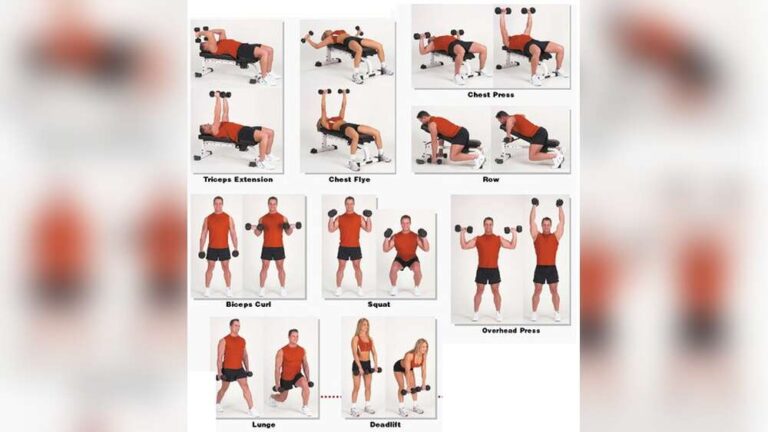
Dumbbells and kettlebells add weight for strength training. Dumbbells are good for precise movements. Kettlebells help with dynamic exercises like swings and squats. Both tools build muscle and burn calories. You can start with light weights and increase as you get stronger. They are durable and easy to store at home.
Household Items As Weights
Common household items work well as weights. Use water bottles, canned goods, or backpacks filled with books. These items add resistance for arm curls, lunges, or deadlifts. They are free and always available. Be creative to find objects that fit your workout needs. This method helps keep your routine fresh and fun.
Sample Full Body Workout Routines
Sample full body workout routines help structure your exercise without machines. These routines target all major muscle groups. They improve strength, flexibility, and endurance.
Start with a routine that suits your fitness level. Progress as your strength and stamina grow. Below are three routines: beginner, intermediate, and advanced.
Beginner Level
- Bodyweight squats – 3 sets of 10 reps
- Incline push-ups – 3 sets of 8 reps
- Glute bridges – 3 sets of 12 reps
- Plank hold – 3 sets of 20 seconds
- Walking lunges – 2 sets of 10 reps per leg
Intermediate Level
- Jump squats – 3 sets of 12 reps
- Regular push-ups – 3 sets of 12 reps
- Single-leg glute bridges – 3 sets of 15 reps per leg
- Side plank – 3 sets of 30 seconds per side
- Walking lunges with knee raise – 3 sets of 12 reps per leg
- Superman hold – 3 sets of 30 seconds
Advanced Level
- Pistol squats – 3 sets of 8 reps per leg
- Decline push-ups – 4 sets of 15 reps
- Bulgarian split squats – 3 sets of 12 reps per leg
- Plank to push-up – 4 sets of 12 reps
- Jump lunges – 3 sets of 15 reps per leg
- Hollow body hold – 4 sets of 40 seconds
Tips For Maintaining Motivation
Staying motivated is key to training your full body without gym machines. Motivation helps you keep a regular workout routine. It makes exercise feel less like a chore and more like a habit.
Here are practical tips to keep your motivation high and your workouts consistent. These ideas fit well with training at home or outside.
Set Clear And Simple Goals
Goals give your workouts purpose. Choose small, easy goals. For example, do 10 push-ups a day. Celebrate each success. This builds confidence and keeps you going.
Create A Workout Schedule
Plan your exercise times. Stick to the same days and hours. Routine makes training a regular part of life. It reduces chances of skipping sessions.
Track Your Progress
Write down your workouts and improvements. Seeing progress motivates you to do more. Use a notebook or phone app to track reps and sets.
Find A Workout Buddy
Exercise with a friend or family member. You can encourage each other. It makes workouts more fun and less lonely.
Mix Up Your Exercises
Change your workouts often. Try different moves for full body training. Variety keeps things interesting and prevents boredom.
Reward Yourself
Give yourself small rewards after workouts. It could be a healthy snack or a short break. Rewards make training feel more enjoyable.
Tracking Progress Without Machines
Tracking progress without gym machines helps you stay motivated and see real results. It shows how strong you become and how your body changes. You can track progress with simple tools and smart methods. This keeps your workouts effective and fun.
Using Body Measurements
Measure key body parts like arms, waist, and legs. Write down these numbers regularly. Small changes show your muscles grow or fat reduces. Use a soft tape measure for accuracy. This method shows physical changes clearly.
Keeping A Workout Journal
Write down exercises, sets, and reps after each session. Note how you feel and any improvements. Tracking this helps you plan harder workouts. It also shows your consistency over time. A journal makes progress visible without machines.
Taking Progress Photos
Take photos from different angles every two weeks. Wear the same clothes and use the same light. Visual records show changes that numbers may miss. Comparing photos keeps you motivated and honest. This is an easy way to track your body shape.
Using Performance Tests
Test your strength and endurance periodically. For example, count push-ups or time a plank hold. Record these numbers and try to improve them. Performance tests measure fitness, not just appearance. They show real strength gains without machines.

Credit: www.stabilit.com
Frequently Asked Questions
What Are The Best Exercises For Full Body Training Without Machines?
Bodyweight exercises like push-ups, squats, lunges, planks, and burpees work all major muscle groups effectively. These moves build strength, endurance, and flexibility without needing gym equipment or machines.
How Often Should I Train Full Body Without Gym Machines?
Aim for 3 to 4 full-body workouts per week. This frequency allows muscle recovery while promoting balanced strength and muscle growth without overtraining.
Can I Build Muscle Without Using Gym Machines?
Yes, you can build muscle using bodyweight exercises and resistance bands. Progressive overload and proper nutrition are key to muscle growth without machines.
How Do I Increase Workout Intensity Without Machines?
Increase intensity by adding reps, sets, or reducing rest time. You can also try variations like jump squats or plyometric push-ups for more challenge.
Conclusion
Training your whole body without machines is simple and effective. Use your own weight for strength and flexibility. Push-ups, squats, and planks work many muscles at once. You can exercise anywhere, anytime, without special equipment. Stay consistent and increase difficulty as you get stronger.
This way, you build muscle, burn fat, and stay healthy. No gym needed to reach your fitness goals. Keep moving, stay motivated, and enjoy the process. Your body will thank you for it.

Brandon Knoxley is a sport & fitness writer and training guide contributor at MySportFitHub. He focuses on practical workouts, performance-based training, and honest fitness gear insights designed for real people and real results. Brandon is passionate about helping beginners and active individuals train smarter, avoid common mistakes, and build sustainable fitness habits.