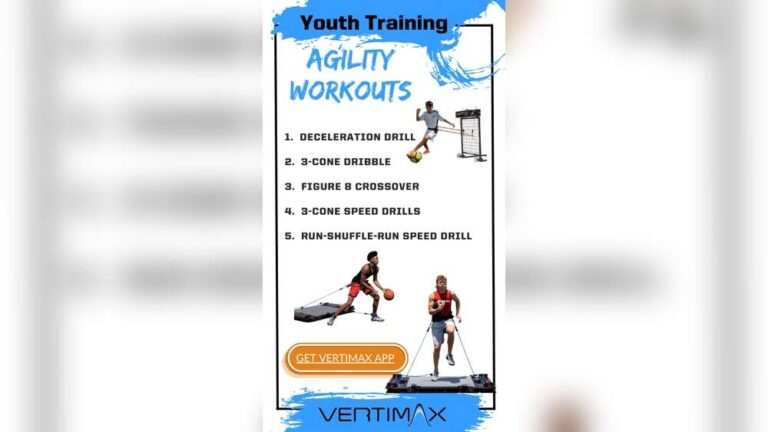

How to Train Multiple Sports Safely: Expert Tips for Success
Are you juggling more than one sport and worried about staying safe while training? Balancing multiple sports can boost your skills and fitness, but it also comes with risks if not done right.
You want to improve without burning out or getting injured. This guide will show you simple, effective ways to train smarter—not harder—so you can enjoy every game and practice. Keep reading to discover how to protect your body, manage your time, and get the most out of every session.
Your best performance starts here.
Benefits Of Multi-sport Training
Training in multiple sports offers many benefits for young athletes. It helps build a strong body and sharp mind. Playing different sports uses varied muscles and skills. This variety keeps training fresh and exciting. Multi-sport training supports overall growth and keeps athletes active and healthy.
Below are key benefits that show why multi-sport training is a smart choice.
Enhanced Physical Fitness
Multi-sport training improves strength, speed, and endurance. Different sports challenge the body in new ways. This variety helps develop balanced muscles and better coordination. Athletes avoid overuse injuries common in single-sport training. Overall fitness becomes stronger and more adaptable.
Improved Skill Development
Each sport teaches unique skills that transfer across activities. Footwork from soccer helps in basketball. Hand-eye coordination from tennis aids baseball batting. Playing multiple sports broadens motor skills and sharpens focus. Athletes become more versatile and confident in many situations.
Reduced Risk Of Burnout
Training in one sport all year can feel tiring and boring. Multi-sport athletes enjoy variety and fun in their routines. Changing sports reduces mental and physical stress. This balance helps maintain passion for sports longer. Athletes stay motivated and avoid early dropout.
Credit: linearcollider.org
Planning A Balanced Schedule
Training for multiple sports can be exciting but challenging. A balanced schedule helps avoid burnout and injury. It allows the body to perform well in every sport. Careful planning ensures enough time for practice and rest. This balance improves skills and keeps motivation high.
Creating a good schedule means knowing how much time to spend on each sport. It also means knowing when to rest and recover. Following a balanced plan helps maintain energy and focus. It also reduces the risk of overuse injuries.
Prioritizing Rest And Recovery
Rest is as important as training. The body needs time to heal muscles and regain strength. Without enough rest, fatigue builds up quickly. Plan days off or light activity days between hard training sessions. Sleep well every night to support recovery.
Rest helps prevent injuries and keeps the mind fresh. Avoid skipping rest for extra practice. Recovery is part of getting better at all sports.
Managing Practice Times
Set clear and reasonable practice times for each sport. Keep sessions short but focused to avoid exhaustion. Avoid long back-to-back training that tires the body. Spread sessions across the week to balance workload.
Practice quality matters more than quantity. Use time wisely to improve skills without overdoing it. Adjust times based on energy levels and progress.
Avoiding Overlapping Sessions
Check schedules to prevent practice overlaps. Overlapping causes stress and reduces performance. Plan enough gaps between sessions for rest and travel. This also helps switch focus between sports smoothly.
Use a calendar or planner to track all activities. Avoid double booking to keep training effective and safe. Clear separation between sessions helps the body recover and stay ready.
Injury Prevention Strategies
Training in multiple sports can be fun and rewarding. Staying safe is very important to avoid injuries. Following good injury prevention strategies helps keep your body strong and ready. Let’s explore some key ways to protect yourself while training.
Proper Warm-up Techniques
Warming up prepares your muscles and joints for exercise. Start with light cardio like jogging or jumping jacks. Stretch gently to increase flexibility. Warm muscles reduce the risk of strains and sprains. Spend at least 10 minutes warming up before any sport.
Cross-training Benefits
Cross-training means doing different types of exercise. It balances muscle use and prevents overuse injuries. For example, swim one day and run the next. This helps your body recover while staying active. Variety also improves overall fitness and endurance.
Recognizing Signs Of Fatigue
Fatigue signals that your body needs rest. Watch for muscle soreness, slow reactions, or lack of focus. Ignoring these signs can cause injuries. Take breaks and get enough sleep. Listen to your body to train safely and perform well.
Nutrition And Hydration Tips
Training for multiple sports requires careful attention to nutrition and hydration. Proper fuel helps keep energy levels steady. Good hydration supports focus and muscle function. Both play a key role in safe training and better performance.
Fueling For Performance
Choose foods rich in carbohydrates for energy. Whole grains, fruits, and vegetables work well. Include lean proteins to help muscles recover. Healthy fats provide lasting fuel during long sessions. Eat balanced meals before training to avoid fatigue.
Staying Hydrated Across Sports
Drink water regularly throughout the day. Sports drinks can help during intense or long workouts. Avoid sugary drinks that cause energy crashes. Check urine color to monitor hydration—light yellow is ideal. Hydration needs change with weather and exercise intensity.
Post-training Recovery Foods
Eat a mix of protein and carbs after training. This helps muscles repair and refuel energy stores. Examples include yogurt with fruit or a chicken sandwich. Avoid heavy or greasy foods that slow digestion. Aim to eat within 30 minutes after exercise for best results.
Mental Preparation And Focus
Mental preparation and focus are key when training for more than one sport. The mind needs to be strong to handle different skills and routines. Clear thinking helps athletes perform better and stay safe.
Training multiple sports can be tough on the brain. It takes effort to keep attention on each sport’s demands. Good mental habits help prevent burnout and injuries. The following sections explain how to build mental strength for multi-sport training.
Setting Realistic Goals
Goals guide training and boost focus. Set targets that match your current skill and time. Too hard goals cause stress and loss of interest. Small, clear goals help track progress and build confidence. Write down goals and review them often. Adjust goals as skills improve or time changes.
Maintaining Motivation
Motivation keeps you moving through challenges. Find reasons why you enjoy each sport. Celebrate small wins to stay excited. Mix up training to avoid boredom. Stay around positive people who support your efforts. Remind yourself why training matters on tough days.
Handling Pressure And Stress
Pressure can hurt focus and performance. Learn simple breathing exercises to calm nerves. Take short breaks during training to relax. Focus on one task at a time, not all at once. Talk to coaches or friends about stress. Remember, mistakes are part of learning and growth.

Credit: www.trainingbeta.com
Role Of Coaches And Support Teams
Coaches and support teams play a vital role in training multiple sports safely. They guide athletes through varied training routines. Their work helps prevent injuries and burnout. These professionals ensure athletes balance effort and rest well.
Their expertise helps athletes grow in strength and skill. They watch closely for signs of fatigue or stress. Their support builds confidence and keeps motivation high. Clear teamwork among coaches and support staff benefits everyone involved.
Coordinating Training Plans
Coaches must create training schedules that fit all sports. They avoid overlapping intense sessions that can cause injury. Planning helps athletes recover between workouts. Coordination allows athletes to improve without overloading their bodies.
Support teams provide data on athlete health and performance. This information helps coaches adjust plans quickly. They work together to keep training safe and effective. Each sport’s demands get balanced to protect the athlete.
Monitoring Athlete Well-being
Support teams track physical and mental health daily. They check for signs of tiredness, pain, or stress. Coaches use this feedback to change training intensity. Early detection helps avoid serious injuries or burnout.
Regular health checks include sleep, nutrition, and mood. Monitoring ensures athletes stay strong and focused. Support teams also encourage rest and recovery time. This care supports long-term success in multiple sports.
Encouraging Open Communication
Coaches and support staff create a safe space for athletes. They listen carefully to concerns about pain or fatigue. Honest talks help adjust training plans to athlete needs. Athletes feel valued and understood.
Clear communication builds trust among the entire team. It helps catch problems before they get worse. Open dialogue also boosts motivation and enjoyment. Everyone works better when they share feedback freely.
Credit: cominguprosestheblog.com
Frequently Asked Questions
How Can I Prevent Injuries While Training Multiple Sports?
Focus on proper warm-ups and cool-downs for every session. Use sport-specific techniques to avoid overuse injuries. Rest adequately between training days. Listen to your body and adjust intensity as needed. Cross-train to balance muscle development and reduce strain.
What Is The Ideal Training Schedule For Multiple Sports?
Plan a balanced weekly schedule with varied intensity levels. Alternate high-impact and low-impact sports to allow recovery. Include at least one full rest day per week. Prioritize quality over quantity to avoid burnout. Consistency and gradual progression are key for safe training.
How Do I Manage Fatigue When Training Multiple Sports?
Ensure sufficient sleep and hydration daily. Incorporate active recovery like stretching or light cardio. Monitor energy levels and reduce load if feeling exhausted. Eat nutrient-rich meals to support energy needs. Avoid training through pain or extreme tiredness to prevent injury.
Should I Focus On One Sport Or Multiple Sports At Once?
Training multiple sports can improve overall athleticism and reduce monotony. However, prioritize sports based on your goals and season demands. Balance time and effort to prevent burnout. Use multi-sport training to enhance skills, but avoid overloading. Consult coaches for personalized plans.
Conclusion
Training multiple sports takes balance and care. Plan your schedule to avoid overworking muscles. Rest days are just as important as practice days. Listen to your body and stop if you feel pain. Use proper gear to protect yourself during activities.
Eating well helps your body recover faster. Stay consistent but do not rush progress. Enjoy every session and keep a positive mindset. Safe training leads to better results and fewer injuries. Keep these tips in mind for a healthy sports journey.

Brandon Knoxley is a sport & fitness writer and training guide contributor at MySportFitHub. He focuses on practical workouts, performance-based training, and honest fitness gear insights designed for real people and real results. Brandon is passionate about helping beginners and active individuals train smarter, avoid common mistakes, and build sustainable fitness habits.