How to Train Sports Safely at Home: Essential Tips & Techniques
Are you ready to boost your sports skills without leaving your home? Training at home can be a game-changer, but only if you do it safely.
Injuries can happen fast, and they can stop your progress before it even starts. This guide will show you simple, effective ways to train smart, protect your body, and get the most out of every session. Keep reading to learn how to stay strong, avoid setbacks, and enjoy your sports practice right where you are.
Your best performance starts with safe training—and it starts now.
Setting Up A Safe Training Space
Setting up a safe training space is key for effective home sports practice. It helps prevent injuries and distractions. A good space supports focus and energy during workouts.
Follow simple steps to create a safe and comfortable area. This boosts your performance and keeps you motivated. Safety starts with the right environment.
Choosing The Right Area
Pick a spot with enough room to move freely. Avoid cramped corners or cluttered places. A flat, stable floor is best for balance and support.
Hard surfaces like wood or tile work well but use mats for impact sports. Bright lighting helps you see clearly and stay alert.
Clearing Hazards
Remove anything that can cause trips or falls. This includes loose wires, toys, and furniture edges. Keep the floor dry and clean to avoid slips.
Check for fragile items nearby and move them away. This reduces the risk of damage or injury during intense movements.
Ensuring Proper Ventilation
Good airflow keeps the space fresh and cool. Open windows or use fans to circulate air. Avoid stuffy rooms, which can cause fatigue and discomfort.
Proper ventilation also helps reduce sweat build-up and odors. Breathe easy and train longer with fresh air around you.
Credit: www.safekids.org
Warming Up And Cooling Down
Warming up and cooling down are key parts of safe sports training at home. These steps help your body get ready and recover. A good warm-up raises your heart rate and loosens muscles. Cooling down helps lower your heart rate and reduce soreness. Both prevent injuries and improve performance.
Effective Warm-up Exercises
Start with light cardio like jogging in place or jumping jacks. This raises your body temperature. Follow with dynamic movements such as arm circles, leg swings, and torso twists. These exercises prepare your joints and muscles for action. Spend 5 to 10 minutes on warm-up exercises before training.
Stretching Techniques
Use gentle stretching after warming up. Focus on major muscle groups you will use. Hold each stretch for 15 to 30 seconds without bouncing. Include stretches for your legs, arms, back, and shoulders. Stretching improves flexibility and reduces muscle tightness.
Post-workout Recovery
After exercise, slow down with light walking or easy movements. This helps your heart rate return to normal. Follow with static stretches to relax muscles. Drink water to rehydrate and eat a small snack with protein. Rest is important for muscle repair and growth.
Using Proper Equipment
Using proper equipment is key to training safely at home. The right gear protects you from injury. It also helps improve your performance. Training with unsuitable equipment can cause accidents. Choosing and maintaining your gear correctly keeps your workouts effective and safe.
Selecting Suitable Gear
Choose equipment that fits your sport and skill level. Avoid gear that is too heavy or too light. Check the size and comfort before buying. Safety gear like helmets or pads must meet quality standards. Use shoes with good grip and support. Proper gear reduces the risk of injury and helps you train better.
Maintaining Your Equipment
Clean your gear after each use. Dirt and sweat can damage materials. Inspect for wear and tear regularly. Replace parts that are broken or worn out. Store equipment in a dry, cool place. Well-maintained gear lasts longer and works properly. This keeps your training safe and smooth.
Adapting Household Items For Training
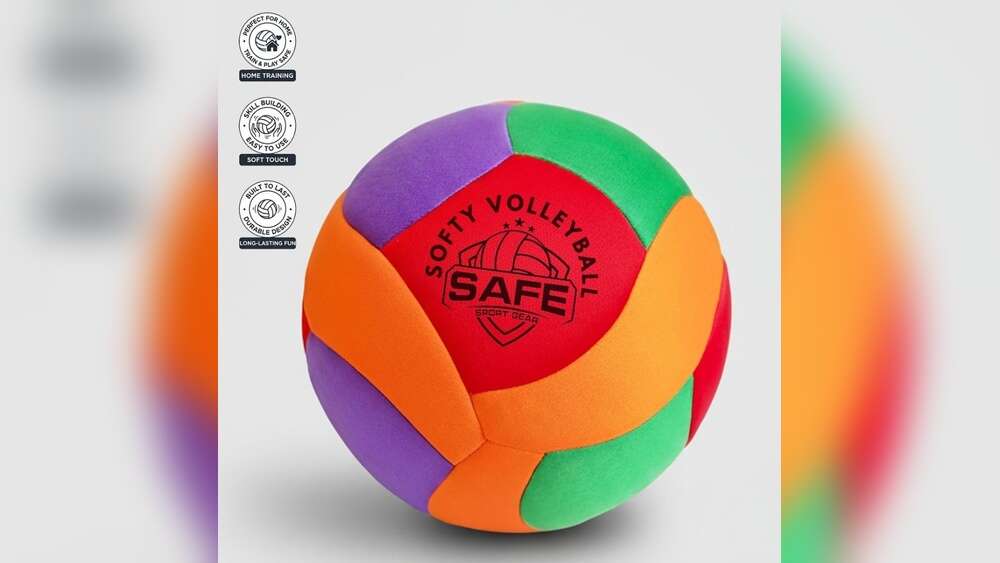
Use everyday items as training tools when needed. Water bottles can be light weights. Towels work well for stretching exercises. Chairs can assist with balance drills. Always check these items are stable and safe. Creative use of household items can help you train effectively. Just ensure they do not cause harm or injury.

Credit: eu.safesportgear.com
Focusing On Technique
Focusing on technique is key to safe sports training at home. Proper technique reduces injury risks and improves performance. Without good form, even simple exercises can cause harm. Training with correct movements builds strength and skill over time.
Learning Correct Form
Start by understanding the right way to perform each exercise. Watch tutorials from trusted sources to see proper technique. Practice slowly to feel the correct movement. Use mirrors to check your posture and alignment. Good form helps target the right muscles and avoids strain.
Avoiding Common Mistakes
Many beginners make errors that lead to injury. Avoid rushing through exercises. Do not lift weights that are too heavy. Keep your back straight during lifts. Stop if you feel pain or discomfort. Taking breaks helps prevent overuse injuries.
Using Video Feedback
Record yourself while training to spot mistakes. Watching your videos lets you compare your form to experts. Adjust your movements based on what you see. Share videos with a coach or friend for advice. Video feedback speeds up learning and keeps you safe.
Preventing Injuries
Training sports safely at home means keeping injuries away. Injury prevention is key for steady progress and long-term fitness. It protects your body and helps you enjoy workouts more. Pay close attention to your body’s signals and take smart steps to stay safe.
Recognizing Warning Signs
Listen to your body carefully during exercise. Sharp pain or unusual discomfort means stop immediately. Swelling, redness, or bruising are signs of injury. Feeling very tired or dizzy also signals a problem. Early recognition helps avoid serious damage and long recovery.
Incorporating Rest Days
Rest days help your muscles recover and grow stronger. Without breaks, your body becomes weak and prone to injury. Plan at least one or two rest days each week. Use these days to stretch gently or do light activities. Rest keeps your energy high and muscles healthy.
Building Strength Gradually
Start with light exercises to prepare your muscles. Increase intensity slowly over days and weeks. Avoid heavy weights or hard moves at the start. Gradual strength building reduces the risk of strains. This method helps your body adapt without harm.
Credit: surfsportsmyo.com.au
Staying Motivated At Home
Staying motivated at home can be tough. Without a coach or team around, it is easy to lose focus. But keeping your spirits high is key to training safely and effectively. Small habits can make a big difference. Here are some tips to help you stay on track and enjoy your sports training.
Setting Realistic Goals
Set clear and simple goals for each session. Choose targets that are easy to reach but still challenge you. For example, aim to do 10 push-ups or run for 10 minutes. Achieving small goals gives a sense of success. This boosts your confidence and keeps you motivated to do more.
Tracking Progress
Write down what you do each day. Use a notebook or a mobile app to record your exercises and time spent. Watching your progress grow is very encouraging. It shows how your hard work pays off. You can also spot areas that need improvement and adjust your training.
Finding Online Support
Join online groups or forums with people who share your sports interests. Sharing your journey and challenges helps you feel connected. You can learn new tips and get advice from others. Support from a community makes training at home less lonely and more fun.
Frequently Asked Questions
What Equipment Is Needed For Safe Home Sports Training?
Basic equipment like mats, resistance bands, and dumbbells ensure safety. Proper gear supports form and prevents injuries during home workouts.
How Can I Prevent Injuries While Training At Home?
Warm up properly and use correct techniques. Avoid overtraining and take breaks to reduce injury risks during home sports sessions.
What Space Is Ideal For Safe Sports Training At Home?
Choose a clutter-free, flat area with enough room to move freely. Good lighting and ventilation enhance safety and comfort.
How Often Should I Train Sports Safely At Home?
Aim for 3-5 sessions per week with rest days. Consistency helps progress without overstraining your body.
Conclusion
Training sports safely at home protects your body and boosts progress. Always warm up before starting any exercise. Use proper gear to avoid injuries. Take breaks and listen to your body’s signals. Keep your space clear and free from hazards.
Focus on correct form, not speed or weight. Stay consistent but don’t push too hard. Safe habits make training more effective and fun. Stay patient, and enjoy every step of your fitness journey. Safety first, success follows.

Brandon Knoxley is a sport & fitness writer and training guide contributor at MySportFitHub. He focuses on practical workouts, performance-based training, and honest fitness gear insights designed for real people and real results. Brandon is passionate about helping beginners and active individuals train smarter, avoid common mistakes, and build sustainable fitness habits.