
How to Train When You Feel Low Energy: Boost Strength & Focus
Feeling low on energy can make the idea of training feel impossible. You might wonder if pushing yourself is even worth it when your body feels drained.
But what if you could train smart, even on your toughest days, and still make progress? You’ll discover simple, effective ways to move your body without exhausting yourself. By the end, you’ll have practical tips to help you stay active, boost your mood, and regain energy—without feeling overwhelmed.
Keep reading, because your low-energy days don’t have to stop your fitness journey.
Causes Of Low Energy
Feeling low energy can stop you from training well. Understanding what causes low energy helps you fix it. Many things can make you feel tired and weak. Some are easy to change, others need more care. Knowing these causes can improve your workouts and daily life.
Sleep Deprivation
Not sleeping enough is a top reason for low energy. Sleep helps your body rest and heal. Without good sleep, your muscles feel weak. Your brain also slows down, making focus hard. Aim for 7 to 9 hours of sleep each night. This can boost your energy and training ability.
Poor Nutrition
Eating bad food lowers your energy fast. Your body needs fuel from healthy meals. Lack of vitamins and minerals makes you tired. Too much sugar and fat can make you sluggish. Choose fruits, vegetables, and protein to stay strong. Drink water often to keep your energy up.
Stress And Mental Fatigue
Stress uses a lot of your energy. Feeling worried or overwhelmed drains your strength. Mental fatigue makes training feel harder than usual. Taking breaks and relaxing helps your mind recover. Try deep breathing or light walking to refresh yourself.
Medical Conditions
Some health problems cause constant tiredness. Conditions like anemia, thyroid issues, or diabetes affect energy. These need a doctor’s check and treatment. Ignoring them can make training unsafe and ineffective. Always see a healthcare provider if tiredness lasts long.
Credit: adaptivestrength.com.au
Signs You Should Adjust Training
Knowing when to change your training is important. Your body sends signals if you push too hard. Listening to these signs helps avoid injury and burnout. Training smarter, not harder, leads to better results.
Persistent Fatigue
Feeling tired all the time is a warning sign. Rest should make you feel better. If tiredness stays for days, your body needs a break. Pushing through constant fatigue can cause harm. Reduce the training load to help your body heal.
Reduced Performance
When your strength or speed drops, pay attention. Poor results after hard effort show your body is stressed. Progress stops or goes backward. This means your training is too much right now. Adjust intensity or volume to recover.
Lack Of Motivation
Not wanting to train can mean your energy is low. Training should feel good most of the time. Losing interest often means your body or mind is tired. Forcing workouts may make things worse. Take time to rest or try lighter exercises.
Pre-workout Boosters
Feeling low on energy before a workout is common. It can stop you from training well. Pre-workout boosters help raise your energy fast. They prepare your body and mind. These tips focus on easy ways to get a quick energy lift.
Hydration Tips
Water is the best energy booster. Drink a glass of water 20 minutes before training. It helps your muscles work better. Avoid sugary drinks that cause energy crashes. Small sips during exercise keep you fresh. Proper hydration stops tiredness and cramps.
Quick Energy Snacks
Choose light snacks with carbs and a little protein. A banana or a small yogurt works well. These snacks give fast energy without feeling heavy. Eat 30 minutes before your workout. Avoid fatty or sugary foods that slow you down. Simple snacks support steady energy release.
Breathing Exercises
Deep breathing increases oxygen in your blood. It wakes up your brain and body. Try slow, deep breaths for two minutes before starting. Inhale through your nose, hold, then exhale through your mouth. This calms nerves and boosts focus. Breathing exercises can lift energy naturally.

Credit: human-movement.com
Modified Training Techniques
Feeling low on energy does not mean you must skip training. Modified training techniques help you stay active without overdoing it. These methods keep your body moving and help you recover. They focus on easing your workout while still giving benefits.
Lower Intensity Workouts
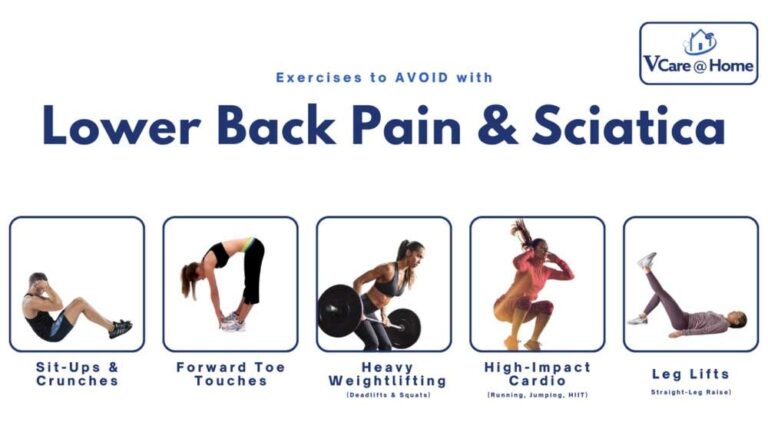
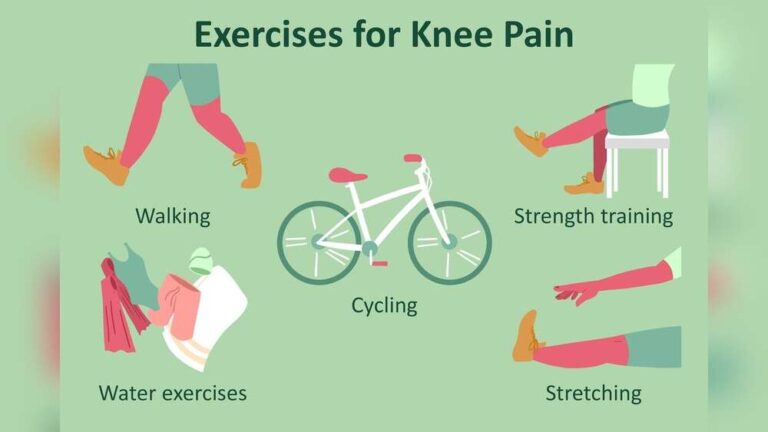
Choose exercises that require less effort. Walk instead of run. Use lighter weights. Swimming or cycling at a slow pace works well. These workouts keep your body active. They avoid fatigue and reduce injury risk.
Shorter Sessions
Cut your workout time in half. Train for 15 to 20 minutes instead of an hour. Short sessions still improve your strength and endurance. They fit easily into your day. You feel less tired and more motivated.
Focus On Form And Mobility
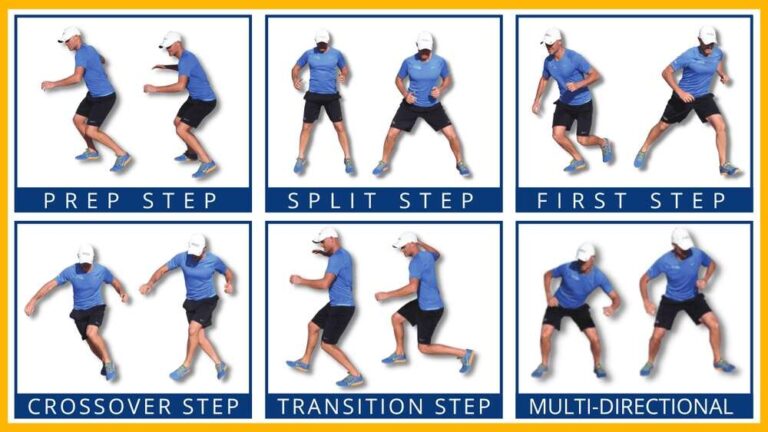
Pay attention to how you move. Practice slow and controlled motions. Stretch muscles gently. Work on joint flexibility and balance. This improves posture and reduces pain. Good form prevents injury and builds strength safely.
Mental Strategies For Focus
Mental focus can be hard when your energy feels low. Your mind might wander or feel tired. Using simple mental strategies helps keep your attention on training. These methods improve your focus and make workouts easier.
Try to use these mental tools to stay steady. They create small wins that boost your confidence. Mental strength supports your body during tough moments. Let’s explore some practical ways to sharpen your focus.
Setting Small Goals
Set clear and simple goals before training. Small goals feel less hard to reach. They give you a sense of progress. For example, plan to do five minutes of stretching first. Then add a few more minutes if you can.
Breaking the workout into parts reduces stress. Each goal completed gives a quick win. These wins build your motivation step-by-step. Focus on one small target at a time.
Mindfulness Practices
Mindfulness helps you stay present during exercise. Pay attention to your breathing and body sensations. Notice how your muscles feel as you move. This keeps your mind from drifting away.
Try to keep your thoughts on the moment. Breathe deeply and calmly. Mindfulness lowers stress and increases awareness. It makes training feel smoother and less tiring.
Positive Self-talk
Use kind and encouraging words inside your mind. Replace doubts with simple positive phrases. Say things like, “I can do this” or “One step at a time.”
Positive self-talk builds your mental energy. It helps you push through low moments. Speak to yourself like a good friend would. This boosts your focus and keeps you going.

Credit: workoutlabs.com
Post-workout Recovery
Post-workout recovery is key to feeling better after low energy workouts. It helps your body heal and regain strength. Skipping recovery can cause more tiredness and slow progress. Taking time to recover improves future workouts and overall health.
Stretching And Relaxation
Stretching after exercise loosens muscles and reduces tightness. It helps blood flow and removes waste products from muscles. Gentle stretches calm your body and mind. Try deep breathing or light yoga poses to relax fully.
Proper Nutrition
Eating the right foods fuels muscle repair and energy restoration. Focus on protein to rebuild muscles and carbohydrates to refill energy stores. Drinking water is also important to stay hydrated. Avoid heavy or greasy foods that slow digestion.
Rest And Sleep Importance
Rest gives your body time to repair and grow stronger. Sleep is the most vital recovery tool for energy and focus. Aim for 7 to 9 hours of good sleep each night. A consistent sleep schedule helps your body recover faster.
Long-term Energy Management
Managing energy over the long term is key to staying active and healthy. Short bursts of rest or quick snacks cannot replace steady habits. Building a routine that supports energy helps your body recover and prepare for each day. This approach makes training easier, even on low-energy days.
Balanced Diet Plans
Eating the right foods fuels your body steadily. Focus on whole grains, lean proteins, and fresh vegetables. Avoid too much sugar or junk food, which cause energy crashes. Drinking enough water keeps your cells working well. Small, frequent meals maintain blood sugar and prevent tiredness.
Regular Sleep Schedule
Sleep is the body’s natural energy booster. Go to bed and wake up at the same time every day. Aim for 7 to 9 hours of restful sleep. Avoid screens and bright lights before bedtime. A calm environment helps you fall asleep faster and wake refreshed.
Stress Reduction Techniques
Stress drains energy quickly and affects focus. Try deep breathing exercises to calm your mind. Gentle yoga or stretching can relieve tension in your body. Spending time outdoors improves mood and energy levels. Taking short breaks during work or training refreshes your mind.
Frequently Asked Questions
How Can I Boost Energy Before Training?
Boost energy by hydrating well and eating a light, balanced snack. A quick warm-up also increases blood flow and alertness. Prioritize sleep and manage stress to improve overall energy levels for training sessions.
Is Light Exercise Better When Feeling Low Energy?
Yes, light exercise like walking or stretching can improve circulation and mood. It helps increase energy without overwhelming your body. Adjust intensity based on how you feel to avoid burnout.
Should I Skip Training If Energy Is Very Low?
If energy is extremely low, rest is better to prevent injury and fatigue. Listen to your body and opt for recovery activities like gentle yoga or meditation instead of intense workouts.
What Foods Help Increase Energy For Workouts?
Eat complex carbs, lean proteins, and healthy fats before training. Foods like bananas, oats, nuts, and yogurt provide sustained energy. Avoid heavy or sugary meals that cause energy crashes.
Conclusion
Feeling low energy does not mean you must skip training. Choose light exercises to keep your body moving. Rest well and eat healthy foods for better strength. Small steps help build your energy little by little. Stay patient and listen to your body’s signals.
Training with low energy is possible with care and balance. Keep trying, and soon you will feel stronger again.

Brandon Knoxley is a sport & fitness writer and training guide contributor at MySportFitHub. He focuses on practical workouts, performance-based training, and honest fitness gear insights designed for real people and real results. Brandon is passionate about helping beginners and active individuals train smarter, avoid common mistakes, and build sustainable fitness habits.