

How to Train When You Have a Busy Schedule: Smart Tips for Success
Finding time to train when your schedule is packed can feel impossible. You want to stay fit and healthy, but between work, family, and other commitments, it’s easy to let workouts slip away.
What if you could learn simple, effective ways to fit exercise into your busy day without stress or burnout? This article will show you exactly how to make training work for you—no matter how hectic life gets. Keep reading to discover practical tips that will help you stay active, energized, and on track with your fitness goals.
Prioritize Your Workouts
Finding time for workouts can be tough with a busy schedule. Prioritizing your workouts helps you stay consistent. It makes sure exercise fits into your daily life. You feel more energetic and less stressed. This section shows how to make workouts a priority.
Set Realistic Goals
Start with small, clear goals. Avoid setting too many goals at once. A goal like “exercise three times a week” works well. Realistic goals keep you motivated. They stop you from feeling overwhelmed. Track your progress to see improvements. This builds confidence and keeps you going.
Identify Peak Energy Times
Notice when you feel most energetic during the day. Morning, afternoon, or evening—choose your best time. Schedule workouts during these peak times. Your body will perform better and recover faster. This makes exercise more enjoyable. It also helps you stay consistent without forcing yourself.
Maximize Short Workouts
Short workouts can be very effective. You do not need hours at the gym. Smart training helps you stay fit despite busy days. Focus on exercises that give you the most benefits quickly.
Maximizing short workouts means using your time wisely. Intense and well-chosen exercises make every minute count. This way, you can build strength and burn fat fast.
High-intensity Interval Training
High-Intensity Interval Training (HIIT) mixes short bursts of intense work with rest. This method boosts your heart rate quickly. It burns calories faster than steady exercise. You can do HIIT in 15 to 20 minutes. Exercises like sprinting, jumping, or cycling work well. HIIT improves fitness and endurance in less time.
Compound Exercises
Compound exercises use many muscles at once. They save time and build more strength. Examples include squats, push-ups, and deadlifts. These moves improve balance and coordination too. Doing compound exercises helps you get a full-body workout fast. You work harder and get better results with fewer sets.
Incorporate Activity Into Daily Life
Fitting exercise into a busy day can be tough. Small changes help you stay active without extra time. Moving more during daily routines boosts health and energy. Try simple ways to add activity throughout your day.
Active Commuting
Walk or bike to work if possible. Park farther from your office to add walking time. Take stairs instead of elevators. These small steps improve fitness without extra workout time. Active commuting saves time and increases daily movement.
Desk Exercises
Sitting all day can hurt your body. Stretch arms, legs, and back every hour. Try seated leg lifts or shoulder rolls to ease tension. Use a resistance band for quick strength moves. Desk exercises keep muscles active and reduce stiffness.
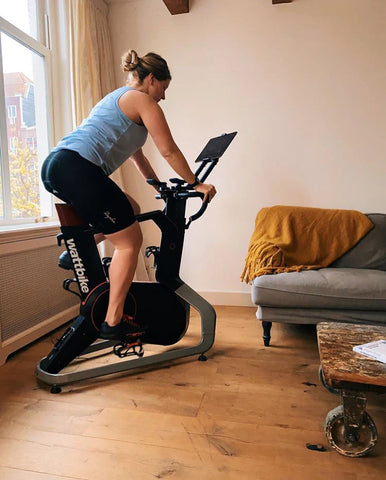
Credit: us.wattbike.com
Plan And Schedule Workouts
Planning and scheduling workouts is key to staying active despite a busy life. Setting clear workout times helps build a consistent habit. It reduces the chance of skipping exercise due to last-minute tasks. A well-planned schedule keeps you focused and motivated. Small, regular sessions fit better into tight days than long, irregular workouts.
Use A Calendar
Write your workouts in a calendar just like meetings or appointments. Choose a time that suits your energy and daily routine. Seeing workouts on your calendar makes them feel important. Use a paper planner or a digital calendar app. Set reminders to prepare your mind for exercise. Block the time and treat it as non-negotiable.
Prepare Gear In Advance
Get your workout clothes and equipment ready the night before. Lay out shoes, clothes, and any tools you need. This saves time and avoids excuses in the morning. Quick access to gear helps you start workouts without delay. Keep everything in one spot to avoid searching. Preparation reduces stress and makes workouts easier to begin.
Stay Consistent And Flexible
Staying consistent and flexible is key to training with a busy schedule. Consistency helps build habits and progress. Flexibility allows you to adjust your plans without losing momentum.
Balancing these two creates a steady path toward your fitness goals. It prevents frustration when life gets unpredictable. The balance keeps you moving forward, no matter the circumstances.
Adapt To Changes
Plans often change. Work or family demands can shift your day. Accept these changes as part of your routine.
Adjust your workout time or type to fit the new schedule. Shorter sessions still count. Quick exercises can keep you active and on track.
Use any free moment to move. Even a few minutes help maintain consistency. Flexibility in timing and method keeps your training alive.
Avoid Perfectionism
Not every workout must be perfect. Missing one or doing less is okay. Focus on progress, not perfection.
Small efforts add up over time. Skipping a session does not mean failure. Keep your mindset positive and forgiving.
Enjoy the process, not just the results. This approach helps you stay consistent. It reduces stress and keeps you coming back.
Leverage Technology
Technology can help you stay fit, even with a busy schedule. It saves time and keeps you motivated. Using technology makes training easier and more effective. You can track progress, set reminders, and find workouts anytime.
Fitness Apps
Fitness apps offer workouts you can do anywhere. Many apps have short routines for busy days. You can choose exercises based on your goals and time. Apps also provide video guides for correct form. Some apps track your calories and steps too. This helps you stay on target with your fitness plan.
Wearable Devices
Wearable devices monitor your activity all day long. They count steps, heart rate, and calories burned. Some wearables remind you to move if you sit too long. They also track your sleep to improve recovery. These devices give real-time feedback to boost your effort. Wearing one keeps you aware and focused on fitness.
Focus On Recovery
Training hard is important, but recovery is just as crucial. Recovery helps your body heal and grow stronger. It reduces injury risk and keeps you energized. Focusing on recovery means balancing effort with rest. This approach fits well with busy schedules.
Prioritize Sleep
Sleep is the most important recovery tool. Your body repairs muscles and restores energy during sleep. Aim for 7 to 9 hours every night. Keep a regular sleep schedule, even on weekends. Avoid screens and heavy meals before bedtime. A good night’s sleep improves focus and performance.
Incorporate Stretching
Stretching helps your muscles stay flexible and reduces soreness. Spend 5 to 10 minutes stretching after each workout. Focus on major muscle groups you used during training. Gentle stretches improve blood flow and speed up recovery. Stretching also relaxes your mind and body, helping you feel calm.

Credit: www.trainingbeta.com
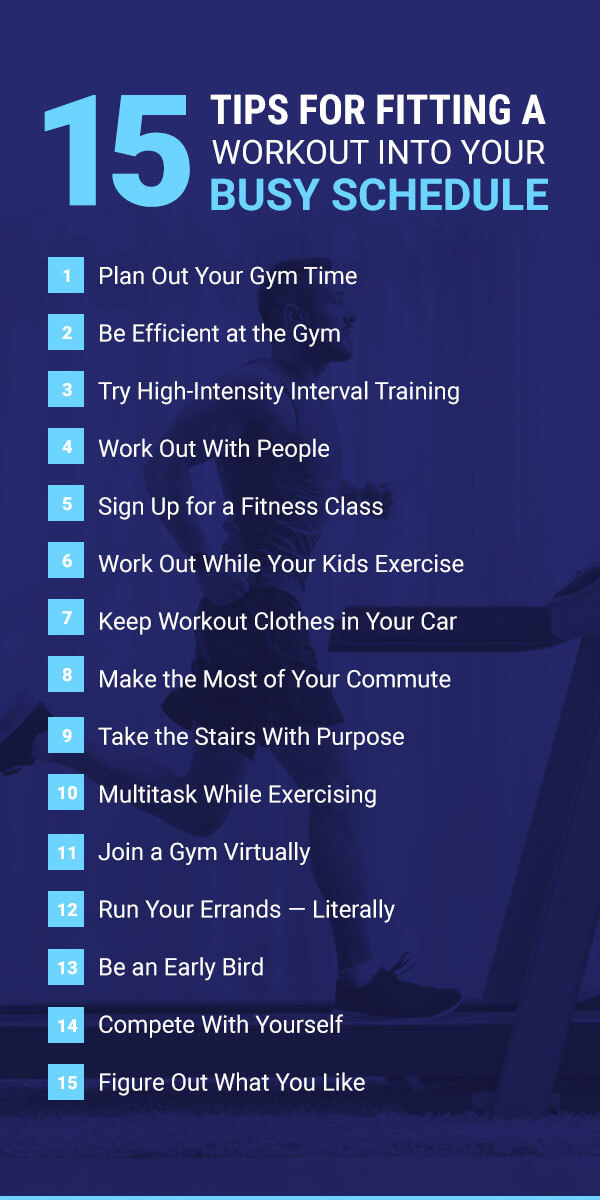
Credit: 5bridgeshealthandfitness.com
Frequently Asked Questions
How Can I Fit Workouts Into A Busy Schedule?
Prioritize short, effective workouts like HIIT or circuit training. Schedule exercise during breaks or early mornings. Consistency matters more than duration to stay fit despite a busy lifestyle.
What Are The Best Exercises For Time-crunched People?
Focus on compound movements like squats, push-ups, and planks. These exercises target multiple muscle groups quickly. They maximize results in minimal time, ideal for busy schedules.
How Often Should I Train If I’m Very Busy?
Aim for at least three 20-30 minute sessions weekly. Even brief, regular workouts improve fitness and energy. Consistency beats lengthy, infrequent sessions for busy individuals.
How Can I Stay Motivated To Train With A Busy Life?
Set realistic goals and track progress to stay motivated. Mix workouts to avoid boredom and reward yourself for consistency. Support from friends or trainers also helps maintain focus.
Conclusion
Staying active with a busy schedule is possible. Small workouts add up over time. Plan short sessions that fit your day. Consistency matters more than long hours. Choose exercises you enjoy to stay motivated. Use breaks wisely for quick movement.
Remember, any effort improves your health. Keep your goals clear and realistic. This way, training feels easier and natural. Stay patient and celebrate small wins. Your body and mind will thank you.

Brandon Knoxley is a sport & fitness writer and training guide contributor at MySportFitHub. He focuses on practical workouts, performance-based training, and honest fitness gear insights designed for real people and real results. Brandon is passionate about helping beginners and active individuals train smarter, avoid common mistakes, and build sustainable fitness habits.