How to Warm Up Properly before Beginner Workouts: Essential Tips
Before you dive into your beginner workout, there’s one crucial step you can’t skip: warming up properly. You might think it’s just a small thing, but warming up sets the stage for your entire session.
It helps your body get ready, reduces the risk of injury, and even boosts your performance. Imagine feeling more energized, moving with ease, and seeing better results—all because you took a few minutes to warm up the right way. Keep reading to discover simple, effective warm-up tips that will make every workout safer and more enjoyable for you.

Credit: www.abebooks.com
Benefits Of Warming Up
Warming up before exercise helps your body get ready. It raises your heart rate and loosens your muscles. This simple step makes workouts safer and more effective. Every beginner should take time to warm up properly.
Injury Prevention
Warming up reduces the risk of injuries. Cold muscles are stiff and prone to strains. Moving gently increases blood flow and flexibility. This prepares muscles and joints for harder work. Warm muscles absorb shocks better, lowering injury chances.
Improved Performance
Warm muscles work better during exercise. Blood flow brings oxygen and nutrients to muscles. This helps you move faster and stronger. Your body reacts quicker to commands. Warm-ups improve your endurance and power for better results.
Mental Preparation
Warming up also prepares your mind. It helps you focus on your workout goals. You feel more alert and ready to move. This builds confidence and reduces anxiety. A calm mind improves your workout quality.
Types Of Warm-up Exercises
Warming up before workouts helps prepare your body for exercise. It reduces injury risk and improves performance. Different types of warm-up exercises target muscles, joints, and the heart. Mixing these exercises creates a balanced warm-up routine.
Dynamic Stretching
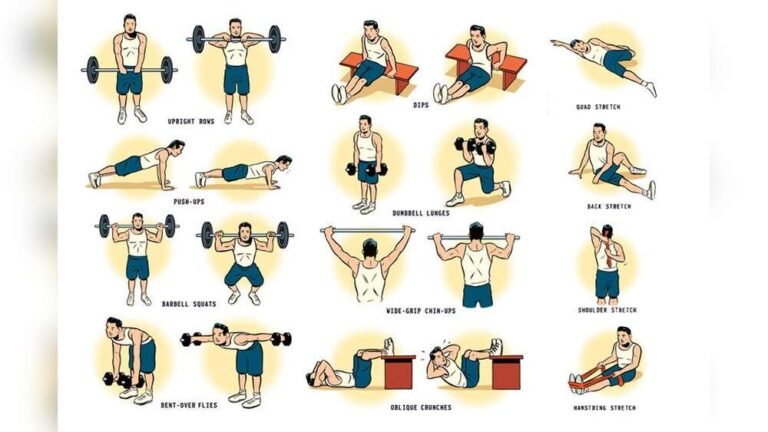
Dynamic stretching means moving your muscles through a full range of motion. It increases blood flow and warms up the muscles. Examples include leg swings, arm circles, and walking lunges. These stretches help improve flexibility and reduce stiffness.
Light Cardio
Light cardio raises your heart rate gradually. It helps your body adjust to increased activity. Walking, jogging slowly, or cycling at low speed are good options. Doing light cardio for five to ten minutes prepares you for harder exercise.
Joint Mobility Drills
Joint mobility drills focus on moving your joints smoothly. They improve joint function and reduce stiffness. Examples include ankle circles, hip rotations, and wrist rolls. These drills help prevent joint pain during your workout.
Duration And Intensity
Warming up before exercise helps prepare your body and mind. The right duration and intensity make the warm-up effective. Too short or too easy may not prepare you well. Too long or too hard can cause tiredness before the workout starts.
Ideal Warm-up Length
A warm-up should last about 5 to 10 minutes. This time is enough to raise your heart rate slowly. It also helps loosen your muscles and joints. For beginners, shorter warm-ups closer to 5 minutes work best. This avoids fatigue but still prepares the body. You can increase warm-up time as fitness improves.
Adjusting Intensity For Beginners
Start warm-ups at a low intensity. Use gentle movements like walking or slow cycling. This helps your body adjust without stress. Gradually increase intensity over the 5 to 10 minutes. Avoid fast or heavy exercises in warm-up sessions. Focus on smooth, controlled movements to prevent injury. The goal is to wake up muscles, not tire them out.

Credit: www.marsu.edu.ph
Sample Warm-up Routine
Warming up properly helps prepare your body for exercise. It reduces injury risk and improves performance. A good warm-up routine activates muscles and raises your heart rate.
Here is a simple warm-up plan for beginners. It focuses on full body activation and targets muscles used in your workout.
Full Body Activation
Start with 5 minutes of light cardio. Try walking or jogging in place. This helps increase blood flow and warms your entire body.
Next, do dynamic stretches like arm circles and leg swings. Move smoothly to avoid strain. These movements prepare your joints and muscles.
Include bodyweight exercises such as squats and lunges. Perform 10 to 15 reps. These activate major muscle groups and improve mobility.
Targeting Workout Muscles
Focus on muscles you will use in your workout. For example, if you plan to do upper body exercises, do push-ups or shoulder rolls.
If your workout targets legs, add calf raises and hip openers. Do 10 to 12 reps of each exercise.
This step improves muscle readiness and helps you exercise more effectively. It also reduces soreness after your workout.
Common Warm-up Mistakes
Warming up before a workout is important to avoid injuries and improve performance. Many beginners make common mistakes that reduce the benefits of warm-ups. These mistakes can make your body less ready for exercise and may cause discomfort.
Understanding these errors helps you prepare better. Avoiding them makes your workout safer and more effective. Here are some common warm-up mistakes beginners should watch out for.
Skipping Warm-ups
Many skip warm-ups to save time. This causes muscles to stay cold and stiff. Cold muscles are more likely to get hurt during exercise. Skipping warm-ups can also reduce your workout energy and focus. Always take at least five minutes to warm up.
Static Stretching Too Early
Stretching is good, but not before warming up. Static stretches, like holding a position, can lower muscle strength if done first. Your muscles need to be warm and loose before stretching. Start with light movement, then stretch after your body feels warm.
Overdoing It
Some think longer warm-ups are better. But too much warm-up causes tiredness before the workout. Overdoing can lower your energy and focus. Keep your warm-up short and focused on preparing your muscles. Five to ten minutes is enough for most beginners.

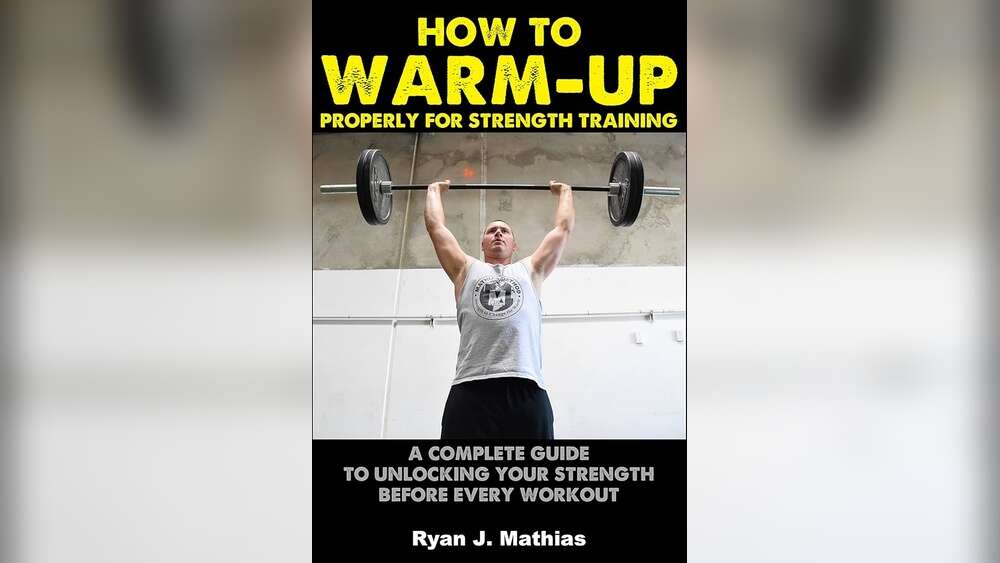
Credit: www.amazon.com
Tips For Staying Consistent
Staying consistent with warming up before workouts helps prevent injuries and improves performance. Building a habit makes the process easier and more natural. Here are some simple tips to keep your warm-up routine steady and effective.
Setting A Routine
Choose a specific time for your warm-up each day. This helps your body expect and prepare for exercise. Keep the warm-up short and simple to avoid feeling overwhelmed. Use the same warm-up moves to build familiarity. Writing your routine down can remind you to stay on track.
Listening To Your Body
Pay attention to how your body feels during warm-ups. Stop if you feel pain or discomfort. Adjust the intensity to match your energy levels on different days. Rest if your muscles feel too tight or tired. This helps avoid injuries and keeps your warm-up safe.
Frequently Asked Questions
What Is The Best Warm-up Routine For Beginners?
A good warm-up routine includes light cardio, dynamic stretches, and joint mobility exercises. It prepares muscles and increases heart rate safely.
How Long Should I Warm Up Before Beginner Workouts?
Warming up for 5 to 10 minutes is ideal. This duration helps increase blood flow and reduces injury risk effectively.
Why Is Warming Up Important Before Exercising?
Warming up improves muscle flexibility, boosts circulation, and enhances performance. It also lowers the chance of strains and injuries.
Can Skipping Warm-up Affect Workout Results?
Yes, skipping warm-up can cause muscle stiffness and injuries. It may reduce workout efficiency and delay recovery times.
Conclusion
Warming up properly helps your body get ready for exercise. It lowers injury risk and makes workouts easier. Start with light movements and stretch gently. Take your time and listen to your body. A good warm-up improves your strength and focus.
Remember, warming up is a simple step that brings big benefits. Keep it consistent for better results every workout. Stay safe and enjoy your fitness journey.

Brandon Knoxley is a sport & fitness writer and training guide contributor at MySportFitHub. He focuses on practical workouts, performance-based training, and honest fitness gear insights designed for real people and real results. Brandon is passionate about helping beginners and active individuals train smarter, avoid common mistakes, and build sustainable fitness habits.