Is Treadmill Or Stairmaster Better For Weight Loss: Guide
For weight loss, the treadmill usually wins for flexibility, while the StairMaster burns more effort per minute.
So, is treadmill or StairMaster better for weight loss? The honest answer depends on your fitness level, joints, workout habits, and which machine you can use often. Both can raise your heart rate, burn calories, improve fitness, and support a calorie deficit, but they do so in different ways.
I’ve compared these machines in real gym settings and seen the same lesson repeatedly: the “best” machine is the one you can use with good form, steady effort, and enough consistency to support your diet. This guide explains the calorie burn, benefits, drawbacks, workout plans, and practical choice for your goals.

Is treadmill or StairMaster better for weight loss?
For most people, the treadmill is the better overall tool for weight loss because it offers more workout choices. You can walk, jog, run, change the incline, and control the pace with ease. This makes it easier to start gently and progress over time.
The StairMaster may burn more calories per minute for some users. It forces you to lift your body upward with each step, so your legs and glutes work hard. However, the effort can feel much higher, and many people cannot use it long enough to match a longer treadmill session.
The most useful answer to “is treadmill or StairMaster better for weight loss?” is this:
• Choose the treadmill if you want longer workouts, easier pacing, or a low impact walking option.
• Choose the StairMaster if you want a short, intense workout that challenges your legs and heart.
• Use both if you enjoy variety and can recover well between sessions.
Weight loss comes mainly from a calorie deficit. That means your body uses more energy than you eat over time. Exercise helps create that deficit, but food intake, sleep, daily movement, stress, and consistency also matter.
Treadmill benefits for weight loss
The treadmill is one of the most flexible cardio machines in a gym. It can support beginners, experienced runners, and people who prefer walking. You can also adjust the speed and incline in small steps, which helps you manage fatigue.
A brisk walk at a moderate incline can raise your heart rate without the pounding of running. This can be useful for people with extra body weight, mild joint discomfort, or low fitness levels.
Key treadmill benefits include:
• Easy control over speed and incline
• Options for walking, jogging, running, and intervals
• A smooth surface that feels more predictable than outdoor paths
• Longer workouts with less local muscle fatigue
• Useful training for people who want to improve walking or running endurance
• A simple way to track time, distance, and pace
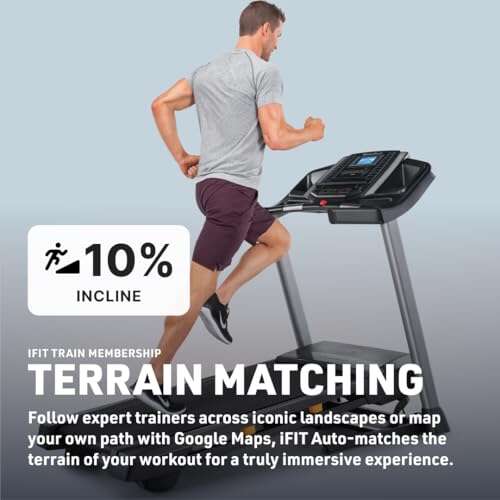
Incline walking deserves special attention. A steeper incline makes your muscles work harder and can increase your energy use without requiring a fast running pace. Still, treadmill calorie displays are estimates, not exact measurements.
One mistake I often see is starting with too much incline. A person may set the treadmill to 12 or 15 percent, hold the rails, and lean far back. This reduces the true challenge and may stress the wrists or lower back. Start with a manageable incline, keep your hands free when safe, and build slowly.
StairMaster benefits for weight loss
The StairMaster copies the action of climbing stairs. Each step requires you to push through your feet and extend your hips and knees. This creates a demanding workout for the glutes, thighs, calves, and heart.
The StairMaster can feel harder than treadmill walking at the same time and speed. It also makes it difficult to coast. The steps continue moving, so you must keep working or stop the machine.
Its main benefits include:
• High effort in a short workout
• Strong involvement from the glutes and thighs
• Improved leg endurance
• A useful option for people who dislike running
• Easy interval training
• A challenging cardiovascular workout with no need to learn complex movements
The StairMaster is not automatically better for fat loss. A hard 15-minute workout may burn fewer total calories than a comfortable 45-minute treadmill walk. The machine’s value depends on the full session, your effort, and how often you repeat it.
Another common mistake is leaning heavily on the handles. Light contact is fine for balance, but resting your body weight on the bars reduces the work your legs must do. Stand tall, take controlled steps, and use the rails only when needed.

Treadmill vs. StairMaster calories burned
Calorie burn varies widely. Your body weight, workout length, pace, incline, fitness level, and movement efficiency all affect the result. Two people can use the same machine for the same time and burn different amounts.
As a broad example, a 155-pound person may burn roughly:
• 140 to 200 calories during 30 minutes of brisk treadmill walking
• 250 to 400 calories during 30 minutes of vigorous treadmill running
• 180 to 300 calories during 30 minutes of moderate to hard StairMaster work
These are only general estimates. Fitness machines may overestimate calorie burn because they often do not know your exact body composition or effort. A wearable device can also be wrong, especially during strength work or stair climbing.
When comparing treadmill and StairMaster calories, look at the whole week instead of one workout. A machine that burns 300 calories once may be less useful than a machine that helps you complete five comfortable sessions.
The better question is not only, “Which machine burns more calories?” Ask:
• Can I use it without pain?
• Can I maintain good form?
• Can I train on it several times each week?
• Will I still have energy for strength training and daily life?
• Do I enjoy it enough to keep going?
This is why the answer to “is treadmill or StairMaster better for weight loss?” cannot rely on a single calorie number.
Which machine is better for beginners?
The treadmill is usually better for beginners. Walking is a familiar movement, and you can stop or slow down quickly. You can begin with 10 to 20 minutes at an easy pace and add time as your fitness improves.
The StairMaster can be intimidating at first. New users often take steps too quickly, grip the handles, or lean forward. This can cause early muscle fatigue before the heart and lungs receive a useful training effect.
A beginner treadmill plan may look like this:
-
Walk for 5 minutes at an easy pace.
-
Walk for 10 minutes at a pace that feels moderate.
-
Add 5 minutes each week if recovery feels good.
-
Add a small incline after you can complete 30 minutes comfortably.
For the StairMaster, begin with short blocks:
-
Warm up for 5 minutes on a flat treadmill or easy bike.
-
Use the StairMaster for 5 minutes at a slow, controlled pace.
-
Rest or walk easily for 3 minutes.
-
Repeat once if your form remains strong.
-
Increase time before increasing speed.
If you are very unfit, have a heart condition, or take medicine that changes your heart rate, speak with a health professional before starting hard cardio. Stop exercise for chest pain, faintness, severe shortness of breath, or unusual pain.
Which machine is better for belly fat?
Neither machine can directly burn belly fat. Your body loses fat according to genetics, hormones, energy balance, and time. You cannot choose where fat disappears by choosing a certain cardio machine.
Both machines can support overall fat loss by increasing energy use. A consistent calorie deficit can gradually reduce waist size, but the process may be slow and uneven.
For better results, pair cardio with:
• A diet built around protein, vegetables, fruit, whole grains, and healthy fats
• Strength training two or more times each week
• Seven to nine hours of sleep when possible
• More daily movement, such as walking and taking the stairs
• A realistic calorie deficit rather than extreme restriction
Many people make the mistake of using cardio to “earn” large meals. Exercise helps, but it is easy to eat back the calories from a long workout. Think of training as one part of the plan, not permission to ignore hunger, portions, or food quality.
Impact on joints and injury risk
Treadmill walking is often easier on the joints than running or stair climbing. The belt provides a steady surface, and you can choose a speed that matches your ability. However, running still creates repeated impact, especially if you are new to it or carry extra weight.
The StairMaster has less impact than running because your feet stay in contact with the steps. Yet it can place high demands on the knees, hips, calves, and Achilles tendons. Repeated stair climbing may bother people with knee arthritis, poor ankle mobility, or existing leg pain.
No machine is risk free. Good habits reduce risk:
• Warm up for five to 10 minutes.
• Wear supportive shoes that fit well.
• Keep your posture tall.
• Avoid sudden jumps in workout time or intensity.
• Use pain as a warning, not a challenge.
• Take rest days when your legs remain sore or heavy.
If you have knee pain, try a slower treadmill walk with a mild incline before choosing hard stair intervals. If walking causes pain, a bike, elliptical, or pool workout may be a better temporary option.

Treadmill and StairMaster workout plans
A good plan should match your current fitness and recovery. You do not need to train at maximum effort every time. In fact, most people make better progress by mixing easy sessions with one or two harder workouts.
Beginner treadmill workout
Use this two to four times each week:
• Warm up with 5 minutes of easy walking.
• Walk for 20 minutes at a pace that allows short sentences.
• Cool down for 5 minutes.
• Add 5 minutes every one or two weeks.
After four weeks, add a gentle incline or short faster intervals.
Beginner StairMaster workout
Use this once or twice each week at first:
• Warm up with 5 minutes of easy walking.
• Climb for 3 minutes at a controlled pace.
• Walk or rest for 2 minutes.
• Repeat three to five times.
• Cool down for 5 minutes.
Do not rush the steps. Smooth movement is more useful than speed that forces you to hang on to the handles.
Intermediate mixed workout
This plan combines both machines:
• Treadmill warmup for 5 minutes
• Treadmill incline walk for 20 minutes
• StairMaster for 8 to 12 minutes
• Easy treadmill cooldown for 5 minutes
Use this workout once each week. Add two easier cardio sessions and two strength sessions if your schedule and recovery allow.
High intensity interval option
Intervals can save time, but they are demanding. Try them only after you can complete steady workouts without pain.
On the treadmill:
• Walk for 2 minutes.
• Jog or walk quickly for 1 minute.
• Repeat six to eight times.
On the StairMaster:
• Climb easily for 2 minutes.
• Increase the pace for 30 seconds.
• Repeat six to 10 times.
Keep at least one easy day between hard leg sessions. More intensity is not always better. It is only better when you can recover from it.
How to choose between the treadmill and StairMaster
Your best choice depends on your main goal. If you want to build walking endurance or prepare for a running event, the treadmill makes more sense. If you want a short workout that strongly challenges your legs, the StairMaster may suit you better.
Use this simple guide:
• Choose the treadmill for beginner fitness, longer sessions, incline walking, or running practice.
• Choose the StairMaster for short workouts, leg endurance, and a strong cardiovascular challenge.
• Choose both for variety and balanced conditioning.
• Choose another machine if either option causes pain.
When people ask me “is treadmill or StairMaster better for weight loss?”, I first ask which machine they can use without dread. Enjoyment matters because it improves consistency. A theoretically perfect workout is not useful if you avoid it every week.
Your schedule matters, too. A 25-minute StairMaster session may fit a busy morning. A 45-minute treadmill walk may work better while watching a show after dinner. The best plan is the one that fits your real life.
Nutrition and recovery for better results
Exercise alone rarely produces steady weight loss unless eating habits support it. You do not need a perfect diet, but you do need a pattern you can repeat.
Build most meals around:
• Protein such as eggs, fish, chicken, Greek yogurt, beans, or tofu
• High-fiber foods such as vegetables, fruit, oats, potatoes, and whole grains
• Moderate portions of fats such as nuts, olive oil, avocado, and seeds
• Water and low-calorie drinks
Protein helps support muscle during weight loss. Strength training also matters because it gives your muscles a reason to stay strong while your body weight drops.
Track progress in more than one way. Scale weight can change from water, salt, digestion, and menstrual cycles. Measure your waist, note how clothes fit, and record workout performance.
A reasonable rate of weight loss for many adults is about 0.5 to 2 pounds per week. Faster loss is not always better and may increase hunger, fatigue, and muscle loss. Individual needs vary, so a registered dietitian can help you create a safer plan.
Common mistakes to avoid
Many people focus on machine choice while ignoring the habits that determine results. Avoid these common errors:
• Holding the treadmill rails during steep incline walks
• Leaning heavily on StairMaster handles
• Starting with workouts that are too hard
• Training hard every day without rest
• Trusting machine calorie numbers as exact
• Ignoring strength training
• Eating far more because a workout caused hunger
• Changing the plan every few days
• Expecting visible belly fat loss in one or two weeks
Progress often looks boring at first. You may simply walk longer, recover faster, or use a higher incline before the scale changes. Those improvements still matter.
One practical lesson from comparing these machines is that comfort can be useful, but comfort should not mean zero effort. Aim for a level that feels challenging yet controlled. You should finish most sessions feeling like you worked, not like you need to recover for three days.

Is treadmill or StairMaster better for weight loss over time?
Over time, the treadmill is often the better choice for total weekly calorie burn because it supports more minutes and more frequent sessions. A person may complete four 40-minute treadmill walks but only two 15-minute StairMaster workouts.
Still, the StairMaster can be highly effective when used as part of a balanced plan. It may improve leg strength and fitness while adding variety. Short, hard sessions can also be useful when your schedule is tight.
The long-term answer to “is treadmill or StairMaster better for weight loss?” is based on adherence. Choose the machine that lets you train consistently, progress gradually, and recover well.
For many people, this weekly mix works well:
• Two or three moderate treadmill sessions
• One short StairMaster session
• Two full-body strength workouts
• Daily light movement, such as walking
You can change the mix based on your goals. Runners may use more treadmill time. Someone who enjoys stair climbing may use more StairMaster work. There is no need to force a machine that does not fit your body or preferences.
Frequently Asked Questions
Is treadmill or StairMaster better for weight loss?
The treadmill is usually better for most people because it allows longer workouts and more control over intensity. The StairMaster may burn more calories per minute, but the treadmill can produce more total weekly activity.
Does the StairMaster burn more calories than a treadmill?
It can, especially when compared with slow treadmill walking. However, calorie burn depends on body weight, pace, workout time, fitness, and form, so the StairMaster is not always the winner.
Can I lose belly fat with the treadmill or StairMaster?
Both machines can support overall fat loss, but neither can target belly fat directly. A steady calorie deficit, strength training, good sleep, and regular activity are more important than the machine itself.
How long should I use the treadmill or StairMaster for weight loss?
Start with a time you can recover from, such as 20 to 30 minutes. Many adults can gradually work toward at least 150 minutes of moderate activity each week, along with muscle strengthening.
Is the StairMaster bad for your knees?
The StairMaster is not automatically bad for healthy knees, but it can aggravate pain when the pace is too high or form is poor. If you have knee problems, begin slowly and ask a health professional for personalized guidance.
Can I use both machines in the same workout?
Yes, if your fitness and recovery allow it. Keep the StairMaster portion short at first, and use the treadmill for warmup, cooldown, or easier cardio.
Should I do cardio before or after strength training?
If strength and muscle are your main goals, lift weights first. If endurance or calorie expenditure is your main focus, either order can work, but avoid hard cardio before heavy leg training if it reduces your lifting quality.
Conclusion
So, is treadmill or StairMaster better for weight loss? The treadmill usually offers the best mix of control, comfort, workout length, and long-term consistency. The StairMaster is an excellent option for short, intense sessions that challenge your legs and cardiovascular system.
Neither machine replaces a balanced diet, strength training, sleep, and regular daily movement. Start with the machine you can use safely, keep your effort controlled, and progress in small steps. Try both for a few weeks, track your workouts, and choose the one that helps you stay consistent.
Your best weight loss machine is the one you will keep using. Explore more practical fitness guides, build a plan that fits your life, and share your favorite treadmill or StairMaster strategy in the comments.

Brandon Knoxley is a sport & fitness writer and training guide contributor at MySportFitHub. He focuses on practical workouts, performance-based training, and honest fitness gear insights designed for real people and real results. Brandon is passionate about helping beginners and active individuals train smarter, avoid common mistakes, and build sustainable fitness habits.